Kyriakos Savvopoulos – författare
Visar alla böcker från författaren Kyriakos Savvopoulos. Handla med fri frakt och snabb leverans.
5 produkter
5 produkter
Inbunden, Engelska, 2021
2 794 kr
Skickas inom 3-6 vardagar
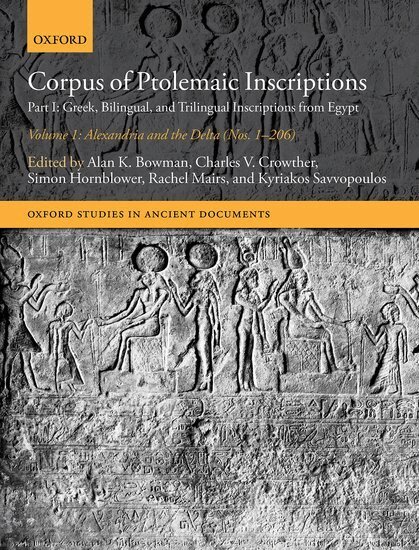
This is the first of three volumes of a Corpus publication of the Greek, bilingual and trilingual inscriptions of Ptolemaic Egypt covering the period between Alexander's conquest in 332 BC and the fall of Alexandria to the Romans in 30 BC. The Corpus offers scholarly editions, with translations, full descriptions and supporting commentaries, of more than 650 inscribed documents, of which 206, from Alexandria and the region of the Nile Delta, fall within this first volume. The inscriptions in the Corpus range in scope and significance from major public monuments such as the trilingual Rosetta Stone to private dedicatory plaques and funerary notices. They reflect almost every aspect of public and private life in Hellenistic Egypt: civic, royal and priestly decrees, letters and petitions, royal and private dedications to kings and deities, as well as pilgrimage notices, hymns and epigrams. The inscriptions in the Corpus are drawn from the entire Ptolemaic Kingdom of Egypt, from Alexandria and the Egyptian Delta, through the Fayum, along the Nile Valley, to Upper Egypt, and across the Eastern and Western Deserts. The Corpus supersedes older publications and other partial collections organised by specific region or theme, and offers for the first time a full picture of the Greek and multilingual epigraphic landscape of the Ptolemaic period. It will be an indispensable resource for new and continuing research into the history, society and culture of Ptolemaic Egypt and the wider Hellenistic world.
Inbunden, Engelska, 2025
3 293 kr
Skickas inom 5-8 vardagar
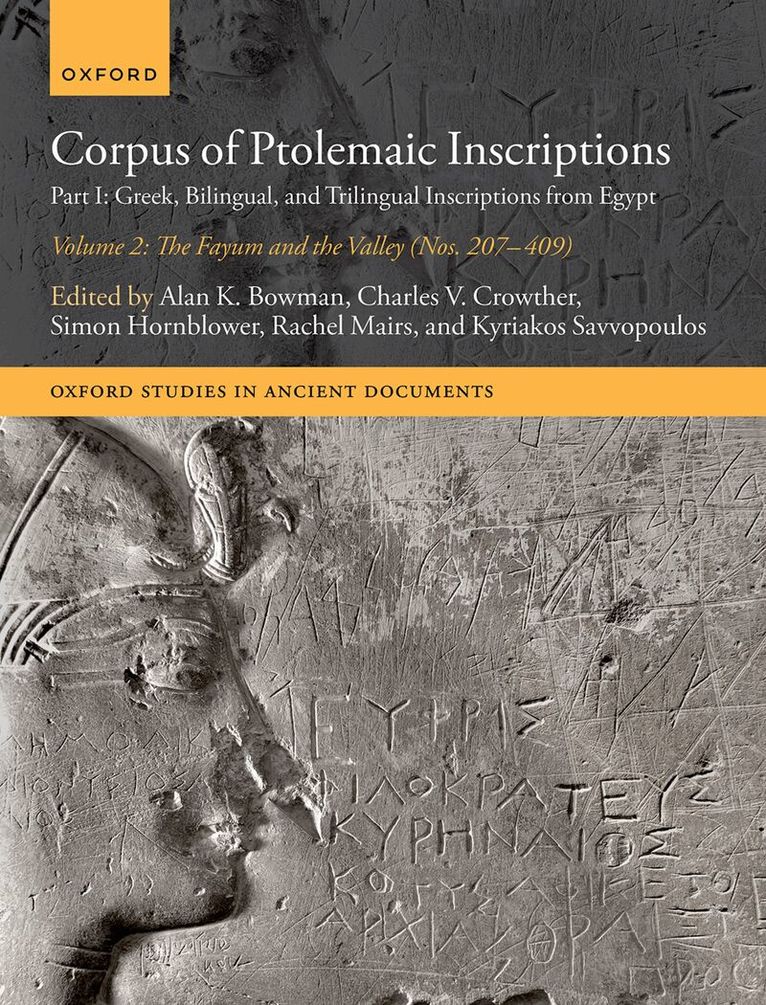
This is the second of three volumes of a Corpus publication of the Greek, bilingual and trilingual inscriptions from Ptolemaic Egypt covering the period from Alexander's conquest in 332 BC to the fall of Alexandria to the Romans in 30 BC. This volume contains 221 numbered items (some covering multiple short texts) from the Fayum and Middle and Upper Egypt (including the Thebaid). It presents up-to-date scholarly revisions of the texts with translations, full descriptions, and commentaries, drawing on material originally collected by the late P. M. Fraser. The inscriptions from the Fayum illustrate the development of towns and villages in a region which was particularly re-shaped by Greek immigrants, while the texts from Upper Egypt and the Thebaid reflect the persistence of indigenous Egyptian traditions and their interaction with the impact of Greek culture. The inscriptions range from copies of major priestly and royal decrees, civic administrative documents, and asylum petitions involving Egyptian and Greek temples and cults, to dedications to gods, monarchs, and private individuals, funerary texts, pilgrimage notices, and verse inscriptions including re-editions and reassessments of the Isis hymns from Narmouthis and the Herodes funerary epigrams from Edfu together with their Hieroglyphic counterparts. The Corpus supersedes older publications and other partial collections organised by specific region or theme, and offers for the first time a full picture of the Greek and multilingual epigraphic landscape of the Ptolemaic period. It will be an indispensable resource for new and continuing research into the history, society and culture of Ptolemaic Egypt and the wider Hellenistic world.
E-bok
PDF, Engelska, 20252 583 kr
Läs direkt efter köp
This is the second of three volumes of a Corpus publication of the Greek, bilingual and trilingual inscriptions from Ptolemaic Egypt covering the period from Alexander's conquest in 332 BC to the fall of Alexandria to the Romans in 30 BC. This volume contains 221 numbered items (some covering multiple short texts) from the Fayum and Middle and Upper Egypt (including the Thebaid). It presents up-to-date scholarly revisions of the texts with translations, full descriptions, and commentaries, drawing on material originally collected by the late P. M. Fraser. The inscriptions from the Fayum illustrate the development of towns and villages in a region which was particularly re-shaped by Greek immigrants, while the texts from Upper Egypt and the Thebaid reflect the persistence of indigenous Egyptian traditions and their interaction with the impact of Greek culture. The inscriptions range from copies of major priestly and royal decrees, civic administrative documents, and asylum petitions involving Egyptian and Greek temples and cults, to dedications to gods, monarchs, and private individuals, funerary texts, pilgrimage notices, and verse inscriptions including re-editions and reassessments of the Isis hymns from Narmouthis and the Herodes funerary epigrams from Edfu together with their Hieroglyphic counterparts. The Corpus supersedes older publications and other partial collections organised by specific region or theme, and offers for the first time a full picture of the Greek and multilingual epigraphic landscape of the Ptolemaic period. It will be an indispensable resource for new and continuing research into the history, society and culture of Ptolemaic Egypt and the wider Hellenistic world.
Häftad, Engelska, 2026
608 kr
Kommande
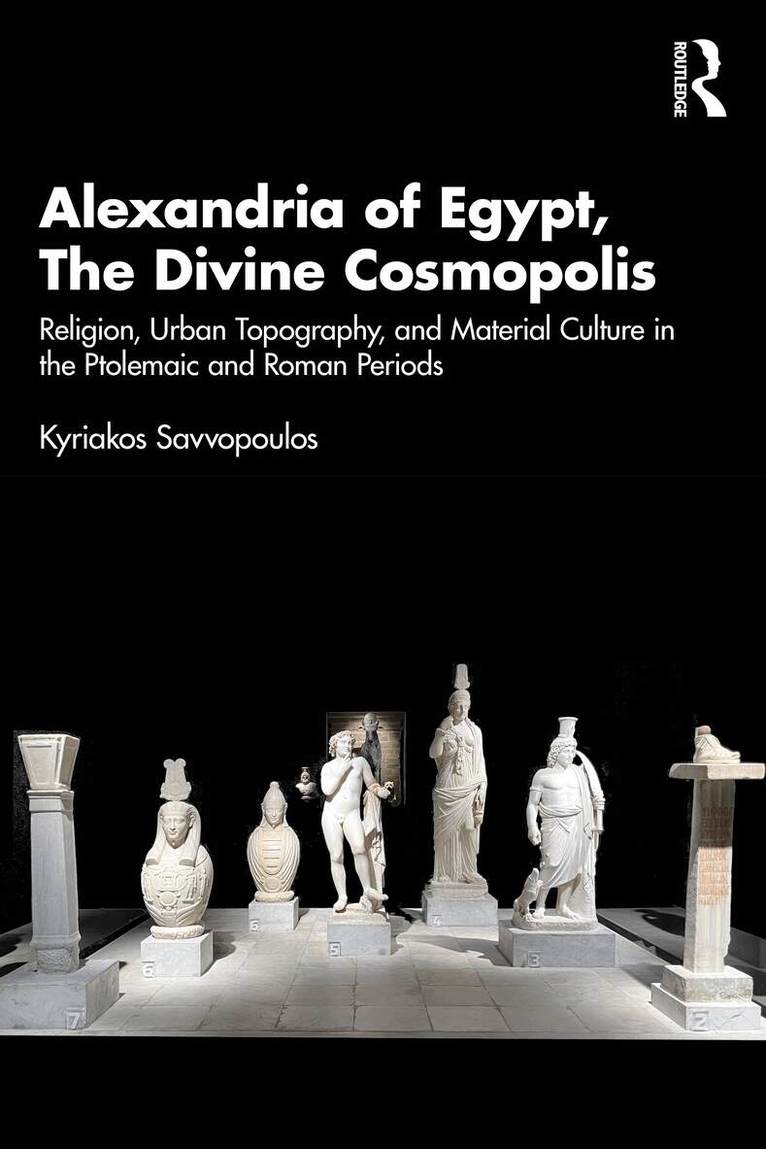
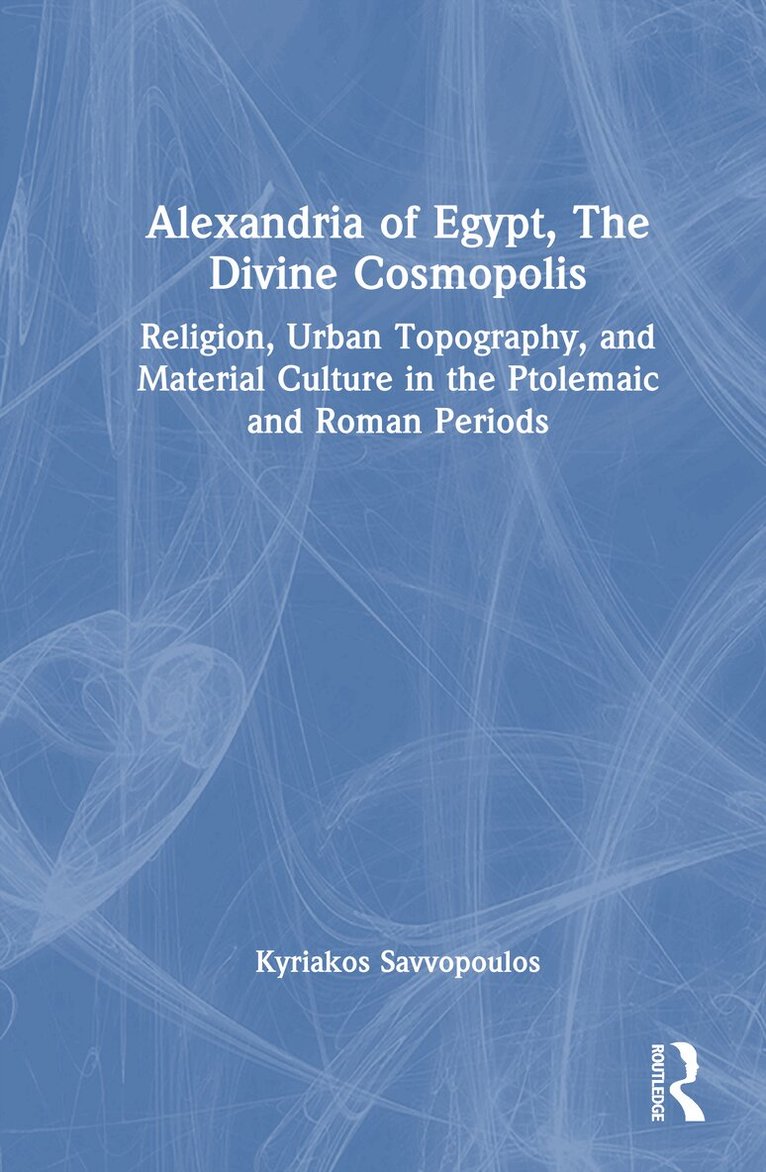
This is the first book dedicated to Alexandria’s religious world, reconstructing its scared topography, material culture and ritual life across seven centuries from the establishment of the Ptolemaic Kingdom through its transformation under Roman imperial rule, up to the twilight of pagan antiquity.It offers a systematic, evidence-based reconstruction of religious life in ancient Alexandria, examining the emergence of a structured 'sacred confederation' of cults under the Ptolemies, the mechanics of ruler worship and sacred kingship, and the formation of a distinctive Alexandrian religious identity from both Greek and Egyptian traditions. The study extends into the Roman period, tracing the transformation of the city's major sanctuaries, the richness of its civic and funerary culture, and glimpses of domestic cult and folk practice where the material record allows. Drawing on architecture, sculpture, inscriptions, funerary art and recent underwater and salvage discoveries, the study treats material evidence as an independent record of religious life rather than an illustration of ancient literary sources — a methodological approach that repeatedly challenges and revises the city's inherited scholarly image.Alexandria of Egypt, The Divine Cosmopolis is suitable for students and scholars of Hellenistic and Roman archaeology and history, Egyptian archaeology and Egyptology, and ancient religion. It is also of interest to researchers working on sacred topography, multicultural urbanism, and the archaeology of religion in the ancient Mediterranean world.
Inbunden, Engelska, 2026
2 225 kr
Kommande
This is the first book dedicated to Alexandria’s religious world, reconstructing its scared topography, material culture and ritual life across seven centuries from the establishment of the Ptolemaic Kingdom through its transformation under Roman imperial rule, up to the twilight of pagan antiquity.It offers a systematic, evidence-based reconstruction of religious life in ancient Alexandria, examining the emergence of a structured 'sacred confederation' of cults under the Ptolemies, the mechanics of ruler worship and sacred kingship, and the formation of a distinctive Alexandrian religious identity from both Greek and Egyptian traditions. The study extends into the Roman period, tracing the transformation of the city's major sanctuaries, the richness of its civic and funerary culture, and glimpses of domestic cult and folk practice where the material record allows. Drawing on architecture, sculpture, inscriptions, funerary art and recent underwater and salvage discoveries, the study treats material evidence as an independent record of religious life rather than an illustration of ancient literary sources — a methodological approach that repeatedly challenges and revises the city's inherited scholarly image.Alexandria of Egypt, The Divine Cosmopolis is suitable for students and scholars of Hellenistic and Roman archaeology and history, Egyptian archaeology and Egyptology, and ancient religion. It is also of interest to researchers working on sacred topography, multicultural urbanism, and the archaeology of religion in the ancient Mediterranean world.