L. A. Paul - Böcker
Visar alla böcker från författaren L. A. Paul. Handla med fri frakt och snabb leverans.
6 produkter
6 produkter
450 kr
Skickas inom 5-8 vardagar
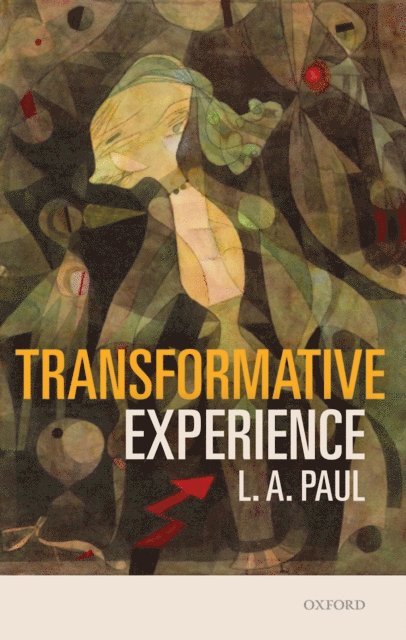
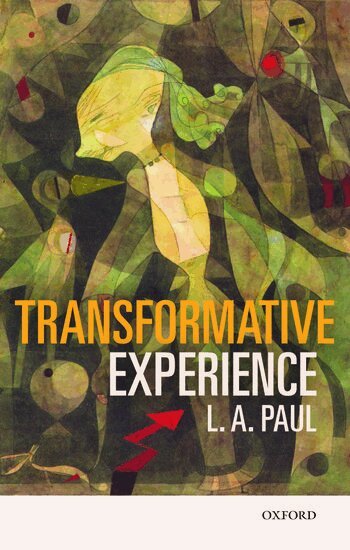
As we live our lives, we repeatedly make decisions that shape our future circumstances and affect the sort of person we will be. When choosing whether to start a family, or deciding on a career, we often think we can assess the options by imagining what different experiences would be like for us. L. A. Paul argues that, for choices involving dramatically new experiences, we are confronted by the brute fact that we can know very little about our subjective futures. This has serious implications for our decisions. If we make life choices in the way we naturally and intuitively want to--by considering what we care about, and what our future selves will be like if we choose to have the experience--we only learn what we really need to know after we have already committed ourselves. If we try to escape the dilemma by avoiding an experience, we have still made a choice. Choosing rationally, then, may require us to regard big life decisions as choices to make discoveries, small and large, about the intrinsic nature of experience, and to recognize that part of the value of living authentically is to experience one's life and preferences in whatever way they may evolve in the wake of the choices you make.Using classic philosophical examples about the nature of consciousness, and drawing on recent work in normative decision theory, cognitive science, epistemology, and the philosophy of mind, Paul develops a rigorous account of transformative experience that sheds light on how we should understand real-world experience and our capacity to rationally map our subjective futures.
305 kr
Skickas inom 5-8 vardagar
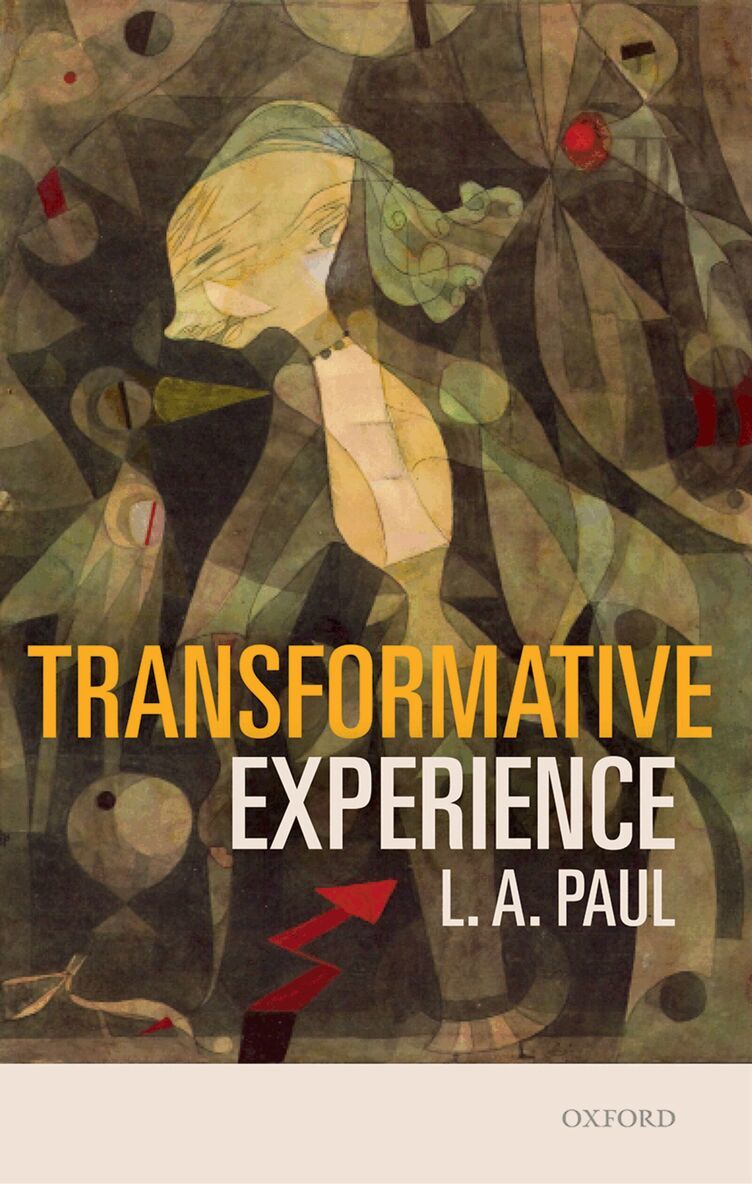
As we live our lives, we repeatedly make decisions that shape our future circumstances and affect the sort of person we will be. When choosing whether to start a family, or deciding on a career, we often think we can assess the options by imagining what different experiences would be like for us. L. A. Paul argues that, for choices involving dramatically new experiences, we are confronted by the brute fact that we can know very little about our subjective futures. This has serious implications for our decisions. If we make life choices in the way we naturally and intuitively want to--by considering what we care about, and what our future selves will be like if we choose to have the experience--we only learn what we really need to know after we have already committed ourselves. If we try to escape the dilemma by avoiding an experience, we have still made a choice. Choosing rationally, then, may require us to regard big life decisions as choices to make discoveries, small and large, about the intrinsic nature of experience, and to recognize that part of the value of living authentically is to experience one's life and preferences in whatever way they may evolve in the wake of the choices you make. Using classic philosophical examples about the nature of consciousness, and drawing on recent work in normative decision theory, cognitive science, epistemology, and the philosophy of mind, Paul develops a rigorous account of transformative experience that sheds light on how we should understand real-world experience and our capacity to rationally map our subjective futures.
1 445 kr
Skickas inom 7-10 vardagar
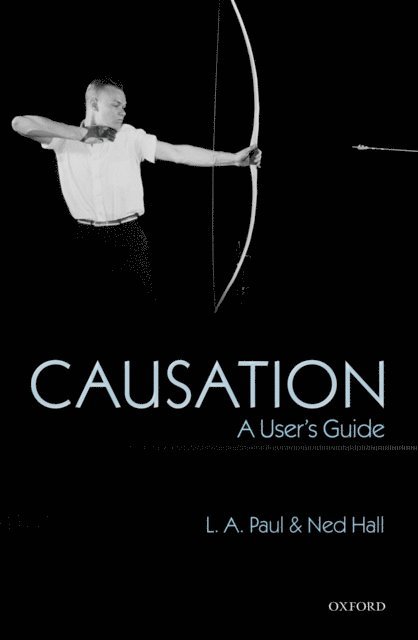
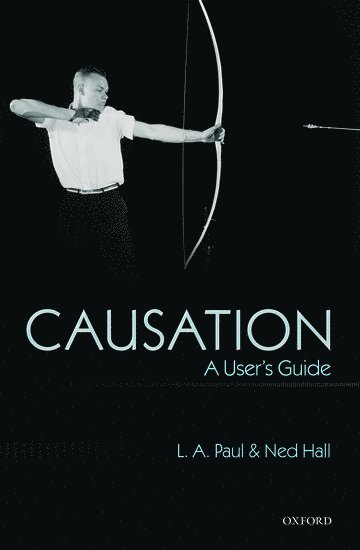
Causation is at once familiar and mysterious. Many believe that the causal relation is not directly observable, but that we nevertheless can somehow detect its presence in the world. Common sense seems to have a firm grip on causation, and much work in the natural and social sciences relies on the idea. Yet neither common sense nor extensive philosophical debate has led us to anything like agreement on the correct analysis of the concept of causation, or an account of the metaphysical nature of the causal relation. Contemporary debates are driven by opposing motivations, conflicting intuitions, and unarticulated methodological assumptions.Causation: A User's Guide cuts a clear path through this confusing but vital landscape. L. A. Paul and Ned Hall guide the reader through the most important philosophical treatments of causation, negotiating the terrain by taking a set of examples as landmarks. Special attention is given to counterfactual and related analyses of causation. Using a methodological principle based on the close examination of potential counterexamples, they clarify the central themes of the debate about causation, and cover questions about causation involving omissions or absences, preemption and other species of redundant causation, and the possibility that causation is not transitive. Along the way, Paul and Hall examine several contemporary proposals for analyzing the nature of causation and assess their merits and overall methodological cogency.The book is designed to be of value both to trained specialists and those coming to the problem of causation for the first time. It provides the reader with a broad and sophisticated view of the metaphysics of the causal relation.
484 kr
Skickas inom 7-10 vardagar
Causation is at once familiar and mysterious. Many believe that the causal relation is not directly observable, but that we nevertheless can somehow detect its presence in the world. Common sense seems to have a firm grip on causation, and much work in the natural and social sciences relies on the idea. Yet neither common sense nor extensive philosophical debate has led us to anything like agreement on the correct analysis of the concept of causation, or an account of the metaphysical nature of the causal relation. Contemporary debates are driven by opposing motivations, conflicting intuitions, and unarticulated methodological assumptions.Causation: A User's Guide cuts a clear path through this confusing but vital landscape. L. A. Paul and Ned Hall guide the reader through the most important philosophical treatments of causation, negotiating the terrain by taking a set of examples as landmarks. Special attention is given to counterfactual and related analyses of causation. Using a methodological principle based on the close examination of potential counterexamples, they clarify the central themes of the debate about causation, and cover questions about causation involving omissions or absences, preemption and other species of redundant causation, and the possibility that causation is not transitive. Along the way, Paul and Hall examine several contemporary proposals for analyzing the nature of causation and assess their merits and overall methodological cogency.The book is designed to be of value both to trained specialists and those coming to the problem of causation for the first time. It provides the reader with a broad and sophisticated view of the metaphysics of the causal relation.
701 kr
Skickas inom 5-8 vardagar
Del 19654 - Reclam Universal-Bibliothek
Was können wir wissen, bevor wir uns entscheiden?
Häftad, Tyska, 2020
98 kr
Skickas inom 3-6 vardagar