L. E. Goodman – författare
Visar alla böcker från författaren L. E. Goodman. Handla med fri frakt och snabb leverans.
5 produkter
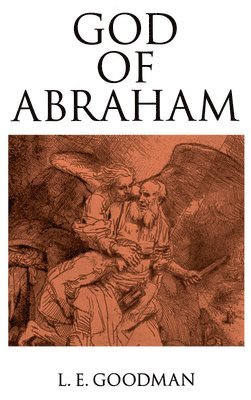
God of Abraham
Inbunden, 1996
2306 kr
Lägg i varukorg
Goodman shows how human values illuminate the idea of God, which in turn sheds light on our value concerns. Drawing on a wealth of traditional and philosophical material including Jewish sources, he shows how an adequate understanding of the interplay of values with monotheism can dissolve many of …
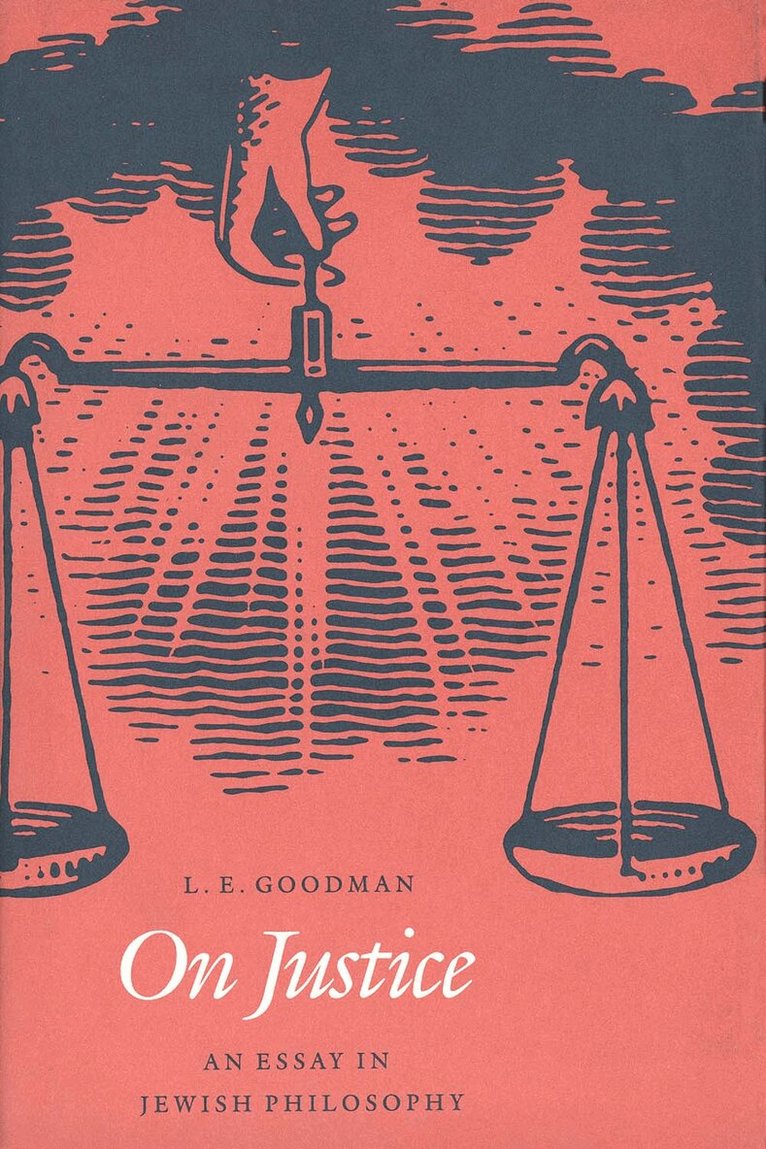
On Justice
An Essay in Jewish Philosophy
Inbunden, 2010
968 kr
Lägg i varukorg
What is fair? How and when can punishment be legitimate? Is there recompense for human suffering? How can we understand ideas about immortality or an afterlife in the context of critical thinking on the human condition? In this book L. E. Goodman presents the first general theory of justice in this …
Avicenna
Av L E Goodman
Inbunden, 1992
2510 kr
Lägg i varukorg
the philosophers in the West, none, perhaps, is better known by name and less familiar in actual content of his ideas than the medieval Muslim philosopher, physician, minister and naturalist Abu Ali Ibn Sina, known since the days of the scholastics as Avicenna. In this book the author, himself a …
Avicenna
Av L E Goodman
E-bok, 2013
1000 kr
Lägg i varukorg
the philosophers in the West, none, perhaps, is better known by name and less familiar in actual content of his ideas than the medieval Muslim philosopher, physician, minister and naturalist Abu Ali Ibn Sina, known since the days of the scholastics as Avicenna. In this book the author, himself a …
Avicenna
Av L E Goodman
E-bok, 2013
1000 kr
Lägg i varukorg
the philosophers in the West, none, perhaps, is better known by name and less familiar in actual content of his ideas than the medieval Muslim philosopher, physician, minister and naturalist Abu Ali Ibn Sina, known since the days of the scholastics as Avicenna. In this book the author, himself a …