Laima Zilinskiene – författare
Visar alla böcker från författaren Laima Zilinskiene. Handla med fri frakt och snabb leverans.
8 produkter
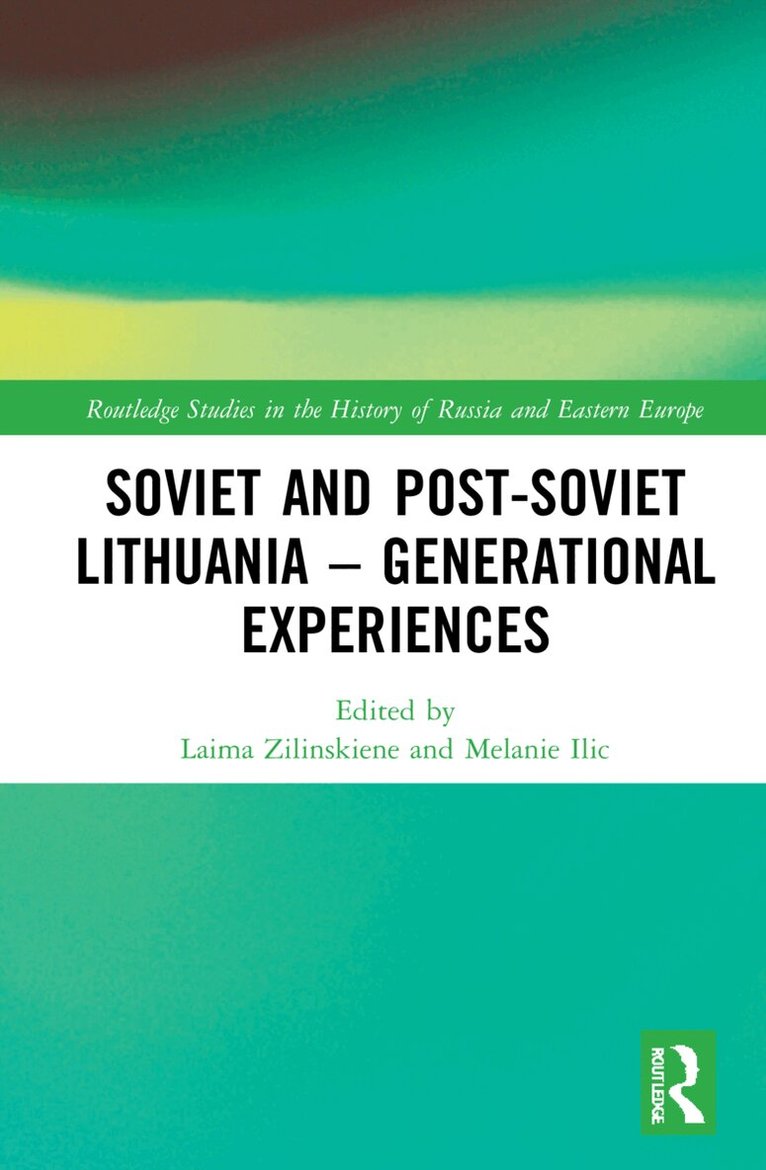
Soviet and Post-Soviet Lithuania – Generational Experiences
Av Laima Zilinskiene, Melanie Ilic
Inbunden, 2021
2578 kr
Lägg i varukorg
This book explores the impact on different generations of Lithuanians of the fifty-year Soviet modernisation project which was implemented in Lithuania from 1940 to 1991. It reveals the specific characteristics of ‘the last Soviet generation’, born in the 1970s, and sets this generation apart from …
Soviet and Post-Soviet Lithuania - Generational Experiences
Av Melanie Ilic, Laima Zilinskiene
E-bok, 2021
820 kr
Lägg i varukorg
This book explores the impact on different generations of Lithuanians of the fifty-year Soviet modernisation project which was implemented in Lithuania from 1940 to 1991. It reveals the specific characteristics of ‘the last Soviet generation’, born in the 1970s, and sets this generation apart …
Soviet and Post-Soviet Lithuania - Generational Experiences
Av Melanie Ilic, Laima Zilinskiene
E-bok, 2021
820 kr
Lägg i varukorg
This book explores the impact on different generations of Lithuanians of the fifty-year Soviet modernisation project which was implemented in Lithuania from 1940 to 1991. It reveals the specific characteristics of ‘the last Soviet generation’, born in the 1970s, and sets this generation apart …
Soviet and Post-Soviet Lithuania – Generational Experiences
Av Laima Zilinskiene, Melanie Ilic
Häftad, 2023
691 kr
Lägg i varukorg
This book explores the impact on different generations of Lithuanians of the fifty-year Soviet modernisation project which was implemented in Lithuania from 1940 to 1991. It reveals the specific characteristics of ‘the last Soviet generation’, born in the 1970s, and sets this generation apart from …
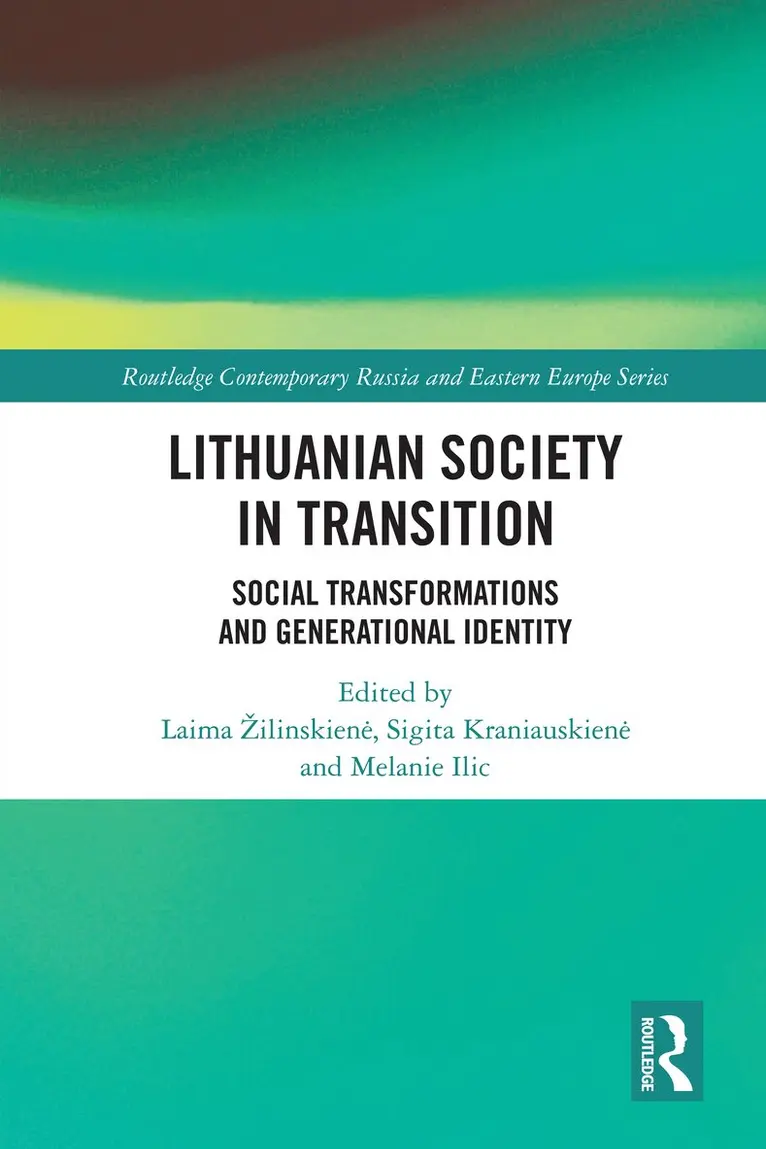
Lithuanian Society in Transition
Social Transformations and Generational Identity
Av Laima Zilinskiene, Sigita Kraniauskiene m. fl.
Inbunden, 2024
2504 kr
Lägg i varukorg
Lithuanian Society in Transition examines the life experiences formed during the process of post-socialist transformation in Lithuania by analysing the peculiarities of the life course of the cohort of young people born between 1980 and 2000. This book considers how various different components of …
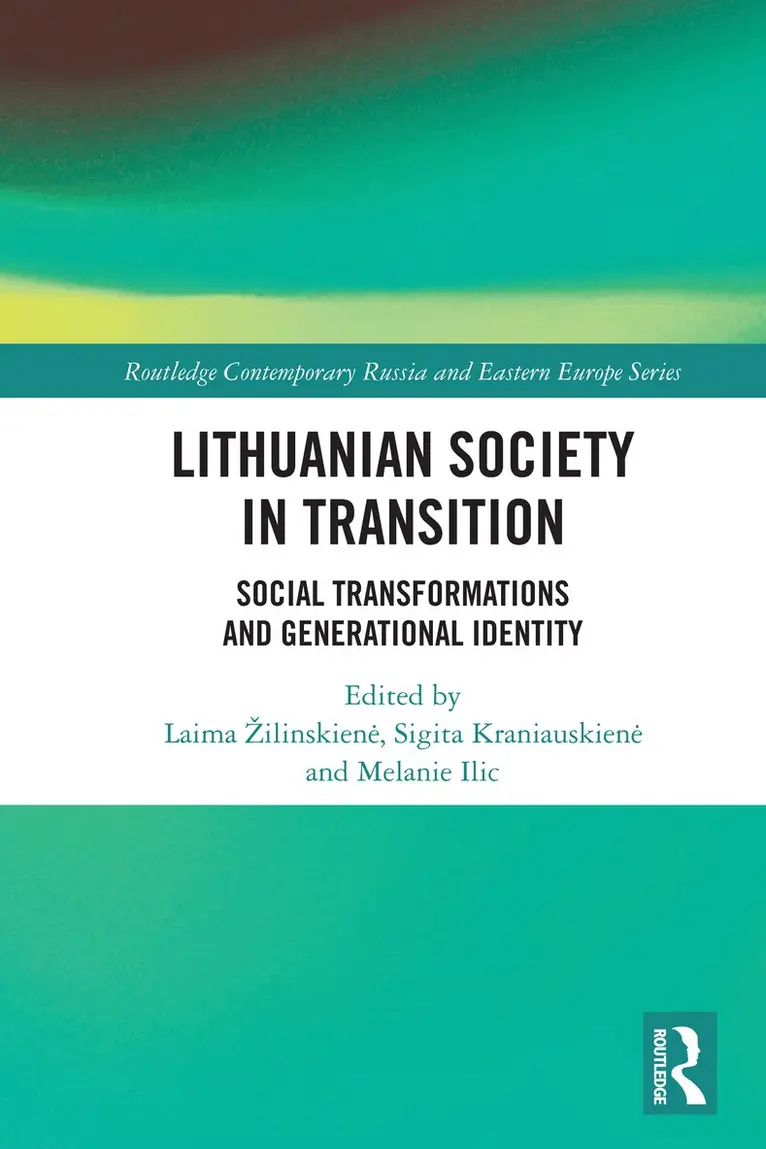
Lithuanian Society in Transition
Social Transformations and Generational Identity
Av Laima Zilinskiene, Sigita Kraniauskiene m. fl.
Häftad, 2026
704 kr
Lägg i varukorg
Lithuanian Society in Transition examines the life experiences formed during the process of post-socialist transformation in Lithuania by analysing the peculiarities of the life course of the cohort of young people born between 1980 and 2000. This book considers how various different components of …
Lithuanian Society in Transition
Social Transformations and Generational Identity
Av Melanie Ilic, Sigita Kraniauskiene m. fl.
E-bok, 2024
813 kr
Lägg i varukorg
Lithuanian Society in Transition examines the life experiences formed during the process of post-socialist transformation in Lithuania by analysing the peculiarities of the life course of the cohort of young people born between 1980 and 2000. This book considers how various different components of …
Lithuanian Society in Transition
Social Transformations and Generational Identity
Av Melanie Ilic, Sigita Kraniauskiene m. fl.
E-bok, 2024
831 kr
Lägg i varukorg
Lithuanian Society in Transition examines the life experiences formed during the process of post-socialist transformation in Lithuania by analysing the peculiarities of the life course of the cohort of young people born between 1980 and 2000. This book considers how various different components of …