Larissa Tracy - Böcker
Visar alla böcker från författaren Larissa Tracy. Handla med fri frakt och snabb leverans.
12 produkter
12 produkter
1 805 kr
Skickas inom 7-10 vardagar
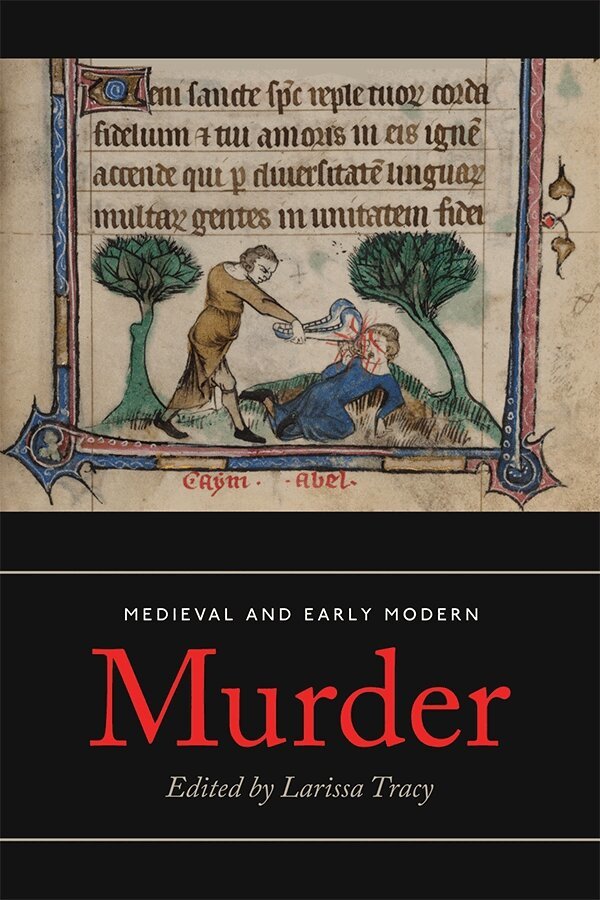
Drawing on a wealth of sources from different disciplines, the essays here provide a nuanced picture of how medieval and early modern societies viewed murder and dealt with murderers.Murder - the perpetrators, victims, methods and motives - has been the subject of law, literature, chronicles and religion, often crossing genres and disciplines and employing multiple modes of expression and interpretation. As the chapters in this volume demonstrate, definitions of murder, manslaughter and justified or unjustified homicide depend largely on the legal terminology and the laws of the society. Much like modern nations, medieval societies treated murder and murderers differently based on their social standing, the social standing of the victim, their gender, their mental capacity for understanding their crime, and intent, motive and means.The three parts of this volume explore different aspects of this crime in the Middle Ages. The first provides the legal template for reading cases of murder in a variety of sources. The second examines the public hermeneutics of murder, especially theways in which medieval societies interpreted and contextualised their textual traditions: Icelandic sagas, Old French fabliaux, Arthuriana and accounts of assassination. Finally, the third part focuses on the effects of murder within the community: murder as a social ill, especially in killing kin.LARISSA TRACY is Professor of Medieval Literature at Longwood University.Contributors: Dianne Berg, G. Koolemans Beynen, Dwayne C. Coleman, Jeffrey Doolittle, Carmel Ferragud, Jay Paul Gates, Thomas Gobbitt, Emily J. Hutchison, Jolanta N. Komornicka, Anne Latowsky, Matthew Lubin, Andrew McKenzie-McHarg, Ben Parsons, Ilse Schweitzer VanDonkelaar, Hannah Skoda, Bridgette Slavin, Larissa Tracy, Patricia Turning, Lucas Wood
496 kr
Skickas inom 7-10 vardagar
Drawing on a wealth of sources from different disciplines, the essays here provide a nuanced picture of how medieval and early modern societies viewed murder and dealt with murderers.Murder - the perpetrators, victims, methods and motives - has been the subject of law, literature, chronicles and religion, often crossing genres and disciplines and employing multiple modes of expression and interpretation. As the chapters in this volume demonstrate, definitions of murder, manslaughter and justified or unjustified homicide depend largely on the legal terminology and the laws of the society. Much like modern nations, medieval societies treated murder and murderers differently based on their social standing, the social standing of the victim, their gender, their mental capacity for understanding their crime, and intent, motive and means.The three parts of this volume explore different aspects of this crime in the Middle Ages. The first provides the legal template for reading cases of murder in a variety of sources. The second examines the public hermeneutics of murder, especially theways in which medieval societies interpreted and contextualised their textual traditions: Icelandic sagas, Old French fabliaux, Arthuriana and accounts of assassination. Finally, the third part focuses on the effects of murder within the community: murder as a social ill, especially in killing kin.
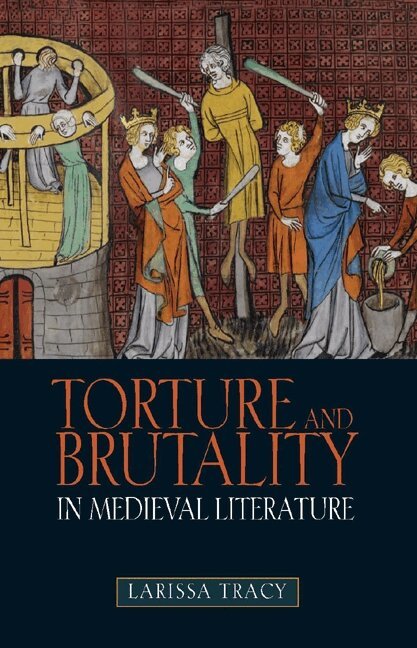
Torture and Brutality in Medieval Literature
Negotiations of National Identity
Inbunden, Engelska, 2012
1 334 kr
Skickas inom 7-10 vardagar
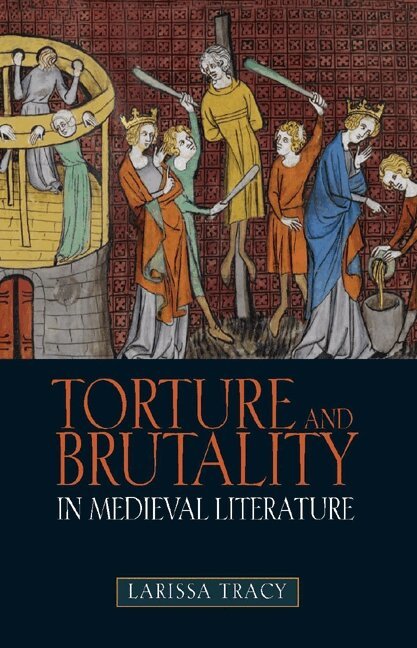
A new look at the way in which medieval European literature depicts torture and brutality.An ugly subject, but one that needs to be treated thoroughly and comprehensively, with a discreet wit and no excessive relish. These needs are richly satisfied in Larissa Tracy's bold and important book. DEREK PEARSALL, Professor Emeritus, Harvard University.Torture - that most notorious aspect of medieval culture and society - has evolved into a dominant mythology, suggesting that the Middle Ages was a period during which sadistic torment was inflicted on citizens with impunity and without provocation: popular museums displaying such gruesome implements as the rack, the strappado, the gridiron, the wheel, and the Iron Maiden can be found in many modern European cities. These lurid images of medieval torture have re-emerged within recent discussions on American foreign policy and the introduction of torture legislation as a weapon in the "War on Terror", and raised questions about its history and reality, particularly given its proliferation in some literary genres and its relative absence in others.This book challenges preconceived ideas about the prevalence of torture and judicial brutality in medieval society by arguing that their portrayal in literature is not mimetic. Instead, it argues that the depictions of torture and brutality represent satire, critique and dissent; they have didactic and political functions in opposing the status quo. Torture and brutality are intertextual literary motifs that negotiate cultural anxieties of national identity; by situating these practices outside their own boundaries in the realm of the barbarian "Other", medieval and early-modern authors define themselves and their nations in opposition to them. Works examined range from Chaucer to the Scandinavian sagas to Shakespeare, enabling a true comparative approach to be taken.
315 kr
Skickas inom 10-15 vardagar
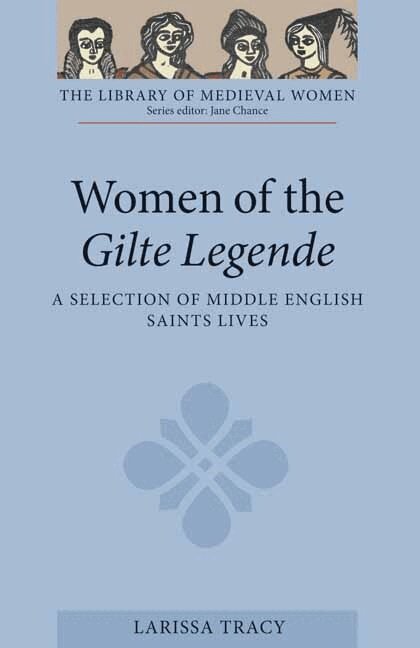
The first modern translation of one of the most influential books to come from the middle ages.The Gilte Legende was widely read as a model for everyday life, including the education of women through examples set by early Christian martyrs. This book divides the lives of female saints into: the "ryght hooly virgins",who vocally defend their bodies against Roman persecution; "holy mothers", who give up their traditional role to pursue a life of contemplation; the "repentant sinners", who convert and voice their defiance against a society thatdemanded silence in women; and the "holy transvestites", who cast off their gender identity to find absolution and salvation. Their lives reach through the ages to speak to a modern audience, forcing a re-examination of women's roles in the medieval period. LARISSA TRACY is Adjunct Assistant Professor of English at Georgetown University and George Mason University.Series editor JANE CHANCE
1 613 kr
Skickas inom 7-10 vardagar
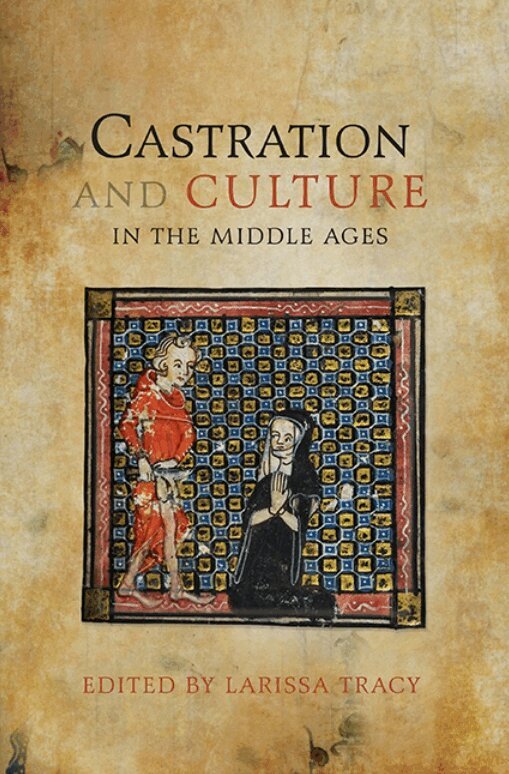
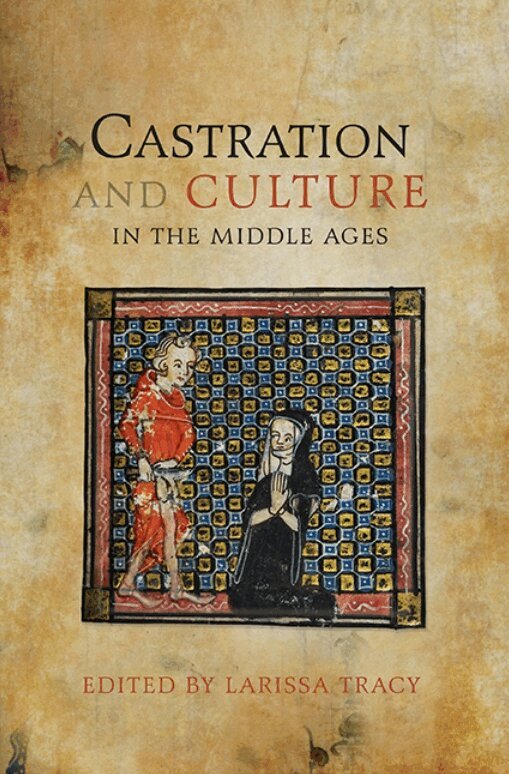
Essays exploring medieval castration, as reflected in archaeology, law, historical record, and literary motifs.Castration and castrati have always been facets of western culture, from myth and legend to law and theology, from eunuchs guarding harems to the seventeenth- and eighteenth-century castrati singers. Metaphoric castration pervadesa number of medieval literary genres, particularly the Old French fabliaux - exchanges of power predicated upon the exchange or absence of sexual desire signified by genitalia - but the plain, literal act of castration and its implications are often overlooked.This collection explores this often taboo subject and its implications for cultural mores and custom in Western Europe, seeking to demystify and demythologize castration. Its subjects includearchaeological studies of eunuchs; historical accounts of castration in trials of combat; the mutilation of political rivals in medieval Wales; Anglo-Saxon and Frisian legal and literary examples of castration as punishment; castration as comedy in the Old French fabliaux; the prohibition against genital mutilation in hagiography; and early-modern anxieties about punitive castration enacted on the Elizabethan stage. The introduction reflects on these topics in the context of arguably the most well-known victim of castration in the middle ages, Abelard. LARISSA TRACY is Associate Professor of Medieval Literature at Longwood University.Contributors: Larissa Tracy, Kathryn Reusch, Shaun Tougher, Jack Collins, Rolf H. Bremmer Jr, Jay Paul Gates, Charlene M. Eska, Mary A. Valante, Anthony Adams, Mary E. Leech, Jed Chandler, Ellen Lorraine Friedrich, Robert L.A. Clark, Karin Sellberg, LenaWånggren
385 kr
Skickas inom 7-10 vardagar
A new look at the way in which medieval European literature depicts torture and brutality.An ugly subject, but one that needs to be treated thoroughly and comprehensively, with a discreet wit and no excessive relish. These needs are richly satisfied in Larissa Tracy's bold and important book. DEREK PEARSALL, Professor Emeritus, Harvard University.Torture - that most notorious aspect of medieval culture and society - has evolved into a dominant mythology, suggesting that the Middle Ages was a period during which sadistic torment was inflicted on citizens with impunity and without provocation: popular museums displaying such gruesome implements as the rack, the strappado, the gridiron, the wheel, and the Iron Maiden can be found in many modern European cities. These lurid images of medieval torture have re-emerged within recent discussions on American foreign policy and the introduction of torture legislation as a weapon in the "War on Terror", and raised questions about its history and reality, particularly given its proliferation in some literary genres and its relative absence in others.This book challenges preconceived ideas about the prevalence of torture and judicial brutality in medieval society by arguing that their portrayal in literature is not mimetic. Instead, it argues that the depictions of torture and brutality represent satire, critique and dissent; they have didactic and political functions in opposing the status quo. Torture and brutality are intertextual literary motifs that negotiate cultural anxieties of national identity; by situating these practices outside their own boundaries in the realm of the barbarian "Other", medieval and early-modern authors define themselves and their nations in opposition to them. Works examined range from Chaucer to the Scandinavian sagas to Shakespeare, enabling a true comparative approach to be taken.
908 kr
Tillfälligt slut
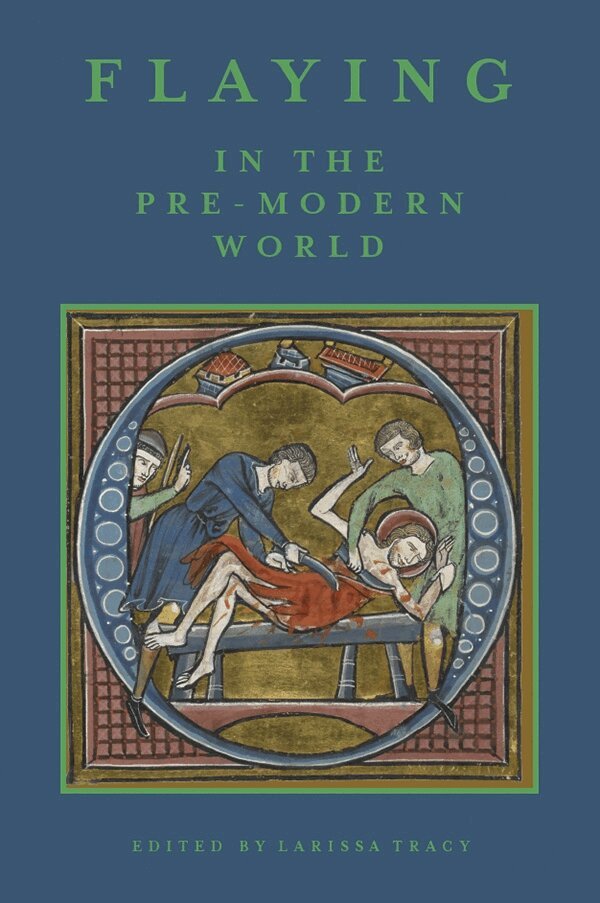
The practice and the representation of flaying in the middle ages and after are considered in this provocative collection.Skin is the parchment upon which identity is written; class, race, ethnicity, and gender are all legible upon the human surface. Removing skin tears away identity, and leaves a blank slate upon which law, punishment, sanctity, ormonstrosity can be inscribed; whether as an act of penal brutality, as a comic device, or as a sign of spiritual sacrifice, it leaves a lasting impression about the qualities and nature of humanity. Flaying often functioned as animaginative resource for medieval and early modern artists and writers, even though it seems to have been rarely practiced in reality.From images of Saint Bartholomew holding his skin in his arms, to scenes of execution in Havelok the Dane, to laws that prescribed it as a punishment for treason, this volume explores the idea and the reality of skin removal - flaying - in the Middle Ages. It interrogates the connection between reality and imagination in depictions of literal skin removal, rather than figurative or theoretical interpretations of flaying, and offers a multilayered view of medieval and early modern perceptions of flaying and its representations in Europeanculture. Its two parts consider practice and representation, capturing the evolution of flaying as both an idea and a practice in the premodern world.Larissa Tracy is Associate Professor, Longwood University.Contributors: Frederika Bain, Peter Dent, Kelly DeVries, Valerie Gramling, Perry Neil Harrison, Jack Hartnell, Emily Leverett, Michael Livingston, Sherry C.M. Lindquist, Asa Mittman, Mary Rambaran-Olm, William Sayers, Christine Sciacca, Susan Small, Larissa Tracy, Renée Ward
421 kr
Skickas inom 7-10 vardagar
Essays exploring medieval castration, as reflected in archaeology, law, historical record, and literary motifs.Castration and castrati have always been facets of western culture, from myth and legend to law and theology, from eunuchs guarding harems to the seventeenth- and eighteenth-century castrati singers. Metaphoric castration pervadesa number of medieval literary genres, particularly the Old French fabliaux - exchanges of power predicated upon the exchange or absence of sexual desire signified by genitalia - but the plain, literal act of castration and its implications are often overlooked.This collection explores this often taboo subject and its implications for cultural mores and custom in Western Europe, seeking to demystify and demythologize castration. Its subjects includearchaeological studies of eunuchs; historical accounts of castration in trials of combat; the mutilation of political rivals in medieval Wales; Anglo-Saxon and Frisian legal and literary examples of castration as punishment; castration as comedy in the Old French fabliaux; the prohibition against genital mutilation in hagiography; and early-modern anxieties about punitive castration enacted on the Elizabethan stage. The introduction reflects on these topics in the context of arguably the most well-known victim of castration in the middle ages, Abelard. Larissa Tracy is Associate Professor of Medieval Literature at Longwood University.Contributors: Larissa Tracy, Kathryn Reusch, Shaun Tougher, Jack Collins, Rolf H. Bremmer Jr, Jay Paul Gates, Charlene M. Eska, Mary A. Valante, Anthony Adams, Mary E. Leech, Jed Chandler, Ellen Lorraine Friedrich, Robert L.A. Clark, Karin Sellberg, LenaWånggren
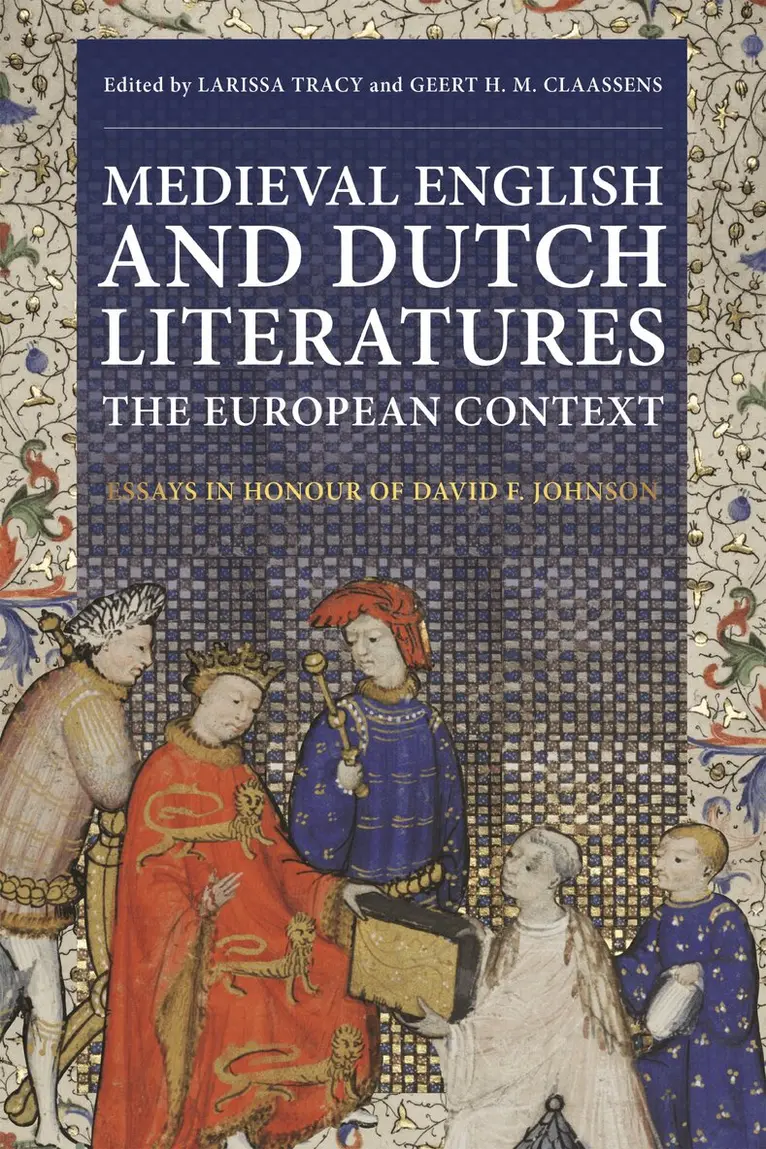
Medieval English and Dutch Literatures: the European Context
Essays in Honour of David F. Johnson
Inbunden, Engelska, 2022
1 613 kr
Skickas inom 7-10 vardagar
This collection honours the scholarship of Professor David F. Johnson, exploring the wider view of medieval England and its cultural contracts with the Low Countries, and highlighting common texts, motifs, and themes across the textual traditions of Old English and later medieval romances in both English and Middle Dutch.Few scholars have contributed as much to the wider view of medieval England and its cultural contacts with the Low Countries than Professor David F. Johnson. His wide-ranging scholarship embraces both the textual traditions of Old English, especially in manuscript production, and later medieval romances in both English and Middle Dutch, highlighting their common texts, motifs, and themes. Taking Johnson's work as its starting point and model, the essays collected here investigate early English manuscript production and preservation, illuminating the complexities of reinterpreting Old English poetry, particularly Beowulf, and then go on to pursue those nuances through later English and Middle Dutch Arthurian romances and drama, including Sir Gawain and the Green Knight, The Canterbury Tales, and the Roman van Walewein. They explore a plethora of material, including early medieval textual traditions and stone sculpture, and draw on a range of approaches, such as Body and Disability Theories. Overall, the aim is to bring multiple disciplines into dialogue with each other, in order to present a richer and more nuanced view of the medieval literary past and cross-cultural contact between England and the Low Countries, from the pre-Conquest period to the late-Middle Ages, thus forming a most appropriate tribute to Professor Johnson's pioneering work.
Del 7 - Medieval and Renaissance Authors and Texts
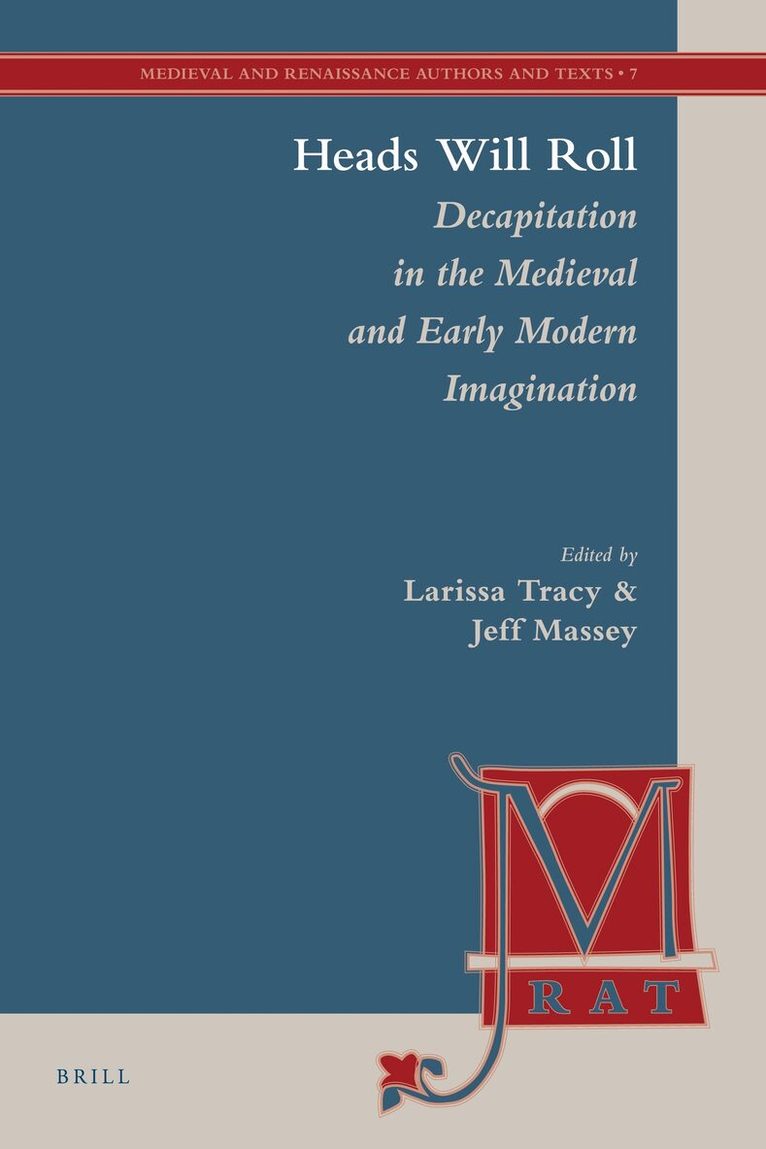
Heads Will Roll
Decapitation in the Medieval and Early Modern Imagination
Inbunden, Engelska, 2012
3 512 kr
Skickas inom 5-8 vardagar
The decapitation motif recurs in nearly all medieval and early modern genres, from saints' lives and epics to comedies and romances, yet decollation is often little regarded, save as a marker of humanity (that is, as the moment mortality exits) or inhumanity (that is, as the moment the supernatural enters). However, as a seat of reason, wisdom, and even the soul, the head has long been afforded a special place in the body politic, even when separated from its body proper. Capitalizing upon the enduring fascination with decapitation in European culture, this collection examines--through a variety of critical lenses--the recurring "roles/rolls" of severed human heads in the medieval and early modern imagination.Contributors are Nicola Masciandaro, Mark Faulkner, Jay Paul Gates, Christine Cooper-Rompato, Dwayne Coleman, Mary Leech, Tina Boyer, Renée Ward, Andrew Fleck, Thomas Herron, Thea Cervone, and Asa Simon Mittman. Preface by Jeffrey Jerome Cohen.
Del 1 - Explorations in Medieval Culture
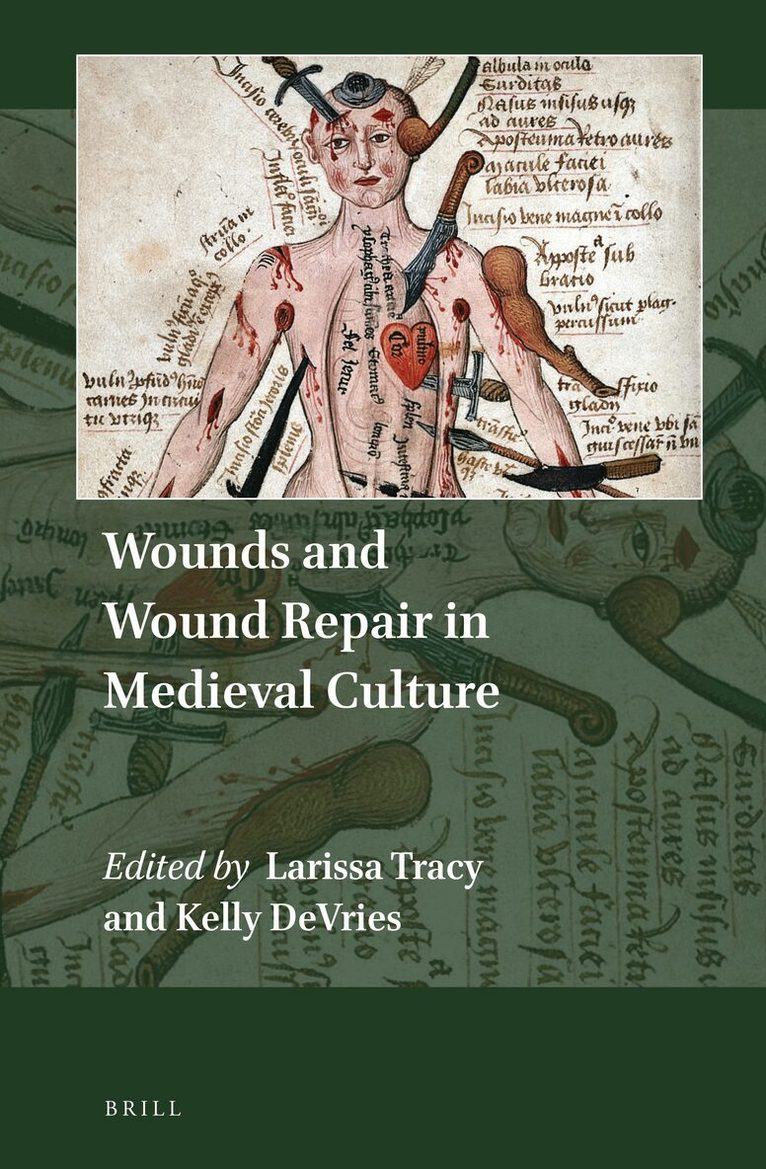
Wounds and Wound Repair in Medieval Culture
Inbunden, Engelska, 2015
3 909 kr
Skickas inom 5-8 vardagar
The spectacle of the wounded body figured prominently in the Middle Ages, from images of Christ’s wounds on the cross, to the ripped and torn bodies of tortured saints who miraculously heal through divine intervention, to graphic accounts of battlefield and tournament wounds—evidence of which survives in the archaeological record—and literary episodes of fatal (or not so fatal) wounds. This volume offers a comprehensive look at the complexity of wounding and wound repair in medieval literature and culture, bringing together essays from a wide range of sources and disciplines including arms and armaments, military history, medical history, literature, art history, hagiography, and archaeology across medieval and early modern Europe.Contributors are Stephen Atkinson, Debby Banham, Albrecht Classen, Joshua Easterling, Charlene M. Eska, Carmel Ferragud, M.R. Geldof, Elina Gertsman, Barbara A. Goodman, Máire Johnson, Rachel E. Kellett, Ilana Krug, Virginia Langum, Michael Livingston, Iain A. MacInnes, Timothy May, Vibeke Olson, Salvador Ryan, William Sayers, Patricia Skinner, Alicia Spencer-Hall, Wendy J. Turner, Christine Voth, and Robert C. Woosnam-Savage.
Del 10 - Explorations in Medieval Culture
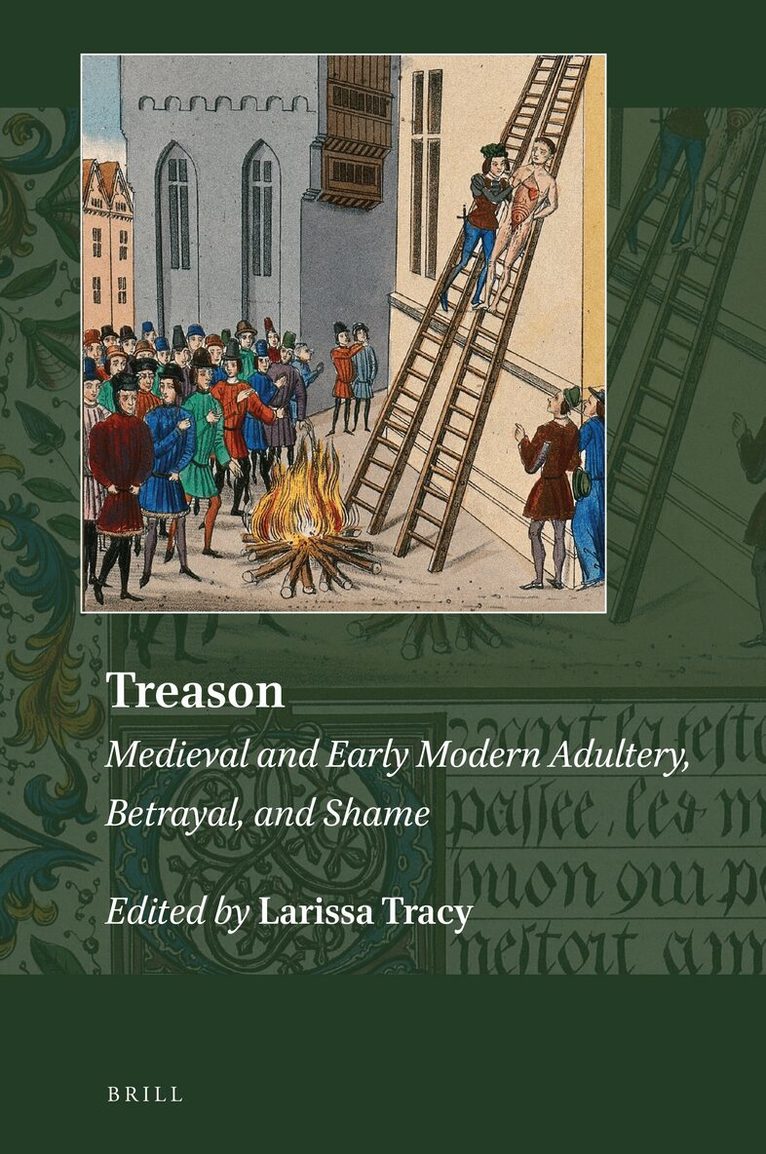
Treason
Medieval and Early Modern Adultery, Betrayal, and Shame
Inbunden, Engelska, 2019
2 492 kr
Skickas inom 5-8 vardagar
The willingness to betray one’s country, one’s people, one’s family—to commit treason and foreswear loyalty to one entity by giving it to another—is a difficult concept for many people to comprehend. Yet, societies have grappled with treason for centuries; the motivations, implications, and consequences are rarely clear cut and are often subjective. Set against the framework of modern political concerns, Treason: Medieval and Early Modern Adultery, Betrayal, and Shame considers the various forms of treachery in a variety of sources, including literature, historical chronicles, and material culture creating a complex portrait of the development of this high crime. Larissa Tracy artfully brings together younger critics as well as seasoned scholars in a compelling and topical conversation on treason.Contributors are Frank Battaglia, Dianne Berg, Tina Marie Boyer, Albrecht Classen, Sam Claussen, Freddy C. Domínguez, Melissa Ridley Elmes, Ana Grinberg, Iain A. MacInnes, Inna Matyushina, Sally Shockro, Susan Small, Peter Sposato, Sarah J. Sprouse, Daniel Thomas, and Larissa Tracy.