
LaRose T. Parris - Böcker
Visar alla böcker från författaren LaRose T. Parris. Handla med fri frakt och snabb leverans.
3 produkter
3 produkter
838 kr
Skickas inom 7-10 vardagar
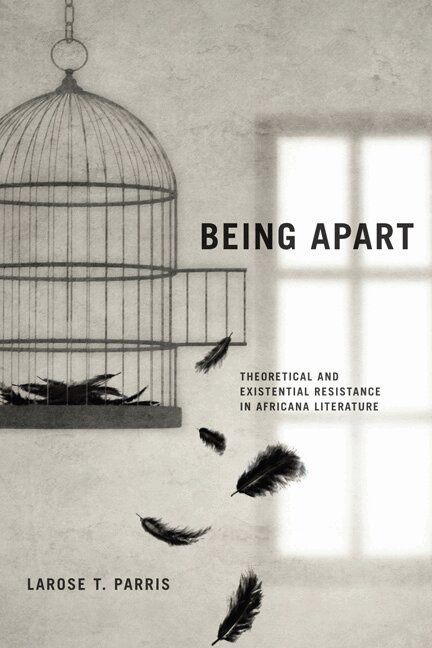
In Being Apart, LaRose Parris draws on traditional and radical Western theory to emphasize how nineteenth- and twentieth-century Africana thinkers explored the two principal existential themes of being and freedom prior to existentialism's rise to prominence in postwar European thought. Emphasizing diasporic connections among the works of authors from the United States, the Caribbean, and the African continent, Parris argues that the ontological and phenomenological ruminations of writers such as David Walker, Frederick Douglass, W. E. B. Du Bois, C. L. R. James, Frantz Fanon, and Kamau Brathwaite not only challenge the assigned historical and epistemological marginality of Africana people but also defy current canonical demarcations.
- Nyhet
888 kr
Kommande
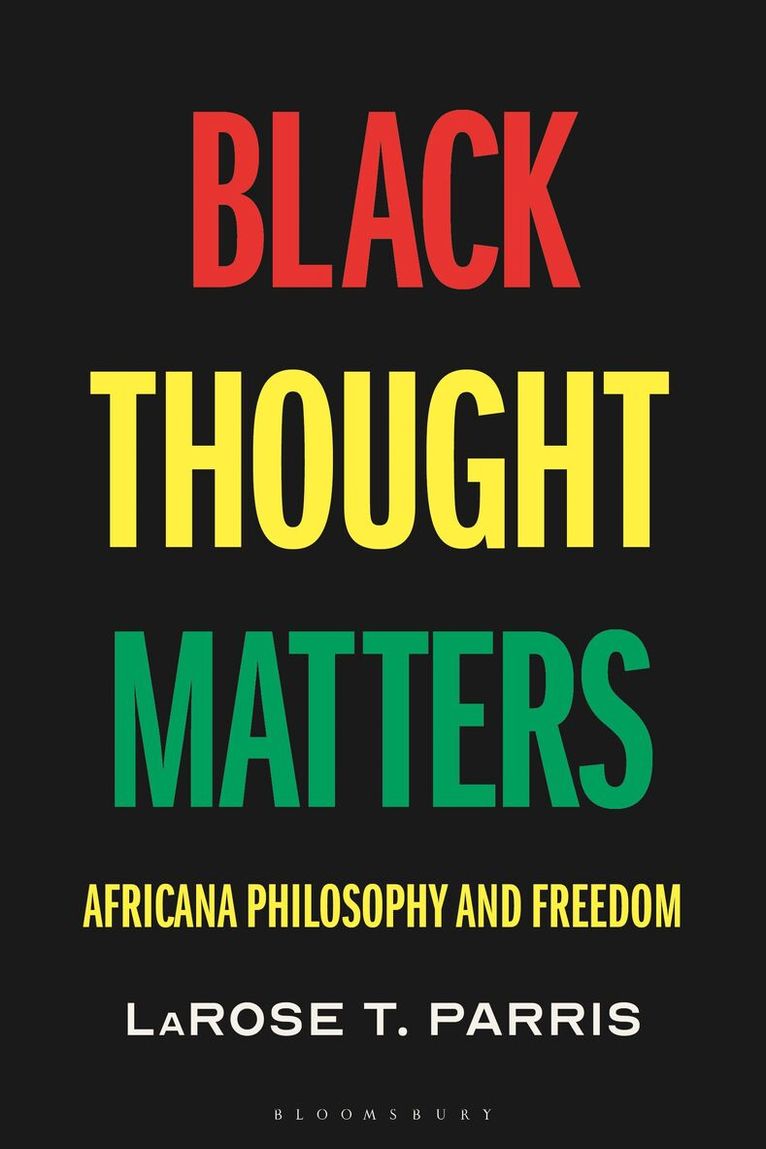
The profound influence of Afro diasporic and African philosophy has been mostly either silenced or dismissed in Western thought. In Black Thought Matters, LaRose T. Parris traces the early production of philosophical thought on the African continent and in doing so disrupts the Eurocentric, hegemonic paradigm of the Enlightenment.This book, in proclaiming that black thought matters, is an act of political and ideological defiance. It argues for Africana philosophy’s centrality to the genesis and movement of global ideas and asserts an allegiance with global liberation efforts repudiating Black dehumanization, criminalization, and extermination through state-sponsored police murder. This transnational struggle has shifted geo-political activism towards a reckoning with white supremacy’s hegemonic, anti-human agenda. What is more, affirming Black thought’s relevance announces a commitment to the import of Africana thinkers whose work laid the foundation for Black Lives Matter’s ethical and political mission: to emphasize the intrinsic value of Black life and struggle to advance a radical egalitarianism wherein all lives truly matter. To promote such egalitarianism, Africana philosophy must be embraced as indispensable to this charge since it purposefully expounds upon two of egalitarianism’s principal aims: human enlightenment and freedom.Black Thought Matters provides the philosophical, historical, and political evidence supporting the need for widespread recognition – not wilful dismissal – of Africana thinkers’ answers to the persistent problems of epistemic erasure, unfreedom, and systemic inequality that continue to diminish the value of human life.
- Nyhet
278 kr
Kommande
The profound influence of Afro diasporic and African philosophy has been mostly either silenced or dismissed in Western thought. In Black Thought Matters, LaRose T. Parris traces the early production of philosophical thought on the African continent and in doing so disrupts the Eurocentric, hegemonic paradigm of the Enlightenment.This book, in proclaiming that black thought matters, is an act of political and ideological defiance. It argues for Africana philosophy’s centrality to the genesis and movement of global ideas and asserts an allegiance with global liberation efforts repudiating Black dehumanization, criminalization, and extermination through state-sponsored police murder. This transnational struggle has shifted geo-political activism towards a reckoning with white supremacy’s hegemonic, anti-human agenda. What is more, affirming Black thought’s relevance announces a commitment to the import of Africana thinkers whose work laid the foundation for Black Lives Matter’s ethical and political mission: to emphasize the intrinsic value of Black life and struggle to advance a radical egalitarianism wherein all lives truly matter. To promote such egalitarianism, Africana philosophy must be embraced as indispensable to this charge since it purposefully expounds upon two of egalitarianism’s principal aims: human enlightenment and freedom.Black Thought Matters provides the philosophical, historical, and political evidence supporting the need for widespread recognition – not wilful dismissal – of Africana thinkers’ answers to the persistent problems of epistemic erasure, unfreedom, and systemic inequality that continue to diminish the value of human life.