Larry Alan Busk - Böcker
Visar alla böcker från författaren Larry Alan Busk. Handla med fri frakt och snabb leverans.
3 produkter
3 produkter
434 kr
Skickas inom 10-15 vardagar
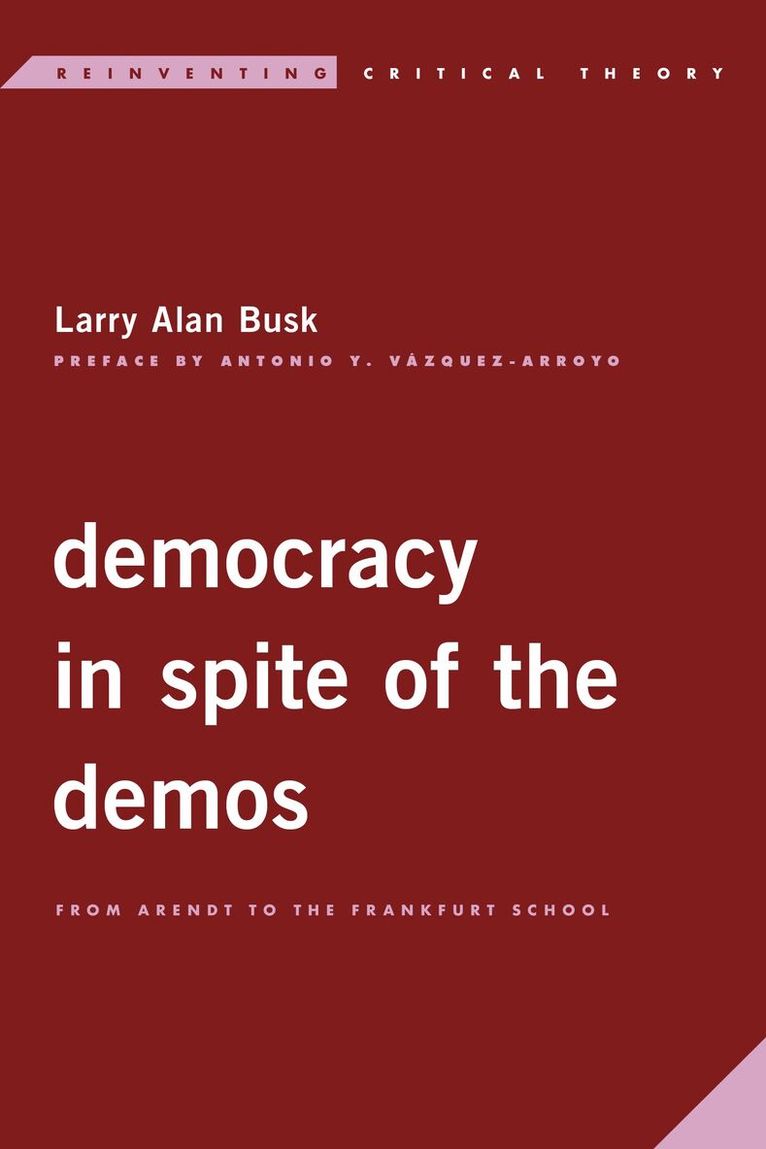
The value of democracy is taken for granted today, even by those interested in criticizing the fundamental structures of society. Things would be better, the argument goes, if only things were more democratic. The word “democracy” means “the power of the people,” and scholars with a critical and progressive outlook often invoke this meaning as a way of justifying the honorific status accorded to the term: the power of the people to resist racism, sexism, imperialism, climate change, etc. But if the people have the power to resist these structures of domination and inequality, they also have the power to reinforce them. By treating democracy as an end in itself, political theorists of a critical bent overwhelmingly assume that the demos, if given the opportunity, will advance progressive or even radical politics. But given the recent successes of right-wing populism, and the persistence of pathological views such as climate skepticism, is this assumption still warranted? If not, then can democracy really save us?
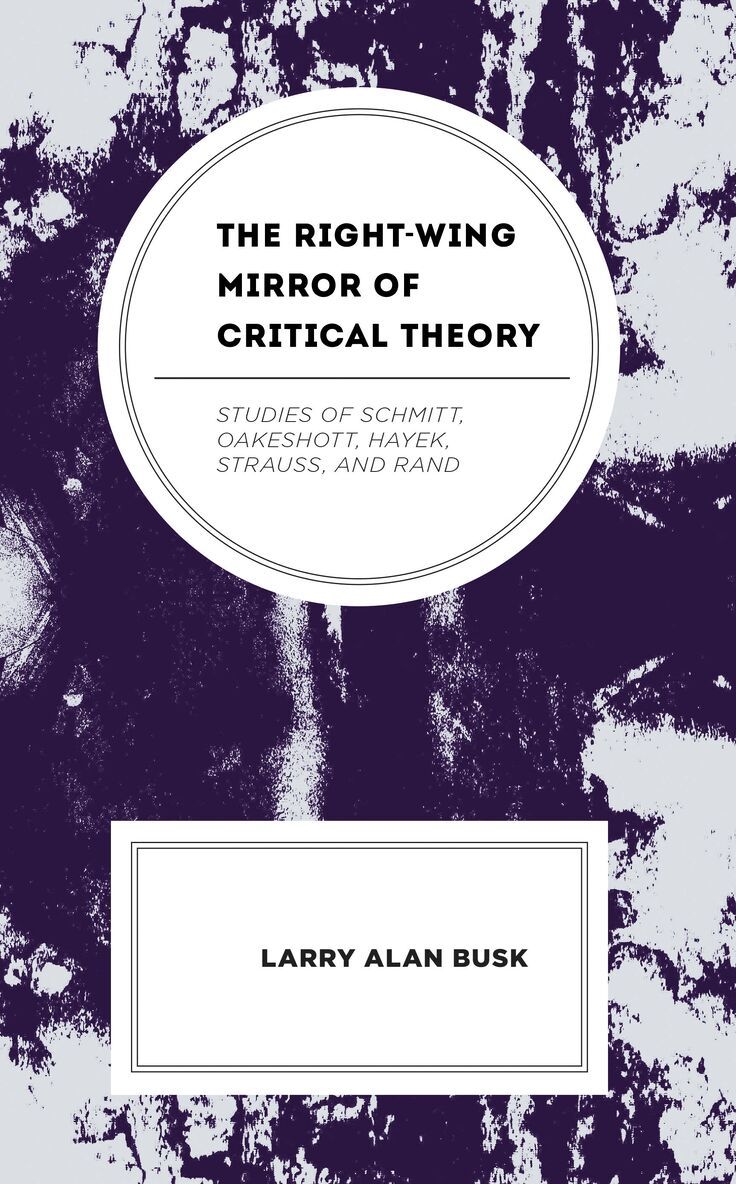
Right-Wing Mirror of Critical Theory
Studies of Schmitt, Oakeshott, Hayek, Strauss, and Rand
Inbunden, Engelska, 2023
1 142 kr
Skickas inom 10-15 vardagar
What really separates emancipatory thinking from its opposite? The prevailing Left defines itself against neoliberalism, conservative traditionalism, and fascism as a matter of course. The philosophical differences, however, may be more apparent than real. The Right-Wing Mirror of Critical Theory argues that dominant trends in critical and radical theory inadvertently reproduce the cardinal tenets of the twentieth century’s most influential right-wing philosophers. It finds the rejection of foundationalism, rationalism, economic planning, and vanguardism mirrored in the work of Schmitt, Oakeshott, Hayek, and Strauss. If it is to be more than merely an inverted image of the Right, critical theory must reevaluate its relationship to what Julius Nyerere once called “deliberate design” in politics. In the era of anthropogenic climate change, a substantial—not merely nominal—departure from right-wing talking points is all the more necessary and momentous.
1 476 kr
Skickas inom 10-15 vardagar
The value of democracy is taken for granted today, even by those interested in criticizing the fundamental structures of society. Things would be better, the argument goes, if only things were more democratic. The word “democracy” means “the power of the people,” and scholars with a critical and progressive outlook often invoke this meaning as a way of justifying the honorific status accorded to the term: the power of the people to resist racism, sexism, imperialism, climate change, etc. But if the people have the power to resist these structures of domination and inequality, they also have the power to reinforce them. By treating democracy as an end in itself, political theorists of a critical bent overwhelmingly assume that the demos, if given the opportunity, will advance progressive or even radical politics. But given the recent successes of right-wing populism, and the persistence of pathological views such as climate skepticism, is this assumption still warranted? If not, then can democracy really save us?