Larry F. Norman - Böcker
Visar alla böcker från författaren Larry F. Norman. Handla med fri frakt och snabb leverans.
5 produkter
5 produkter
569 kr
Skickas inom 7-10 vardagar
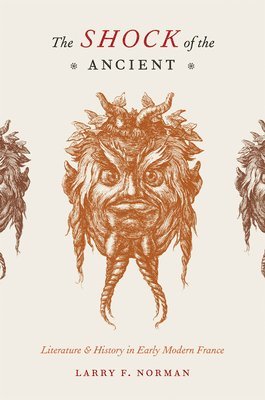
The cultural battle known as the Quarrel of the Ancients and Moderns has most often been depicted as pitting antiquarian conservatives against the insurgent critics of established authority. One of the most public controversies of early modern Europe, the Quarrel served as a sly cover for more deeply opposed views about the value of literature and the arts. "The Shock of the Ancient" turns the canonical vision of those events on its head by demonstrating how the defenders of Greek literature - rather than clinging to an outmoded tradition - celebrated the radically different practices of the ancient world. At a time when the constraints of decorum and the politics of French absolutism quashed the expression of cultural differences, the ancient world presented a disturbing face of otherness. Larry F. Norman explores how the authoritative status of ancient Greek texts allowed them to justify literary depictions of the scandalous. "The Shock of the Ancient" surveys the diverse array of aesthetic models presented in these ancient works and considers how they both helped to undermine the rigid codes of neoclassicism and pave the way for the innovative philosophies of the Enlightenment.Broadly appealing to students of European literature, art history, and philosophy, this book is an important contribution to early modern literary and cultural debates.
818 kr
Tillfälligt slut
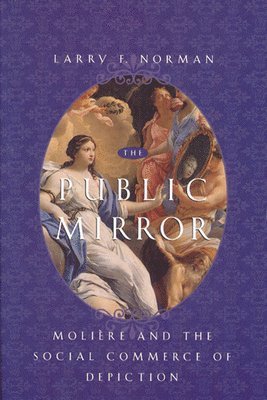
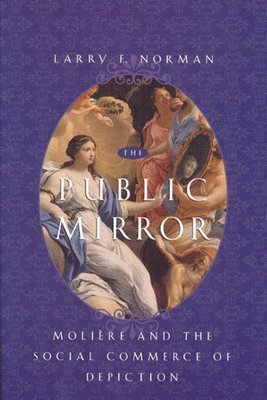
Though much beloved and widely produced, Moliere's satirical comedies pose a problem for those reading or staging his works today: how can a genre associated with biting caricature and castigation deliver engaging theatre? Instead of simply dismissing social satire as a foundation for Moliere's theatre, Larry F. Norman takes seriously Moliere's claim that his satires are first and foremost effective theatre. Pairing close readings of Moliere's comedies with accounts of French social history and aesthetics, Norman shows how Moliere perceived satire as a "public mirror" provoking dynamic exchange and conflict with audience members obsessed with their own images. Drawing on these tensions, Moliere portrays characters satirizing one another on stage, with their reactions providing dramatic conflict and propelling comic dialogue. By laying bare his society's system of imagining itself, Moliere's satires both enthralled and enraged his original audience and provide us with a crucial key to the classical culture of representation.
325 kr
Skickas inom 7-10 vardagar
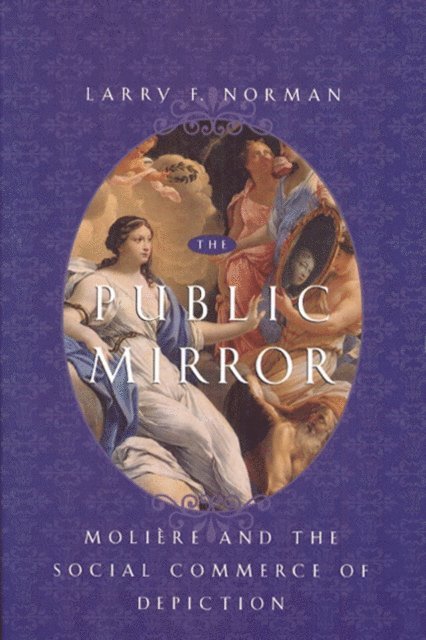
Though much beloved and widely produced, Moliere's satirical comedies pose a problem for those reading or staging his works today: how can a genre associated with biting caricature and castigation deliver engaging theatre? Instead of simply dismissing social satire as a foundation for Moliere's theatre, Larry F. Norman takes seriously Moliere's claim that his satires are first and foremost effective theatre. Pairing close readings of Moliere's comedies with accounts of French social history and aesthetics, Norman shows how Moliere perceived satire as a "public mirror" provoking dynamic exchange and conflict with audience members obsessed with their own images. Drawing on these tensions, Moliere portrays characters satirizing one another on stage, with their reactions providing dramatic conflict and propelling comic dialogue. By laying bare his society's system of imagining itself, Moliere's satires both enthralled and enraged his original audience and provide us with a crucial key to the classical culture of representation.
188 kr
Skickas inom 7-10 vardagar
The late 16th and 17th centuries are frequently labelled the age of theatre. Throughout western Europe, the dramatic arts attained new heights of cultural prestige, political importance and commercial success. This series of essays investigates the dialogue between the newly invigorated theatre and the plastic arts. Discussed are the interactions between spectator and spectacle, social performance and the staging of the individual, the shaping of space and time, and the debates over the relationship that visual and theatrical representations have to the objects they portray.
253 kr
Skickas inom 7-10 vardagar
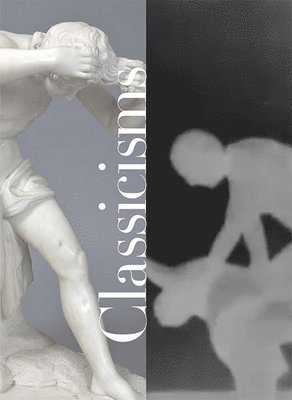
As an aesthetic ideal, classicism is often associated with a conventional set of rules founded on supposedly timeless notions such as order, reason, and decorum. As a result, it is sometimes viewed as rigid, outdated, or stodgy. But in actuality, classicism is far from a stable concept throughout history, it has given rise to more debate than consensus, and at times has been put to use for subversive ends. With contributions from an interdisciplinary group of scholars, this volume explodes the idea of classicism as an unchanging ideal. The essays trace the shifting parameters of classicism from antiquity to the twentieth century, documenting an exhibition of seventy objects in various media from the collection of the Smart Museum of Art and other American and international institutions. With its impressive historical and conceptual reach from ancient literature to contemporary race relations and beyond this colorfully illustrated book is a dynamic exploration of classicism as a fluctuating stylistic and ideological category.