Larry M. Bartels – författare
Visar alla böcker från författaren Larry M. Bartels. Handla med fri frakt och snabb leverans.
19 produkter
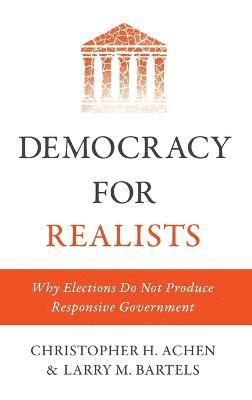
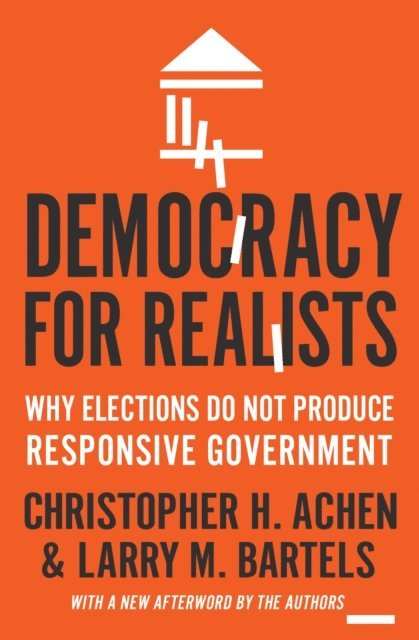
Democracy for Realists
Why Elections Do Not Produce Responsive Government
Av Christopher H. Achen, Larry M. Bartels
Inbunden, 2016
4,0 utav 5 stjärnor. Totalt antal röster: (1)
263 kr
Lägg i varukorg
Democracy for Realists assails the romantic folk-theory at the heart of contemporary thinking about democratic politics and government, and offers a provocative alternative view grounded in the actual human nature of democratic citizens. Christopher Achen and Larry Bartels deploy a wealth of …
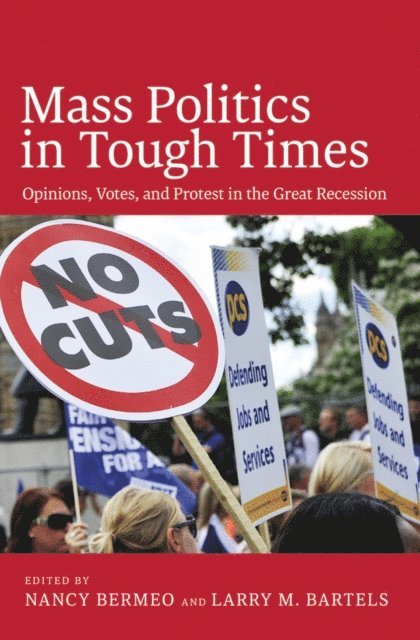
Mass Politics in Tough Times
Opinions, Votes, and Protest in the Great Recession
Av Larry M. Bartels, Nancy Bermeo
E-bok, 2013
505 kr
Lägg i varukorg
The impact of the Great Depression on politics in the 1930s was both transformative and shocking. The role of government in America was forever transformed, and across Europe socialist, communist, and fascist parties saw their support skyrocket. Most famously, the National Socialists seized power …
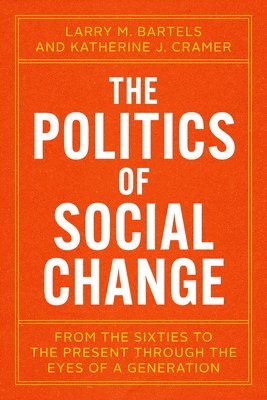
Politics of Social Change
From the Sixties to the Present Through the Eyes of a Generation
Av Larry M. Bartels, Katherine J. Cramer
Inbunden, 2026
1020 kr
Lägg i varukorg
How did we get to this point in American politics? Drawing on insights from an unprecedented decades-long study of ordinary Americans’ political lives, this book tells the story of how, why, and when our politics fractured.Few time periods have been as defined by waves of monumental social change …
Politics of Social Change
From the Sixties to the Present Through the Eyes of a Generation
Av Larry M. Bartels, Katherine J. Cramer
Häftad, 2026
212 kr
Lägg i varukorg
How did we get to this point in American politics? Drawing on insights from an unprecedented decades-long study of ordinary Americans’ political lives, this book tells the story of how, why, and when our politics fractured.Few time periods have been as defined by waves of monumental social change …
Campaign Reform
Insights and Evidence
Av Lynn Vavreck Lewis, Larry M. Bartels
E-bok, 2010
700 kr
Lägg i varukorg
What is wrong with American political campaigns? How could the campaign process be improved? This volume brings the expertise of leading political scientists to the public debate about campaign reform. These scholars probe the reality behind the conventional wisdom that nasty, vacuous campaigns …
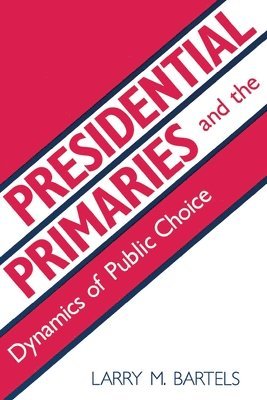
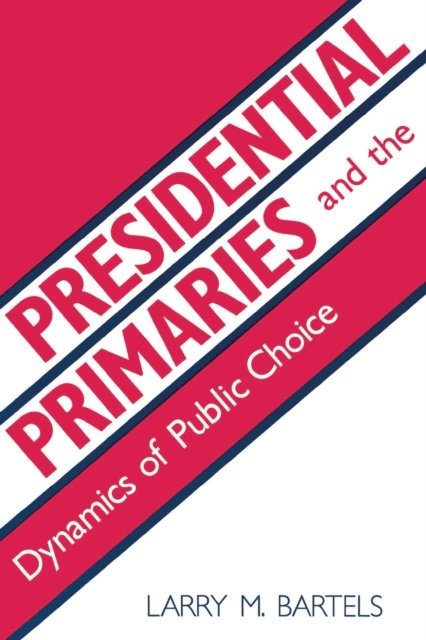
Presidential Primaries and the Dynamics of Public Choice
Häftad, 1988
1173 kr
Lägg i varukorg
This innovative study blends sophisticated statistical analyses, campaign anecdotes, and penetrating political insight to produce a fascinating exploration of one of America's most controversial political institutions--the process by which our major parties nominate candidates for the presidency. …
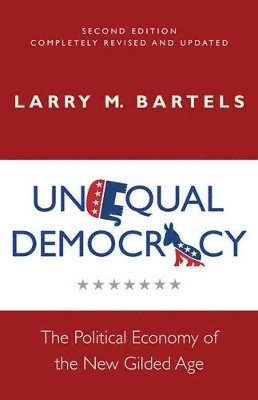
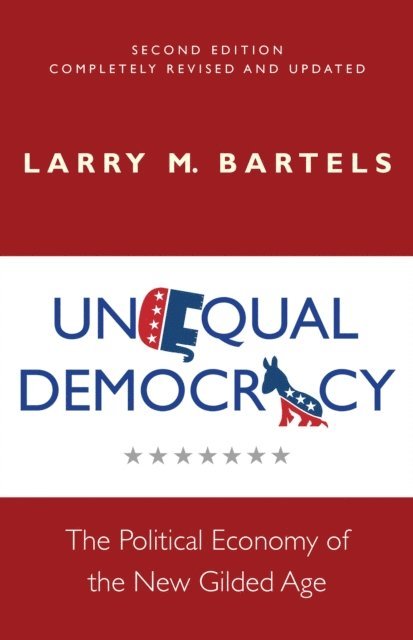
Unequal Democracy
The Political Economy of the New Gilded Age - Second Edition
Inbunden, 2016
366 kr
Lägg i varukorg
The first edition of Unequal Democracy was an instant classic, shattering illusions about American democracy and spurring scholarly and popular interest in the political causes and consequences of escalating economic inequality. This revised and expanded edition includes two new chapters on the …
Democracy for Realists
Why Elections Do Not Produce Responsive Government
Av Christopher H. Achen, Larry M. Bartels
Häftad, 2017
220 kr
Lägg i varukorg
Democracy for Realists assails the romantic folk-theory at the heart of contemporary thinking about democratic politics and government, and offers a provocative alternative view grounded in the actual human nature of democratic citizens. Christopher Achen and Larry Bartels deploy a wealth of …
Unequal Democracy
The Political Economy of the New Gilded Age - Second Edition
Häftad, 2018
203 kr
Lägg i varukorg
An acclaimed examination of how the American political system favors the wealthy—now fully revised and expandedThe first edition of Unequal Democracy was an instant classic, shattering illusions about American democracy and spurring scholarly and popular interest in the political causes and …
Presidential Primaries and the Dynamics of Public Choice
E-bok, 2020
884 kr
Lägg i varukorg
An illuminating look at how national political parties nominate presidential candidates This innovative study blends sophisticated statistical analyses, campaign anecdotes, and penetrating political insight to produce a fascinating exploration of one of America''s most controversial political …
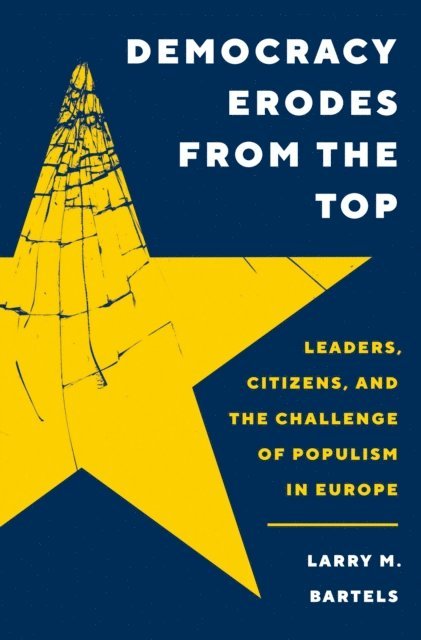
Democracy Erodes from the Top
Leaders, Citizens, and the Challenge of Populism in Europe
Inbunden, 2023
281 kr
Lägg i varukorg
Why leaders, not citizens, are the driving force in Europe’s crisis of democracyAn apparent explosion of support for right-wing populist parties has triggered widespread fears that liberal democracy is facing its worst crisis since the 1930s. Democracy Erodes from the Top reveals that the real …
Democracy Erodes from the Top
Leaders, Citizens, and the Challenge of Populism in Europe
E-bok, 2023
257 kr
Lägg i varukorg
Why leaders, not citizens, are the driving force in Europe’s crisis of democracy An apparent explosion of support for right-wing populist parties has triggered widespread fears that liberal democracy is facing its worst crisis since the 1930s. Democracy Erodes from the Top reveals that the real …
Democracy Erodes from the Top
Leaders, Citizens, and the Challenge of Populism in Europe
Häftad, 2024
195 kr
Lägg i varukorg
Why leaders, not citizens, are the driving force in Europe’s crisis of democracyAn apparent explosion of support for right-wing populist parties has triggered widespread fears that liberal democracy is facing its worst crisis since the 1930s. Democracy Erodes from the Top reveals that the real …
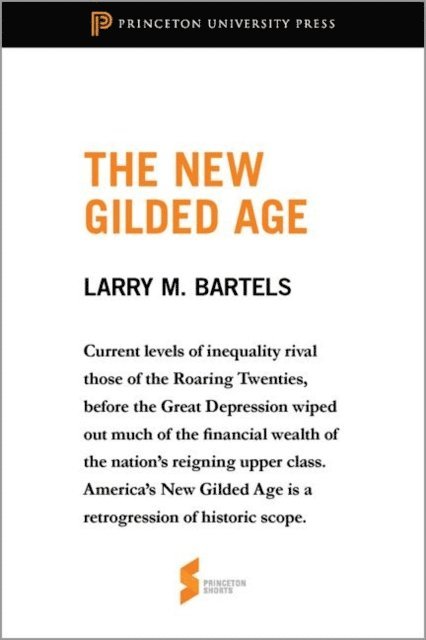
New Gilded Age
From Unequal Democracy
E-bok, 2012
43 kr
Lägg i varukorg
"We are the 99%" has quickly become the slogan of our political era as growing numbers of Americans express concern about the disappearing middle class and the ever-widening gap between the super-rich and everyone else. Has America really entered a New Gilded Age? What are the political …
Unequal Democracy
The Political Economy of the New Gilded Age - Second Edition
E-bok, 2016
271 kr
Lägg i varukorg
An acclaimed examination of how the American political system favors the wealthy—now fully revised and expanded The first edition of Unequal Democracy was an instant classic, shattering illusions about American democracy and spurring scholarly and popular interest in the political causes and …
Democracy for Realists
Why Elections Do Not Produce Responsive Government
Av Larry M. Bartels, Christopher H. Achen
E-bok, 2017
279 kr
Lägg i varukorg
Why our belief in government by the people is unrealistic—and what we can do about it Democracy for Realists assails the romantic folk-theory at the heart of contemporary thinking about democratic politics and government, and offers a provocative alternative view grounded in the actual human nature …
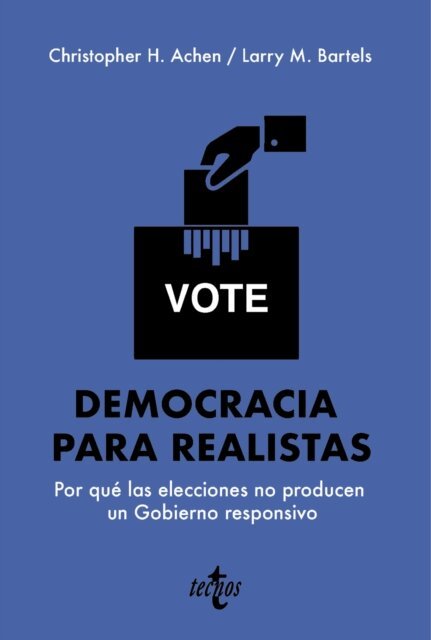
Democracia para realistas
Por que las elecciones no producen un Gobierno responsivo
Av Larry M. Bartels, Christopher H. Achen
E-bok, 2025
395 kr
Lägg i varukorg
Democracia para realistas arremete contra la romantica teoria vulgar en la que se asienta el pensamiento contemporaneo sobre politica y gobierno democraticos, ofreciendo una provocadora vision alternativa centrada en la naturaleza humana de los ciudadanos democraticos. Gracias a una amplia variedad …
Campaign Reform
Insights and Evidence
Av Larry M. Bartels, Lynn Vavreck Lewis
Häftad, 2000
457 kr
Tillfälligt slut
What is wrong with American political campaigns? How could the campaign process be improved? This volume brings the expertise of leading political scientists to the public debate about campaign reform. These scholars probe the reality behind the conventional wisdom that nasty, vacuous campaigns …
Campaign Reform
Insights and Evidence
Av Larry M. Bartels, Lynn Vavreck Lewis
Inbunden, 2000
1466 kr
Tillfälligt slut
What is wrong with American political campaigns? How could the campaign process be improved? This volume brings the expertise of leading political scientists to the public debate about campaign reform. These scholars probe the reality behind the conventional wisdom that nasty, vacuous campaigns …