Larry S. Temkin - Böcker
Visar alla böcker från författaren Larry S. Temkin. Handla med fri frakt och snabb leverans.
6 produkter
6 produkter
590 kr
Skickas inom 5-8 vardagar
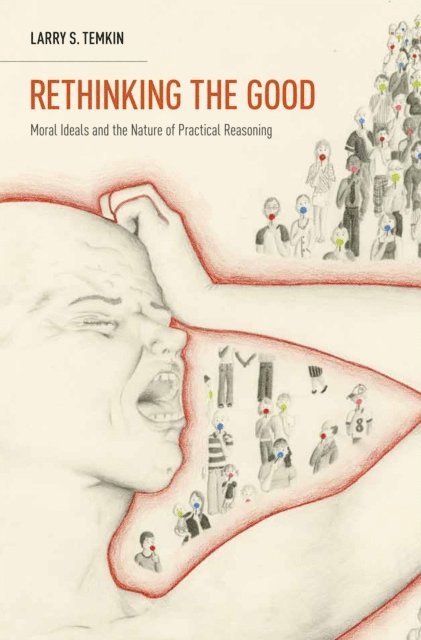
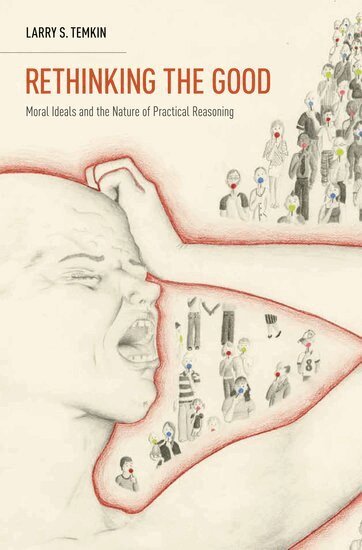
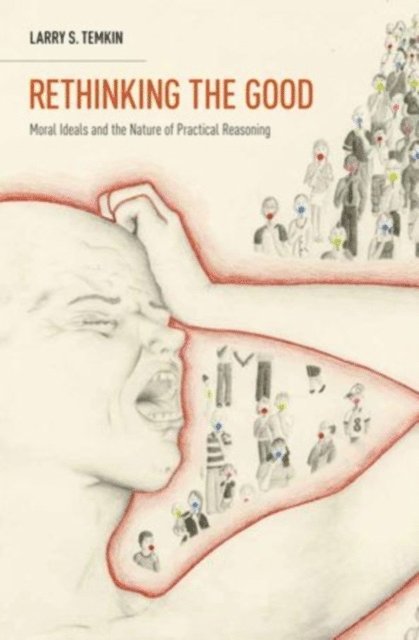
In choosing between moral alternatives -- choosing between various forms of ethical action -- we typically make calculations of the following kind: A is better than B; B is better than C; therefore A is better than C. These inferences use the principle of transitivity and are fundamental to many forms of practical and theoretical theorizing, not just in moral and ethical theory but in economics. Indeed they are so common as to be almost invisible. What Larry Temkin's book shows is that, shockingly, if we want to continue making plausible judgments, we cannot continue to make these assumptions. Temkin shows that we are committed to various moral ideals that are, surprisingly, fundamentally incompatible with the idea that "better than" can be transitive. His book develops many examples where value judgments that we accept and find attractive, are incompatible with transitivity. While this might seem to leave two options -- reject transitivity, or reject some of our normative commitments in order to keep it -- Temkin is neutral on which path to follow, only making the case that a choice is necessary, and that the cost either way will be high. Temkin's book is a very original and deeply unsettling work of skeptical philosophy that mounts an important new challenge to contemporary ethics.
549 kr
Skickas inom 7-10 vardagar
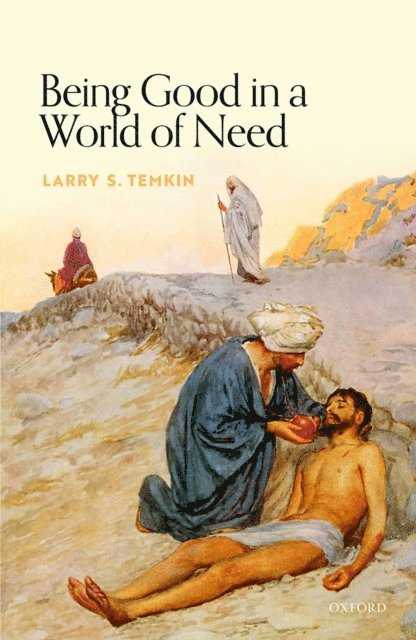
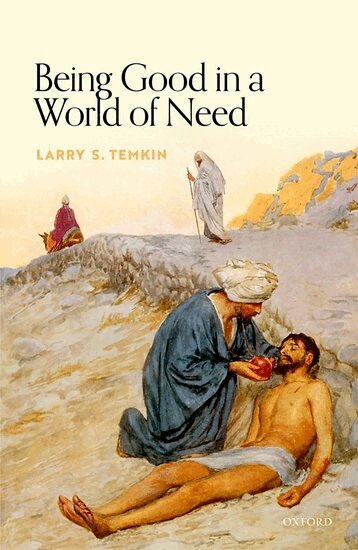
In a world filled with both enormous wealth and pockets of great devastation, how should the well-off respond to the world's needy? This is the urgent central question of Being Good in a World of Need. Larry S. Temkin, one of the world's foremost ethicists, challenges common assumptions about philanthropy, his own prior beliefs, and the dominant philosophical positions of Peter Singer and Effective Altruism. Filled with keen analysis and insightful discussions of philosophy, current events, development economics, history, literature, and age-old wisdom, this book is a thorough and sobering exploration of the complicated ways that global aid may incentivize disastrous policies, reward corruption, and foster “brain drains” that hinder social and economic development.Using real-world examples and illuminating thought experiments, Temkin discusses ethical imperialism, humanitarian versus developmental aid, how charities ignore or coverup negative impacts, replicability and scaling-up problems, and the views of the renowned economists Angus Deaton and Jeffrey Sachs, all within the context of deeper philosophical issues of fairness, responsibility, and individual versus collective morality. At times both inspiring and profoundly disturbing, he presents the powerful argument that neglecting the needy is morally impermissible, even as he illustrates that the path towards helping others is often fraught with complex ethical and practical perils. Steeped in empathy, morality, pathos, and humanity, this is an engaging and eye-opening text for any reader who shares an intense concern for helping others in need.
1 409 kr
Skickas inom 5-8 vardagar
In this book Larry Temkin examines the concepts of equality and inequality, and addresses one particular question in depth: how can we judge between different sorts of inequality? When is one inequality worse than another? Temkin shows that there are many different factors underlying and influencing our egalitarian judgements and that the notion of inequality is surprisingly complex. He looks at inequality as applied to individuals and to groups, and at the standard measures of inequality employed by economists and others, and considers whether inequality matters more in a poor society than a rich one. The arguments of non-egalitarians are also examined.Temkin's book presents a new way of thinking about equality and inequality which challenges the assumptions of philosophers, welfare economists, and others concerned with these notions on a practical as well as a theoretical level.
503 kr
Skickas inom 5-8 vardagar
Larry Temkin examines the concepts of equality and inequality, and addresses one particular question in depth: when is one inequality worse than another? He shows that there are many different factors underlying and influencing our egalitarian judgments and that the notion of inequality is surprisingly complex. He looks at inequality as applied to individuals and to groups, and considers whether inequality matters more in a poor society than a rich one. The arguments of non-egalitarians are also examined. Temkin presents a new way of thinking about equality and inequality which challenges the assumptions of philosophers, welfare economists, and others concerned with these notions on a practical as well as a theoretical level.
308 kr
Skickas inom 5-8 vardagar
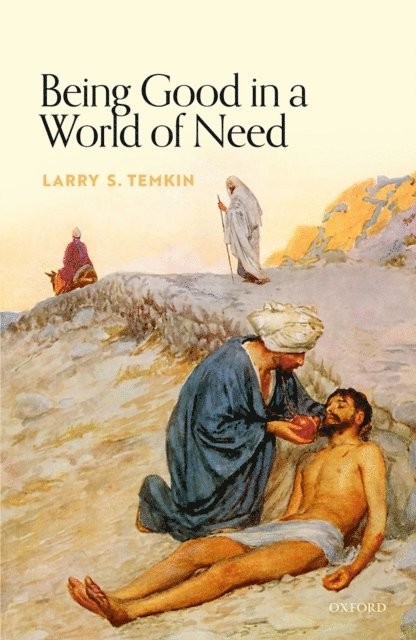
In a world filled with both enormous wealth and pockets of great devastation, how should the well-off respond to the world's needy?This is the urgent central question of Being Good in a World of Need. Larry S. Temkin, one of the world's foremost ethicists, challenges common assumptions about philanthropy, his own prior beliefs, and the dominant philosophical positions of Peter Singer and Effective Altruism. Filled with keen analysis and insightful discussions of philosophy, current events, development economics, history, literature, and age-old wisdom, this book is a thorough and sobering exploration of the complicated ways that global aid may incentivize disastrous policies, reward corruption, and foster "brain drains" that hinder social and economic development.Using real-world examples and illuminating thought experiments, Temkin discusses ethical imperialism, humanitarian versus developmental aid, how charities ignore or coverup negative impacts, replicability and scaling-up problems, and the views of the renowned economists Angus Deaton and Jeffrey Sachs, all within the context of deeper philosophical issues of fairness, responsibility, and individual versus collective morality. At times both inspiring and profoundly disturbing, he presents the powerful argument that neglecting the needy is morally impermissible, even as he illustrates that the path towards helping others is often fraught with complex ethical and practical perils. Steeped in empathy, morality, pathos, and humanity, this is an engaging and eye-opening text for any reader who shares an intense concern for helping others in need.
1 339 kr
Skickas inom 5-8 vardagar
In choosing between moral alternatives -- choosing between various forms of ethical action -- we typically make calculations of the following kind: A is better than B; B is better than C; therefore A is better than C. These inferences use the principle of transitivity and are fundamental to many forms of practical and theoretical theorizing, not just in moral and ethical theory but in economics. Indeed they are so common as to be almost invisible. What Larry Temkin's book shows is that, shockingly, if we want to continue making plausible judgments, we cannot continue to make these assumptions. Temkin shows that we are committed to various moral ideals that are, surprisingly, fundamentally incompatible with the idea that "better than" can be transitive. His book develops many examples where value judgments that we accept and find attractive, are incompatible with transitivity. While this might seem to leave two options -- reject transitivity, or reject some of our normative commitments in order to keep it -- Temkin is neutral on which path to follow, only making the case that a choice is necessary, and that the cost either way will be high. Temkin's book is a very original and deeply unsettling work of skeptical philosophy that mounts an important new challenge to contemporary ethics.