
Larry St.Clair – författare
Visar alla böcker från författaren Larry St.Clair. Handla med fri frakt och snabb leverans.
3 produkter
3 produkter
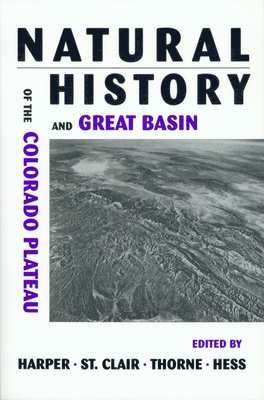
Häftad, Engelska, 1999
396 kr
Skickas inom 5-8 vardagar
The remote Colorado Plateau and Great Basin portions of the Intermountain West are areas of spectacular natural beauty and diversity. Due to inaccessibility, however, scientific study of many aspects of the region's natural history has lagged.Natural History of the Colorado Plateau and Great Basin provides an up-to-date summary of the region's geology, climates, and biology, including thorough treatments of the area's insects, fish, and reptiles. Also discussed are the ecology and distribution of prehistoric human cultures in the region; how modern humans have used (and abused) resources in the Intermountain West; and the impact of post-Pleistocene environmental changes on genetics of disjunct populations of conifer trees.Written by a diverse group of acknowledged experts, Natural History of the Colorado Plateau and Great Basin offers invaluable background information for all students and resource managers who want to work in or visit the Intermountain West.
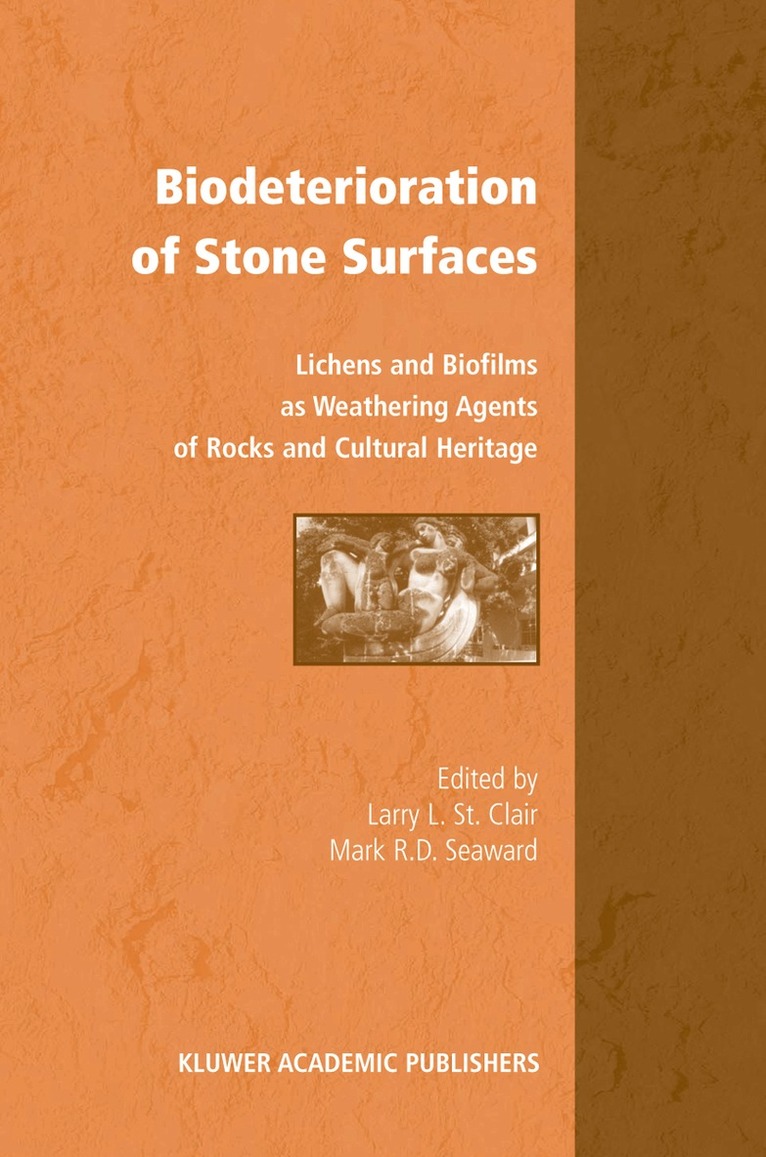
Inbunden, Engelska, 2004
2 158 kr
Skickas inom 10-15 vardagar
This is a timely volume in view of the considerable interest currently shown in the preservation of our cultural heritage, and the extensive and growing literature on the subject. Unfortunately, the latter is to be found in a wide variety of published sources, some aimed at a very specific readership and therefore not all that accessible to those who need this resource. The present volume draws together a spectrum of biodeterioration work from across the world to provide an overview of the materials examined and the methodologies employed to elucidate the nature of the problems, as well as an extensive and current bibliographical resource on lichen biodeterioration. Biodeterioration of historical and culturally important stone substrata is a complex problem to be addressed. Easy, risk-free solutions are simply not available to be dealt with by other than a wide range of expertise. Successful resolution of this issue will inevitably require a multidisciplinary effort, where biologists work in close cooperation with ecologists, geologists, geochemists, crystallographers, cultural property conservators, archaeologists, anthropologists, and historians in order to recommend the most effective management scheme. The advantage of this approach is obvious: multidisciplinary management teams with good leadership can ask more appropriate questions while developing much more thoughtful and informed decisions.
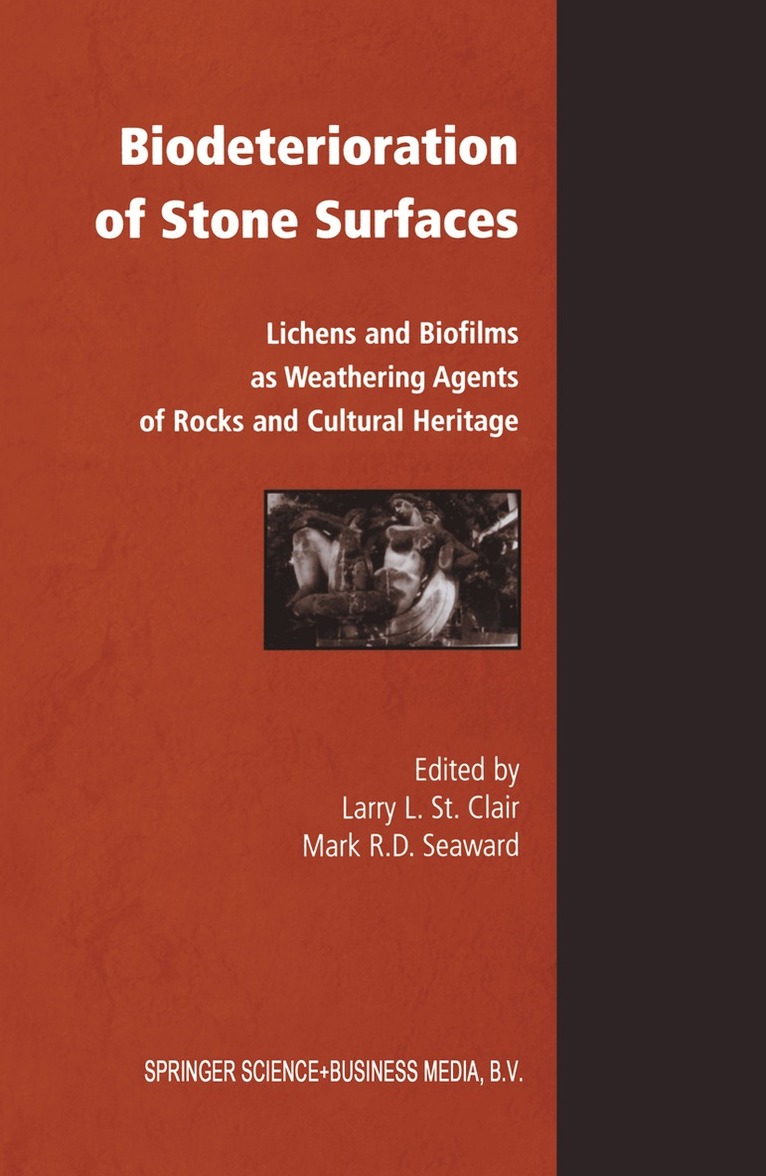
Häftad, Engelska, 2011
2 017 kr
Skickas inom 10-15 vardagar
This is a timely volume in view of the considerable interest currently shown in the preservation of our cultural heritage and the extensive and growing literature on the subject. Unfortunately, the latter is to be found in a wide variety of published sources, some aimed at a very specific readership. The present volume draws together a spectrum of biodeterioration work from across the world to provide an overview of the materials examined and the methodologies employed to elucidate the nature of the problems, as well as an extensive and current bibliographical resource on lichen biodeterioration. Generally, we do not think of rock surfaces as particularly conducive to the growth and development of living things. Occasionally, we may encounter grasses or forbs or even more rarely a small shrub or stunted tree growing from a crack in a large boulder or rock wall; but for most people, rock is perceived as dry, sterile, impenetrable, and generally uninviting.However, to the experienced eye rock surfaces are often teeming with life -- lichens, bryophytes, a host of small invertebrate animals, as well as a vast array of microscopic organisms including bacteria, cyanobacteria, algae and non-lichenized fungi. The longevity and structural stability of most rocks superficially suggest that rock surface inhabitants are benign; however, slowly and steadily all rock dwelling organisms contribute to the relentless decomposition of rock surfaces -- augmented by the natural physical forces associated with changing seasons, weather patterns, and in some localized settings the caustic effects of air pollution. Rock dwelling communities vary in complexity and composition depending on the specific structural and chemical features of the rock. Even human manipulated or manufactured stone supports to some degree a living community -- and herein are found the real issues and concerns related to biodeterioration of rock substrata.In a natural setting biodecomposition of rock is accepted as normal and even desirable -- integral to the process of soil development; however, in the human environment biodeterioration of monuments, buildings, artwork, statues and gravestones is counted as a serious problem. Even in natural settings, culturally significant prehistoric and historic rock art is subject to the same processes of biodeterioration. In this volume the editors have compiled current papers from leading experts dealing with various issues related to biodeterioration of rock substrata. Topics range from biodeterioration effects on prehistoric rock art as well as culturally significant, historic rock structures. This is the first treatment of the subject of biodeterioration that includes a careful consideration of the role of related disciplines including geology, archaeology, crystallography, cultural conservation and resource management. This combination of disciplines makes this book valuable not only as a solid scientific treatise but equally important as a serious resource for evaluating both impact processes and preservation options related to biodeterioration of culturally significant rock substrata.