Laura Horak - Böcker
Visar alla böcker från författaren Laura Horak. Handla med fri frakt och snabb leverans.
9 produkter
9 produkter
384 kr
Skickas inom 7-10 vardagar
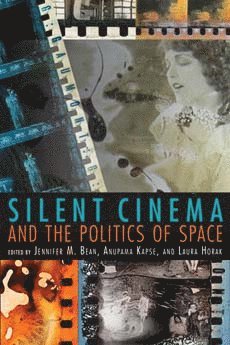
In this cross-cultural history of narrative cinema and media from the 1910s to the 1930s, leading and emergent scholars explore the transnational crossings and exchanges that occurred in early cinema between the two world wars. Drawing on film archives from around the world, this volume advances the premise that silent cinema freely crossed national borders and linguistic thresholds in ways that became far less possible after the emergence of sound. These essays address important questions about the uneven forces–geographic, economic, political, psychological, textual, and experiential–that underscore a non-linear approach to film history. The "messiness" of film history, as demonstrated here, opens a new realm of inquiry into unexpected political, social, and aesthetic crossings of silent cinema.
754 kr
Skickas inom 7-10 vardagar
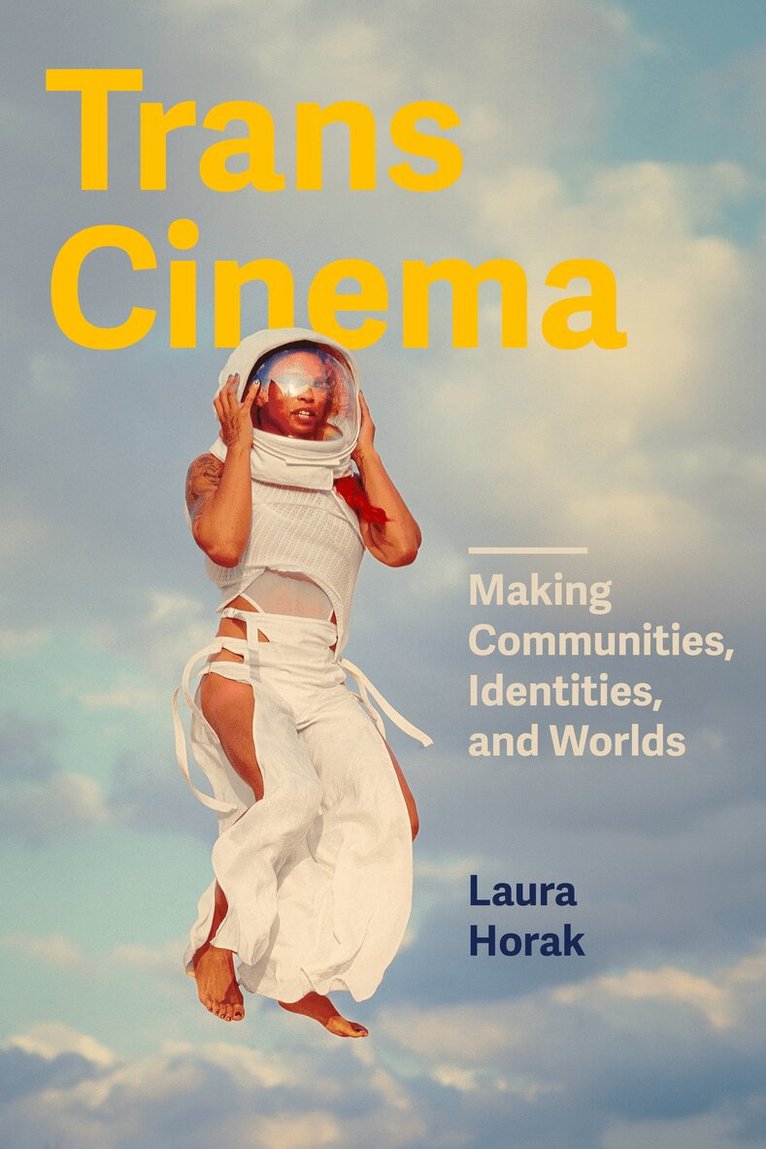
An exciting introduction to cinema by the trans creators who are innovating filmmaking to imagine a more inclusive world. Since the 1990s, a largely underground upwelling of trans creativity has helped new trans identities, communities, and political movements come together. In Trans Cinema, Laura Horak provides an entryway to the wildly diverse and creative cinema made by trans creators, including those who are Black, Indigenous, and people of color. Overlooked until now, this rich collection of media ranges in genre from romantic comedies to horror films and asks essential questions about how to be human and how to craft a livable life in a world on fire.Using the fundamentals of film studies, Horak reveals the innovative approaches taken by trans and gender-nonconforming artists to explore how we relate to other people, what it's like to have a body, and how we survive in an oppressive society. These filmmakers tackle the challenging paradox of representing trans lives when greater visibility is associated with ever-increasing levels of harm. In the process, they produce art that emphasizes trans survival and resilience and imagines a more expansive world for trans communities.
376 kr
Skickas inom 3-6 vardagar
An exciting introduction to cinema by the trans creators who are innovating filmmaking to imagine a more inclusive world. Since the 1990s, a largely underground upwelling of trans creativity has helped new trans identities, communities, and political movements come together. In Trans Cinema, Laura Horak provides an entryway to the wildly diverse and creative cinema made by trans creators, including those who are Black, Indigenous, and people of color. Overlooked until now, this rich collection of media ranges in genre from romantic comedies to horror films and asks essential questions about how to be human and how to craft a livable life in a world on fire.Using the fundamentals of film studies, Horak reveals the innovative approaches taken by trans and gender-nonconforming artists to explore how we relate to other people, what it's like to have a body, and how we survive in an oppressive society. These filmmakers tackle the challenging paradox of representing trans lives when greater visibility is associated with ever-increasing levels of harm. In the process, they produce art that emphasizes trans survival and resilience and imagines a more expansive world for trans communities.
Girls Will Be Boys
Cross-Dressed Women, Lesbians, and American Cinema, 1908-1934
Häftad, Engelska, 2016
454 kr
Skickas inom 7-10 vardagar
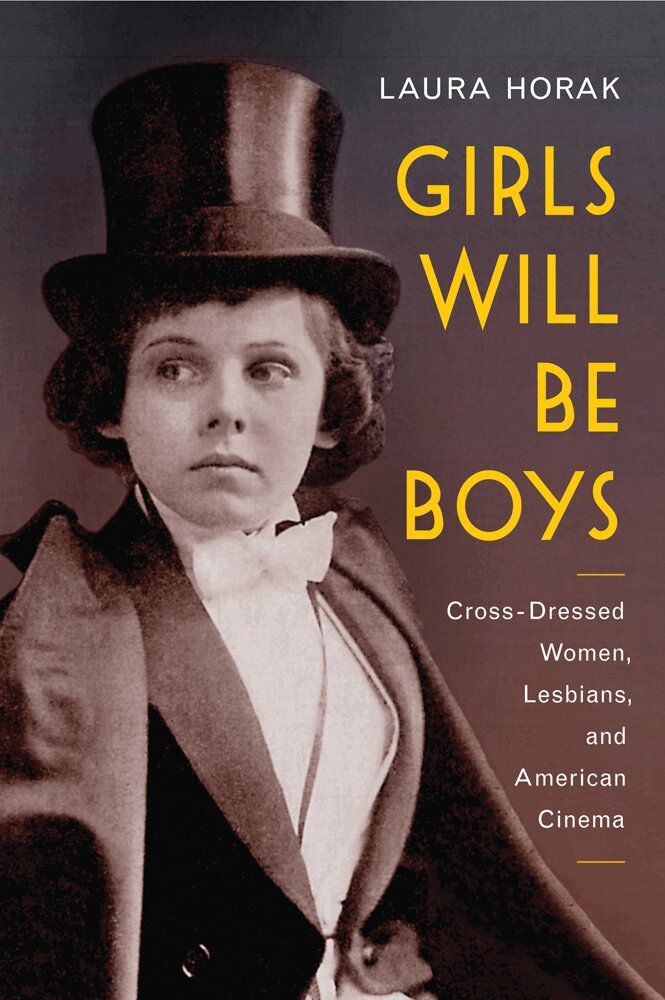
2016 Choice Outstanding Academic TitleFinalist for 2016 Richard Wall Memorial Award from the Theatre Library AssociationLong-listed for the 2017 Best Photography Book Award from the Kraszna-Krausz FoundationMarlene Dietrich, Greta Garbo, and Katharine Hepburn all made lasting impressions with the cinematic cross-dressing they performed onscreen. What few modern viewers realize, however, is that these seemingly daring performances of the 1930s actually came at the tail end of a long wave of gender-bending films that included more than 400 movies featuring women dressed as men. Laura Horak spent a decade scouring film archives worldwide, looking at American films made between 1908 and 1934, and what she discovered could revolutionize our understanding of gender roles in the early twentieth century. Questioning the assumption that cross-dressing women were automatically viewed as transgressive, she finds that these figures were popularly regarded as wholesome and regularly appeared onscreen in the 1910s, thus lending greater respectability to the fledgling film industry. Horak also explores how and why this perception of cross-dressed women began to change in the 1920s and early 1930s, examining how cinema played a pivotal part in the representation of lesbian identity. Girls Will Be Boys excavates a rich history of gender-bending film roles, enabling readers to appreciate the wide array of masculinities that these actresses performed-from sentimental boyhood to rugged virility to gentlemanly refinement. Taking us on a guided tour through a treasure-trove of vintage images, Girls Will Be Boys helps us view the histories of gender, sexuality, and film through fresh eyes.
Girls Will Be Boys
Cross-Dressed Women, Lesbians, and American Cinema, 1908-1934
Inbunden, Engelska, 2016
1 666 kr
Skickas inom 7-10 vardagar
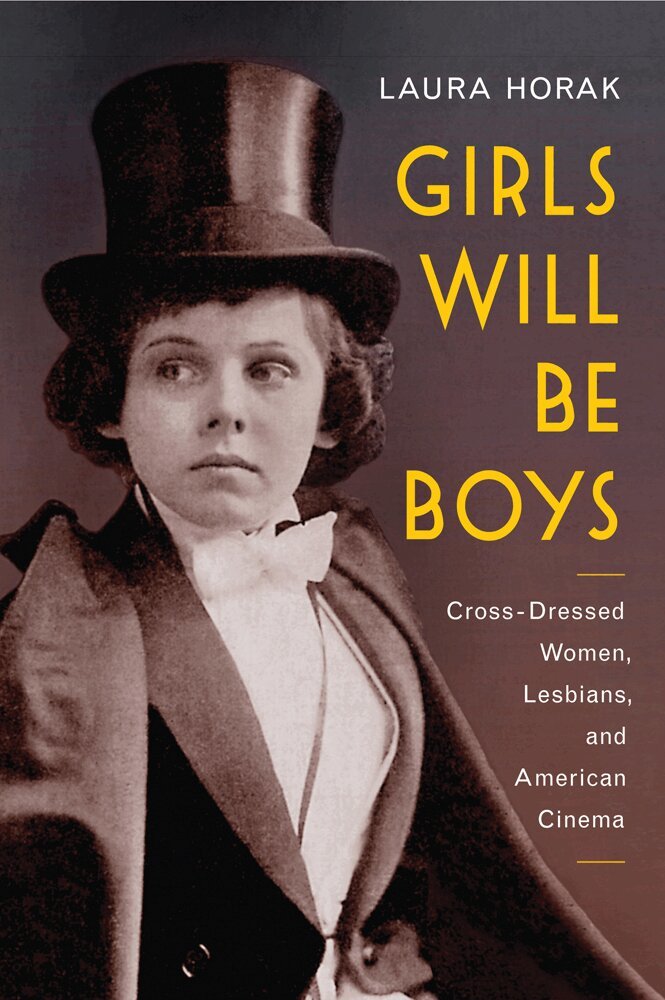
2016 Choice Outstanding Academic TitleFinalist for 2016 Richard Wall Memorial Award from the Theatre Library AssociationLong-listed for the 2017 Best Photography Book Award from the Kraszna-Krausz FoundationMarlene Dietrich, Greta Garbo, and Katharine Hepburn all made lasting impressions with the cinematic cross-dressing they performed onscreen. What few modern viewers realize, however, is that these seemingly daring performances of the 1930s actually came at the tail end of a long wave of gender-bending films that included more than 400 movies featuring women dressed as men. Laura Horak spent a decade scouring film archives worldwide, looking at American films made between 1908 and 1934, and what she discovered could revolutionize our understanding of gender roles in the early twentieth century. Questioning the assumption that cross-dressing women were automatically viewed as transgressive, she finds that these figures were popularly regarded as wholesome and regularly appeared onscreen in the 1910s, thus lending greater respectability to the fledgling film industry. Horak also explores how and why this perception of cross-dressed women began to change in the 1920s and early 1930s, examining how cinema played a pivotal part in the representation of lesbian identity. Girls Will Be Boys excavates a rich history of gender-bending film roles, enabling readers to appreciate the wide array of masculinities that these actresses performed-from sentimental boyhood to rugged virility to gentlemanly refinement. Taking us on a guided tour through a treasure-trove of vintage images, Girls Will Be Boys helps us view the histories of gender, sexuality, and film through fresh eyes.
375 kr
Skickas inom 7-10 vardagar
We all have images that we find unwatchable, whether for ethical, political, or sensory and affective reasons. From news coverage of terror attacks to viral videos of police brutality, and from graphic horror films to transgressive artworks, many of the images in our media culture might strike us as unsuitable for viewing. Yet what does it mean to proclaim something “unwatchable”: disturbing, revolting, poor, tedious, or literally inaccessible? With over 50 original essays by leading scholars, artists, critics, and curators, this is the first book to trace the “unwatchable” across our contemporary media environment, in which viewers encounter difficult content on various screens and platforms. Appealing to a broad academic and general readership, the volume offers multidisciplinary approaches to the vast array of troubling images that circulate in global visual culture.
1 085 kr
Skickas inom 7-10 vardagar
We all have images that we find unwatchable, whether for ethical, political, or sensory and affective reasons. From news coverage of terror attacks to viral videos of police brutality, and from graphic horror films to transgressive artworks, many of the images in our media culture might strike us as unsuitable for viewing. Yet what does it mean to proclaim something “unwatchable”: disturbing, revolting, poor, tedious, or literally inaccessible? With over 50 original essays by leading scholars, artists, critics, and curators, this is the first book to trace the “unwatchable” across our contemporary media environment, in which viewers encounter difficult content on various screens and platforms. Appealing to a broad academic and general readership, the volume offers multidisciplinary approaches to the vast array of troubling images that circulate in global visual culture.
1 307 kr
Skickas inom 7-10 vardagar
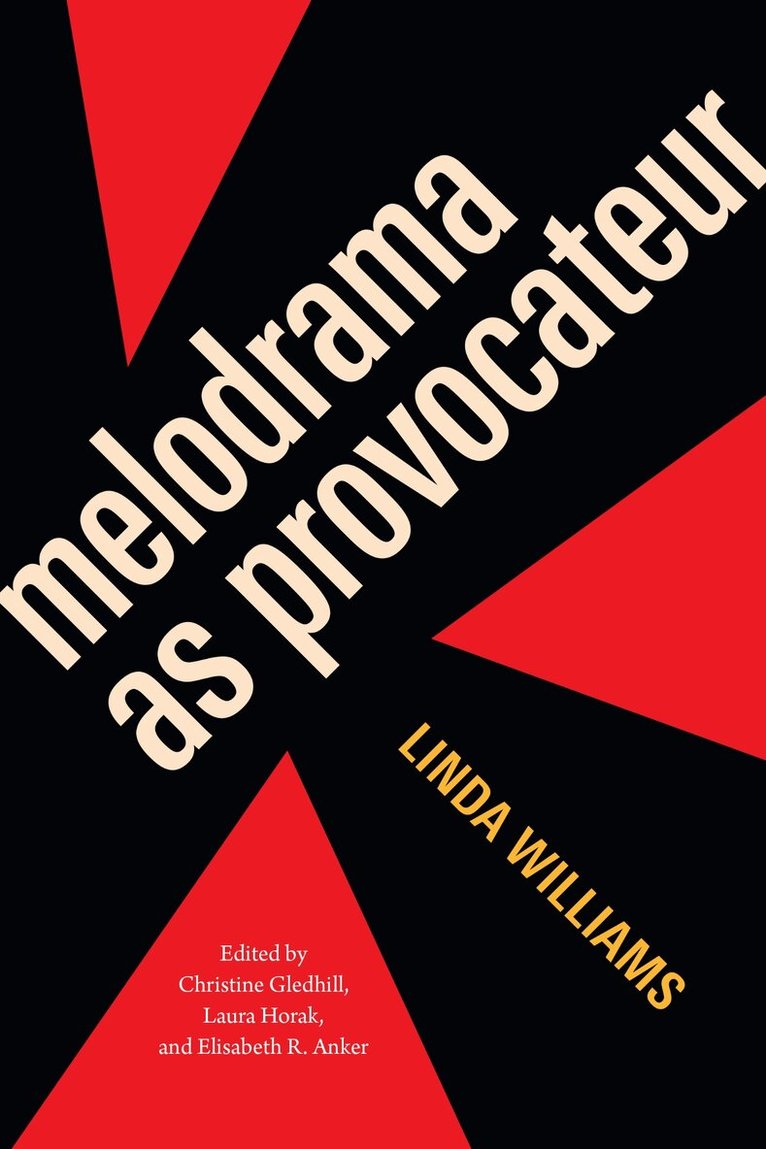
As one of the most influential contemporary film scholars, Linda Williams brought her critical feminist lens to some of society’s most maligned and underappreciated film genres. Melodrama as Provocateur showcases what was to be Williams's last project in which, insisting on melodrama as a cross-generic, cross-media mode, she investigates the divergence between French and American attitudes to film melodrama. A diverse group of scholars respond to her provocations, rethinking melodrama’s transnational, transmedia histories and potential futures. Their contributions examine how melodrama became, as Williams argues, the default mode of contemporary media, and demonstrate how it plays an increasingly powerful role in public discourse and political rhetoric today.
305 kr
Skickas
As one of the most influential contemporary film scholars, Linda Williams brought her critical feminist lens to some of society’s most maligned and underappreciated film genres. Melodrama as Provocateur showcases what was to be Williams's last project in which, insisting on melodrama as a cross-generic, cross-media mode, she investigates the divergence between French and American attitudes to film melodrama. A diverse group of scholars respond to her provocations, rethinking melodrama’s transnational, transmedia histories and potential futures. Their contributions examine how melodrama became, as Williams argues, the default mode of contemporary media, and demonstrate how it plays an increasingly powerful role in public discourse and political rhetoric today.