Laura Loporcaro - Böcker
Visar alla böcker från författaren Laura Loporcaro. Handla med fri frakt och snabb leverans.
2 produkter
2 produkter
1 551 kr
Skickas inom 5-8 vardagar
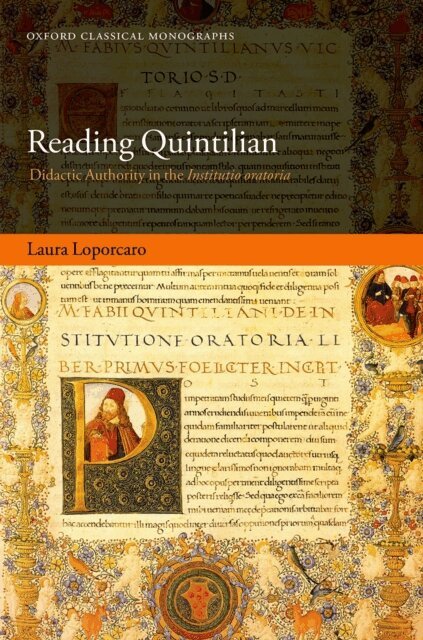
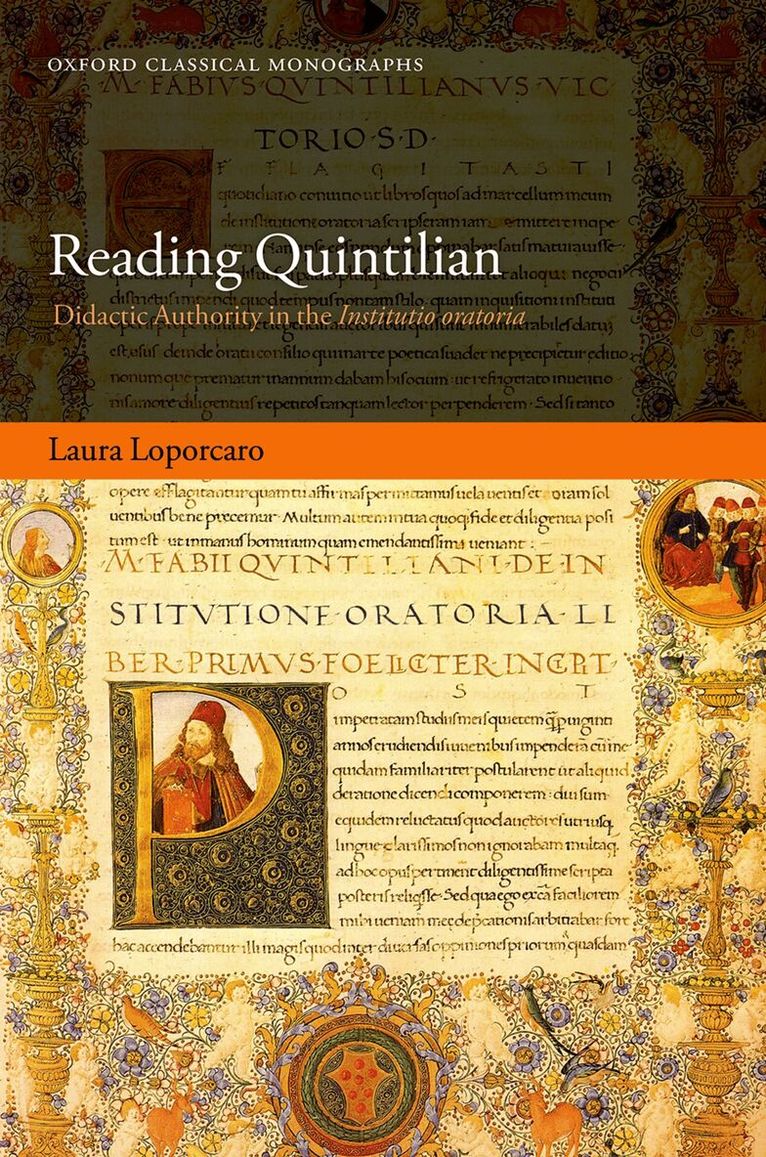
Reading Quintiliantakes Quintilian's Institutio oratoriaas a coherent literary work: one worth reading in full. This book examines how didactic authority is created and how readers are guided through the Institutiothanks to an overarching framework that holds it together. This framework is composed of several leitmotifs: the author's self-staging, statements of didactic intent and method, the depiction of an ideal didactic constellation, remarks suggesting that the work proceeds in parallel with the pupil's training and the author's life, polemics against other authorities, and proleptic strategies deflecting responsibility for students' potential failures. As Reading Quintilianshows, the pervasiveness of that framework, and the implementation in the Institutioof the same rhetorical strategies it describes, indicate that the work is not a mere accumulation of precepts, but an artfully crafted whole. All the stops of rhetorical art are pulled out to engage readers and to persuade them that the teachings conveyed are valid. Laura Loporcaro grounds her analysis of the leitmotifs in the discussion of central themes, including Quintilian's reception of Cicero and Seneca the Younger, his conception of the ideal orator, and his polemic against 'corrupt' oratory. Combining a panoramic view with in-depth study of single leitmotifs and themes, Reading Quintilianinvestigates the construction, goals, and models of the Institutio, thereby shedding new light on the treatise as a whole.
2 325 kr
Kommande
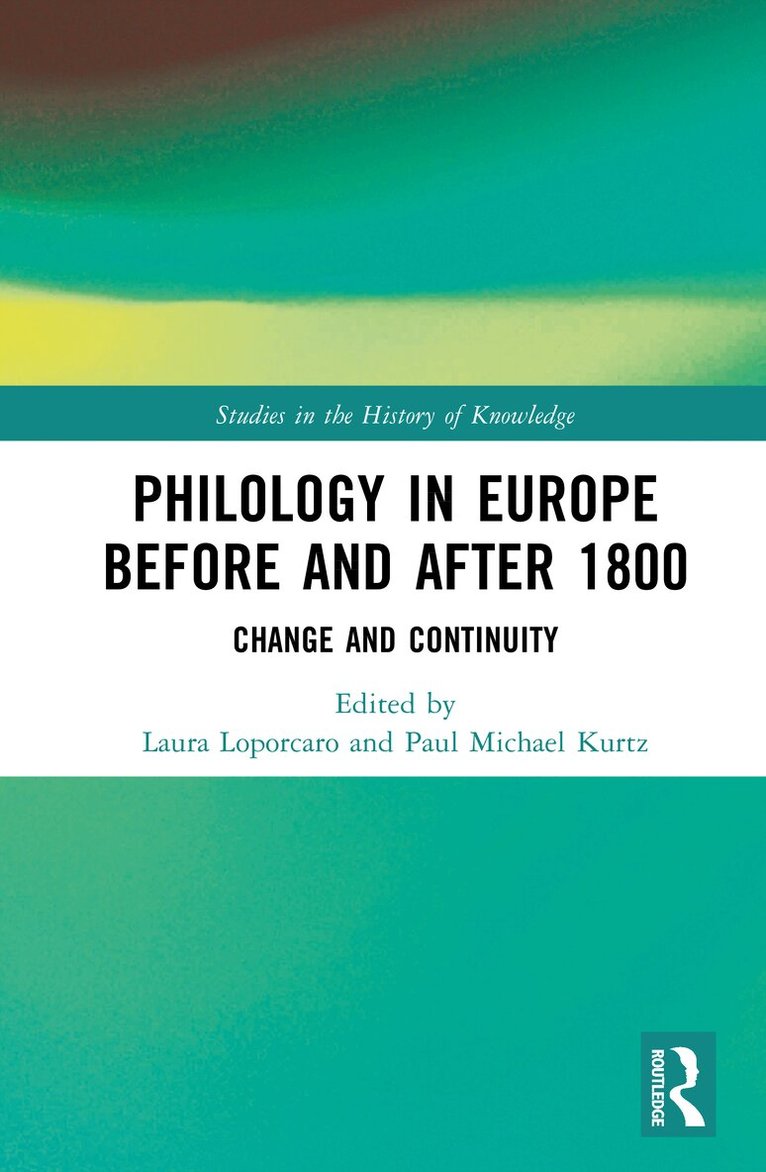
Philology in Europe before and after 1800 investigates a period often regarded as a watershed moment in the history of the humanities. Since the nineteenth century, the decades around 1800 have been considered a time of radical change, introducing a new, modern era of scholarship distinct from the one preceding it. By probing and challenging this narrative of breakage, the volume explores continuities and transformations in philological practices during this pivotal time, providing a distinctly wide-ranging perspective on the evolution of philology. Setting a long chronological horizon, the volume brings together two ages in the history of philology usually treated apart, the early and late modern periods. It also takes a transnational approach, following philological practice across countries, in Europe and beyond. So, too, it crosses (today’s) disciplinary boundaries, including biblical studies and classics as well as Arabic, Sanskrit, and Chinese philologies. Revolving around four themes – debates, instruments, communication, and collaborations – the chapters treat a broad range of topics, not only focusing on the successes but also the failures of philologists and the material conditions underlying their work. Overall, the book expands our understanding of the practices, ambitions, and legacies of philology across the supposed watershed of 1800. It will be of interest to scholars of philology and cultural history and to those concerned with interdisciplinary approaches to the humanities.