Laurelyn Whitt - Böcker
Visar alla böcker från författaren Laurelyn Whitt. Handla med fri frakt och snabb leverans.
4 produkter
4 produkter
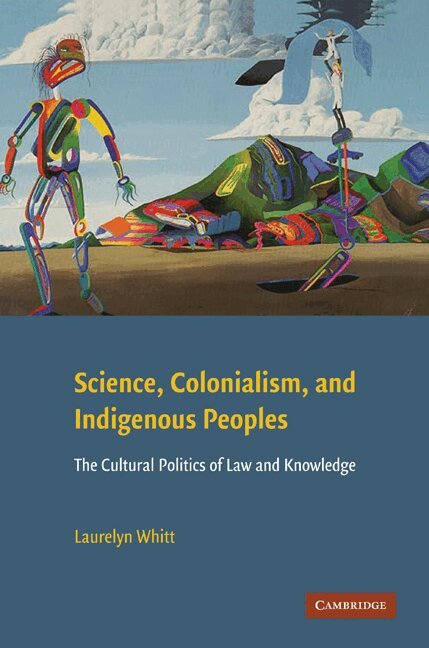
Science, Colonialism, and Indigenous Peoples
The Cultural Politics of Law and Knowledge
Inbunden, Engelska, 2009
1 266 kr
Skickas inom 7-10 vardagar
At the intersection of indigenous studies, science studies, and legal studies lies a tense web of political issues of vital concern for the survival of indigenous nations. Numerous historians of science have documented the vital role of late-eighteenth- and nineteenth-century science as a part of statecraft, a means of extending empire. This book follows imperialism into the present, demonstrating how pursuit of knowledge of the natural world impacts, and is impacted by, indigenous peoples rather than nation-states. In extractive biocolonialism, the valued genetic resources, and associated agricultural and medicinal knowledge, of indigenous peoples are sought, legally converted into private intellectual property, transformed into commodities, and then placed for sale in genetic marketplaces. Science, Colonialism, and Indigenous Peoples critically examines these developments, demonstrating how contemporary relations between indigenous and Western knowledge systems continue to be shaped by the dynamics of power, the politics of property, and the apologetics of law.
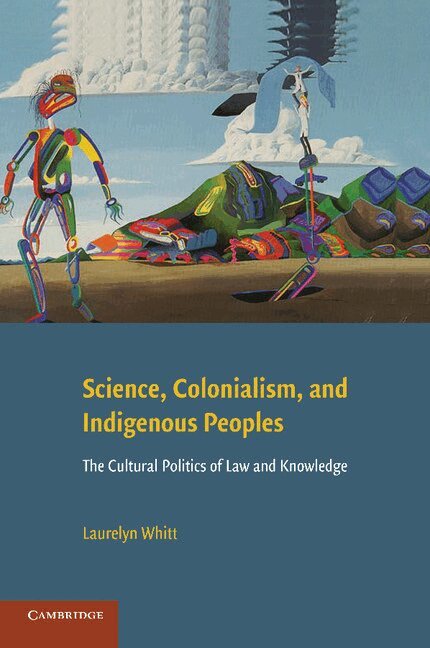
Science, Colonialism, and Indigenous Peoples
The Cultural Politics of Law and Knowledge
Häftad, Engelska, 2014
394 kr
Skickas inom 7-10 vardagar
At the intersection of indigenous studies, science studies, and legal studies lies a tense web of political issues of vital concern for the survival of indigenous nations. Numerous historians of science have documented the vital role of late-eighteenth- and nineteenth-century science as a part of statecraft, a means of extending empire. This book follows imperialism into the present, demonstrating how pursuit of knowledge of the natural world impacts, and is impacted by, indigenous peoples rather than nation-states. In extractive biocolonialism, the valued genetic resources, and associated agricultural and medicinal knowledge, of indigenous peoples are sought, legally converted into private intellectual property, transformed into commodities, and then placed for sale in genetic marketplaces. Science, Colonialism, and Indigenous Peoples critically examines these developments, demonstrating how contemporary relations between indigenous and Western knowledge systems continue to be shaped by the dynamics of power, the politics of property, and the apologetics of law.
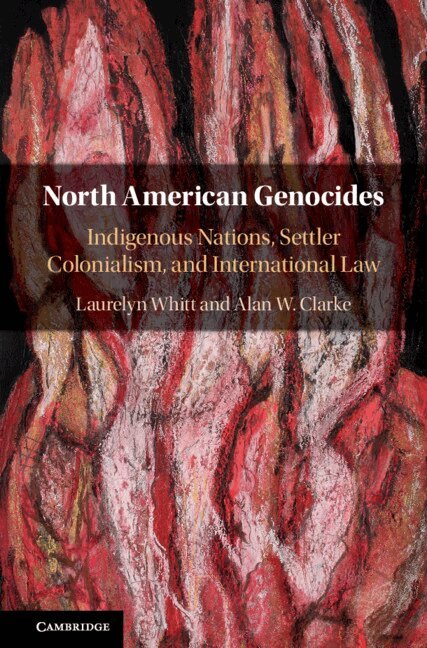
North American Genocides
Indigenous Nations, Settler Colonialism, and International Law
Inbunden, Engelska, 2019
1 376 kr
Skickas inom 7-10 vardagar
When and how might the term genocide appropriately be ascribed to the experience of North American Indigenous nations under settler colonialism? Laurelyn Whitt and Alan W. Clarke contend that, if certain events which occurred during the colonization of North America were to take place today, they could be prosecuted as genocide. The legal methodology that the authors develop to establish this draws upon the definition of genocide as presented in the United Nations Genocide Convention and enhanced by subsequent decisions in international legal fora. Focusing on early British colonization, the authors apply this methodology to two historical cases: that of the Beothuk Nation from 1500-1830, and of the Powhatan Tsenacommacah from 1607-77. North American Genocides concludes with a critique of the Conventional account of genocide, suggesting how it might evolve beyond its limitations to embrace the role of cultural destruction in undermining the viability of human groups.
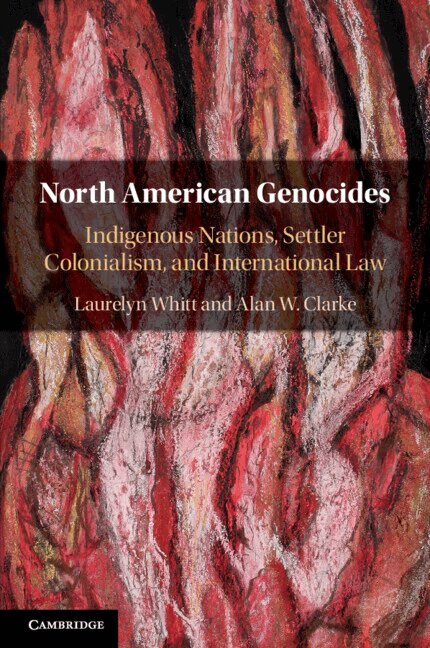
North American Genocides
Indigenous Nations, Settler Colonialism, and International Law
Häftad, Engelska, 2022
323 kr
Skickas inom 7-10 vardagar
When and how might the term genocide appropriately be ascribed to the experience of North American Indigenous nations under settler colonialism? Laurelyn Whitt and Alan W. Clarke contend that, if certain events which occurred during the colonization of North America were to take place today, they could be prosecuted as genocide. The legal methodology that the authors develop to establish this draws upon the definition of genocide as presented in the United Nations Genocide Convention and enhanced by subsequent decisions in international legal fora. Focusing on early British colonization, the authors apply this methodology to two historical cases: that of the Beothuk Nation from 1500-1830, and of the Powhatan Tsenacommacah from 1607-77. North American Genocides concludes with a critique of the Conventional account of genocide, suggesting how it might evolve beyond its limitations to embrace the role of cultural destruction in undermining the viability of human groups.