Lauren K. Richerme - Böcker
Visar alla böcker från författaren Lauren K. Richerme. Handla med fri frakt och snabb leverans.
4 produkter
4 produkter
815 kr
Skickas inom 7-10 vardagar
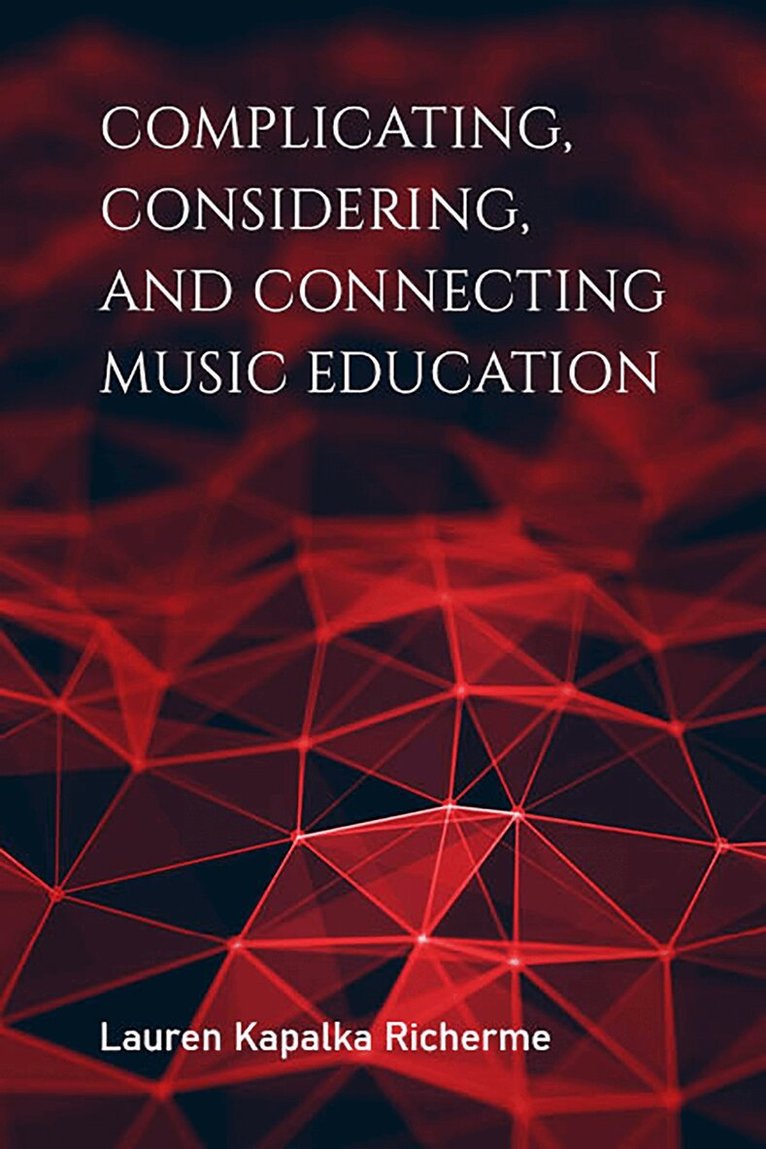
In Complicating, Considering, and Connecting Music Education, Lauren Kapalka Richerme proposes a poststructuralist-inspired philosophy of music education. Complicating current conceptions of self, other, and place, Richerme emphasizes the embodied, emotional, and social aspects of humanity. She also examines intersections between local and global music making. Next, Richerme explores the ethical implications of considering multiple viewpoints and imagining who music makers might become. Ultimately, she offers that music education is good for facilitating differing connections with one's self and multiple environments. Throughout the text, she also integrates the writings of Gilles Deleuze and Félix Guattari with narrative philosophy and personal narratives. By highlighting the processes of complicating, considering, and connecting, Richerme challenges the standardization and career-centric rationales that ground contemporary music education policy and practice to better welcome diversity.
290 kr
Skickas inom 7-10 vardagar
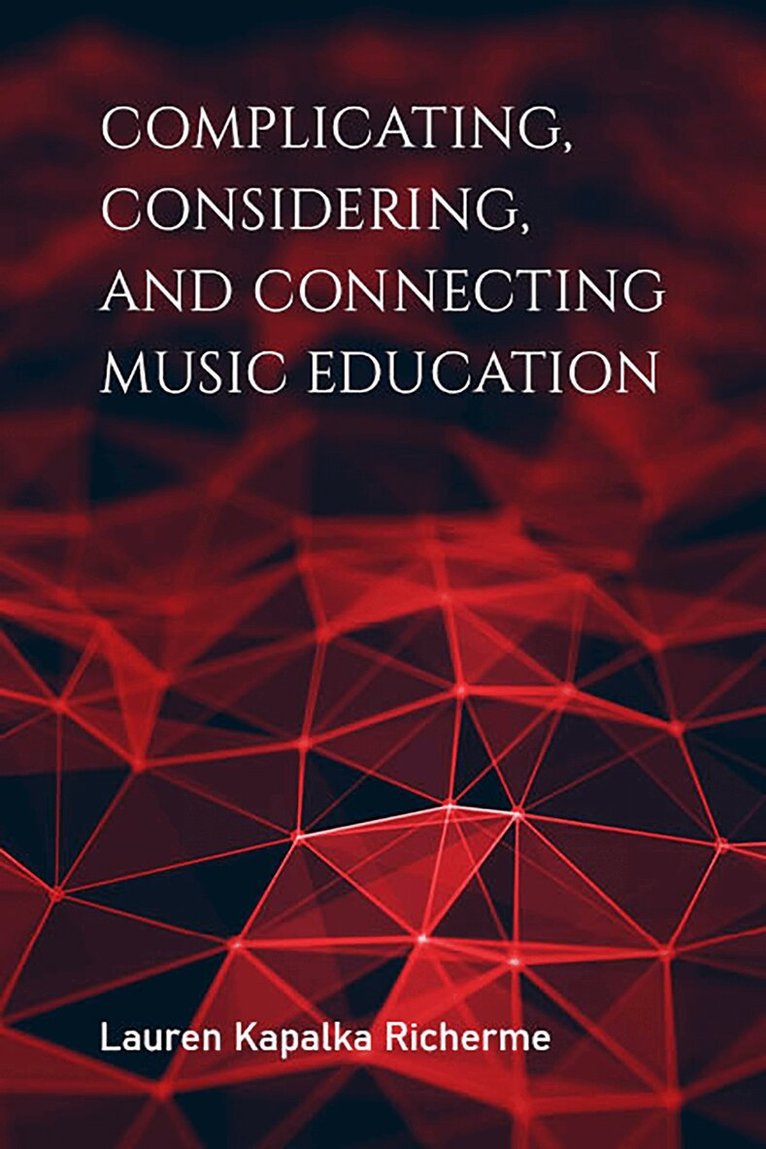
In Complicating, Considering, and Connecting Music Education, Lauren Kapalka Richerme proposes a poststructuralist-inspired philosophy of music education. Complicating current conceptions of self, other, and place, Richerme emphasizes the embodied, emotional, and social aspects of humanity. She also examines intersections between local and global music making. Next, Richerme explores the ethical implications of considering multiple viewpoints and imagining who music makers might become. Ultimately, she offers that music education is good for facilitating differing connections with one's self and multiple environments. Throughout the text, she also integrates the writings of Gilles Deleuze and Félix Guattari with narrative philosophy and personal narratives. By highlighting the processes of complicating, considering, and connecting, Richerme challenges the standardization and career-centric rationales that ground contemporary music education policy and practice to better welcome diversity.
923 kr
Skickas inom 7-10 vardagar
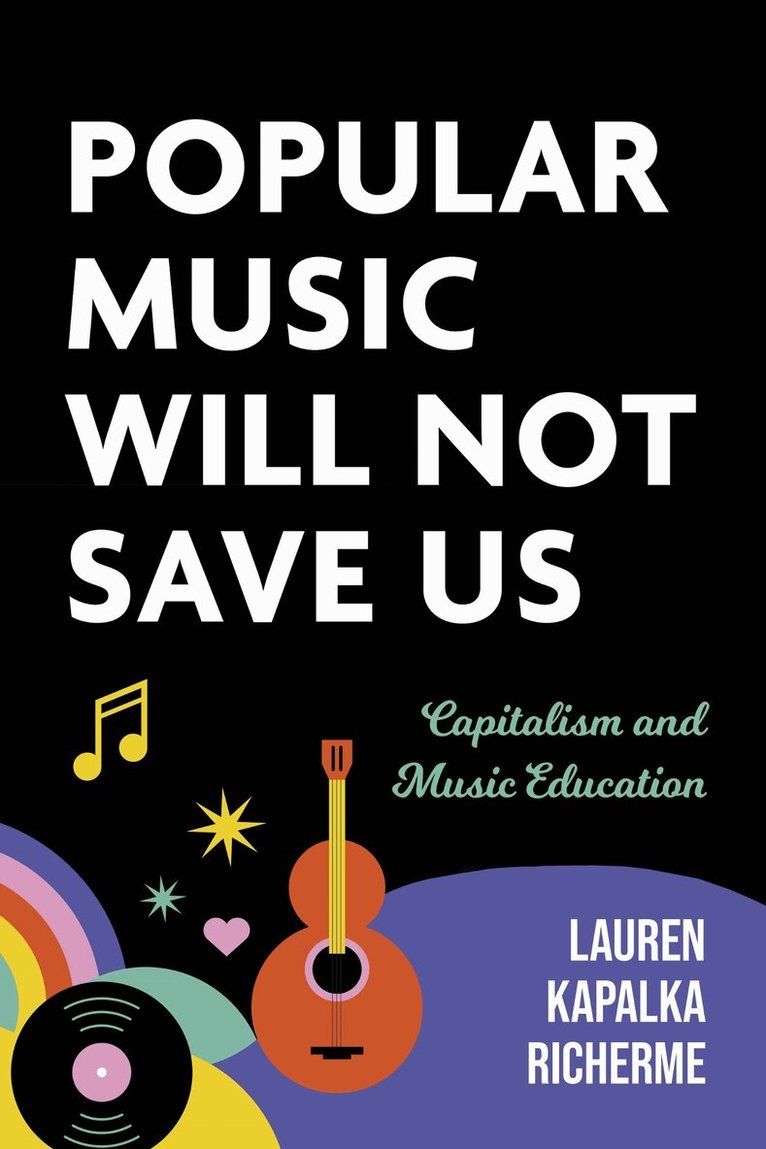
In today's globalized landscapes, both traditional and progressive K–12 music education practices, including those associated with popular music, can further capitalism-related inequities. In this context, music educators and students might consider how they position themselves and their music-making practices in relation to capitalist aims and processes and confront the more unethical aspects of capitalism.Popular Music Will Not Save Us challenges music educators to rethink their philosophical stances in the face of contemporary capitalist values and explores the intersection of music education and globalized capitalism, unveiling how certain practices exacerbate material inequities and erode social responsibility. As author Lauren Kapalka Richerme unravels the complexities of music education, her analysis sheds light on how prevalent practices can inadvertently uphold capitalist ideals and reinforce individualism, unceasing accumulation, and precarity in the workforce. Given that no musical genre inherently challenges problematic aspects of capitalism, Richerme proposes that music educators instead focus on affective flows, or the circulation of sensations within pedagogical spaces, and consider four alternative positionalities: thriving within, surviving under, resisting, and challenging capitalism.Popular Music Will Not Save Us advocates for a shift away from capitalistic individualism and inequities and toward a more equitable, affective pedagogical mode. Now is the time to transcend traditional boundaries and embrace a new paradigm that prioritizes social impact over commercial gain.
317 kr
Skickas inom 7-10 vardagar
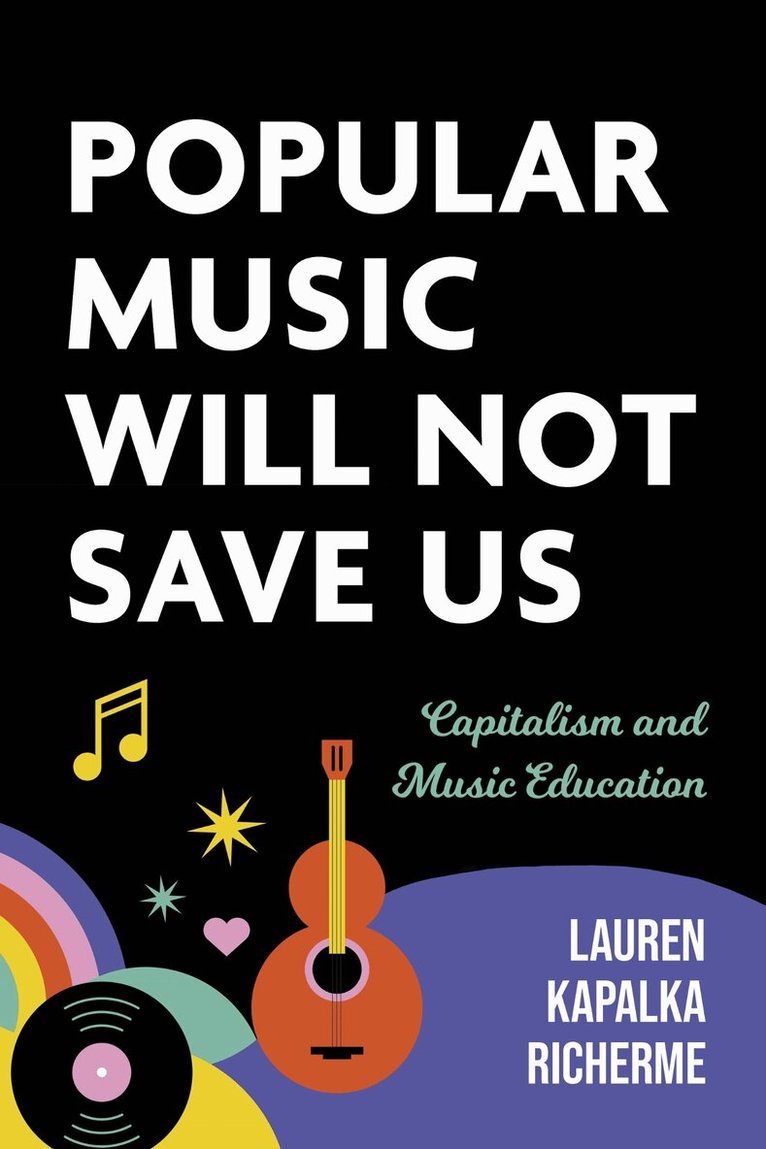
In today's globalized landscapes, both traditional and progressive K–12 music education practices, including those associated with popular music, can further capitalism-related inequities. In this context, music educators and students might consider how they position themselves and their music-making practices in relation to capitalist aims and processes and confront the more unethical aspects of capitalism.Popular Music Will Not Save Us challenges music educators to rethink their philosophical stances in the face of contemporary capitalist values and explores the intersection of music education and globalized capitalism, unveiling how certain practices exacerbate material inequities and erode social responsibility. As author Lauren Kapalka Richerme unravels the complexities of music education, her analysis sheds light on how prevalent practices can inadvertently uphold capitalist ideals and reinforce individualism, unceasing accumulation, and precarity in the workforce. Given that no musical genre inherently challenges problematic aspects of capitalism, Richerme proposes that music educators instead focus on affective flows, or the circulation of sensations within pedagogical spaces, and consider four alternative positionalities: thriving within, surviving under, resisting, and challenging capitalism.Popular Music Will Not Save Us advocates for a shift away from capitalistic individualism and inequities and toward a more equitable, affective pedagogical mode. Now is the time to transcend traditional boundaries and embrace a new paradigm that prioritizes social impact over commercial gain.