Lauren Mancia – författare
Visar alla böcker från författaren Lauren Mancia. Handla med fri frakt och snabb leverans.
10 produkter
Embodied Epistemology as Rigorous Historical Method
Häftad, 2025
282 kr
Lägg i varukorg
This Element proposes that, in addition to using traditional historical methodologies, historians need to find extra-textual, embodied ways of understanding the past in order to more fully comprehend it. Written by a medieval historian, the Element explains why historians assume they cannot use …
Embodied Epistemology as Rigorous Historical Method
Inbunden, 2025
903 kr
Lägg i varukorg
This Element proposes that, in addition to using traditional historical methodologies, historians need to find extra-textual, embodied ways of understanding the past in order to more fully comprehend it. Written by a medieval historian, the Element explains why historians assume they cannot use …
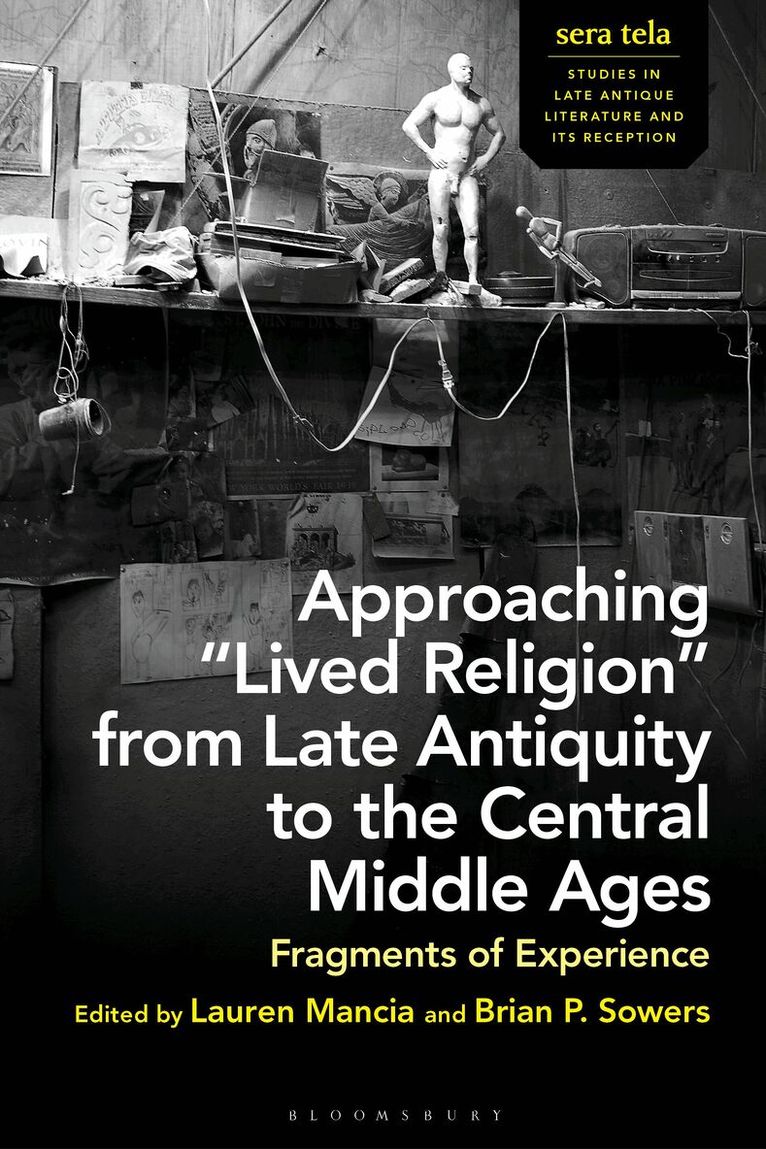
Approaching “Lived Religion” from Late Antiquity to the Central Middle Ages
Fragments of Experience
Av Lauren Mancia, Brian P. Sowers
Inbunden, 2026
1196 kr
Kommande
This edited volume brings together renowned specialists from History, Medieval Studies, Religious Studies, Archaeology and Art History to critically examine the topic of religious experience and so-called “lived religion” from Late Antiquity to the Central Middle Ages. With papers on Judaism, …
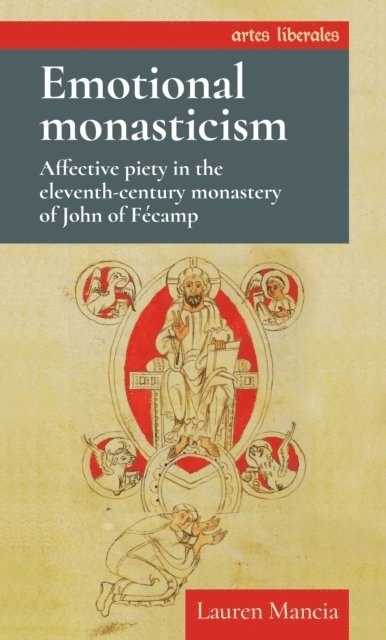
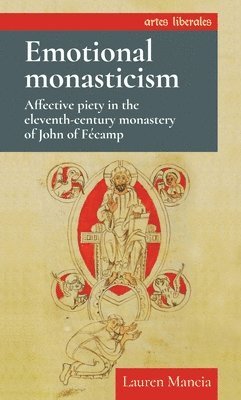
Emotional Monasticism
Affective Piety in the Eleventh-Century Monastery of John of FéCamp
Inbunden, 2019
1227 kr
Lägg i varukorg
Medievalists have long taught that highly emotional Christian devotion, often called ‘affective piety’, appeared in Europe after the twelfth century and was primarily practiced by communities of mendicants, lay people and women. Emotional monasticism challenges this view. The first study of …
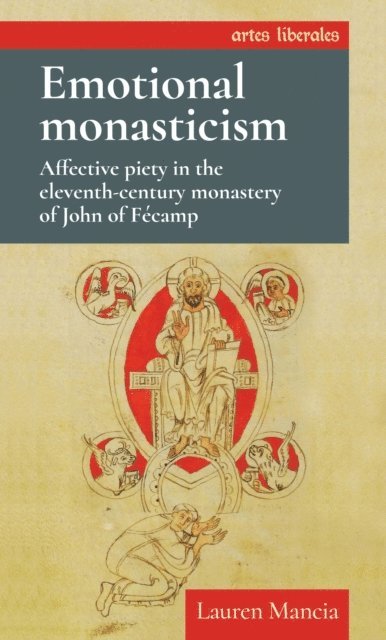
Emotional Monasticism
Affective Piety in the Eleventh-Century Monastery of John of FéCamp
E-bok, 2019
300 kr
Lägg i varukorg
Medievalists have long taught that highly emotional Christian devotion, often called ‘affective piety’, appeared in Europe after the twelfth century and was primarily practiced by communities of mendicants, lay people and women. Emotional monasticism challenges this view. The first study of …
Emotional Monasticism
Affective Piety in the Eleventh-Century Monastery of John of FéCamp
E-bok, 2019
300 kr
Lägg i varukorg
Medievalists have long taught that highly emotional Christian devotion, often called ‘affective piety’, appeared in Europe after the twelfth century and was primarily practiced by communities of mendicants, lay people and women. Emotional monasticism challenges this view. The first study of …
Emotional Monasticism
Affective Piety in the Eleventh-Century Monastery of John of FéCamp
Häftad, 2021
371 kr
Lägg i varukorg
Medievalists have long taught that highly emotional Christian devotion, often called ‘affective piety’, appeared in Europe after the twelfth century and was primarily practiced by communities of mendicants, lay people and women. Emotional monasticism challenges this view. The first study of …
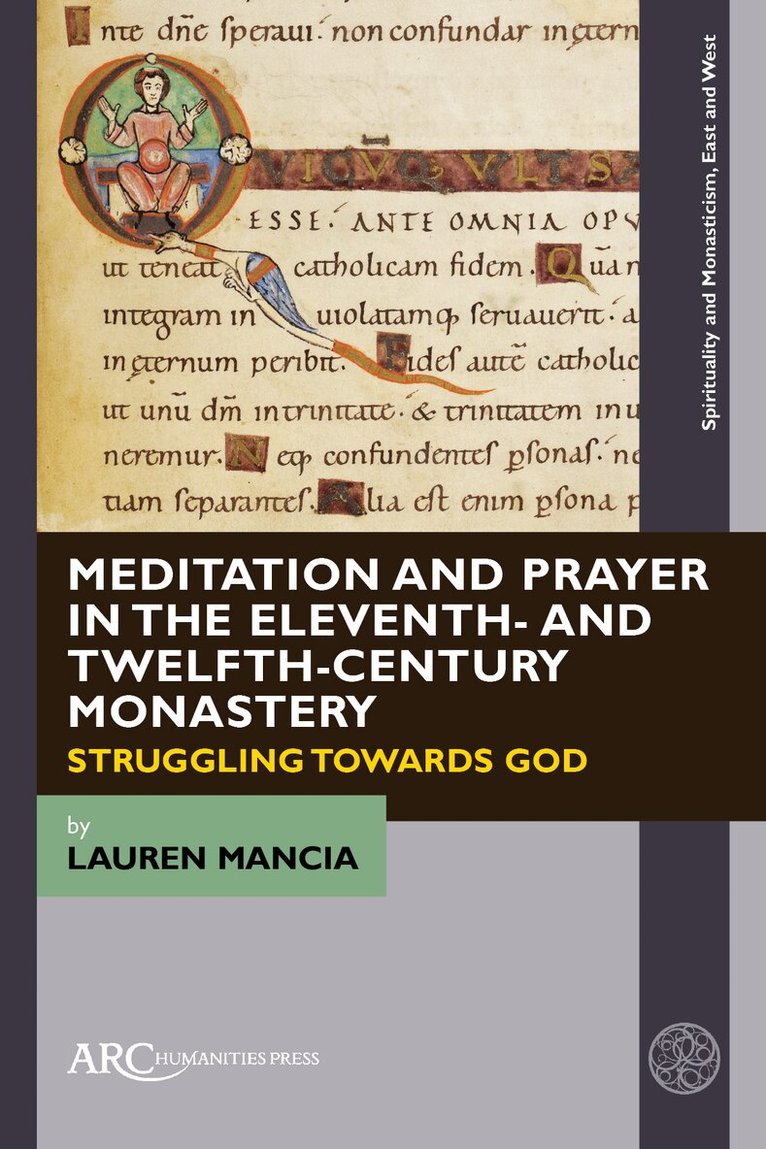
Meditation and Prayer in the Eleventh- and Twelfth-Century Monastery
Struggling towards God
Inbunden, 2023
1539 kr
Lägg i varukorg
This book explores the dimensions of medieval monastic meditation, prayer, and contemplation in the heyday of Benedictine and Cistercian spiritual writing, the eleventh and twelfth centuries. Mancia aims to answer the following questions: What did extra-liturgical prayer and meditation look like …