Laurence R. Goldman - Böcker
Visar alla böcker från författaren Laurence R. Goldman. Handla med fri frakt och snabb leverans.
8 produkter
8 produkter
Fluid Ontologies
Myth, Ritual, and Philosophy in the Highlands of Papua New Guinea
Inbunden, Engelska, 1998
1 009 kr
Skickas inom 10-15 vardagar
Myths are best understood as a convergence of voices from across times and cultures. They are the instruments through which authors and audiences seek to grapple with questions about the fundamental nature of the universe. The answers, however, constantly change in light of changing circumstances such as the interface between western and non-western cultures, or cataclysmic events. The authors argue that these societies' worldviews assume that the process of flow between events, rather than the nature of the events, is critical to a model of human sociality.Boundaries, whether of a ritual, physical, or social nature, are perceived as constantly broken by the exchange of ideas across time, space, and peoples. Our understanding of such issues as gender relations and the body, social change, imagination, play, and the conceptualization of power is furthered by probing how it is that myth is both expressive as well as constitutive of human thought on these topics.
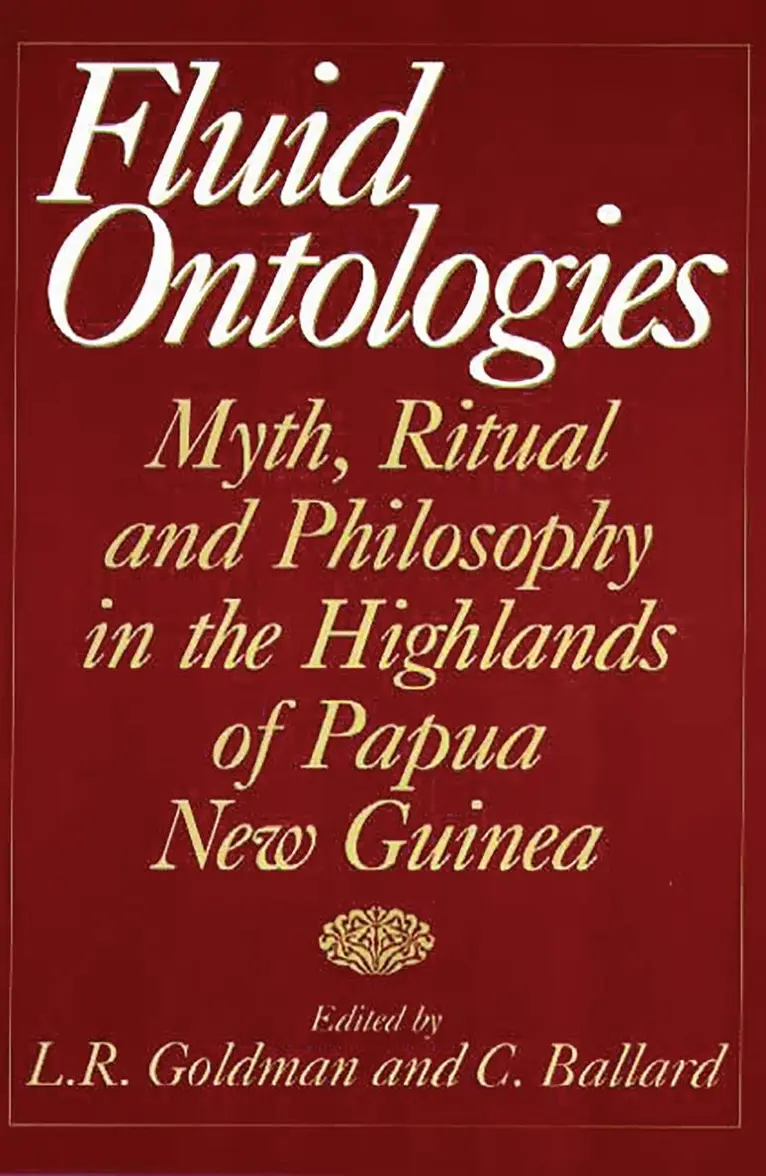
Fluid Ontologies
Myth, Ritual, and Philosophy in the Highlands of Papua New Guinea
Häftad, Engelska, 1998
488 kr
Skickas inom 10-15 vardagar
Myths are best understood as a convergence of voices from across times and cultures. They are the instruments through which authors and audiences seek to grapple with questions about the fundamental nature of the universe. The answers, however, constantly change in light of changing circumstances such as the interface between western and non-western cultures, or cataclysmic events. The authors argue that these societies' worldviews assume that the process of flow between events, rather than the nature of the events, is critical to a model of human sociality.Boundaries, whether of a ritual, physical, or social nature, are perceived as constantly broken by the exchange of ideas across time, space, and peoples. Our understanding of such issues as gender relations and the body, social change, imagination, play, and the conceptualization of power is furthered by probing how it is that myth is both expressive as well as constitutive of human thought on these topics.
809 kr
Skickas inom 10-15 vardagar
Using new case data from South American, Australian, and Papua New Guinean societies, the authors explore how cultural ideas for humanity are reflected in seemingly universal understandings of our potential for anthropophagy. Whether or not a society actually practices cannibalism, these conceptions are often articulated at the level of folklore and myth, where flesh-eating is imbued with symbolic meanings centered on ideas about regeneration after death, the equivalence between human flesh and food, and the morality of social exchange in and between groups. Thus, cannibalism emerges at once as a resource for political agendas that perpetuate ethnic stereotypes of exotic others; a cultural practice capable of expressing violent suppression as well as transforming death into a life-sustaining process; and a theme whose horrific potentiality engenders baleful monsters and myths for public delectation as well as child control.Cannibalism exists in folklore traditions as the definition of the antithesis of socially accepted morality, as well as something that in practice was a conduit for the regeneration and reproduction of positive values. Cannibalism is seen as bound up with the commerce of exchange between people intent on defining their economic and political worlds in and through symbols. This book is a major milestone, providing a valuable set of correctives for both the academic discourse on cannibalism as well as the wider conventional beliefs about the topic.
381 kr
Skickas inom 10-15 vardagar
Using new case data from South American, Australian, and Papua New Guinean societies, the authors explore how cultural ideas for humanity are reflected in seemingly universal understandings of our potential for anthropophagy. Whether or not a society actually practices cannibalism, these conceptions are often articulated at the level of folklore and myth, where flesh-eating is imbued with symbolic meanings centered on ideas about regeneration after death, the equivalence between human flesh and food, and the morality of social exchange in and between groups. Thus, cannibalism emerges at once as a resource for political agendas that perpetuate ethnic stereotypes of exotic others; a cultural practice capable of expressing violent suppression as well as transforming death into a life-sustaining process; and a theme whose horrific potentiality engenders baleful monsters and myths for public delectation as well as child control.Cannibalism exists in folklore traditions as the definition of the antithesis of socially accepted morality, as well as something that in practice was a conduit for the regeneration and reproduction of positive values. Cannibalism is seen as bound up with the commerce of exchange between people intent on defining their economic and political worlds in and through symbols. This book is a major milestone, providing a valuable set of correctives for both the academic discourse on cannibalism as well as the wider conventional beliefs about the topic.
2 103 kr
Skickas inom 10-15 vardagar
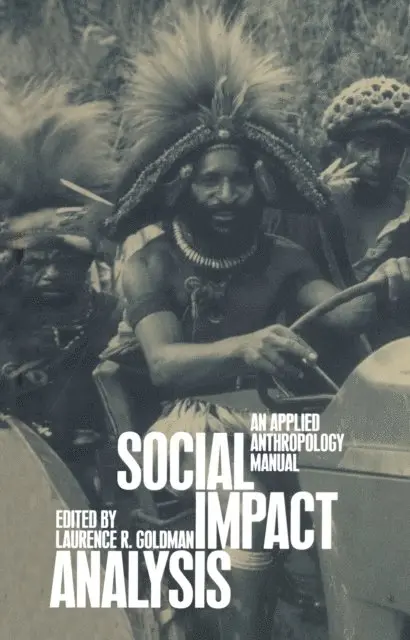
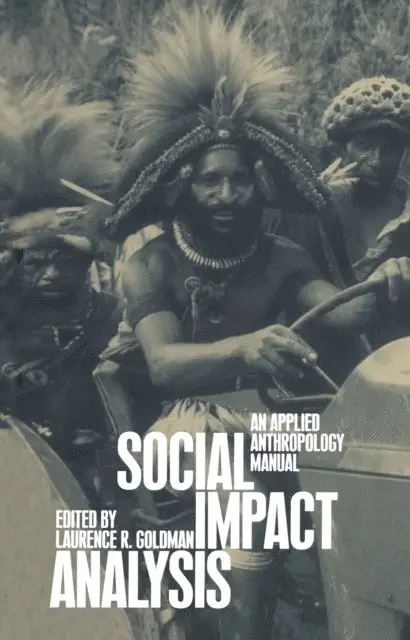
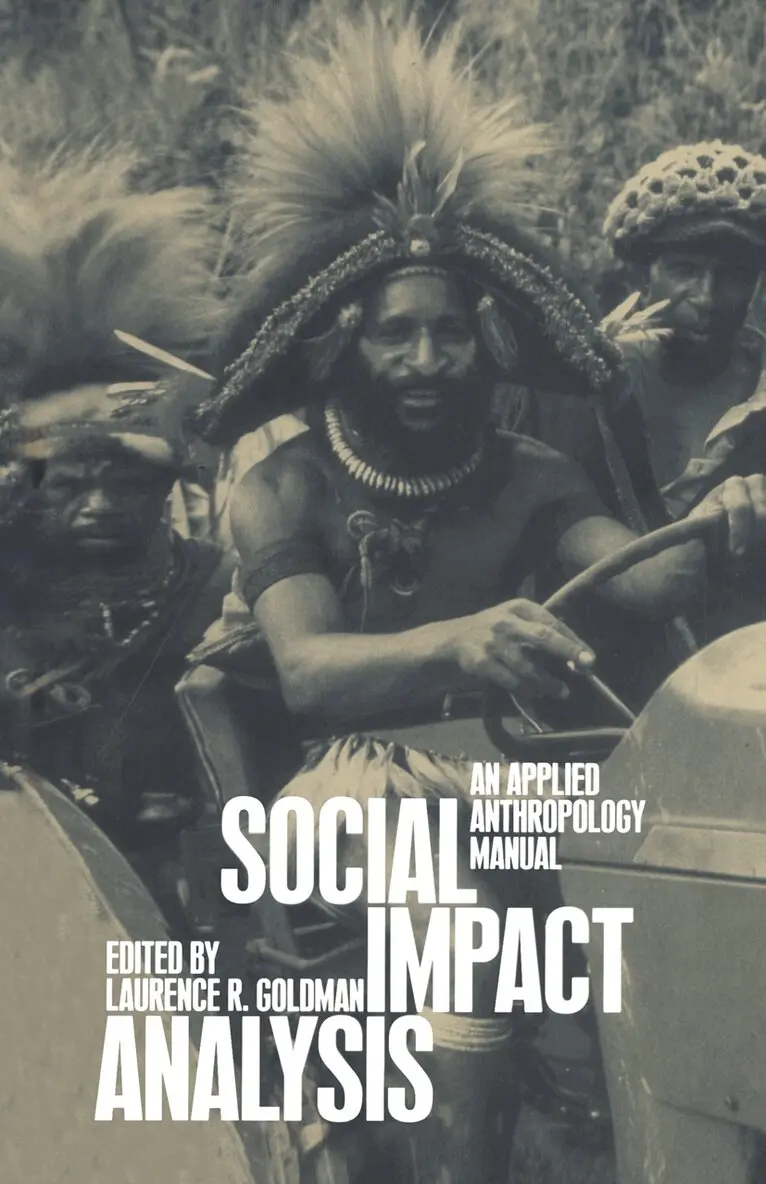
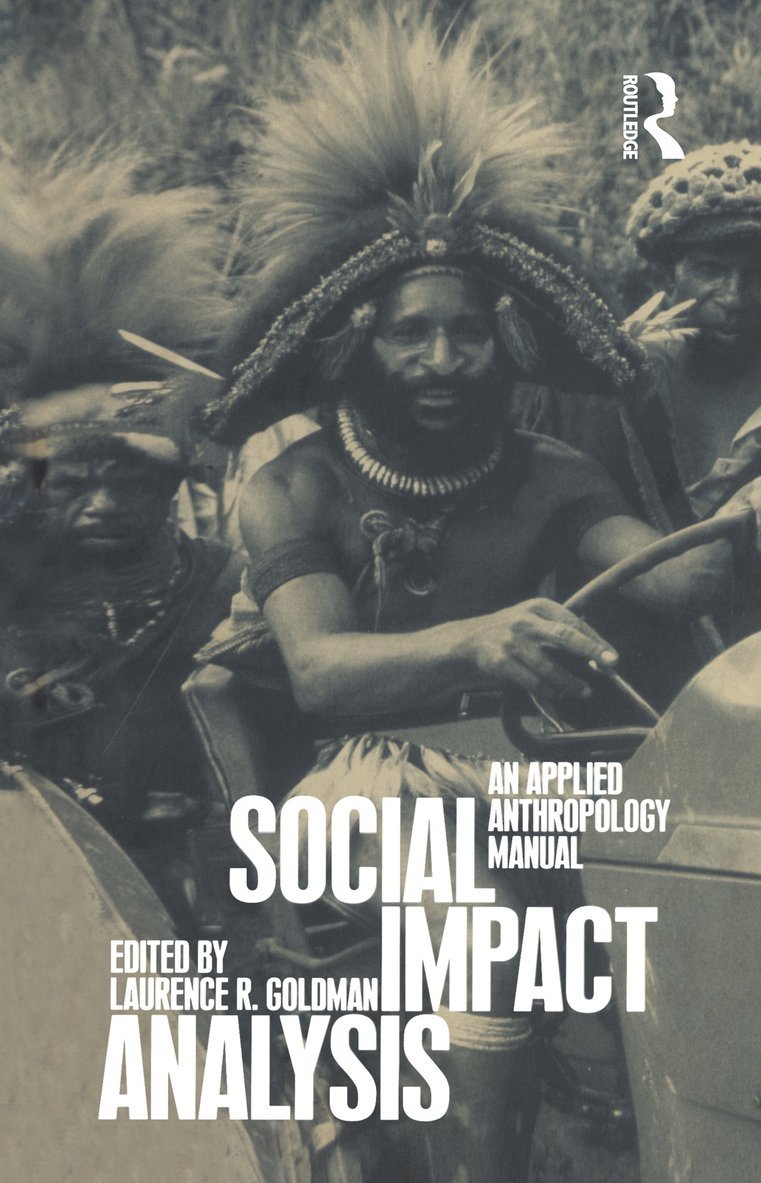
This book addresses the nature, purpose and processes associated with social impact analysis. Because resource development projects occur in human as well as ecological environments, stakeholders - landowners, companies and governments - are compelled to ensure that the benefits of any project are maximized while the negative risks are minimized. Achieving such objectives means implementing programs which monitor and evaluate the ongoing effects of a project on the social and cultural lives of the impacted populace. This book aims to provide a teaching and training resource for students, social scientists (anthropologists, sociologists, human geographers, environmentalists, engineers, etc.) and indigenous personnel and operators who are tasked with community affairs programs in those countries where resource development projects are implemented. The constituent chapters provide how-to guides and frameworks that are generously illustrated with case studies drawn variously from North America and the Asia-Pacific region. Topics addressed include Legal Frameworks and Compliance Procedures, Social Mapping, Environmental Reports, Social and Economic Impact Studies, Social Monitoring Techniques, Project Development, Statistical Packages and Report Production.This book is unique in so far as it seeks to prioritize application over theory. Moreover, it is the first training resource that is sensitive to non-western indigenes' need to assimilate and apply skills engendered by Western countries.
548 kr
Skickas inom 10-15 vardagar
This book addresses the nature, purpose and processes associated with social impact analysis. Because resource development projects occur in human as well as ecological environments, stakeholders - landowners, companies and governments - are compelled to ensure that the benefits of any project are maximized while the negative risks are minimized. Achieving such objectives means implementing programs which monitor and evaluate the ongoing effects of a project on the social and cultural lives of the impacted populace. This book aims to provide a teaching and training resource for students, social scientists (anthropologists, sociologists, human geographers, environmentalists, engineers, etc.) and indigenous personnel and operators who are tasked with community affairs programs in those countries where resource development projects are implemented. The constituent chapters provide how-to guides and frameworks that are generously illustrated with case studies drawn variously from North America and the Asia-Pacific region. Topics addressed include Legal Frameworks and Compliance Procedures, Social Mapping, Environmental Reports, Social and Economic Impact Studies, Social Monitoring Techniques, Project Development, Statistical Packages and Report Production.This book is unique in so far as it seeks to prioritize application over theory. Moreover, it is the first training resource that is sensitive to non-western indigenes' need to assimilate and apply skills engendered by Western countries.
2 044 kr
Skickas inom 10-15 vardagar
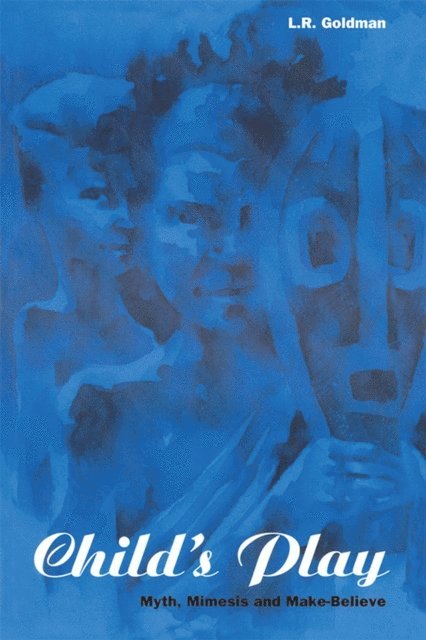
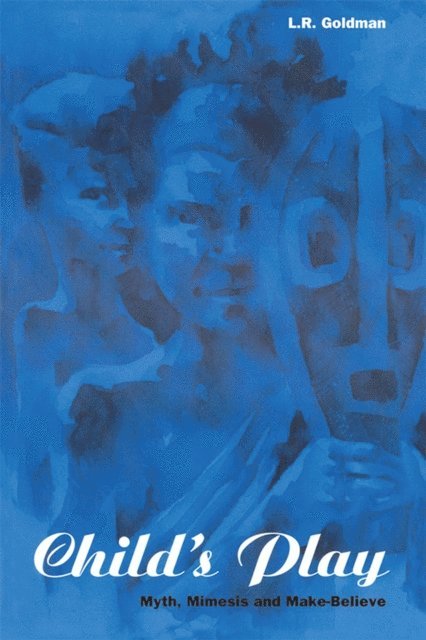
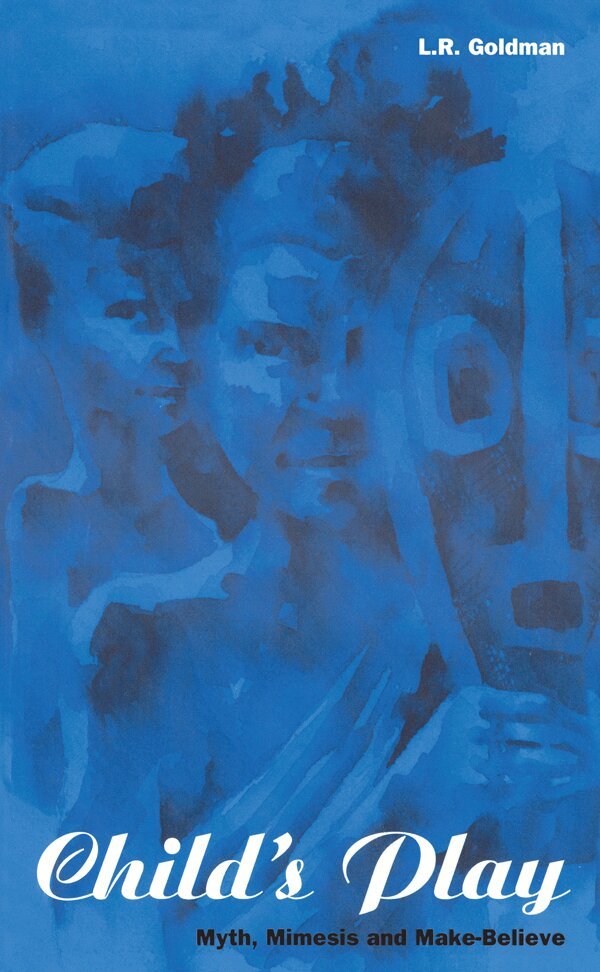
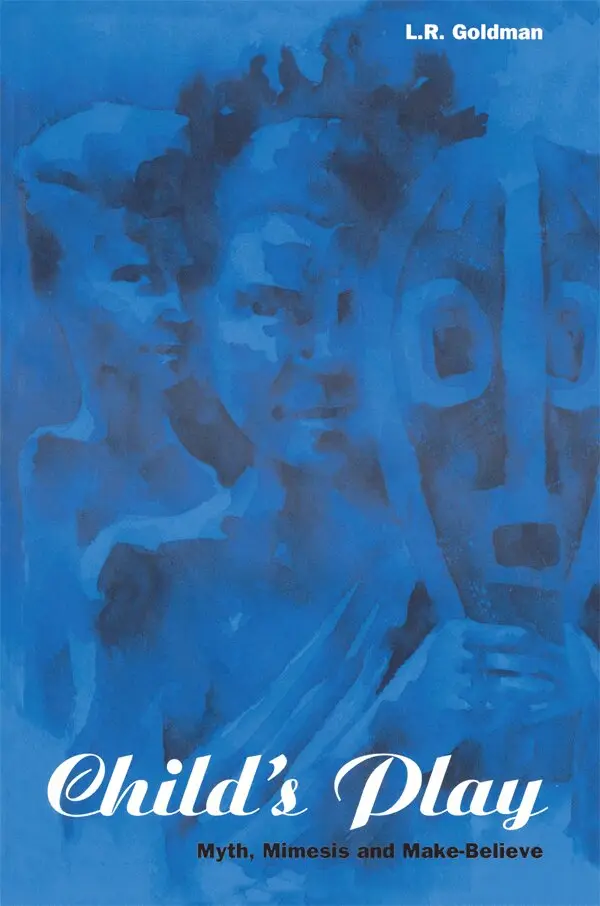
This innovative book finally takes seriously the need for anthropologists to produce in-depth ethnographies of children's play. In examining the subject from a cross-cultural perspective, the author argues that our understanding of the way children transform their environment to create make-believe is enhanced by viewing their creations as oral poetry. The result is a richly detailed ‘thick description' of how pretence is socially mediated and linguistically constructed, how children make sense of their own play, how play relates to other imaginative genres in Huli life, and the relationship between play and cosmology. Informed by theoretical approaches in the anthropology of play, developmental and child psychology, philosophy and phenomenology and drawing on ethnographic data from Melanesia, the book analyzes the sources for imitation, the kinds of identities and roles emulated, and the structure of collaborative make-believe talk to reveal the complex way in which children invoke their experiences of the world and re-invent them as types of virtual reality. Particular importance is placed on how the figures of the ogre and trickster are articulated. The author demonstrates that while the concept of ‘imagination' has been the cornerstone of Western intellectual traditions from Plato to Postmodernism, models of child fantasy play have always intruded into such theorizing because of children's unique capacity to throw into relief our understanding of the relationship between representation and reality.
532 kr
Skickas inom 10-15 vardagar
This innovative book finally takes seriously the need for anthropologists to produce in-depth ethnographies of children's play. In examining the subject from a cross-cultural perspective, the author argues that our understanding of the way children transform their environment to create make-believe is enhanced by viewing their creations as oral poetry. The result is a richly detailed ‘thick description' of how pretence is socially mediated and linguistically constructed, how children make sense of their own play, how play relates to other imaginative genres in Huli life, and the relationship between play and cosmology. Informed by theoretical approaches in the anthropology of play, developmental and child psychology, philosophy and phenomenology and drawing on ethnographic data from Melanesia, the book analyzes the sources for imitation, the kinds of identities and roles emulated, and the structure of collaborative make-believe talk to reveal the complex way in which children invoke their experiences of the world and re-invent them as types of virtual reality. Particular importance is placed on how the figures of the ogre and trickster are articulated. The author demonstrates that while the concept of ‘imagination' has been the cornerstone of Western intellectual traditions from Plato to Postmodernism, models of child fantasy play have always intruded into such theorizing because of children's unique capacity to throw into relief our understanding of the relationship between representation and reality.