Lawrence E. Babits – författare
Visar alla böcker från författaren Lawrence E. Babits. Handla med fri frakt och snabb leverans.
17 produkter
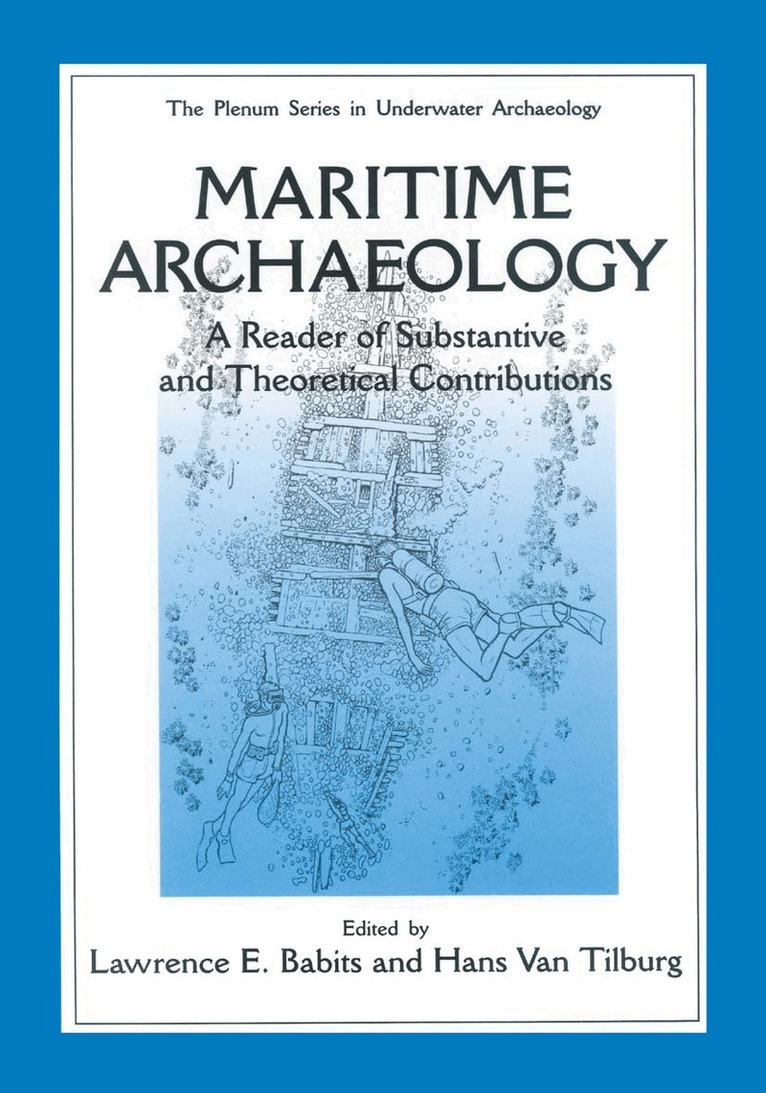
Maritime Archaeology
A Reader of Substantive and Theoretical Contributions
Av Lawrence E. Babits, Hans Van Tilburg
Inbunden, 1998
2249 kr
Lägg i varukorg
This volume initiates a new series of books on maritime or underwater archaeology, and as the editor of the series I welcome its appearance with great excitement. It is appropriate that the first book of the series is a collection of articles intended for gradu ate or undergraduate courses in …
Maritime Archaeology
A Reader of Substantive and Theoretical Contributions
Av Lawrence E. Babits, Hans Van Tilburg
Häftad, 1998
2249 kr
Lägg i varukorg
This volume initiates a new series of books on maritime or underwater archaeology, and as the editor of the series I welcome its appearance with great excitement. It is appropriate that the first book of the series is a collection of articles intended for gradu ate or undergraduate courses in …
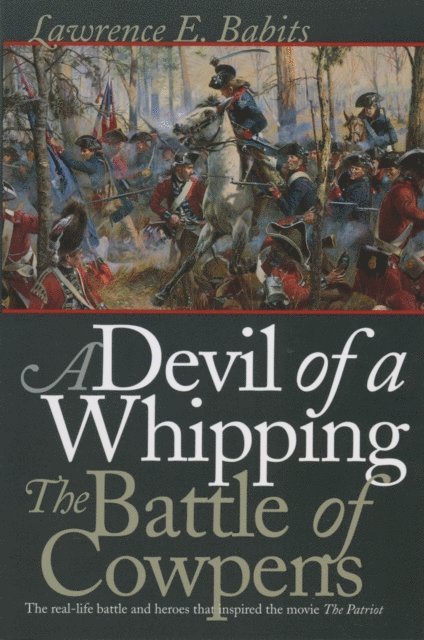
Devil of a Whipping
The Battle of Cowpens
Häftad, 2001
384 kr
Lägg i varukorg
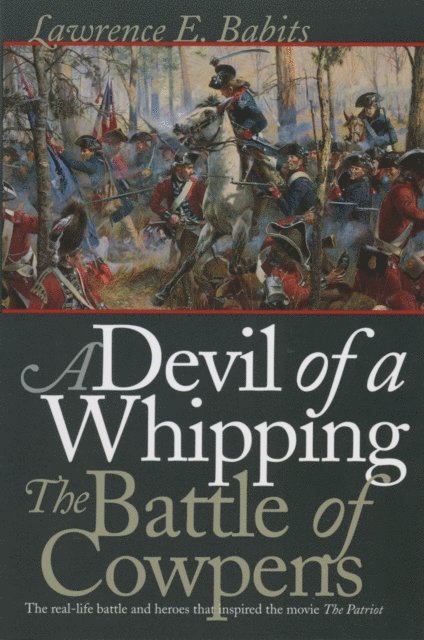
The real-life battle and heroes that inspired The Patriot On January 17, 1781, in a pasture near present-day Spartanburg, South Carolina, Daniel Morgan's army of Continental troops and militia routed an elite British force under the command of the notorious Banastre Tarleton. Using documentary and …
Devil of a Whipping
The Battle of Cowpens
E-bok, 2011
250 kr
Lägg i varukorg
The battle of Cowpens was a crucial turning point in the Revolutionary War in the South and stands as perhaps the finest American tactical demonstration of the entire war. On 17 January 1781, Daniel Morgan’s force of Continental troops and militia routed British regulars and Loyalists under the …
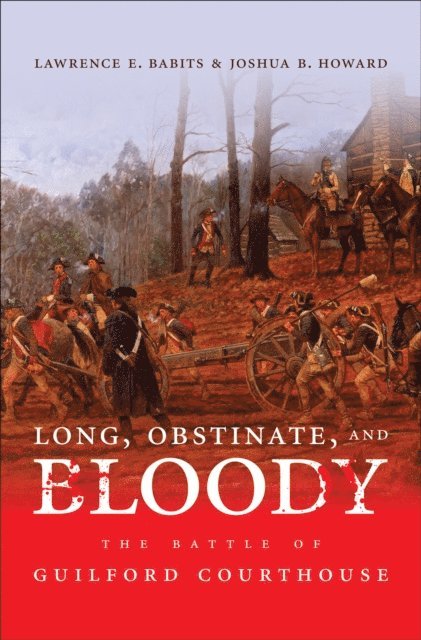
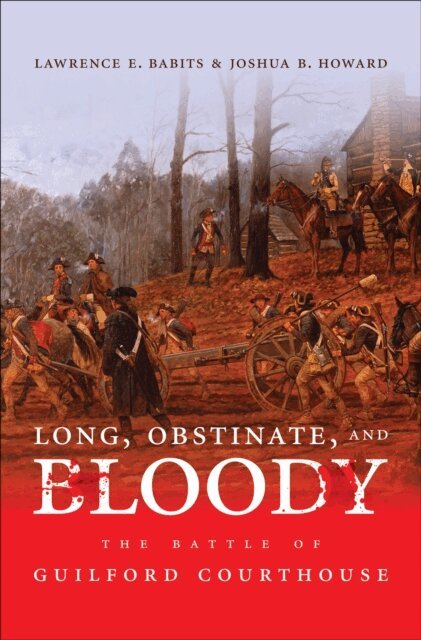
Long, Obstinate, and Bloody
The Battle of Guilford Courthouse
Av Joshua B. Howard, Lawrence E. Babits
E-bok, 2009
250 kr
Lägg i varukorg
On March 15, 1781, the armies of Nathanael Greene and Lord Charles Cornwallis fought one of the bloodiest and most intense engagements of the American Revolution at Guilford Courthouse in piedmont North Carolina. In Long, Obstinate, and Bloody , the first book-length examination of the Guilford …
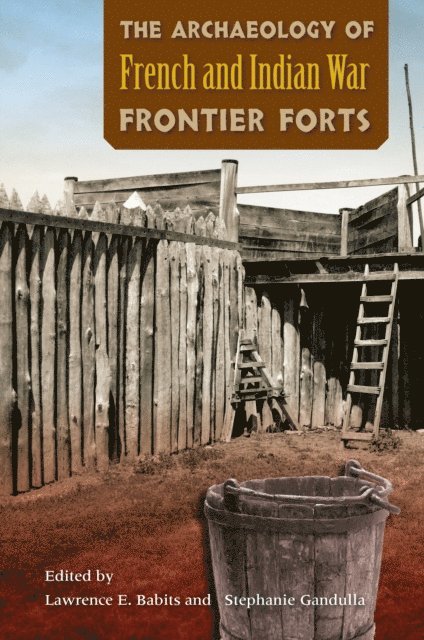
Archaeology of French and Indian War Frontier Forts
Av Stephanie Gandulla, Lawrence E. Babits
E-bok, 2013
1426 kr
Lägg i varukorg
Fort Ticonderoga, the allegedly impenetrable star fort at the southern end of Lake Champlain, is famous for its role in the French and Indian War. But many other one-of-a-kind forts were instrumental in staking out the early American colonial frontier. On the 250th anniversary of this …
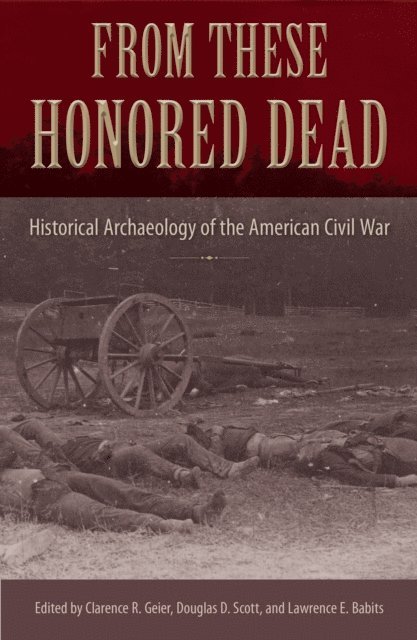
From These Honored Dead
Historical Archaeology of the American Civil War
Av Lawrence E. Babits, Douglas D. Scott m. fl.
E-bok, 2014
713 kr
Lägg i varukorg
Presenting the best current archaeological scholarship on the American Civil War, From These Honored Dead shows how historical archaeology can uncover the facts beneath the many myths and conflicting memories of the war that have been passed down through generations. By incorporating the results of …
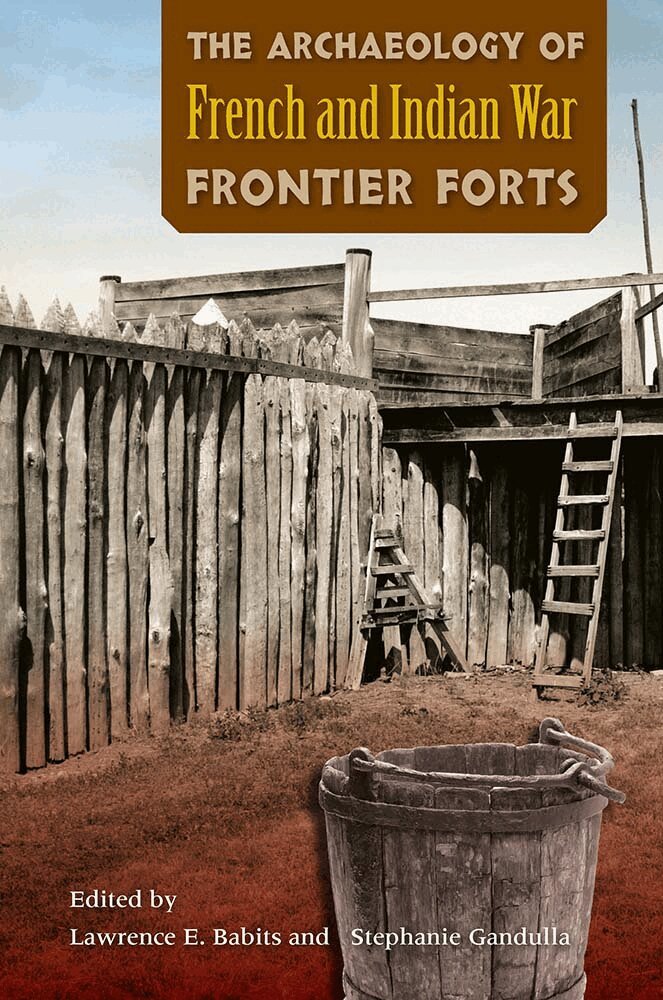
Archaeology of French and Indian War Frontier Forts
Av Lawrence E. Babits, Stephanie Gandulla m. fl.
Inbunden, 2013
935 kr
Lägg i varukorg
"The best compilation of work about the French and Indian War to date."--James Parker, coauthor of Archaeology at Fort Mims "Provides images of life on the expanding American frontier of the mid-eighteenth century. A unique and significant discussion of the French and Indian War."--Clarence R. …
From These Honored Dead
Historical Archaeology of the American Civil War
Av Clarence R. Geier, Douglas D. Scott m. fl.
Inbunden, 2014
5,0 utav 5 stjärnor. Totalt antal röster: (1)
471 kr
Lägg i varukorg
Presenting the best current archaeological scholarship on the American Civil War, From These Honoured Dead shows how historical archaeology can uncover the facts beneath the many myths and conflicting memories of the war that have been passed down through generations.By incorporating the results of …
Archaeology of French and Indian War Frontier Forts
Av Lawrence E. Babits, Stephanie Gandulla
Häftad, 2015
297 kr
Lägg i varukorg
This collection of essays presents an overview of the fortifications that guarded the frontiers and borderlands between Native Americans, French settlers, and Anglo-American settlers. Civilian, provincial, or imperial, the fortifications examined here range from South Carolina’s Fort Prince George …
Long, Obstinate, and Bloody
The Battle of Guilford Courthouse
Av Joshua B. Howard, Lawrence E. Babits
E-bok, 2013
1106 kr
Lägg i varukorg
On March 15, 1781, the armies of Nathanael Greene and Lord Charles Cornwallis fought one of the bloodiest and most intense engagements of the American Revolution at Guilford Courthouse in piedmont North Carolina. In Long, Obstinate, and Bloody , the first book-length examination of the Guilford …
Maritime Archaeology
A Reader of Substantive and Theoretical Contributions
Av Hans Van Tilburg, Lawrence E. Babits
E-bok, 2013
2948 kr
Lägg i varukorg
This volume initiates a new series of books on maritime or underwater archaeology, and as the editor of the series I welcome its appearance with great excitement. It is appropriate that the first book of the series is a collection of articles intended for gradu ate or undergraduate courses in …
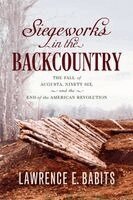
Siegeworks in the Backcountry
The Fall of Augusta, Ninety Six, and the End of the American Revolution
Inbunden, 2026
315 kr
Kommande
In the spring of 1781, two British strongpoints in Augusta, Georgia, and Ninety Six, South Carolina, fell under simultaneous pressure from Patriot forces. Under the brilliant, tenacious generalship of Nathanael Greene and an unprecedented logistical network stretching from Philadelphia to the …
Devil of a Whipping
The Battle of Cowpens
E-bok, 2011
250 kr
Lägg i varukorg
The battle of Cowpens was a crucial turning point in the Revolutionary War in the South and stands as perhaps the finest American tactical demonstration of the entire war. On 17 January 1781, Daniel Morgan’s force of Continental troops and militia routed British regulars and Loyalists under the …
Long, Obstinate, and Bloody
The Battle of Guilford Courthouse
Av Joshua B. Howard, Lawrence E. Babits
E-bok, 2009
250 kr
Lägg i varukorg
On March 15, 1781, the armies of Nathanael Greene and Lord Charles Cornwallis fought one of the bloodiest and most intense engagements of the American Revolution at Guilford Courthouse in piedmont North Carolina. In Long, Obstinate, and Bloody , the first book-length examination of the Guilford …
Long, Obstinate, and Bloody
The Battle of Guilford Courthouse
Av Joshua B. Howard, Lawrence E. Babits
E-bok, 2013
948 kr
Lägg i varukorg
On March 15, 1781, the armies of Nathanael Greene and Lord Charles Cornwallis fought one of the bloodiest and most intense engagements of the American Revolution at Guilford Courthouse in piedmont North Carolina. In Long, Obstinate, and Bloody, the first book-length examination of the Guilford …
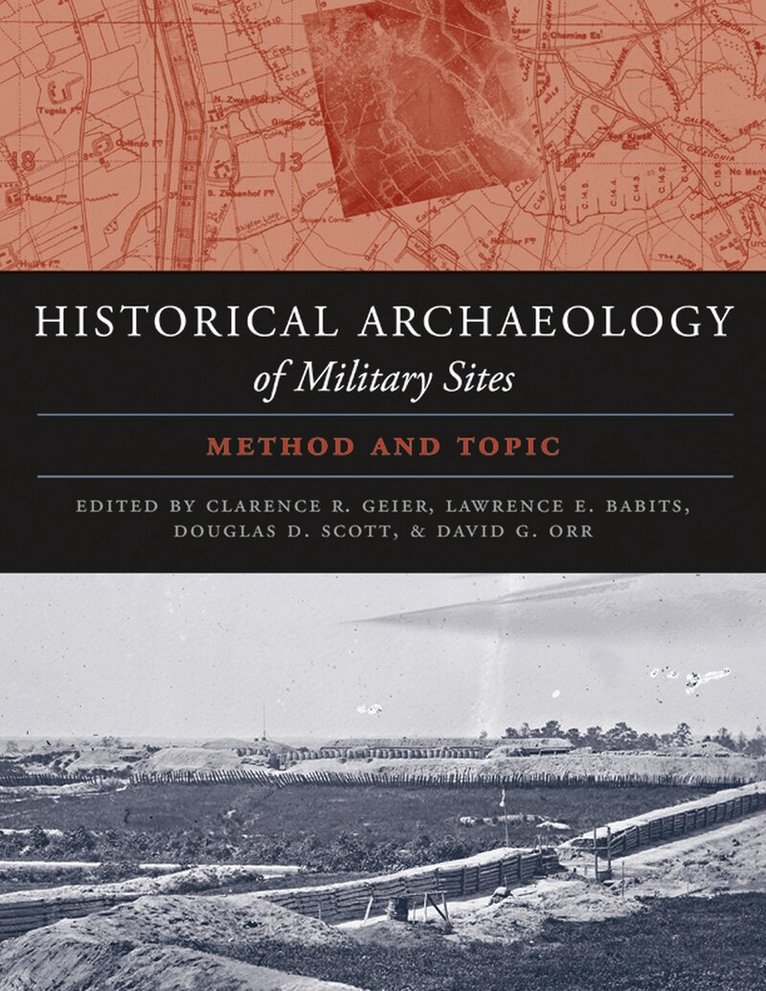
Historical Archaeology of Military Sites
Method and Topic
Av Clarence Raymond Geier, Lawrence E. Babits m. fl.
Inbunden, 2010
582 kr
Tillfälligt slut
The recent work of anthropologists, historians, and historical archaeologists has changed the very essence of military history. While once preoccupied with great battles and the generals who commanded the armies and employed the tactics, military history has begun to emphasize the importance of the …