Leah Deyneka - Böcker
Visar alla böcker från författaren Leah Deyneka. Handla med fri frakt och snabb leverans.
5 produkter
5 produkter
1 000 kr
Skickas inom 10-15 vardagar
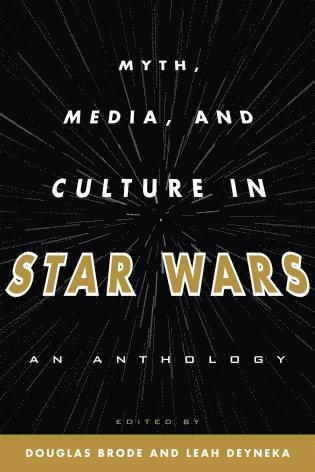
In 1977, Star Wars blazed across the screen to become one of the highest grossing and most beloved movies of all time. It was followed by two sequels and three prequels, all of which became blockbusters. Comic books, novels, graphic novels, and magazines devoted to the films have added to the mythology of George Lucas’s creation. Despite the impact of the franchise on popular culture, however, discussion of the films from a scholarly perspective has not kept pace with the films.In Myth, Media, and Culture in Star Wars: An Anthology, Douglas Brode and Leah Deyneka have assembled an intriguing collection of essays addressing the influences that shaped the films, as well as the impact the franchise has had on popular culture. Contributors to this volume discuss the Star Wars universe and what its connection to various cultural touchstones—from fairy tales and Joseph Campbell to Disneyland and Marvel comics—mean to viewers.Essays examine the films in the franchise as well as incarnations of the Star Wars universe in video games, comic books, and television programs, including the films’ influence on new generations of filmmakers. A companion volume to Sex, Politics, and Culture in Star Wars, Myth, Media, and Culture in Star Wars is a diverse collection of criticism that investigates the dynamic force that Star Wars has become in popular culture, from every imaginable angle.
1 071 kr
Skickas inom 10-15 vardagar
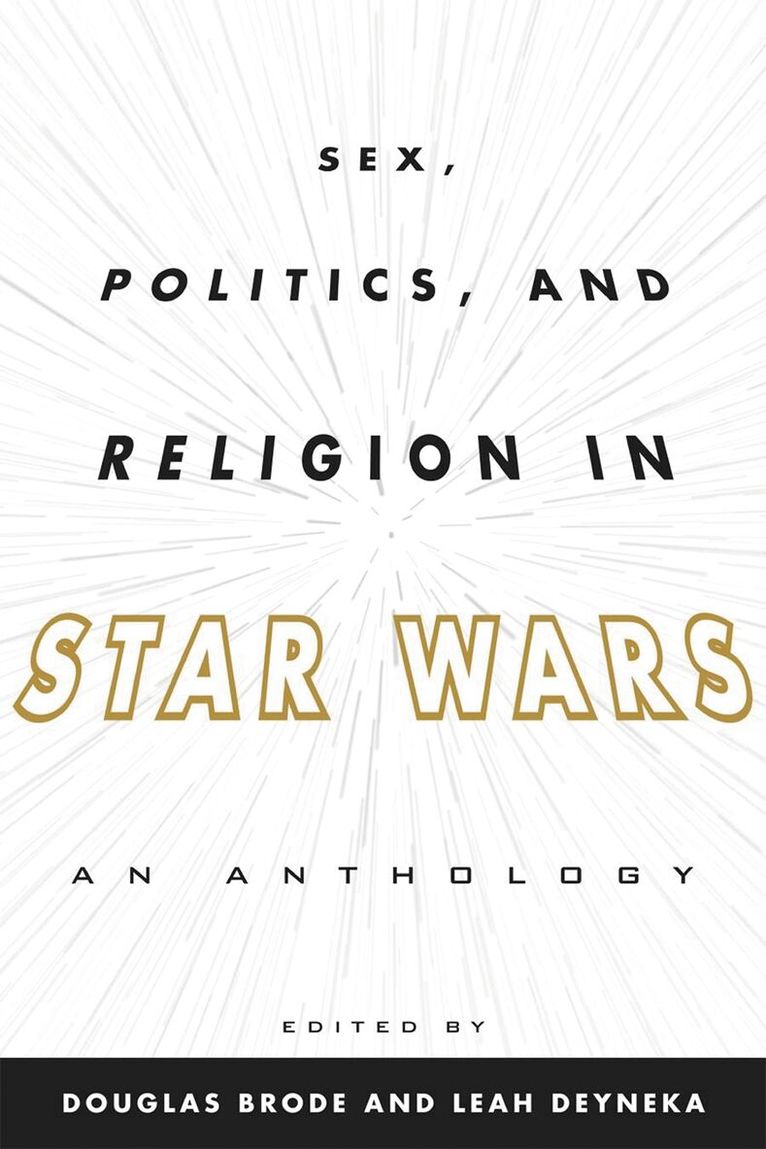
In 1977, Star Wars blazed across the screen to become one of the highest grossing and most beloved movies of all time, spawning an unprecedented merchandising phenomenon. It was followed by two sequels and three prequels, all of which became blockbusters. Comic books, novels, graphic novels, and magazines devoted to the films added to the mythology of George Lucas’s creation. Despite the impact of the franchise on popular culture, however, discussion of the films from a scholarly perspective has not kept pace with the films.In Sex, Politics, and Religion in Star Wars: An Anthology, Douglas Brode and Leah Deyneka have assembled a provocative collection of essays exploring some of the more intriguing aspects of the Star Wars phenomenon. Contributors to the volume tackle such hot topics as race and racism in the Star Wars galaxy, Judeo-Christian and Eastern religious themes, homosexual romance, and philosophical and political implications—both earthbound and otherworldly.These essays interpret the Star Wars universe from a variety of perspectives—including feminist and Freudian—offering insights from writers who bring a new passion to the subject. A companion volume to Myth, Media, and Culture in Star Wars, Sex, Politics, and Religion in Star Wars is an authoritative anthology incorporating scholarly analysis with engaging insights. It will engross readers, both fans and scholars alike.
1 071 kr
Skickas inom 10-15 vardagar
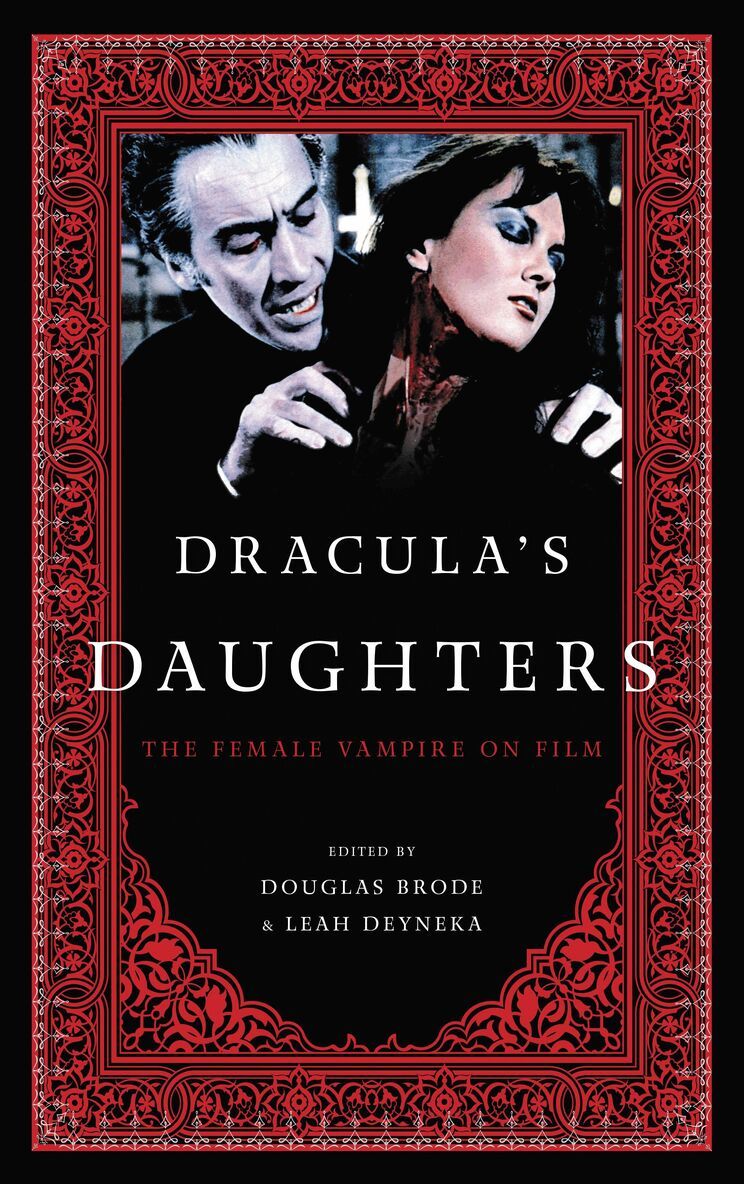
Almost as long as cinema has existed, vampires have appeared on screen. Symbolizing an unholy union between sex and death, the vampire—male or female—has represented the libido, a “repressed force” that consumed its victims. Early iconic representations of male vampires were seen in Nosferatu (1922) and Dracula (1931), but not until Dracula’s Daughter in 1936 did a female “sex vampire” assume the lead. Other female vampires followed, perhaps most provocatively in the Hammer films of the 1950s, ’60s, and ’70s. Later incarnations, in such films as Near Dark (1987) and From Dusk till Dawn (1996), offered modern takes on this now iconic figure.In Dracula’s Daughters: The Female Vampire on Film, Douglas Brode and Leah Deyneka have assembled a varied collection of essays that explore this cinematic type that simultaneously frightens and seduces viewers. These essays address a number of issues raised by the female vampire film, such as violence perpetrated on and by women; reactions to the genre from feminists, antifeminists, and postfeminists; the implications of female vampire films for audiences both gay and straight; and how films reflected the period during which they were created. Other topics include female vampire films in relationship to vampire fiction, particularly by women such as Anne Rice; the relationship of the vampire myth to sexually transmitted diseases like AIDS; issues of race and misogyny; and the unique phenomenon of teen vampires in young adult books and films such as Twilight.Featuring more than thirty photos spanning several decades, this collection offers a compelling assessment of an archetypal figure—an enduring representation of dark desires—that continues to captivate audiences. This book will appeal not only to scholars and students but also to any lover of transgressive cinema.
1 276 kr
Skickas inom 10-15 vardagar
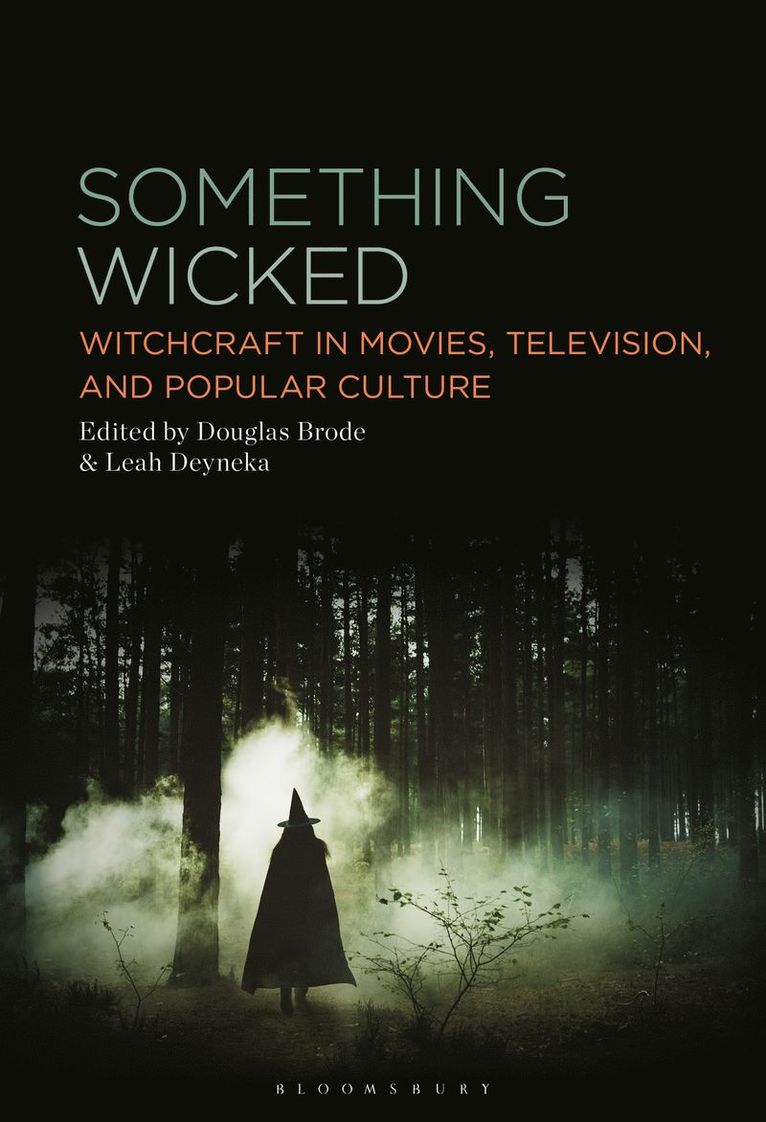
An anthology of essays that deal with Witchcraft and the figure of the Witch, as they have been presented in motion pictures, television, and popular culture, in order to understand how, why, and when the common anti-Witchcraft/ anti-Witch attitude evolved.Mainstream tales of Witchcraft, including modern movies, novels, TV series, and other examples of our popular culture, more often than not express the traditional notion of a Witch as a wild, dangerous, untamable, “nasty” woman, obsessed with a desire for power to control all around her, in most narratives such a hunger presented as a negative. In truth, The Witch is a symbol of ‘threatening evil’ only to those men and women who accept a conservative sensibility. For members of either gender who do not, The Witch is perceived as hero and role model.This collection begins with the Biblical figure of Lilith, followed by Morgan le Fey from Arthurian legend/ myth in literature as well as in popular culture, followed by the more contemporary depictions of the Witch that start to appear in the 1960s; for example, in the Bewitched sitcom, the Star Wars franchise, Harry Potter, and even the television show Scooby-Doo. International depictions of the Witch are discussed, including Italy’s Dario Argento’s films, Suspiria and Inferno. The final section of this collection focuses on the most iconic depictions of the Witch produced during the 21st century, including A Discovery of Witches, Penny Dreadful, Game of Thrones and the history of the Witch in films by the Walt Disney studio, from its origins more than a century ago to the latest releases, arguing that here, if perhaps surprisingly, we discover the most fair and balanced portraits of Witches in the history of film and TV.
484 kr
Kommande
An anthology of essays that deal with Witchcraft and the figure of the Witch, as they have been presented in motion pictures, television, and popular culture, in order to understand how, why, and when the common anti-Witchcraft/ anti-Witch attitude evolved.Mainstream tales of Witchcraft, including modern movies, novels, TV series, and other examples of our popular culture, more often than not express the traditional notion of a Witch as a wild, dangerous, untamable, “nasty” woman, obsessed with a desire for power to control all around her, in most narratives such a hunger presented as a negative. In truth, The Witch is a symbol of ‘threatening evil’ only to those men and women who accept a conservative sensibility. For members of either gender who do not, The Witch is perceived as hero and role model.This collection begins with the Biblical figure of Lilith, followed by Morgan le Fey from Arthurian legend/ myth in literature as well as in popular culture, followed by the more contemporary depictions of the Witch that start to appear in the 1960s; for example, in the Bewitched sitcom, the Star Wars franchise, Harry Potter, and even the television show Scooby-Doo. International depictions of the Witch are discussed, including Italy’s Dario Argento’s films, Suspiria and Inferno. The final section of this collection focuses on the most iconic depictions of the Witch produced during the 21st century, including A Discovery of Witches, Penny Dreadful, Game of Thrones and the history of the Witch in films by the Walt Disney studio, from its origins more than a century ago to the latest releases, arguing that here, if perhaps surprisingly, we discover the most fair and balanced portraits of Witches in the history of film and TV.