Lee J. T. White - Böcker
Visar alla böcker från författaren Lee J. T. White. Handla med fri frakt och snabb leverans.
2 produkter
2 produkter
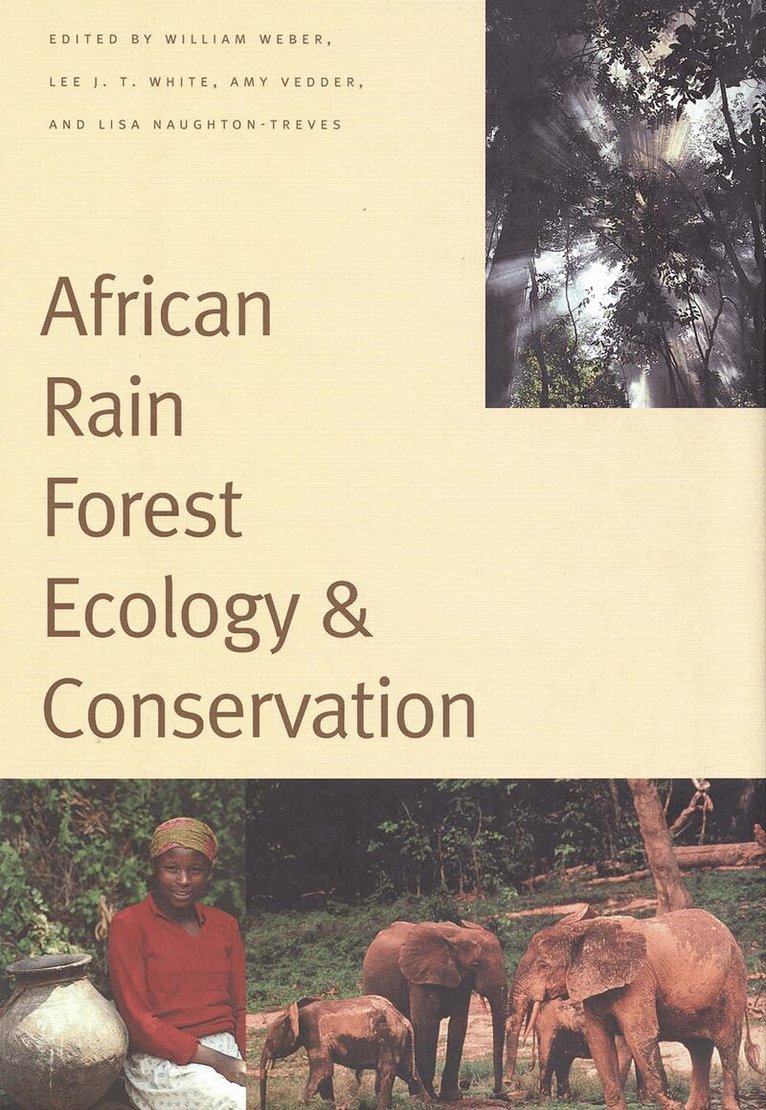
African Rain Forest Ecology and Conservation
An Interdisciplinary Perspective
Inbunden, Engelska, 2001
1 496 kr
Skickas inom 5-8 vardagar
Extending from west Africa to Madagascar, from the vast lowland Congo Basin to the archipelago of forest islands on its eastern rim, the African rain forest is surpassed in size only by the Amazon. This book sheds light on the current efforts to understand and conserve the African rain forest, an area in need of urgent action to save its biological wealth, cultural heritage, and economic potential.Written by conservation scientists and practitioners based in the African rain forest, the book offers a multidisciplinary perspective that integrates many biological and social sciences. Early chapters trace the forces--from paleoecological factors to recent human actions--that have shaped the African forest environment. The next chapters discuss the dominant biological patterns of species ranging from the distinctive elephants, gorillas, and okapi to the less well known birds, butterflies, and amphibians. Other chapters focus on how such different groups as hunter-gatherers, forest farmers, bushmeat hunters, recent immigrants, and commercial foresters have used the forests. Several authors stress the need for tighter links between research and conservation action. The final section draws lessons from the collective experience of those working in an Africa wracked by political strife and economic hardship.
939 kr
Skickas inom 5-8 vardagar
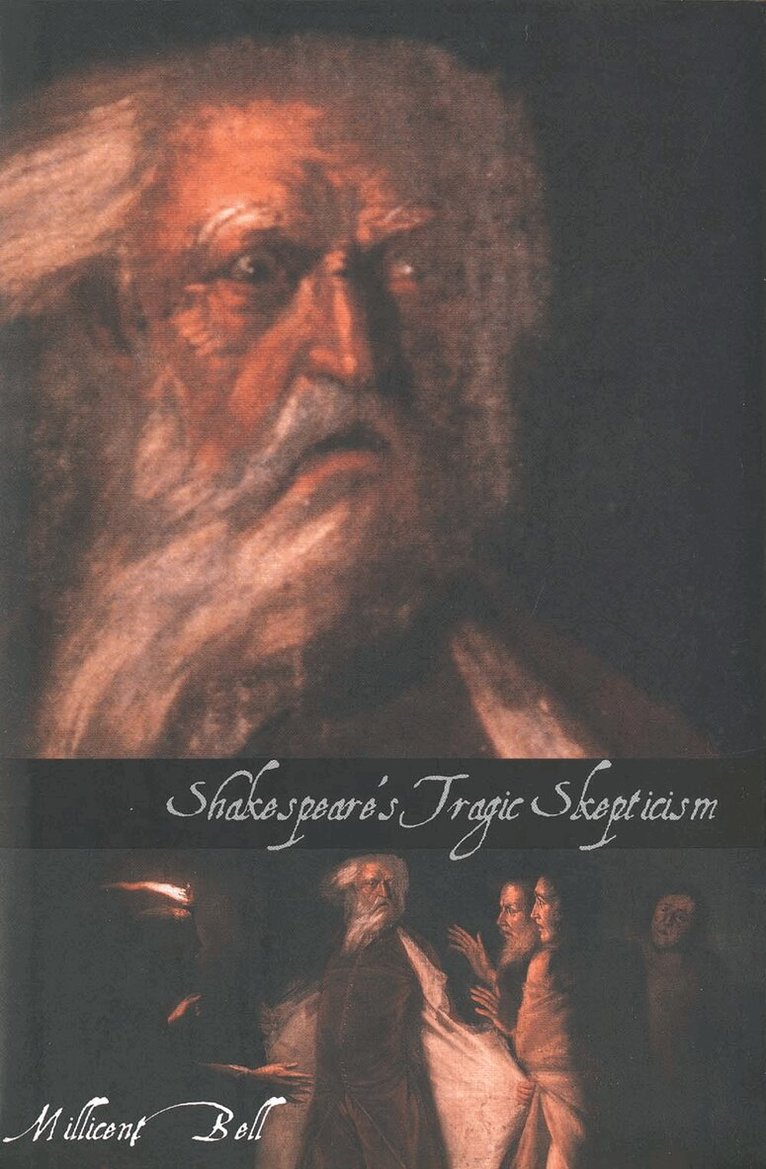
Readers of Shakespeare’s greatest tragedies have long noted the absence of readily explainable motivations for some of Shakespeare’s greatest characters: why does Hamlet delay his revenge for so long? Why does King Lear choose to renounce his power? Why is Othello so vulnerable to Iago’s malice? But while many critics have chosen to overlook these omissions or explain them away, Millicent Bell demonstrates that they are essential elements of Shakespeare’s philosophy of doubt. Examining the major tragedies, Millicent Bell reveals the persistent strain of philosophical skepticism. Like his contemporary, Montaigne, Shakespeare repeatedly calls attention to the essential unknowability of our world.In a period of social, political, and religious upheaval, uncertainty hovered over matters great and small—the succession of the crown, the death of loved ones from plague, the failure of a harvest. Tumultuous social conditions raised ultimate questions for Shakespeare, Bell argues, and ultimately provoked in him a skepticism which casts shadows of existential doubt over his greatest masterpieces.