Lee T. Pearcy – författare
Visar alla böcker från författaren Lee T. Pearcy. Handla med fri frakt och snabb leverans.
6 produkter
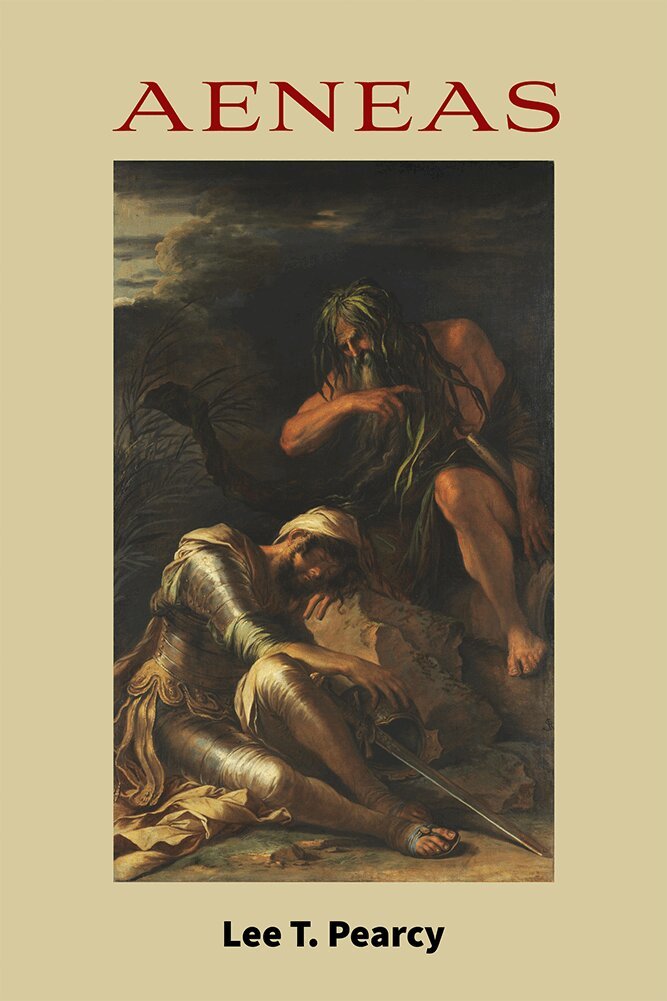
Aeneas
Häftad, 2021
509 kr
Lägg i varukorg
The central character of Vergil’s Aeneid seems to elude readers. To some, he is unlikable; to others, he seems unreal, a figure on which to hang a plot. Aeneas discovers a tragic figure whose defining virtue depends on a past that has been stripped from him, and whose destiny blocks him from the …
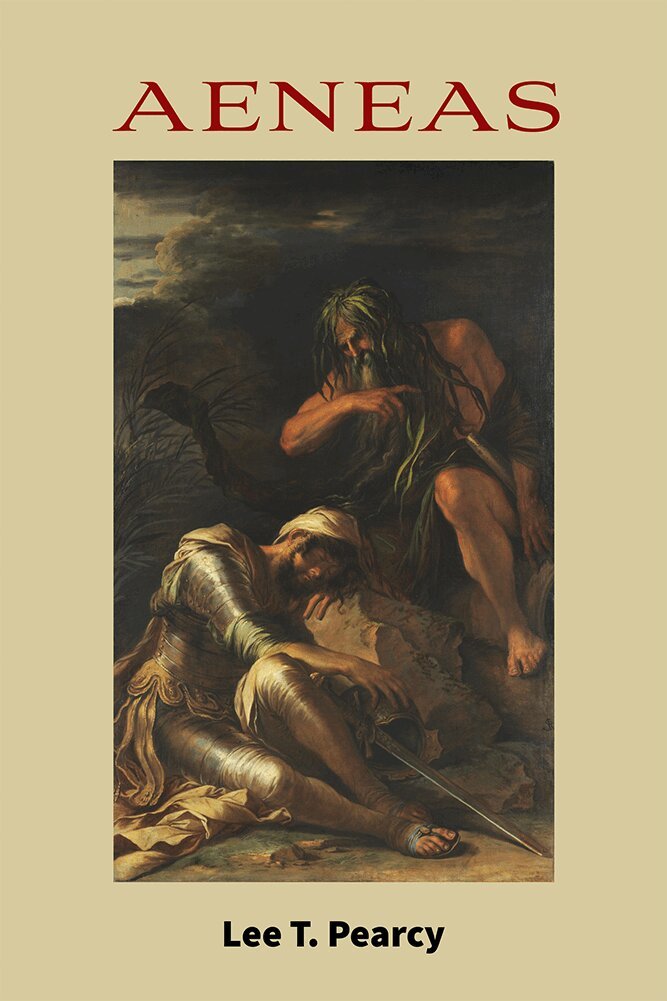
Aeneas
Inbunden, 2021
1374 kr
Lägg i varukorg
The central character of Vergil’s Aeneid seems to elude readers. To some, he is unlikable; to others, he seems unreal, a figure on which to hang a plot. Aeneas discovers a tragic figure whose defining virtue depends on a past that has been stripped from him, and whose destiny blocks him from the …
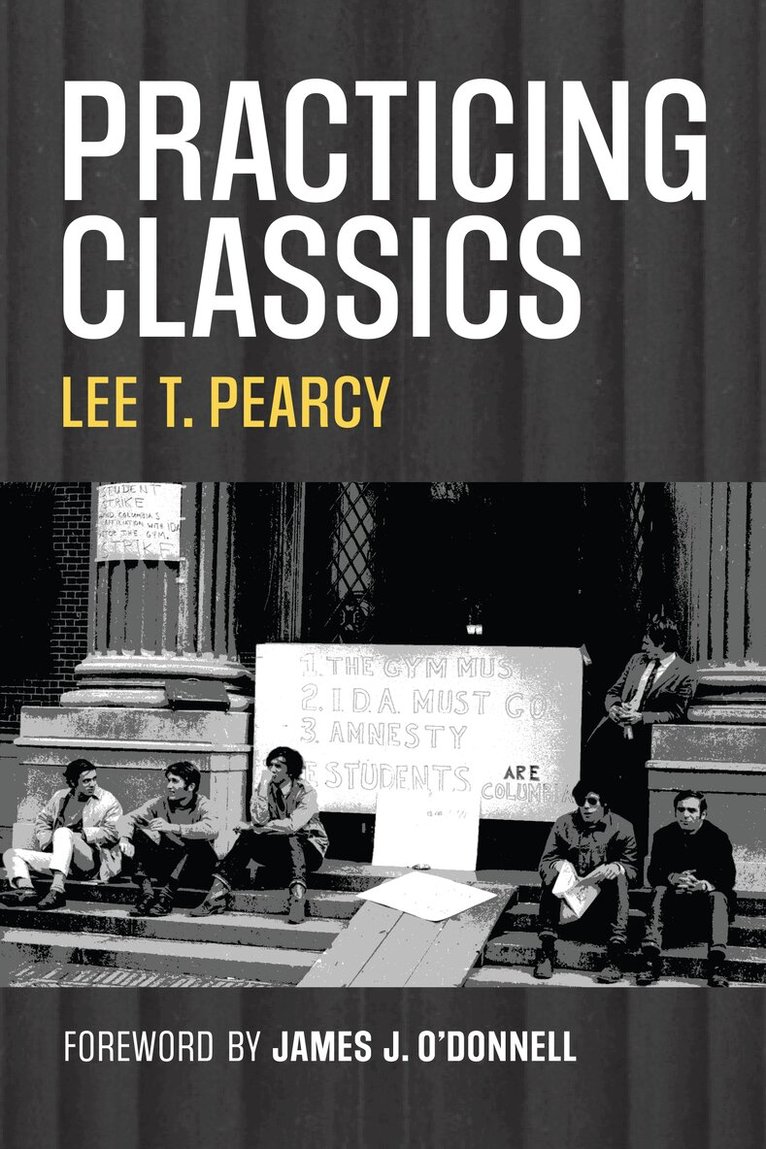
Practicing Classics
A Memoir
Inbunden, 2026
738 kr
Kommande
Practicing Classics is a memoir about education in America between the end of WWII and the early 21st century. Not only does it consider memory, its truths, and its deceptions, but it also unravels the complexities of class, race, gender, and social positioning in education. Lee Pearcy’s story …
The Homeric Hymn to Apollo
Av Peter M. Smith, Lee T. Pearcy
Häftad, 1981
194 kr
Lägg i varukorg
Bryn Mawr Commentaries provide clear, concise, accurate, and consistent support for students making the transition from introductory and intermediate texts to the direct experience of ancient Greek and Latin literature. They assume that the student will know the basics of grammar and vocabulary and …
The Shorter Homeric Hymns
Häftad, 1989
167 kr
Lägg i varukorg
Bryn Mawr Commentaries provide clear, concise, accurate, and consistent support for students making the transition from introductory and intermediate texts to the direct experience of ancient Greek and Latin literature. They assume that the student will know the basics of grammar and vocabulary and …
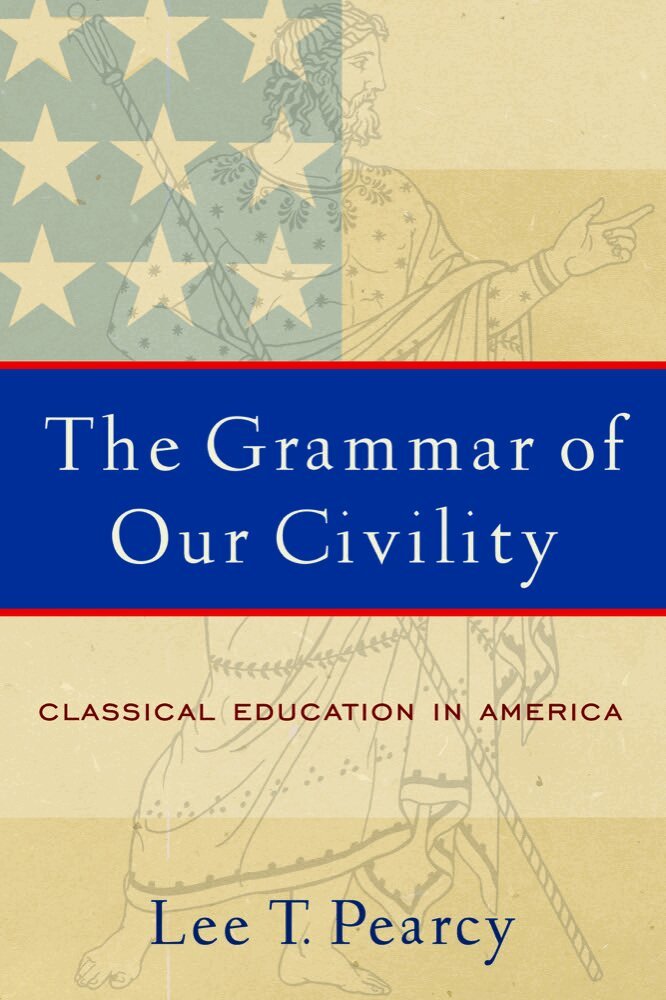
Grammar of Our Civility
Classical Education in America
Häftad, 2005
281 kr
Lägg i varukorg
The pragmatic demands of American life have made higher education's sustained study of ancient Greece and Rome an irrelevant luxury - and this despite the fact that American democracy depends so heavily on classical language, literature, and political theory. In The Grammar of Our Civility, Lee T. …