Inbunden, Engelska, 2026
1 258 kr
Skickas inom 5-8 vardagar
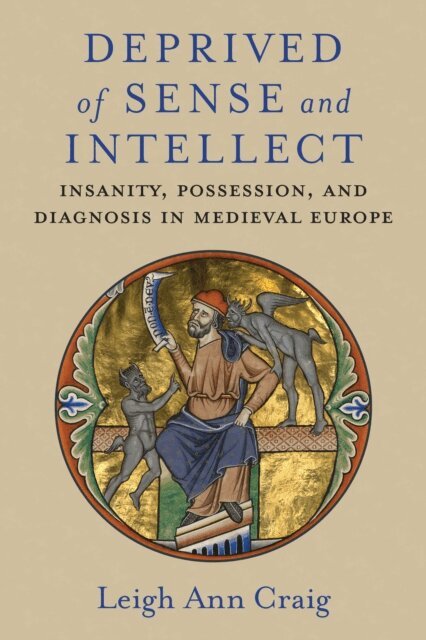
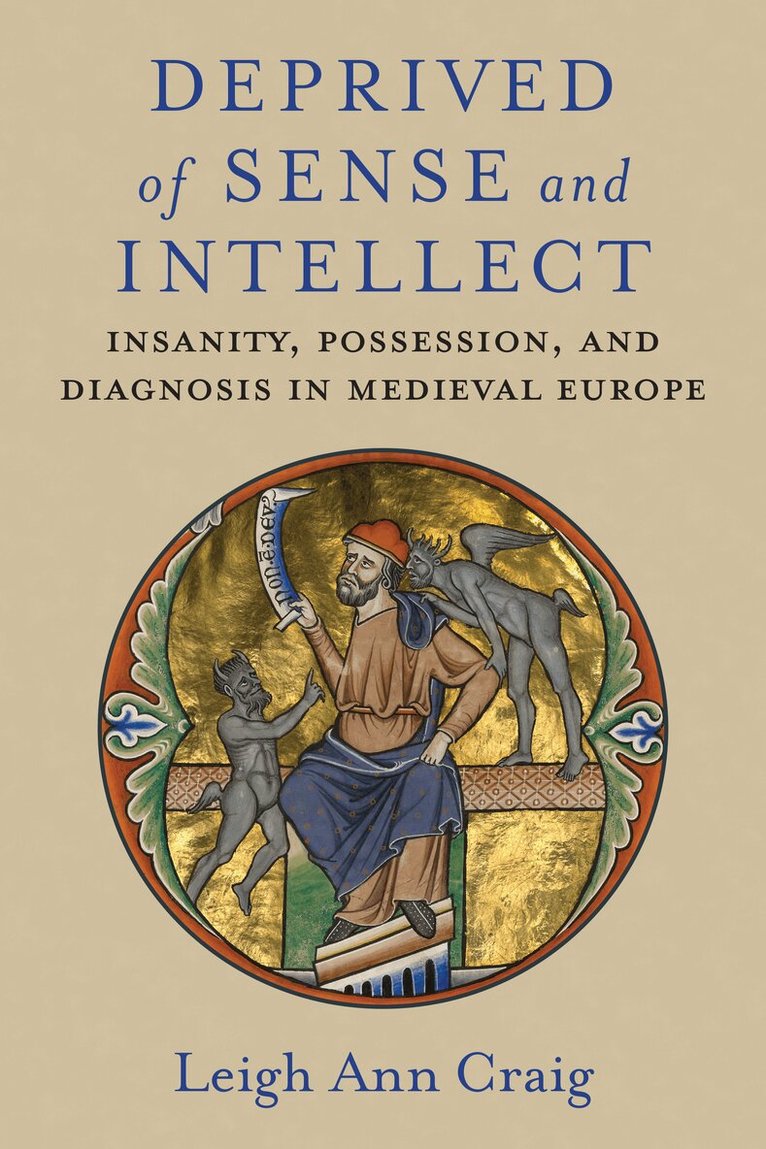
Medieval saints were thought to be able to provide miraculous cures for a wide variety of illnesses, and about one-tenth of their miracles involved the restoration of sanity to those who had lost their minds. Deprived of Sense and Intellect explores 460 of these stories written across Latin Christendom between 1240 and 1500. The study uses the lens of critical disability studies to bridge the gap between discussions of demonic possession and naturally arising somatic conditions, treating all these narratives about disability and miraculous healing not as documentation of changes to the function of an individual person, but instead as evidence of substantial and intrusive interpersonal tensions in medieval communities.While medieval communities assigned these tensions to a malfunction of consciousness in a single person, medieval miracle texts also reveal how the function and malfunction of consciousness was named and classified. In studying these texts, Leigh Ann Craig explores the terminology and rhetoric used to diagnose a loss of mind as either from natural causes or as an effect of demonic predation, tracing the use of Latin vocabulary in medical compendia, law, and theology. Deprived of Sense and Intellect finds that since diagnoses were difficult and frequently subject to doubt, they varied based on regional cultures of disability in northern and southern Europe, the influences on the development of community consensus in Latin Europe in the Middle Ages, and assumptions based on gender, material evidence, and self-diagnosis.