Lejla Kucukalic - Böcker
Visar alla böcker från författaren Lejla Kucukalic. Handla med fri frakt och snabb leverans.
4 produkter
4 produkter
863 kr
Skickas inom 10-15 vardagar
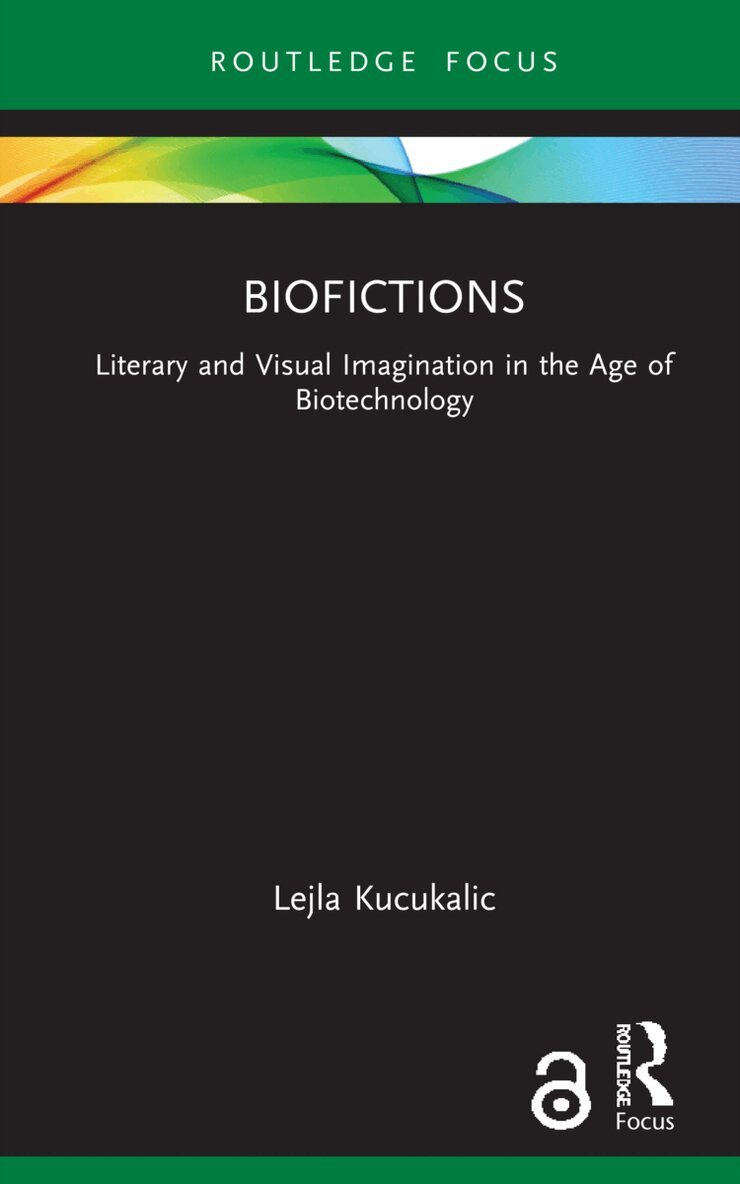
Biofictions introduces three novel concepts: ‘biofiction,’ ‘bioimagination,’ and ‘biodiscourse’ to talk about intersections of literary and visual texts and biotechnology. The book proposes a new interdisciplinary area of research that correlates processes of genetics and literature, based on two critical approaches. One, drawing parallels between the genetic codes, human language, formal (binary) language, and posthuman communication and the role of meaning and imagination in these forms of communication. Two, by defining ‘biofictions’ as a critical scientific-artistic concept and as a corpus of texts that engage ideas and developments in molecular biology. Syncretic connection between biotechnology and literature is especially evident in an open science movement and the literary artistic genre of biopunk, discussed across chapters. The study includes well-known contemporary texts, such as David Foster Wallace’s Infinite Jest, that are recontextualized as biofiction; it offers a rereading of important but neglected novels such as Thomas Disch’s Camp Concentration (1967); and it analyzes new visual texts such as the TV series Altered Carbon and Ghost in the Shell films. Based on these wide-ranging examples and new critical concepts, the book argues that coming up with possible alterations for the genetic code or intended traits for the organism is a discursive practice that brings into being bionarratives that are both organic and literary.Chapter 1 of this book is freely available as a downloadable Open Access PDF under a Creative Commons Attribution-Non Commercial-No Derivatives 4.0 license.
335 kr
Skickas inom 10-15 vardagar
Biofictions introduces three novel concepts: ‘biofiction,’ ‘bioimagination,’ and ‘biodiscourse’ to talk about intersections of literary and visual texts and biotechnology. The book proposes a new interdisciplinary area of research that correlates processes of genetics and literature, based on two critical approaches. One, drawing parallels between the genetic codes, human language, formal (binary) language, and posthuman communication and the role of meaning and imagination in these forms of communication. Two, by defining ‘biofictions’ as a critical scientific-artistic concept and as a corpus of texts that engage ideas and developments in molecular biology. Syncretic connection between biotechnology and literature is especially evident in an open science movement and the literary artistic genre of biopunk, discussed across chapters. The study includes well-known contemporary texts, such as David Foster Wallace’s Infinite Jest, that are recontextualized as biofiction; it offers a rereading of important but neglected novels such as Thomas Disch’s Camp Concentration (1967); and it analyzes new visual texts such as the TV series Altered Carbon and Ghost in the Shell films. Based on these wide-ranging examples and new critical concepts, the book argues that coming up with possible alterations for the genetic code or intended traits for the organism is a discursive practice that brings into being bionarratives that are both organic and literary.Chapter 1 of this book is freely available as a downloadable Open Access PDF under a Creative Commons Attribution-Non Commercial-No Derivatives 4.0 license.
926 kr
Skickas inom 10-15 vardagar
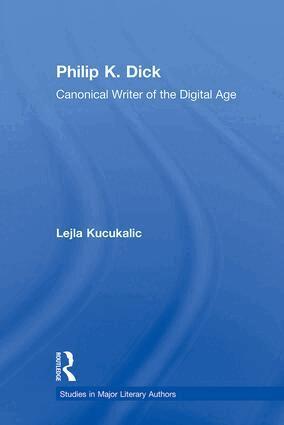
Kucukalic looks beyond the received criticism and stereotypes attached to Philip K. Dick and his work and shows, using a wealth of primary documents including previously unpublished letters and interviews, that Philip K. Dick is a serious and relevant philosophical and cultural thinker whose writing offer us important insights into contemporary digital culture. Evaluating five novels that span Dick's career--from Martian Time Slip (1964) to Valis (1981)--Kucukalic explores the the intersections of identity, narrative, and technology in order to ask two central, but uncharted "Dickian" questions: What is reality? and What is human?
2 496 kr
Skickas inom 10-15 vardagar
Kucukalic looks beyond the received criticism and stereotypes attached to Philip K. Dick and his work and shows, using a wealth of primary documents including previously unpublished letters and interviews, that Philip K. Dick is a serious and relevant philosophical and cultural thinker whose writing offer us important insights into contemporary digital culture. Evaluating five novels that span Dick's career--from Martian Time Slip (1964) to Valis (1981)--Kucukalic explores the the intersections of identity, narrative, and technology in order to ask two central, but uncharted "Dickian" questions: What is reality? and What is human?