Leland C. Bement - Böcker
Visar alla böcker från författaren Leland C. Bement. Handla med fri frakt och snabb leverans.
4 produkter
4 produkter
213 kr
Skickas inom 10-15 vardagar
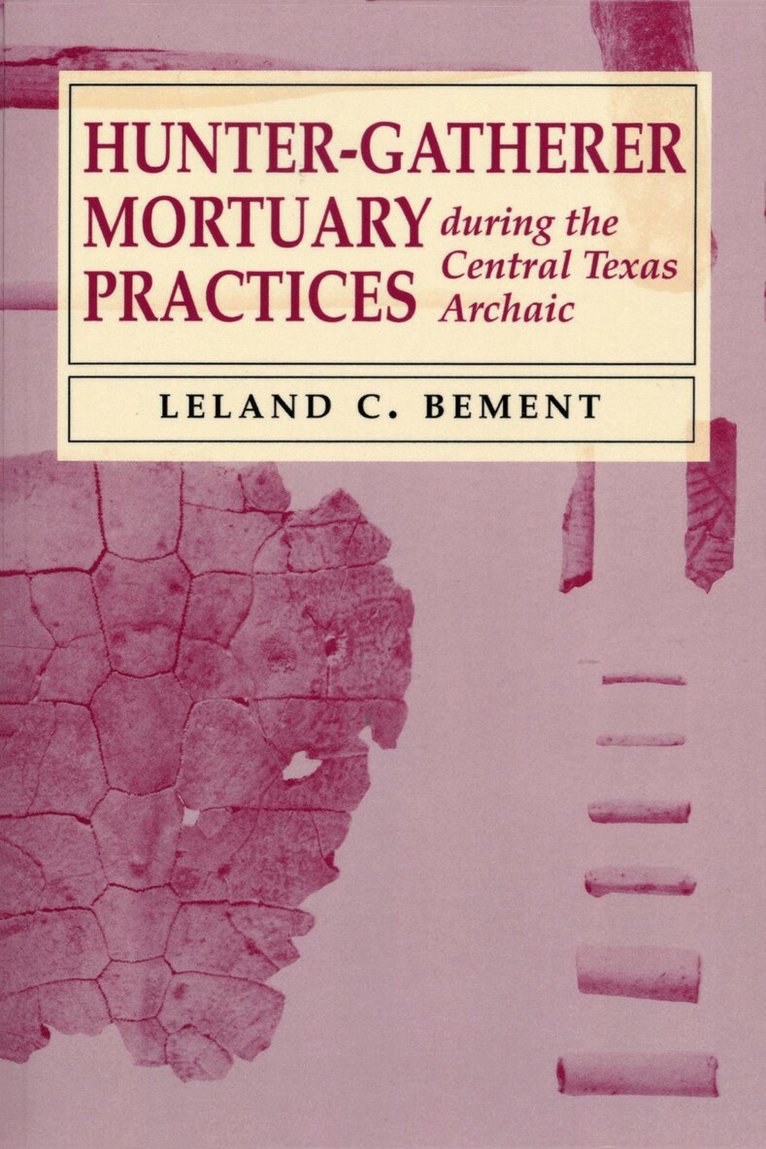
Beginning over 10,000 years ago and continuing until the arrival of the Spanish in the 1500s, hunter and gatherer societies occupied the Edwards Plateau of central Texas. Archaeological studies over the past eighty years have reconstructed their subsistence, technology, and settlement patterns, but until now little information has been available on their burial practices, due to the scarcity of known burial sites. This detailed archaeological report describes the human skeletal remains, burial furnishings, and fauna recovered from Bering Sinkhole in Kerr County, the first carefully excavated hunter-gatherer burial site in central Texas.The remains in Bering Sinkhole were deposited from 7,500 to 2,000 years ago. Leland Bement's analysis reveals a growing elaboration in burial rituals during the period and also uncovers important data on the diet and health of the hunter-gatherers. He discusses climate change based on faunal remains and compares burial goods such as bone, antler, freshwater shell, marine shell, turtle, and stone artifacts with those found at other Texas mortuary sites and with deposits at hunter-gatherer habitation sites in Central Texas.
296 kr
Skickas inom 10-15 vardagar
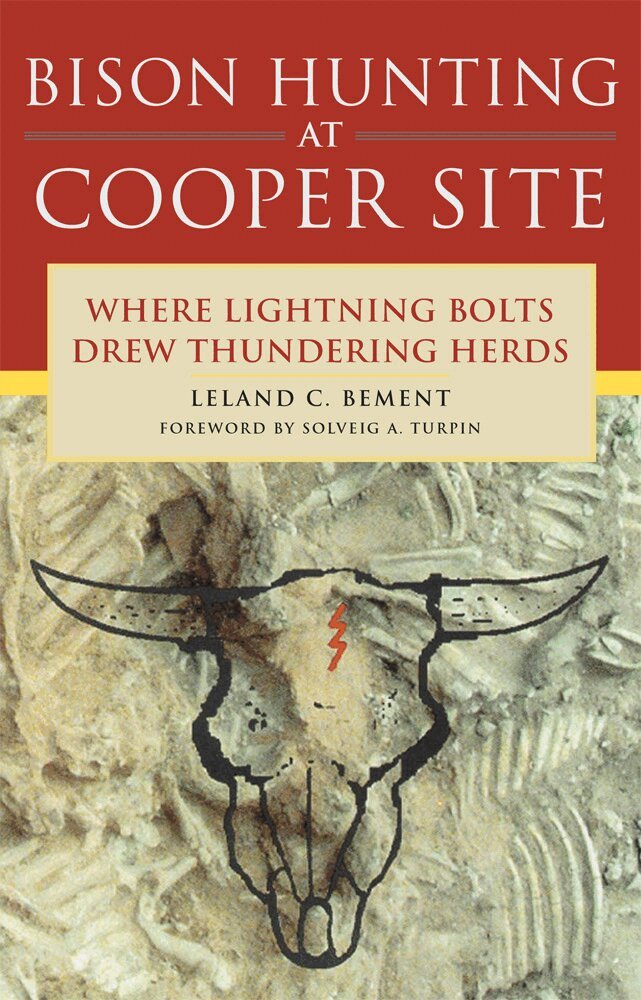
Almost seventy years ago the first Folsom projectile point found in association with ancient bison bones in northern New Mexico demonstrated that Paleoindian people were in the New World as long ago as the end of the last ice age. To this day intact deposits containing Folsom points are rare, yet these points, with their distinctive channel flakes and exquisite craftsmanship, remain the best identifier of the culture. The Cooper site, discovered in 1992 in northwestern Oklahoma, is among the largest Folsom-age kill sites in the southern plains. Including extraordinarily well-preserved bison bones and thirty-three projectile points, the site has yielded major contributions to what is known of this early people.Leland C. Bement outlines the history of the Cooper site, its discovery and excavation. As the remains were found in stratified bonebeds, they provide the first clear traces of sequential Folsom activity. Analysis of the bones indicates a selective or ""gourmet"" butchering technique and offers insights into bison-herd demographics. Assessment of the projectile points suggests the movements of Folsom groups in relation to lithic sources.Here also is the first evidence of Folsom hunting ritual, in the form of a startling red zigzag painted on one of the skulls. The painted skull--the oldest design-painted object in North America--greatly enlarges the significance of the Cooper site, offering evidence of early ritual rarely seen in the tangible physical record.
Archaeology of Large-Scale Manipulation of Prey
The Economic and Social Dynamics of Mass Hunting
Inbunden, Engelska, 2018
896 kr
Tillfälligt slut
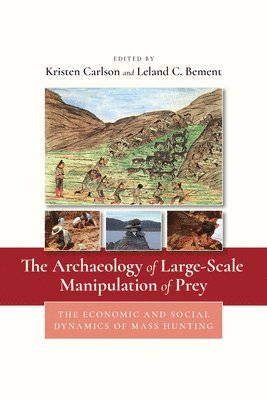
The Archaeology of Large-Scale Manipulation of Prey explores the social and functional aspects of large-scale hunting adaptations in the archaeological record. Mass-kill hunting strategies are ubiquitous in human prehistory and exhibit culturally specific economic, social, environmental, and demographic markers. Here, seven case studies—primarily from the Americas and spanning from the Folsom period on the Great Plains to the ethnographic present in Australia—expand the understanding of large-scale hunting methods beyond the customary role of subsistence and survival to include the social and political realms within which large-scale hunting adaptations evolved.Addressing a diverse assortment of archaeological issues relating to the archaeological signatures and interpretation of mass-kill sites, The Archaeology of Large-Scale Manipulation of Prey reevaluates and rephrases the deep-time development of hunting and the themes of subsistence to provide a foundation for the future study of hunting adaptations around the globe. Authors illustrate various perspectives and avenues of investigation, making this an important contribution to the field of zooarchaeology and the study of hunter-gatherer societies throughout history. The book will appeal to archaeologists, ethnologists, and ecologists alike.Contributors: Jane Balme, Jonathan Driver, Adam C. Graves, David Maxwell, Ulla Odgaard, John D. Speth, María Nieves Zedeño
563 kr
Skickas inom 3-6 vardagar
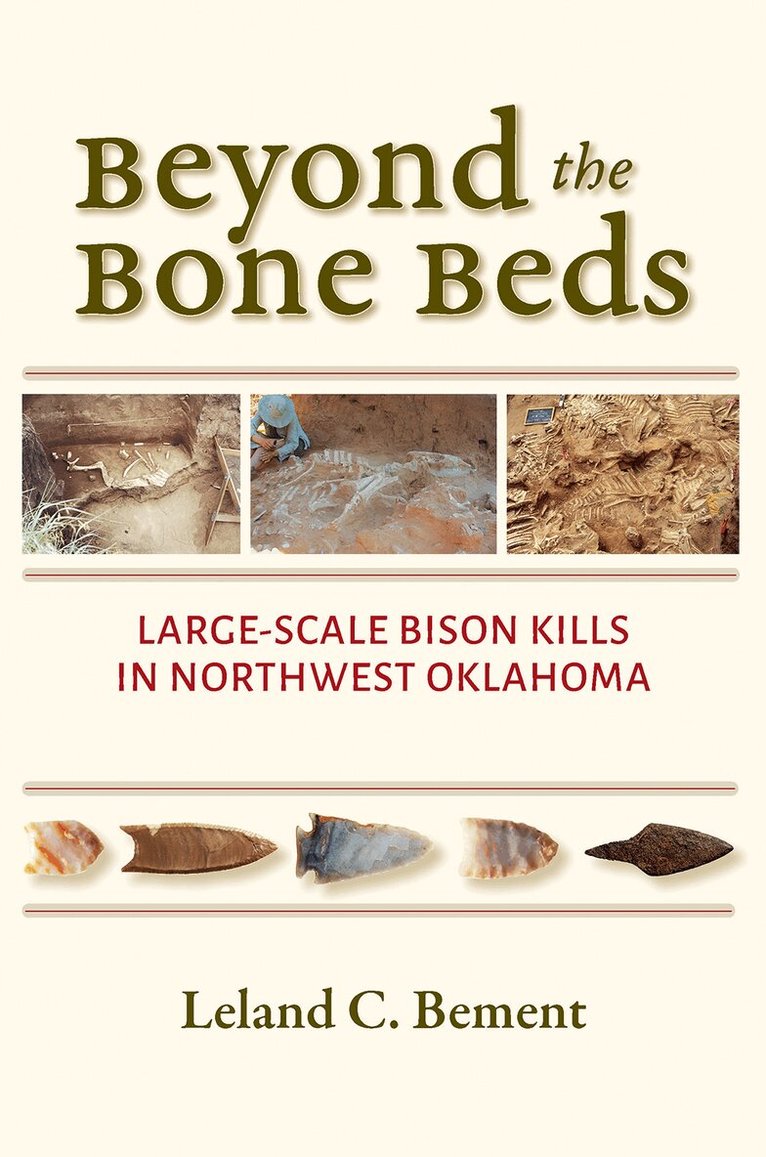
For those interested in the archaeology of prehistoric North America, author Leland C. Bement's Beyond the Bone Beds: Large-Scale Bison Kills in Northwest Oklahoma presents carefully researched technical data that will enlighten scholars, students, field researchers, and general readers alike. Bison are a keystone prey species of the grassland ecosystem, often migrating long distances. North American hunter-gatherers relied on large-scale bison hunting, which greatly influenced their culture. For over thirty years, senior research archaeologist Leland Bement has excavated and analyzed bison kill sites with his research teams, cataloging the faunal remains and associated artifacts.Embracing sites spanning 12,000 years of prehistory with artifacts from the Clovis, Folsom, Late Paleoindian, Late Archaic, and Late Prehistoric periods, the collection at the Courson Family Bison Research Center offers a uniquely broad palette for the study of these hunter-gatherers' relationships with and use of bison, and the development of hunting technologies. Bement has organized the sites, bones, and artifacts contained in the CFBRC chronologically. This important work makes possible the assessment of fluctuations in bison populations over the centuries, along with the influences of climate, human predation and changing hunting strategies.Bement presents his research with illustrative photographs, charts, and line art to engage both archaeological practitioners and well-informed laypersons. Beyond the Bone Beds offers its readers a new perspective on the prehistoric and later peoples of North America and their interactions with their environment.