Lena Mattheis - Böcker
Visar alla böcker från författaren Lena Mattheis. Handla med fri frakt och snabb leverans.
3 produkter
3 produkter
1 271 kr
Skickas inom 5-8 vardagar
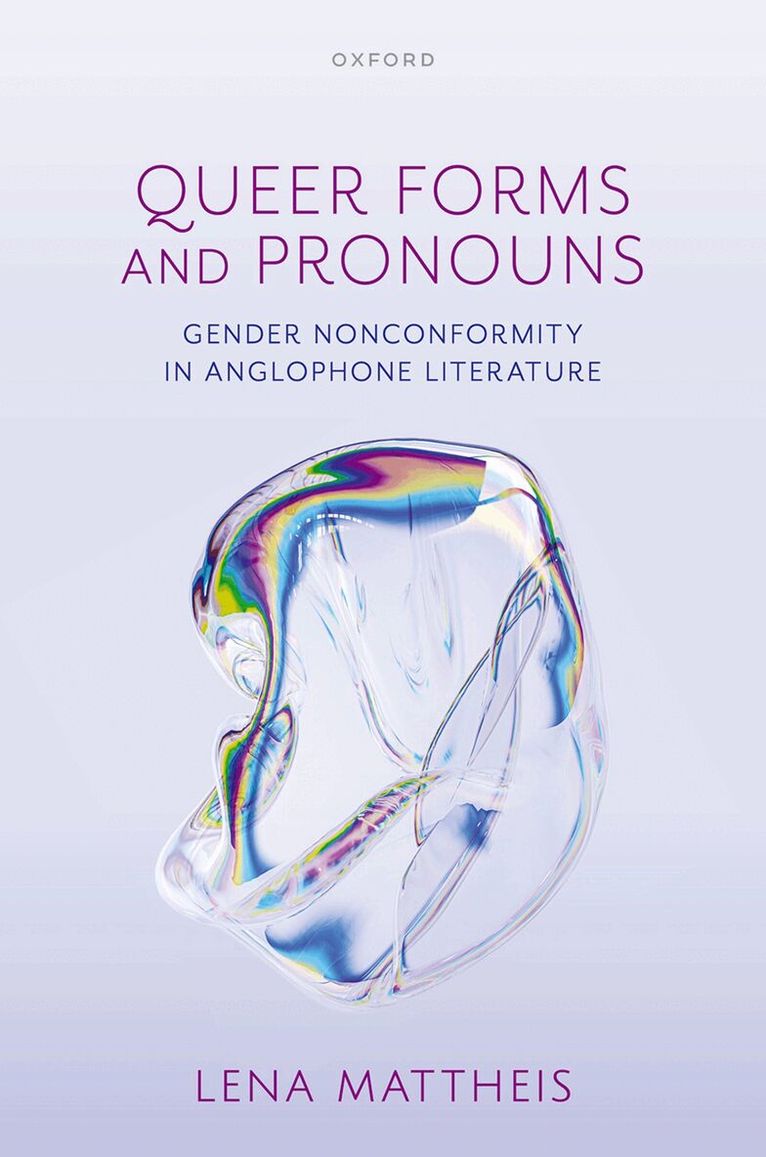
Queer Forms and Pronouns is a journey into the world of gender nonconformity (GNC) pronouns in literature. Pronouns are frequently discussed in the contexts of language policies, grammar, and inclusion, but their role in queer, trans, and nonbinary storytelling is generally overlooked. Author Lena Mattheis here demonstrates that GNC pronoun use, referring to any pronoun use that marks a person or character as not conforming to gendered norms of their spatiotemporal and cultural context, has a profound impact on narrative form in Anglophone literature. Pronouns such as singular they, neopronouns, mixed pronouns, and even 'it' pronouns find their place in literature not despite any imagined shortcomings, but because of their aesthetic quality, formal intrigue, and innovative potential. Mattheis demonstrates how the works of contemporary authors such as Lamya H, Rae Spoon, Andrea Lawlor, Becky Chambers, and Andrea Gibson illustrate the multitude of functions taken on by GNC pronouns. Grounding their reflections on contemporary Anglophone literature in long traditions of queer and trans writing, Mattheis reaches back centuries to examples of GNC pronoun use throughout literary history, touching upon precedents in texts by Margaret Cavendish, Aphra Behn, Virginia Woolf, and Octavia Butler, among others. Their discussions arund the surrounding potentials and shortcomings of GNC pronoun use focus on narrative agency, frequently returning to the real-world consequences that a pronoun--a small yet impactful word--can have, consequences that include government bans on inclusive language, censorship, and health impacts.The book features a dialogic chapter, co-written with language revitalisation scholar and poet Kai Minosh Pyle, and each chapter is accompanied by a podcast episode to provide additional reflections and accessibility.
1 278 kr
Skickas inom 10-15 vardagar
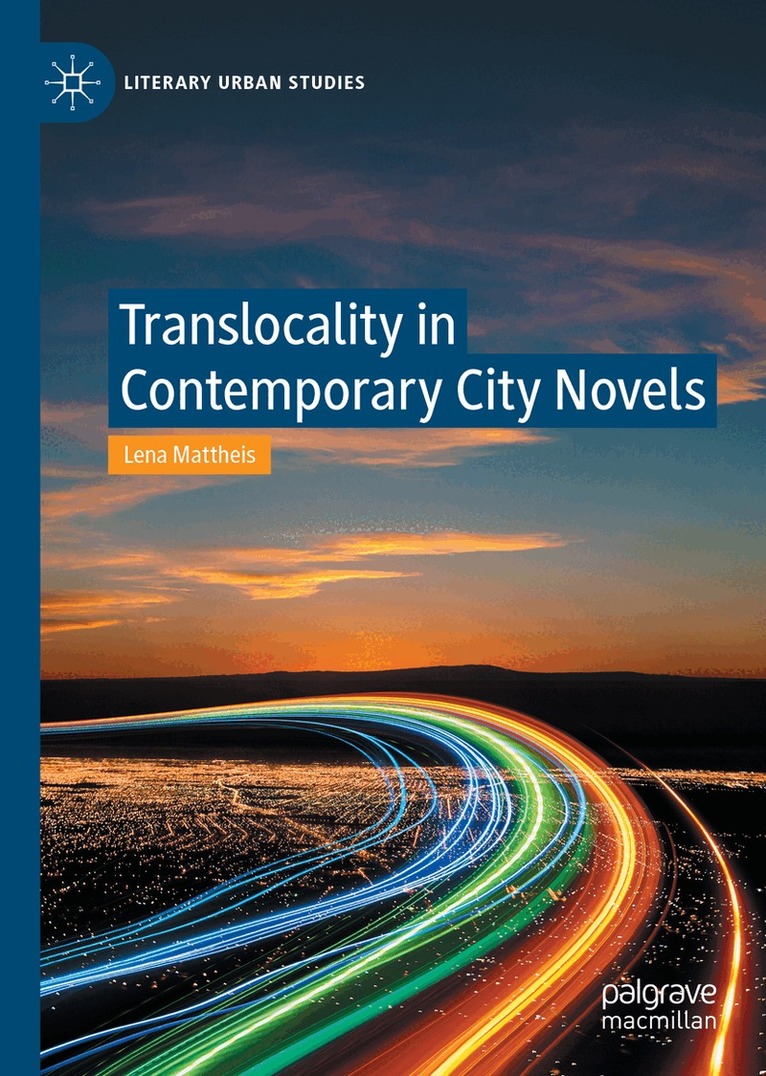
Translocality in Contemporary City Novels responds to the fact that twenty-first-century Anglophone novels are increasingly characterised by translocality—the layering and blending of two or more distant settings. Considering translocal and transcultural writing as a global phenomenon, this book draws on multidisciplinary research, from globalisation theory to the study of narratives to urban studies, to explore a corpus of thirty-two novels—by authors such as Chimamanda Ngozi Adichie, Dionne Brand, Kiran Desai, and Xiaolu Guo—set in a total of ninety-seven cities. Lena Mattheis examines six of the most common strategies used in contemporary urban fiction to make translocal experiences of the world narratable and turn them into relatable stories: simultaneity, palimpsests, mapping, scaling, non-places, and haunting. Combining and developing further theories, approaches, and techniques from a variety of research fields—including narratology, human geography, transculturality,diaspora spaces, and postcolonial perspectives—Mattheis develops a set of cross-disciplinary techniques in literary urban studies.
1 278 kr
Skickas inom 10-15 vardagar
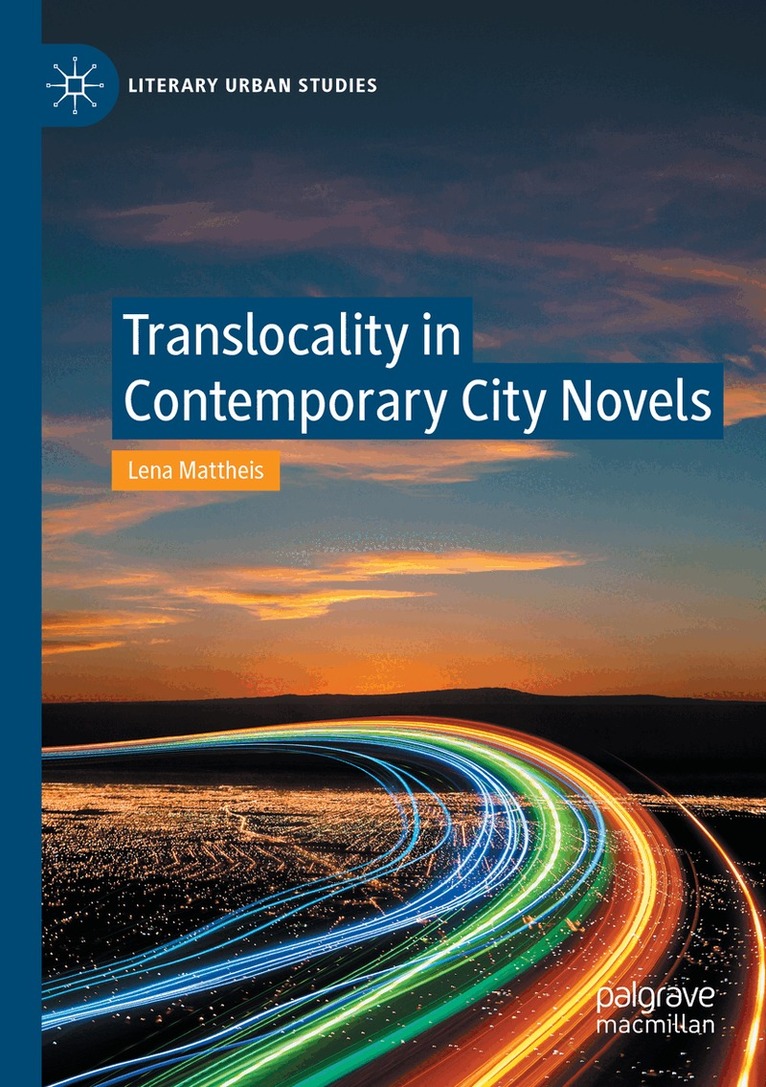
Translocality in Contemporary City Novels responds to the fact that twenty-first-century Anglophone novels are increasingly characterised by translocality—the layering and blending of two or more distant settings. Considering translocal and transcultural writing as a global phenomenon, this book draws on multidisciplinary research, from globalisation theory to the study of narratives to urban studies, to explore a corpus of thirty-two novels—by authors such as Chimamanda Ngozi Adichie, Dionne Brand, Kiran Desai, and Xiaolu Guo—set in a total of ninety-seven cities. Lena Mattheis examines six of the most common strategies used in contemporary urban fiction to make translocal experiences of the world narratable and turn them into relatable stories: simultaneity, palimpsests, mapping, scaling, non-places, and haunting. Combining and developing further theories, approaches, and techniques from a variety of research fields—including narratology, human geography, transculturality,diaspora spaces, and postcolonial perspectives—Mattheis develops a set of cross-disciplinary techniques in literary urban studies.