Leo G. Mazow – författare
Visar alla böcker från författaren Leo G. Mazow. Handla med fri frakt och snabb leverans.
7 produkter
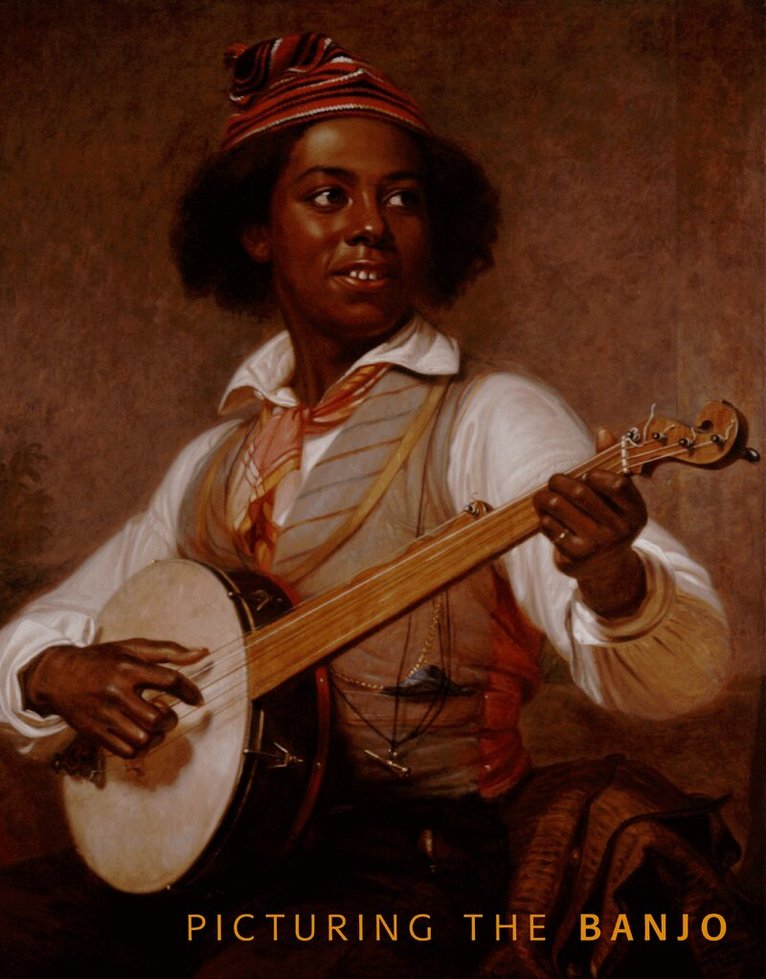
Picturing the Banjo
Av Leo G. Mazow
Häftad, 2006
676 kr
Lägg i varukorg
The history of the banjo is as haunting as its music. Made popular in minstrel shows of the nineteenth century, the “banjar” derives from the stringed gourd instrument African slaves brought with them to plantations in the Caribbean and American South. From minstrelsy to the folk music revival of …
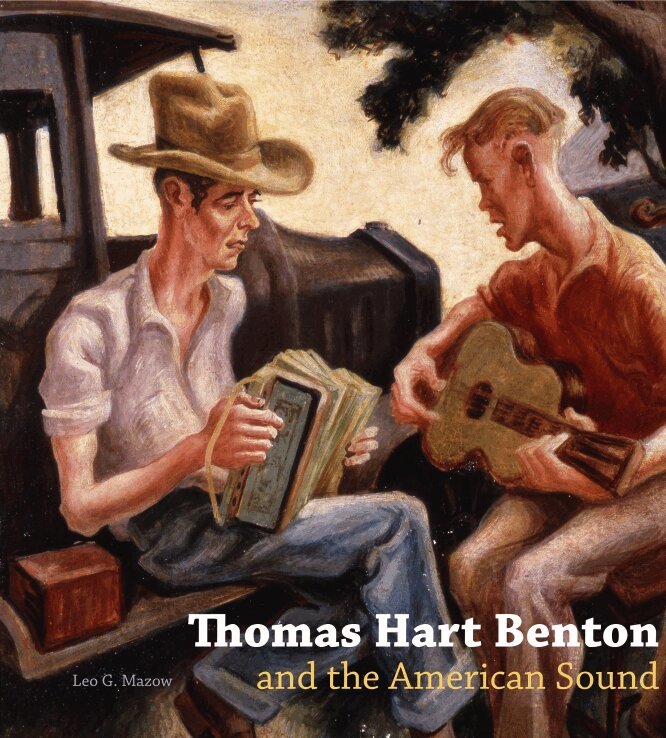
Thomas Hart Benton and the American Sound
Av Leo G. Mazow
Inbunden, 2012
1298 kr
Lägg i varukorg
Alternately praised as “an American original” and lampooned as an arbiter of kitsch, the regionalist painter Thomas Hart Benton has been the subject of myriad monographs and journal articles, remaining almost as controversial today as he was in his own time. Missing from this literature, however, …
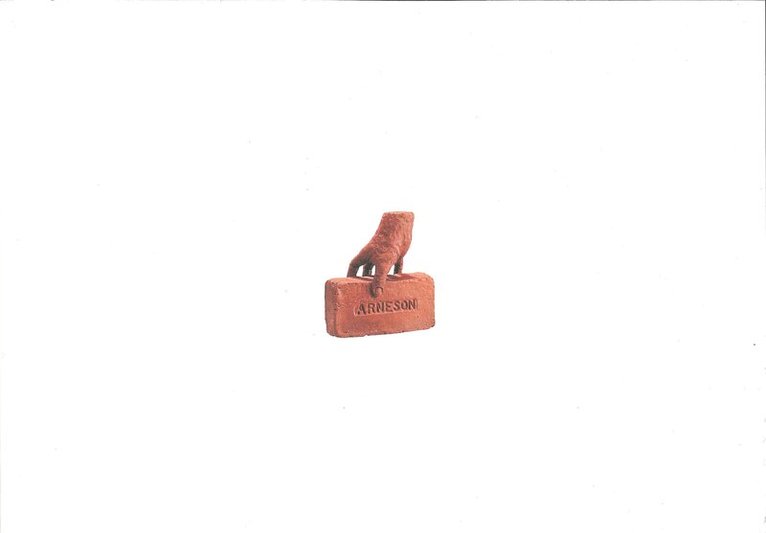
Arneson and the Object
Av Leo G. Mazow
Häftad, 2004
295 kr
Lägg i varukorg
“I have been working with polychrome low-fire ceramics making objects and sculpture, arts, and crafts but never tiles for my floor.” —Robert Arneson, 1970 This catalogue, which accompanied an exhibition of the same name at the Palmer Museum of Art, provides new insight into the significance of the …
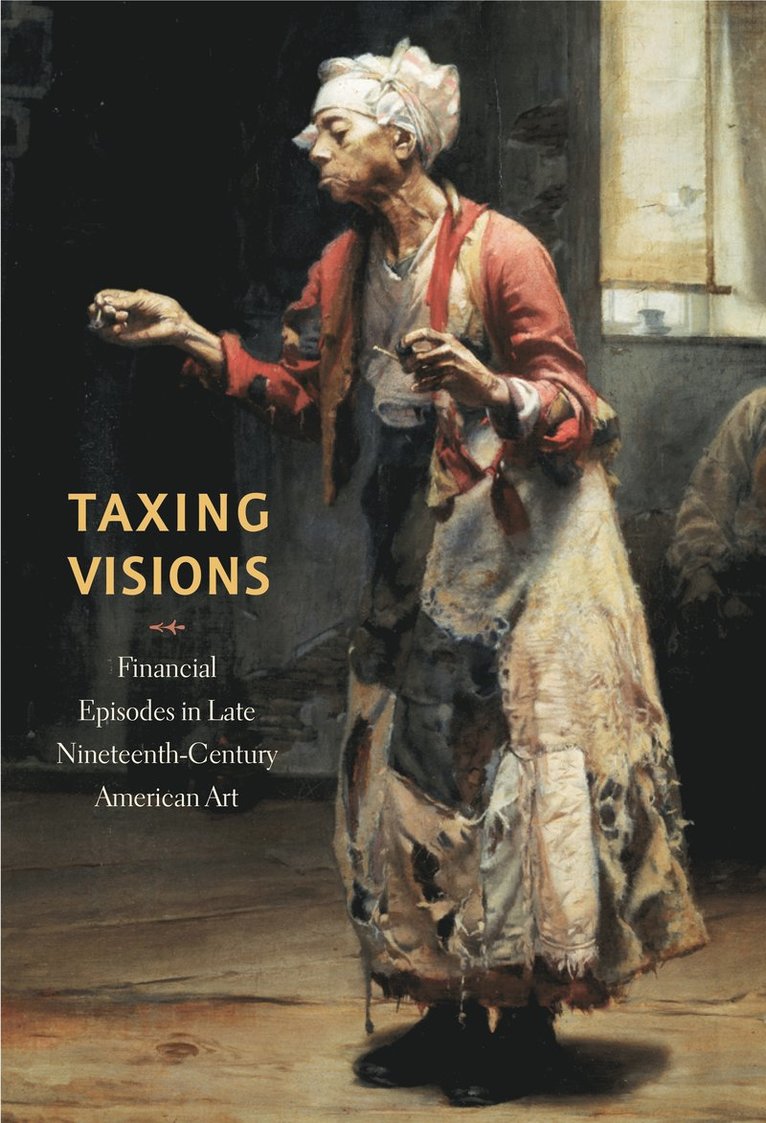
Taxing Visions
Financial Episodes in Late Nineteenth-Century American Art
Av Leo G. Mazow, Kevin M. Murphy
Häftad, 2010
324 kr
Lägg i varukorg
In Taxing Visions, Leo Mazow and Kevin Murphy explore taxes, rents, economic depression, and financial inequity as subject matter in several visually provocative paintings and works on paper. Although this period is often identified artistically with leisure-laden impressionist landscapes, …
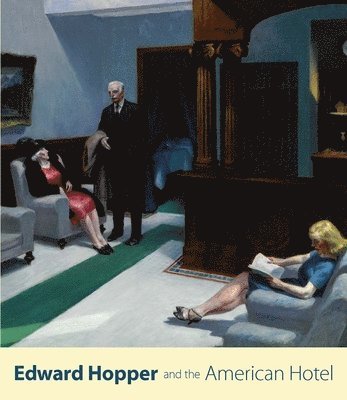
Edward Hopper and the American Hotel
Av Leo G. Mazow, Sarah G. Powers
Häftad, 2019
410 kr
Tillfälligt slut
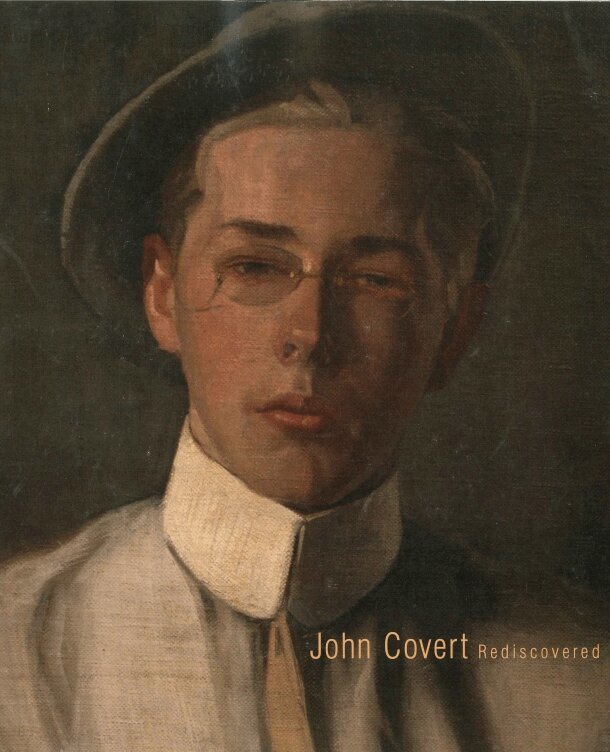
John Covert Rediscovered
Av Leo G. Mazow
Häftad, 2003
266 kr
Tillfälligt slut
Although little known today, John R. Covert (1882–1960) played a pivotal role in the development of American modernism. He was a founder of the Society of Independent Artists, an active participant in the Société Anonyme, and produced innovative paintings and collage-constructions that reflect his …
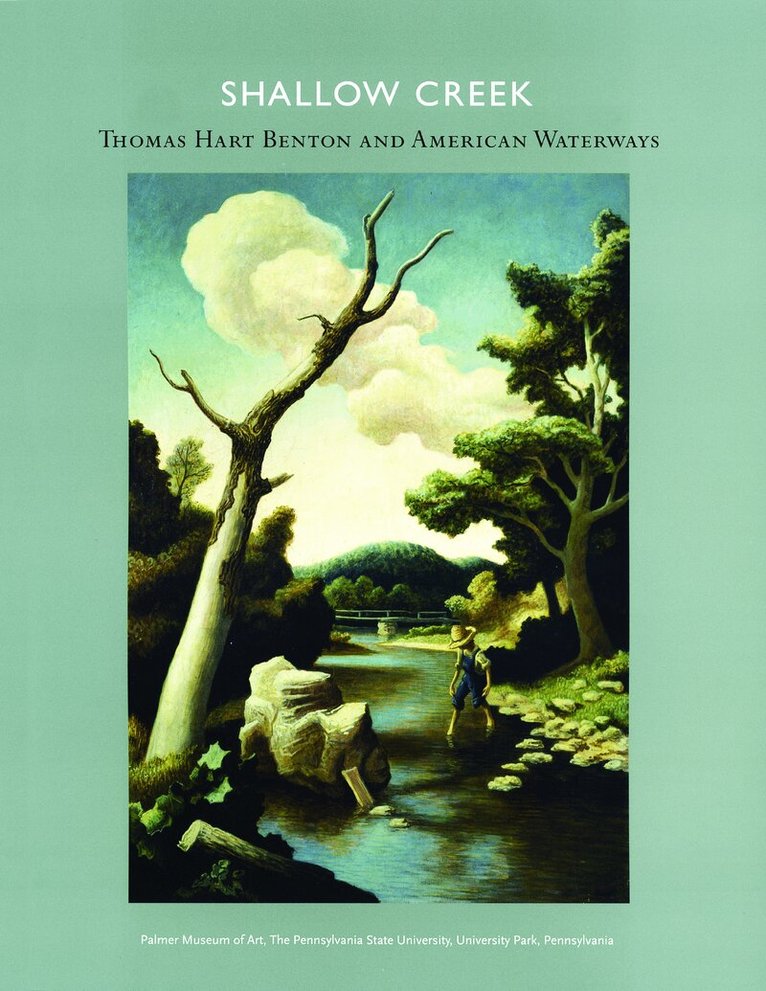
Shallow Creek
Thomas Hart Benton and American Waterways
Av Leo G. Mazow
Häftad, 2007
300 kr
Tillfälligt slut
Images of waterways figure prominently in the art of Thomas Hart Benton (1889–1975). His depictions of rivers, streams, gullies, and creeks form a subgenre of American landscape painting, inviting us to rethink the artistic meaning and historical legacy of even the narrowest of inlets. Among …