Leonardo V. Distaso – författare
Visar alla böcker från författaren Leonardo V. Distaso. Handla med fri frakt och snabb leverans.
3 produkter
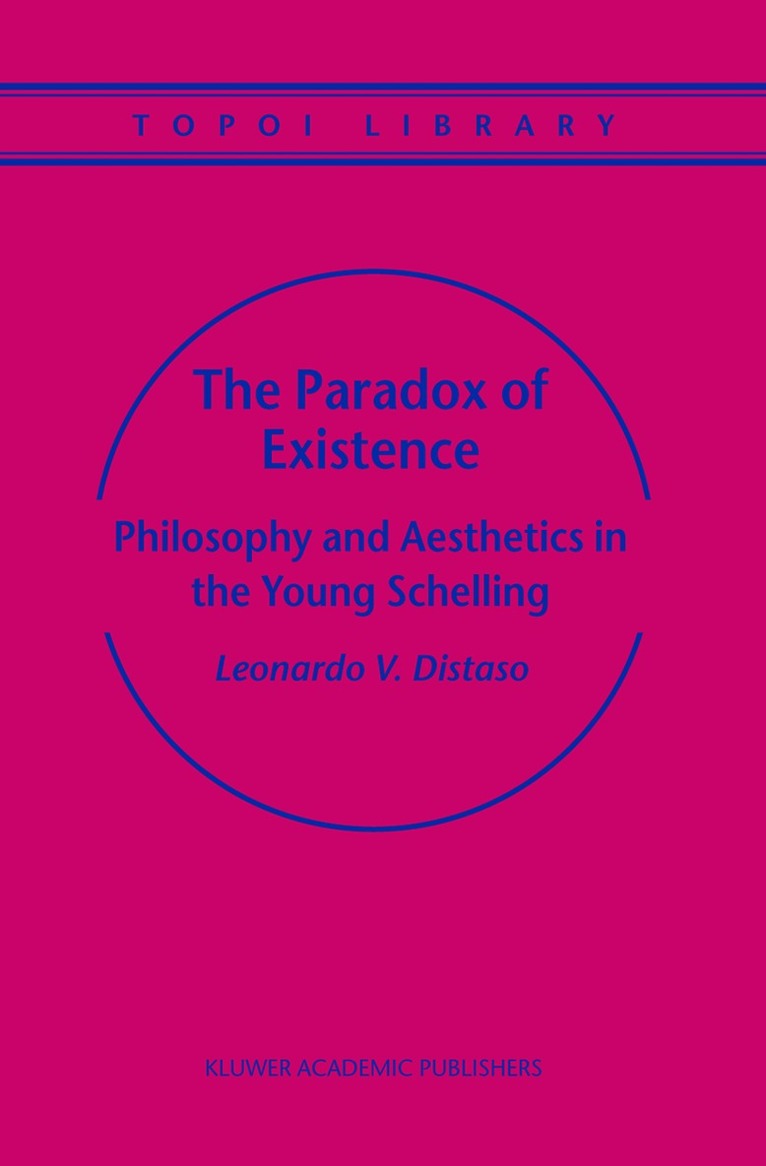
Paradox of Existence
Philosophy and Aesthetics in the Young Schelling
Inbunden, 2004
1098 kr
Lägg i varukorg
This book is not a merely historical reconstruction of Schelling’s thought; its main goal is to provide a contribution for a better comprehension of the importance of the philosophical quest of the young German philosopher from within, which represents a turning point for the whole thought of …
Paradox of Existence
Philosophy and Aesthetics in the Young Schelling
E-bok, 2005
1459 kr
Lägg i varukorg
This book is not a merely historical reconstruction of Schelling’s thought; its main goal is to provide a contribution for a better comprehension of the importance of the philosophical quest of the young German philosopher from within, which represents a turning point for the whole thought of …
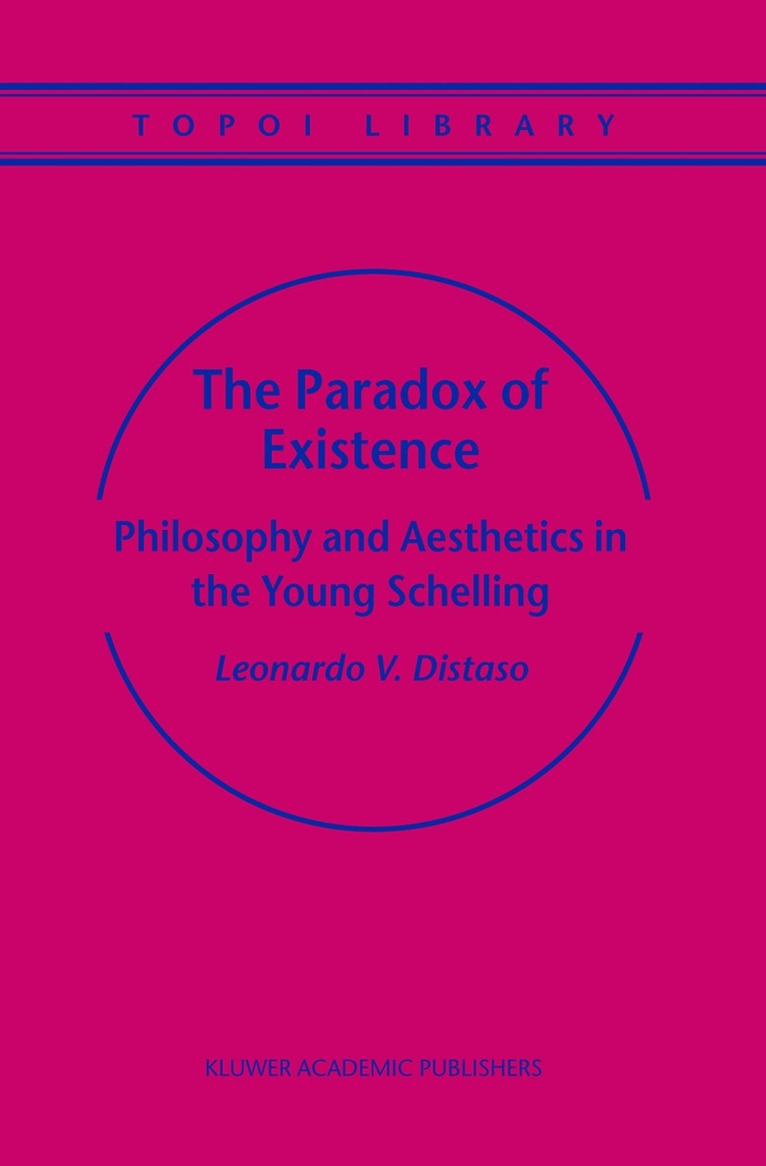
Paradox of Existence
Philosophy and Aesthetics in the Young Schelling
Häftad, 2010
1098 kr
Lägg i varukorg
This book is not a merely historical reconstruction of Schelling’s thought; its main goal is to provide a contribution for a better comprehension of the importance of the philosophical quest of the young German philosopher from within, which represents a turning point for the whole thought of …