Leonie V. Hicks – författare
Visar alla böcker från författaren Leonie V. Hicks. Handla med fri frakt och snabb leverans.
4 produkter
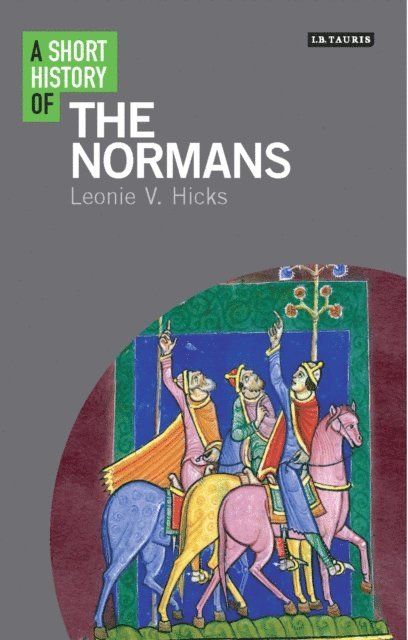
Short History of the Normans
E-bok, 2016
252 kr
Lägg i varukorg
The Battle of Hastings in 1066 is the one date forever seared on the British national psyche. It enabled the Norman Conquest that marked the end of Anglo-Saxon England. But there was much more to the Normans than the invading army Duke William shipped over from Normandy to the shores of Sussex. How …
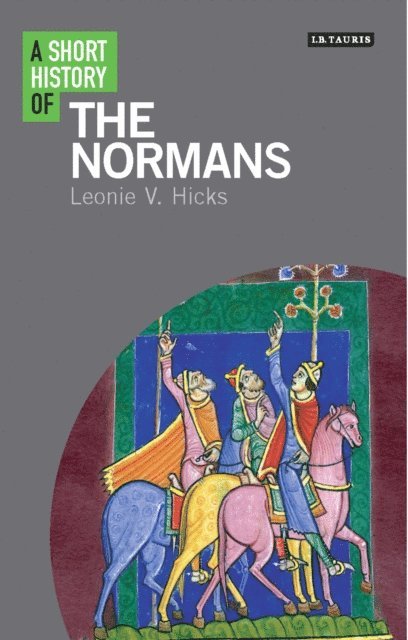
Short History of the Normans
E-bok, 2016
250 kr
Lägg i varukorg
The Battle of Hastings in 1066 is the one date forever seared on the British national psyche. It enabled the Norman Conquest that marked the end of Anglo-Saxon England. But there was much more to the Normans than the invading army Duke William shipped over from Normandy to the shores of Sussex. How …
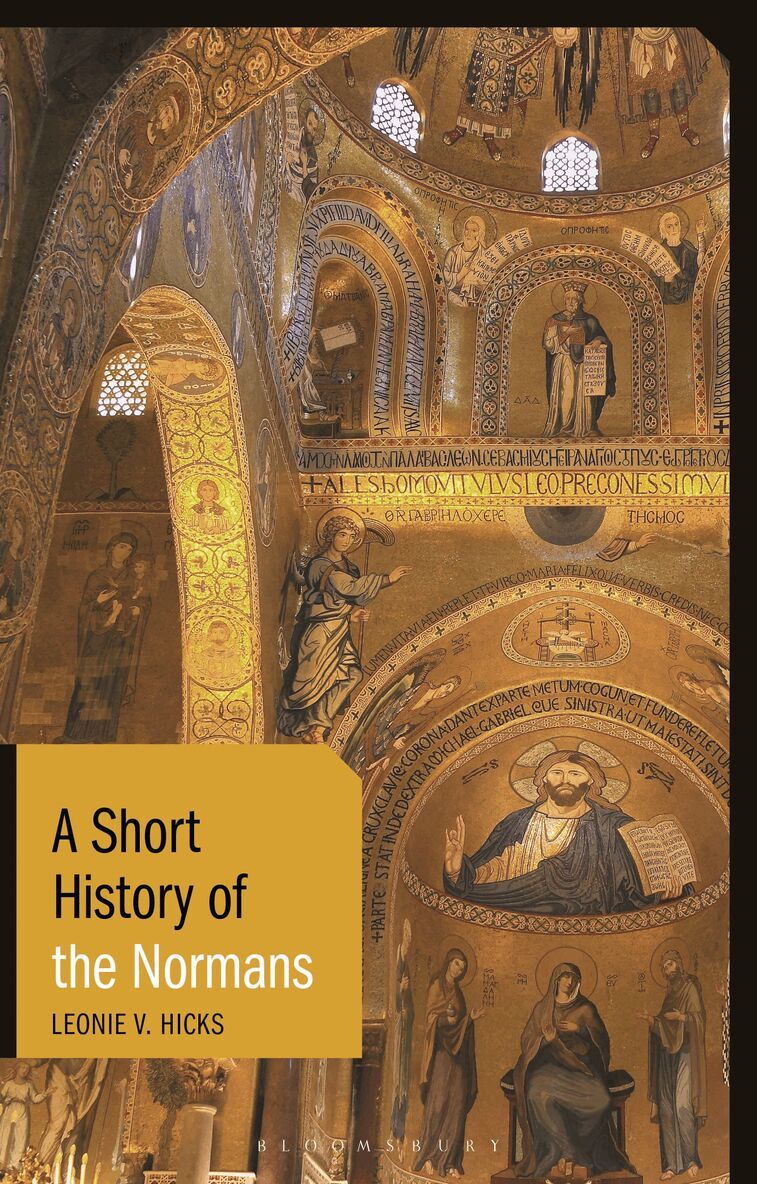
Short History of the Normans
Häftad, 2020
238 kr
Lägg i varukorg
The Battle of Hastings in 1066 is the one date forever seared on the British national psyche. It enabled the Norman Conquest that marked the end of Anglo-Saxon England. But there was much more to the Normans than the invading army Duke William shipped over from Normandy to the shores of Sussex. How …
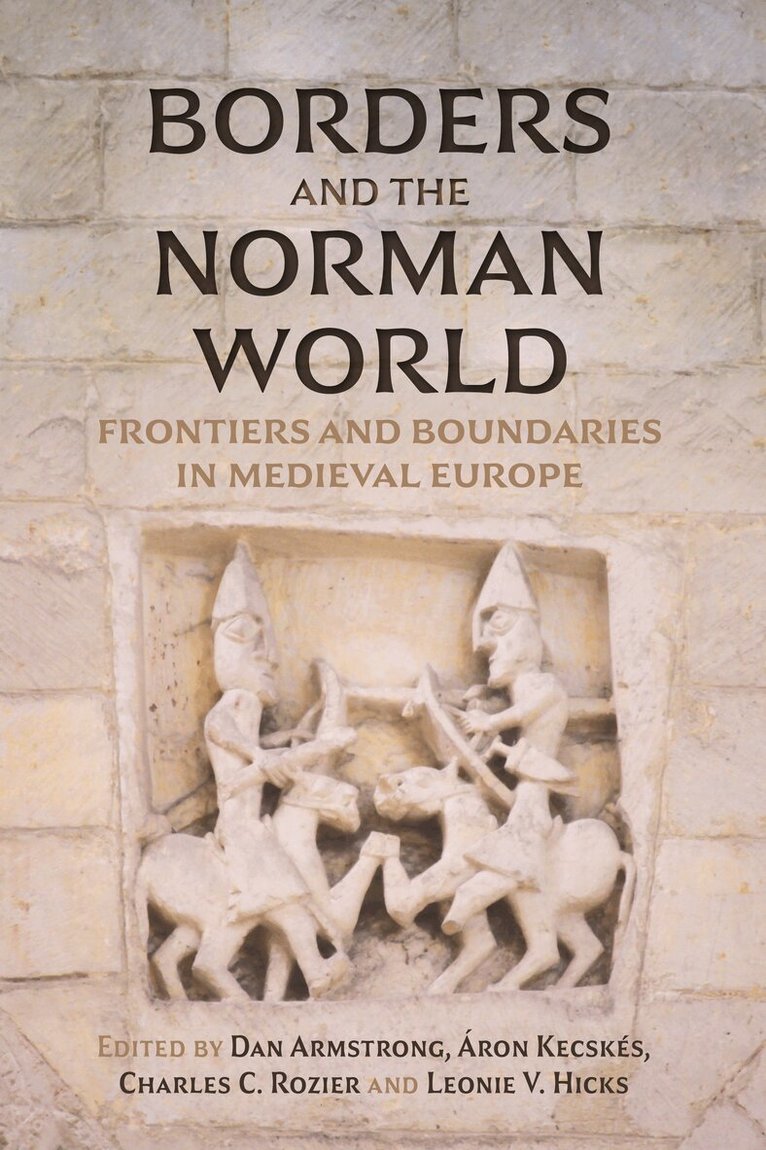
Borders and the Norman World
Frontiers and Boundaries in Medieval Europe
Av Dan Armstrong, Áron Kecskés m. fl.
Häftad, 2026
450 kr
Lägg i varukorg
Study of the Norman World's borders, frontiers, and boundaries in Europe, shedding fresh light on their nature and extent. The Normans exerted great influence across Christendom and beyond in the eleventh and twelfth centuries. Figures like William the Conqueror and Robert Guiscard subdued vast …