Lesley Stevenson - Böcker
Visar alla böcker från författaren Lesley Stevenson. Handla med fri frakt och snabb leverans.
3 produkter
3 produkter
432 kr
Skickas inom 3-6 vardagar
463 kr
Skickas inom 5-8 vardagar
This collection of new essays addresses a topic of established and expanding critical interest throughout the humanities. It demonstrates that genre matters in a manner not constrained by disciplinary boundaries and includes new work on Genre Theory and applications of thinking about genre from Aristotle to Derrida and beyond. The essays focus on economies of expectation and competency, genre as media form, recent developments in television broadcast genres, translation and genericity, the role played by genre in film publicity, gender and genre, genre in fiction, and the problematics of classification. An introductory essay places the contributions in the context of a wide range of thinking about genre in the arts, media and humanities. The volume will be of interest to both undergraduates and postgraduates, especially those following courses on Genre Theory and Genre Criticism, and to academics working in a range of subject areas such as Cultural Studies, Film Studies, Media Studies and Literary Studies.
434 kr
Skickas inom 5-8 vardagar
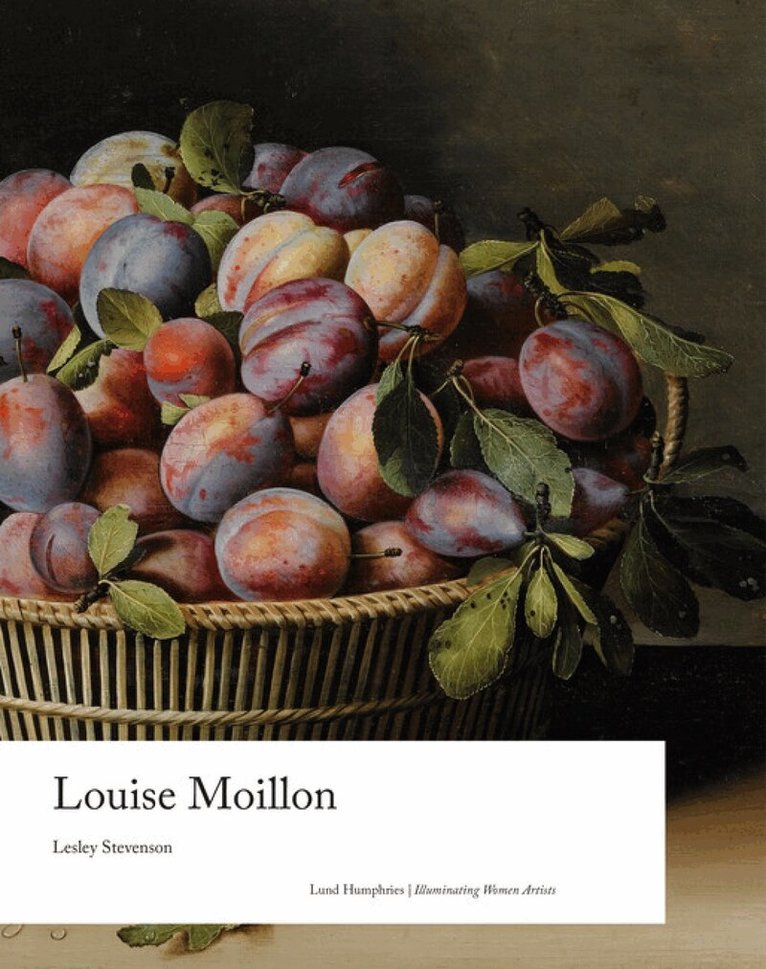
Belonging to the wider circle of Calvinist exiles from Catholic Flanders working in the Saint-Germain des-Prés area of Paris, Moillon was the sole female practitioner of a group that included Sébastien Stosskopf, Jacques Linard, and Lubin Baugin. Louise Moillon reassesses the importance of this painter of still-life (and occasional genre) paintings through a consideration of the context in which she was working; the centrality of the genre of still life in the Saint-Germain-des-Prés area of Paris in the earlier part of the seventeenth century; and provides close visual analyses of her works.Moillon offers a useful case study of a supremely talented artist whose relative posthumous invisibility may be explained by three key features: her gender; the genre of still life at which she excelled but which became increasingly overlooked after the foundation of the French Académie royale in 1648; and a change in her domestic role after her marriage, when she produced fewer works. This book questions some of the ways in which Moillon’s story has been represented since the beginnings of the revival of interest in her work in the early twentieth century. In particular, it draws on more recent scholarship which grants early modern women from Moillon’s social class greater agency than was previously assumed and grants her a rightful place alongside her male contemporaries.