Leslie J. Harris - Böcker
Visar alla böcker från författaren Leslie J. Harris. Handla med fri frakt och snabb leverans.
2 produkter
2 produkter
State of the Marital Union
Rhetoric, Identity, and Nineteenth-Century Marriage Controversies
Inbunden, Engelska, 2014
398 kr
Skickas inom 11-20 vardagar
State of the Marital Union documents the transformations of public identity occurring in American society through a close examination of the rhetoric used in nineteenth-century marriage controversies. Leslie J. Harris argues that American citizenship is, in part, rhetorically constituted through marriage.The public debates over seemingly distinct marriage controversies, such as domestic violence, divorce, polygamy, free love, and interracial marriage, functioned as ways of both challenging and solidifying norms of gender, race, class, and ethnicity. Public sentiment operated as a lens for understanding some of the most heated public issues of the time, including slavery, westward expansion, women's rights, and immigration. Harris demonstrates how the private wife became the public woman by contesting legal standing in both the court of law and the court of public opinion.State of the Marital Union makes the case that marriage is a critical site for constituting and performing ways of being in the American public, which has significant implications for understanding both female roles and the body politic.
811 kr
Skickas inom 7-10 vardagar
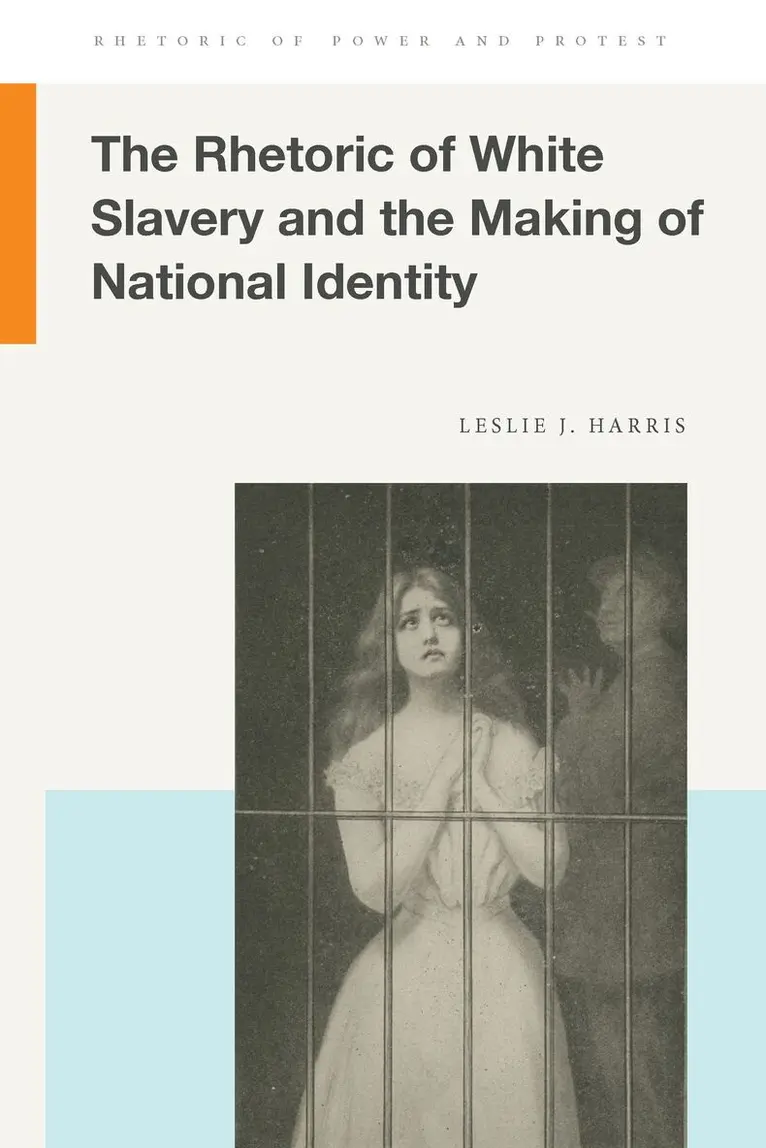
At the turn of the twentieth century, the white slavery panic pervaded American politics, influencing the creation of the FBI, the enactment of immigration law, and the content of international treaties. At the core of this controversy was the maintenance of white national space. In this comprehensive account of the Progressive Era’s sex trafficking rhetoric, Leslie Harris demonstrates the centrality of white womanhood, as a symbolic construct, to the structure of national space and belonging. Introducing the framework of the mobile imagination to read across different scales of the controversy—ranging from local to transnational—she establishes how the imaginative possibilities of mobility within public controversy work to constitute belonging in national space.