Leslie Van Duzer - Böcker
Visar alla böcker från författaren Leslie Van Duzer. Handla med fri frakt och snabb leverans.
4 produkter
4 produkter
195 kr
Tillfälligt slut
This is the story of a house designed by hatmaker-turned architect Judah Shumiatcher, built for his family in 1975, and demolished in 2013. Like so many other distinguished houses to Vancouver, the only crime House Schumiatcher ever committed was to be sited on a plot of gold. This image rich book, sponsored by the School of Architecture and Landscape Architecture at the University of British Columbia, is the first in a proposed series of noteworthy, endangered houses in Metro Vancouver. Due to rapidly escalating land values, many unique postwar houses built between 1945 and 1980 are being demolished. The series seeks to document this local building tradition before it is lost. As Victor Hugo tells us, books are made more durable then buildings. AUTHOR: Leslie Van Duzer is a Professor of Architecture and the Director of the School of Architecture and Landscape Architecture at the University of British Columbia. Illustrated throughout
254 kr
Tillfälligt slut
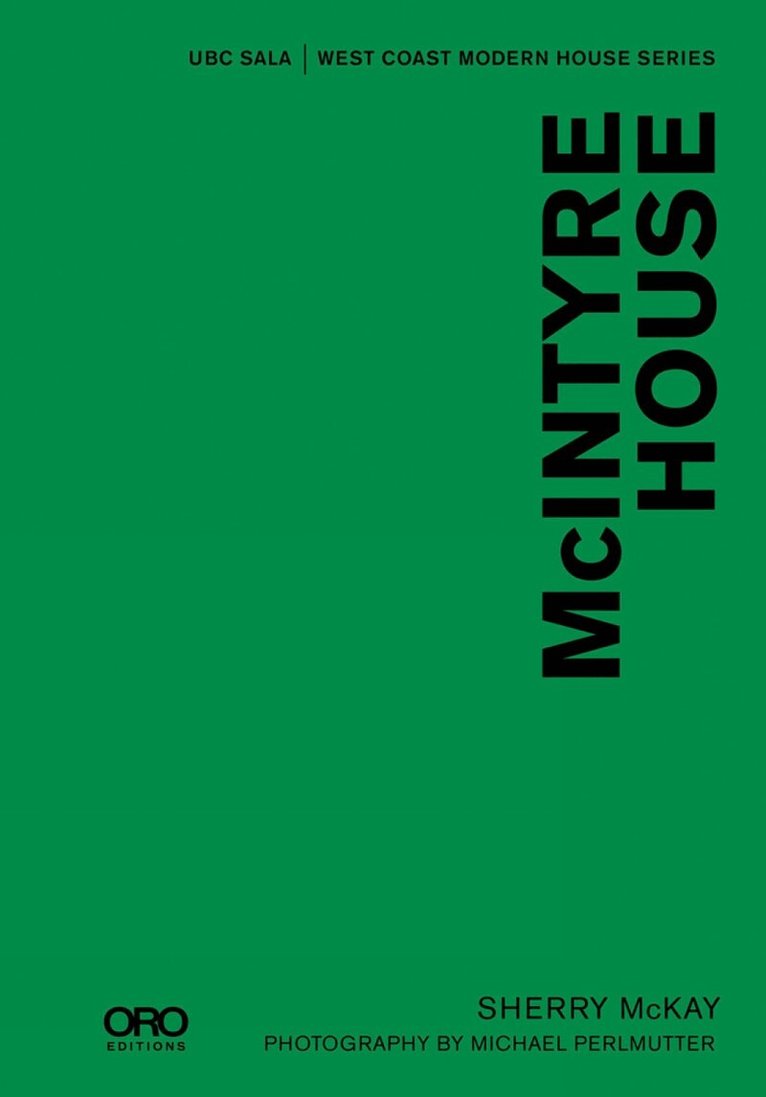
The genesis, development and life-long occupation of the McIntyre house,built in 1972 as part of a multiple-dwelling subdivision, provides possible answers to some very pressing contemporary design questions. How might one live near the city and be respectful of nature? How might efficiently built dwellings also be spacious and dense site occupation still allow for privacy? This history is recounted through text augmented by photographs and site diagrams, house sections and plans. They reveal a modern architecture on the west coast that resulted from an interplay of both the physicality of the land and a culturally imbuedlandscape.
324 kr
Skickas inom 7-10 vardagar
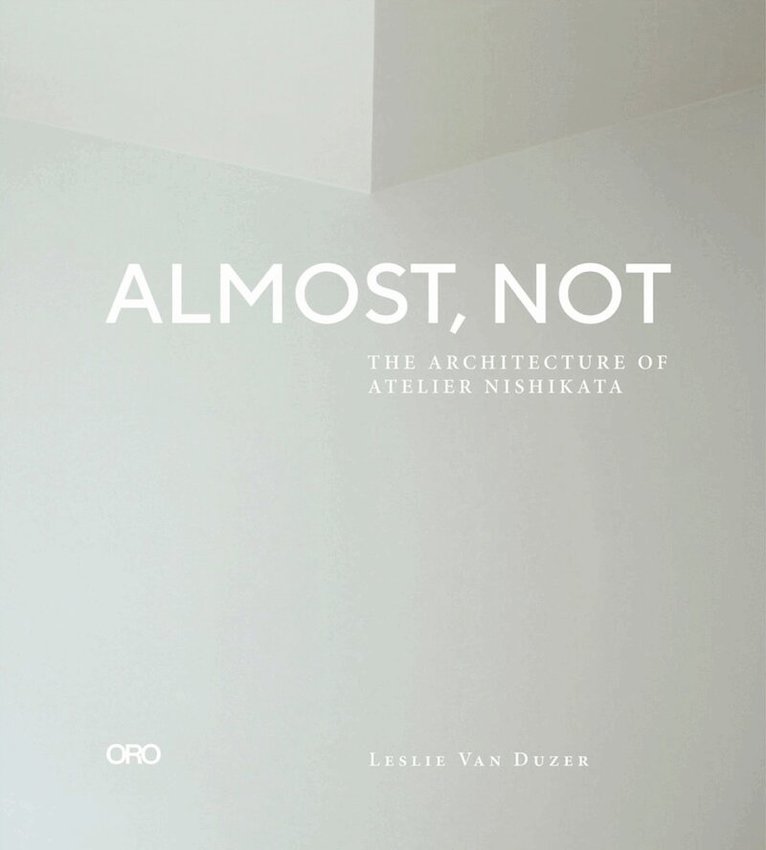
Almost, Not: The Architecture of Atelier Nishikata is the story of a remarkable architecture practice in Tokyo. Partners Reiko Nishio and Hirohito Ono have built just four residential works, until now remaining little-known outside of Japan. But the extraordinary, almost-ordinary quality of their work warrants the spotlight. It has much to teach students of architecture and experienced architects alike.This book is a hybrid between an architectural monograph and a magic instruction book. Author Leslie Van Duzer, a former magician’s assistant and author of four monographs on 20th-century architecture, draws parallels between the effects and methods of architects and magicians.The introductory essay, “Almost, Not,” presents an overview of Atelier Nishikata’s approach, describing the effects engendered by their architecture and the methods behind the them. The essay is followed by four detailed project descriptions that elaborate on the strategies behind the work. These texts are richly illustrated with process work, diagrams, detailed drawings, and photographs, including before and after views of the renovated spaces, and views post-inhabitation. The volume closes with a lengthy interview with the architects to help flesh out the methods behind their madness.
366 kr
Skickas
"Duzer’s wonderful book offers an opportunity to spend time in his world, where wit and whimsy become tools to navigate complexity, and a way to approach the world with compassion." — Canadian ArchitectNeither an architect nor a landscape architect, Pechet might best be described as an urban acupuncturist. As a keen observer of interactions between animate beings and inanimate things, Pechet has sensitively mended public spaces in Canada and the United States for decades, designing strategic and delightful interventions in public parks and plazas, waterfronts and streetscapes, LRT stations and cemeteries. As a beloved teacher, he has also educated generations of architecture and design students at the University of British Columbia to approach their work with the same sense of curiosity and adventure he brings to his own.Despite Pechet’s extensive body of work, nearly all of which is publicly accessible, he remains little known internationally. This project aims to correct that oversight by extending the collaborative nature of Pechet’s own practice to include talent from Europe, South America, the United States and Canada. With each collaborator presenting their unique perspective on the work, this monograph will be unusually complex and multivalent.A fulsome monograph on the work of Bill Pechet is long overdue. This book will be a rich and joyful celebration of a talented and beloved Canadian artist, designer and teacher who has much to offer us all.