Leticia Hernandez-Linares - Böcker
Visar alla böcker från författaren Leticia Hernandez-Linares. Handla med fri frakt och snabb leverans.
3 produkter
3 produkter
259 kr
Skickas inom 3-6 vardagar
182 kr
Skickas inom 11-20 vardagar
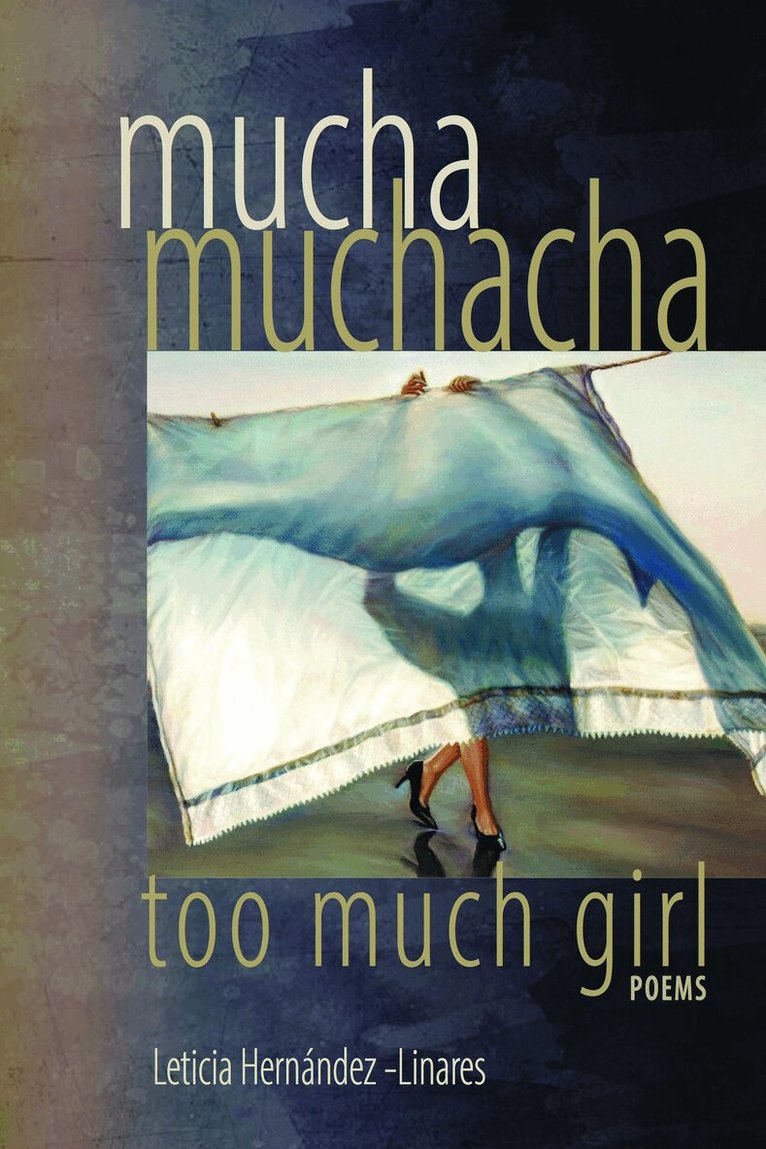
The word vos/z, spoken in Salvadoran Spanish, means you and also means voice. If the word ends in s it means you; ending in z it means voice. Leticia Hernandez-Linares s poetry comes in somewhere between the S and Z, and it is, like bread, like music, for everyone. The way Leticia shares her stories speaks to the hybridity of the cultural and literary histories she hails from. Leticia s poemsongs are her personal flor y canto. Mexican and Central American indigenous ancestors combined the concepts in xochitl, in cuicatl (in flower, in song) to define poetry the poetic oral tradition they used to teach, engage, and philosophize. Leticia s writing excavates the faces of women in her family, silences in her community, and shapes their stories into a poetry that sings, and other times dances on the page. I am cut from Santa Ana, El Salvador mujer steel, y que orgullo, says Leticia.
287 kr
Skickas inom 3-6 vardagar
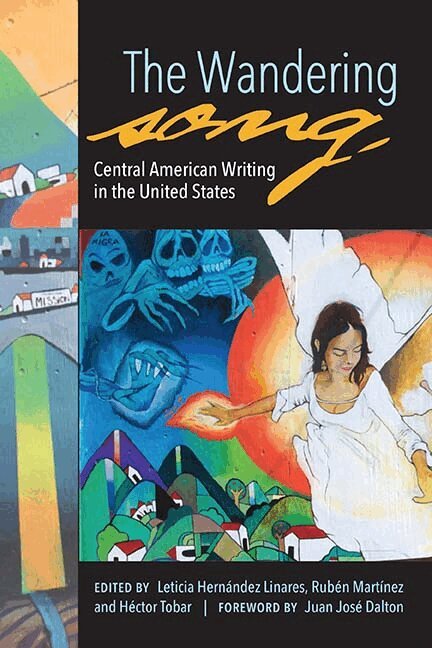
Tia Chucha Press is proud to present an anthology of Central American writers living in the United States. It features work that captures the complexity of a rapidly growing community that shares certain experiences with other Latino groups, but also offers its own unique narrative. This is the first-ever comprehensive literary survey of the Central American diaspora by a U.S. publisher, perfect for high school, college, or university courses in U.S. literature, Latino literature, multicultural studies, and migration studies.A multi-genre collection - including poems, short stories, essays, memoir or novel excerpts, and creative nonfiction - the book showcases writers who render a multiplicity of experiences, as refugees from the wars of the 1980s to those who barely remember the homeland or who were born in el norte. There are writers from both coasts and from the middle. Their aesthetics range from hip-hop inflected to high literary to acrobatics in Spanglish. Yet it is a community that shares a history of violence - both here and back home - and the hope and healing that ensures its survival. They include migrants or children of migrants from countries in the so-called Northern Triangle - El Salvador, Guatemala, and Honduras - considered one of the most violent places on earth, as well as from Belize, Costa Rica, Nicaragua, and Panama.