Lewis A. Lawson – författare
Visar alla böcker från författaren Lewis A. Lawson. Handla med fri frakt och snabb leverans.
6 produkter
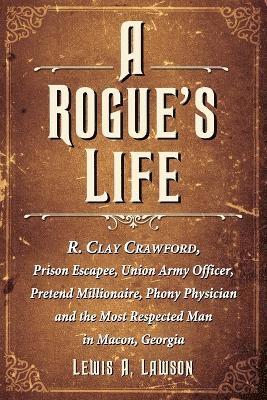
Rogue's Life
R. Clay Crawford, Prison Escapee, Union Army Officer, Pretend Millionaire, Phony Physician and the Most Respected Man in Macon, Georgia
Häftad, 2013
275 kr
Lägg i varukorg
This book reveals the life of R. Clay Crawford, his dreams, his schemes, his successes and his failures, as he launched himself into many of the most turbulent episodes of 19th century United States history. Like everyone, he was born with a family history, not just genetic but also cultural …
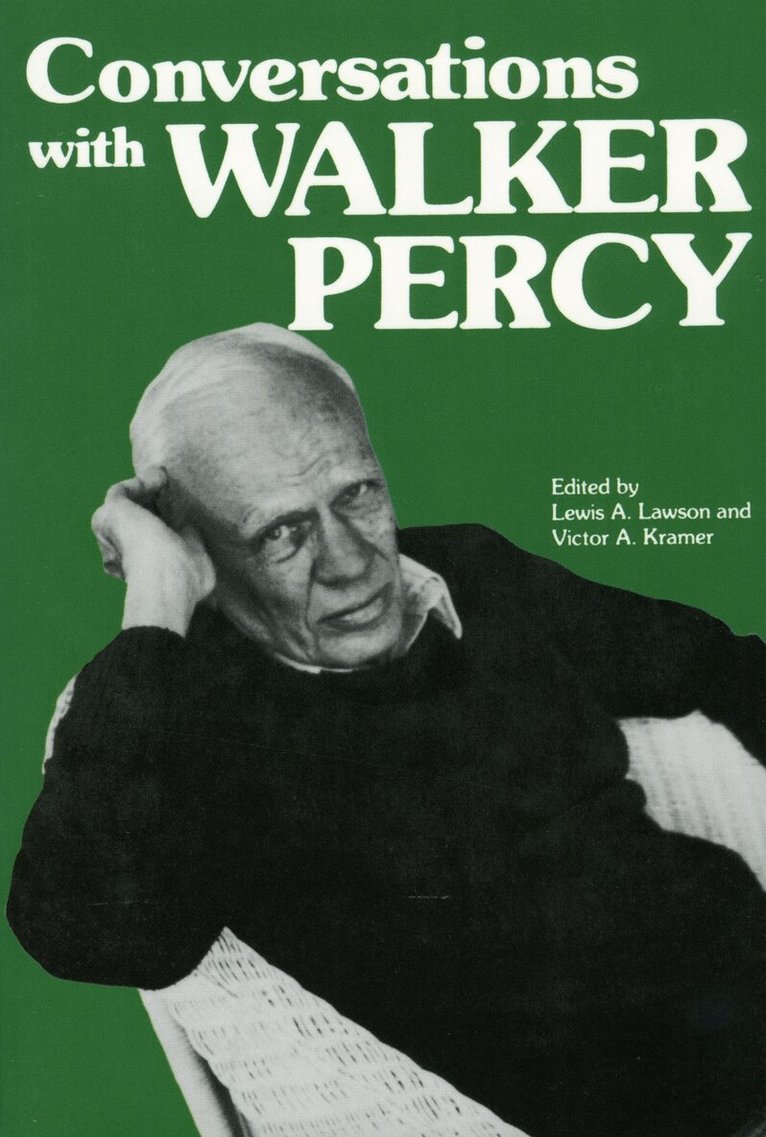
Conversations with Walker Percy
Av Lewis A. Lawson, Victor A. Kramer
Häftad, 1985
381 kr
Lägg i varukorg
These collected interviews, like a visit with Percy at his home on the Bogue Falaya River, provide refreshing close-up encounters with one of America's most celebrated writers.These twenty-seven interviews cover a period of twenty-two years, from the time of the publication of Percy's first novel, …
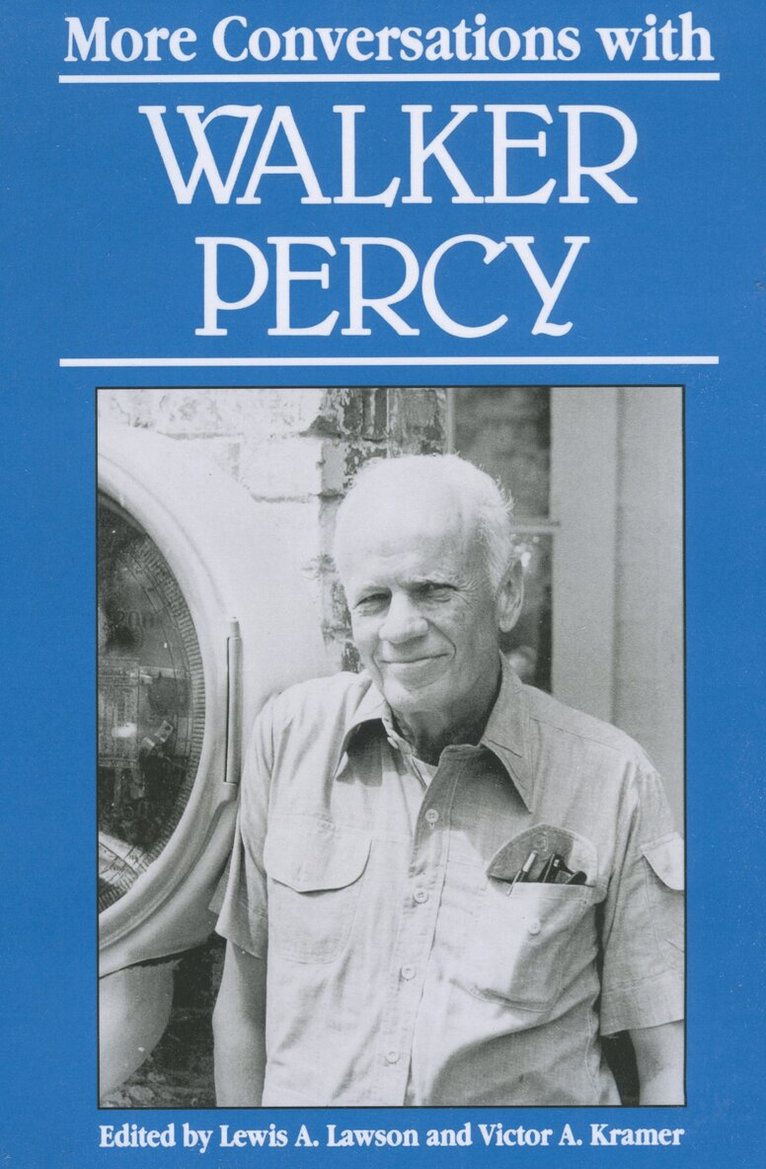
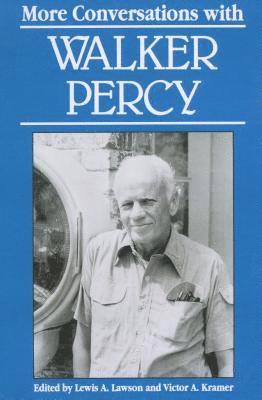
More Conversations with Walker Percy
Av Lewis A. Lawson, Victor A. Kramer
Häftad, 1993
381 kr
Lägg i varukorg
These collected interviews, like a visit with Percy at his home on the Bogue Falaya River, provide refreshing close-up encounters with one of America's most celebrated writers.These twenty-seven interviews cover a period of twenty-two years, from the time of the publication of Percy's first novel, …
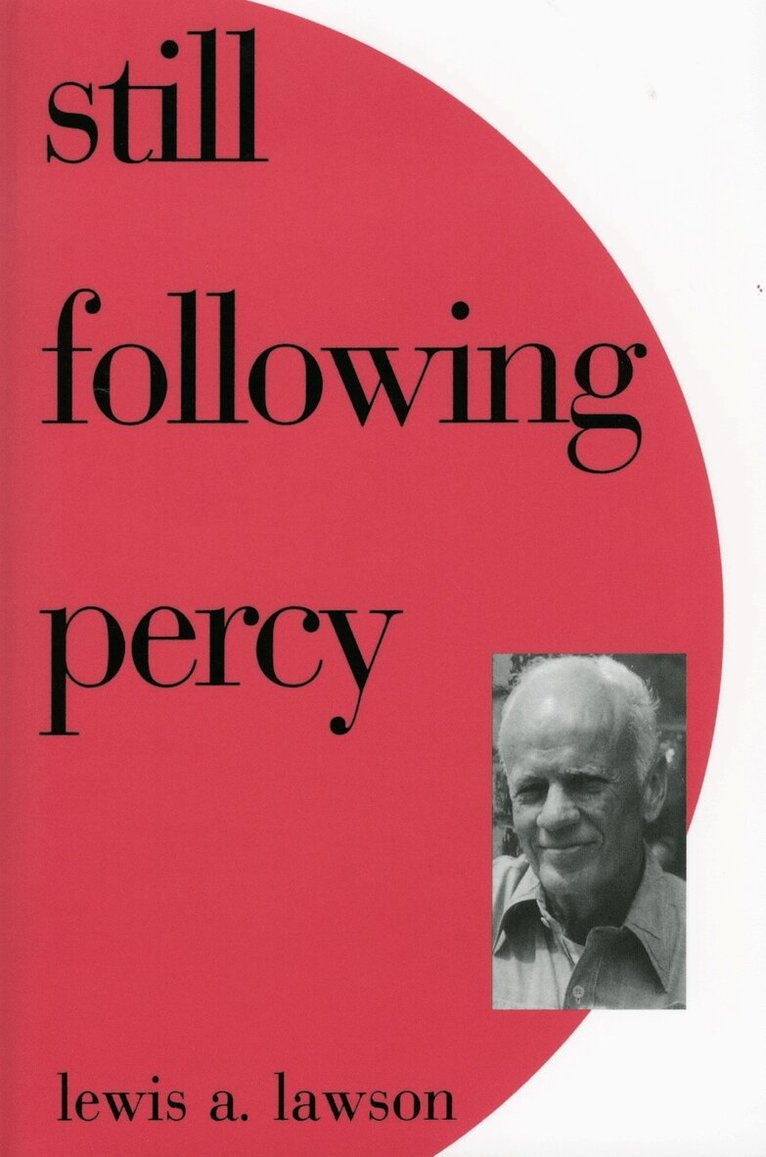
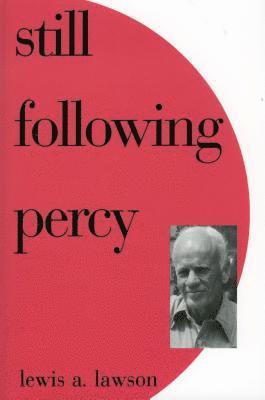
Still Following Percy
Häftad, 2007
381 kr
Lägg i varukorg
When critics first began to respond to the fiction of Walker Percy, they frequently refarded it as a fiction of ideas. The most significant themes were Percy's religious, philosophical, and cultural beliefs. Such conceptions of the man were grounded in his own essays, a genre which in his hands …
More Conversations with Walker Percy
Av Lewis A. Lawson, Victor A. Kramer
Inbunden, 1993
651 kr
Tillfälligt slut
These collected interviews, like a visit with Percy at his home on the Bogue Falaya River, provide refreshing close-up encounters with one of America's most celebrated writers.These twenty-seven interviews cover a period of twenty-two years, from the time of the publication of Percy's first novel, …
Still Following Percy
Inbunden, 1995
587 kr
Tillfälligt slut
When critics first began to respond to the fiction of Walker Percy, they frequently refarded it as a fiction of ideas. The most significant themes were Percy's religious, philosophical, and cultural beliefs. Such conceptions of the man were grounded in his own essays, a genre which in his hands …