Lexi Eikelboom – författare
Visar alla böcker från författaren Lexi Eikelboom. Handla med fri frakt och snabb leverans.
6 produkter
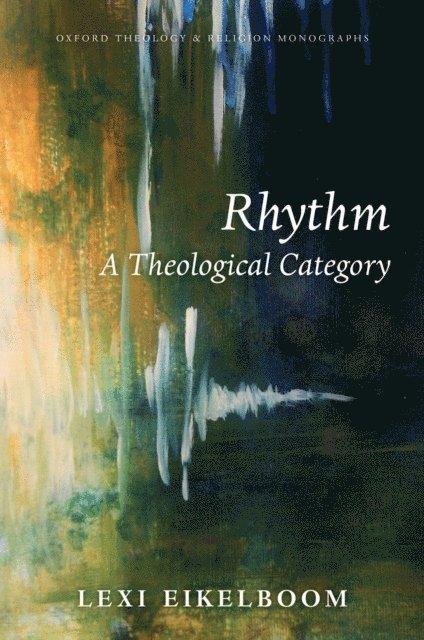
Rhythm
A Theological Category
E-bok, 2018
715 kr
Lägg i varukorg
Rhythm: A Theological Category argues that, as a pervasive dimension of human existence with theological implications, rhythm ought to be considered a category of theological significance. Philosophers and theologians have drawn on the category of rhythm—patterned movements of repetition and …
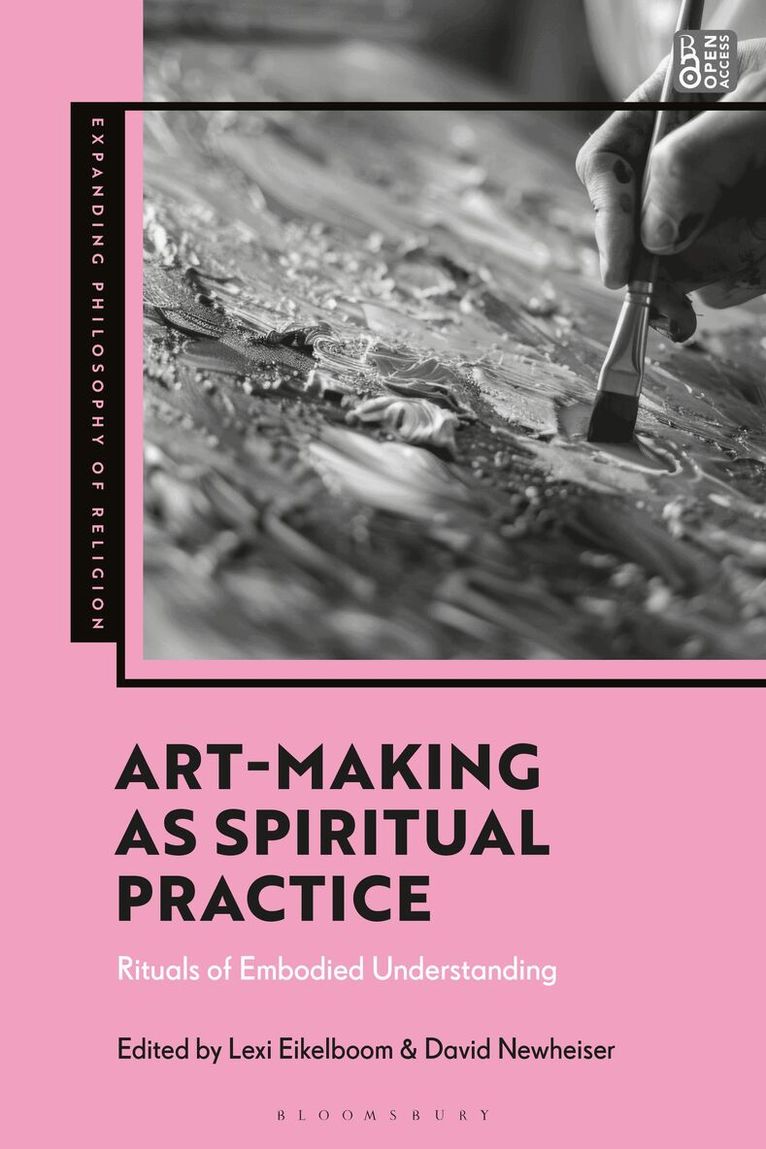
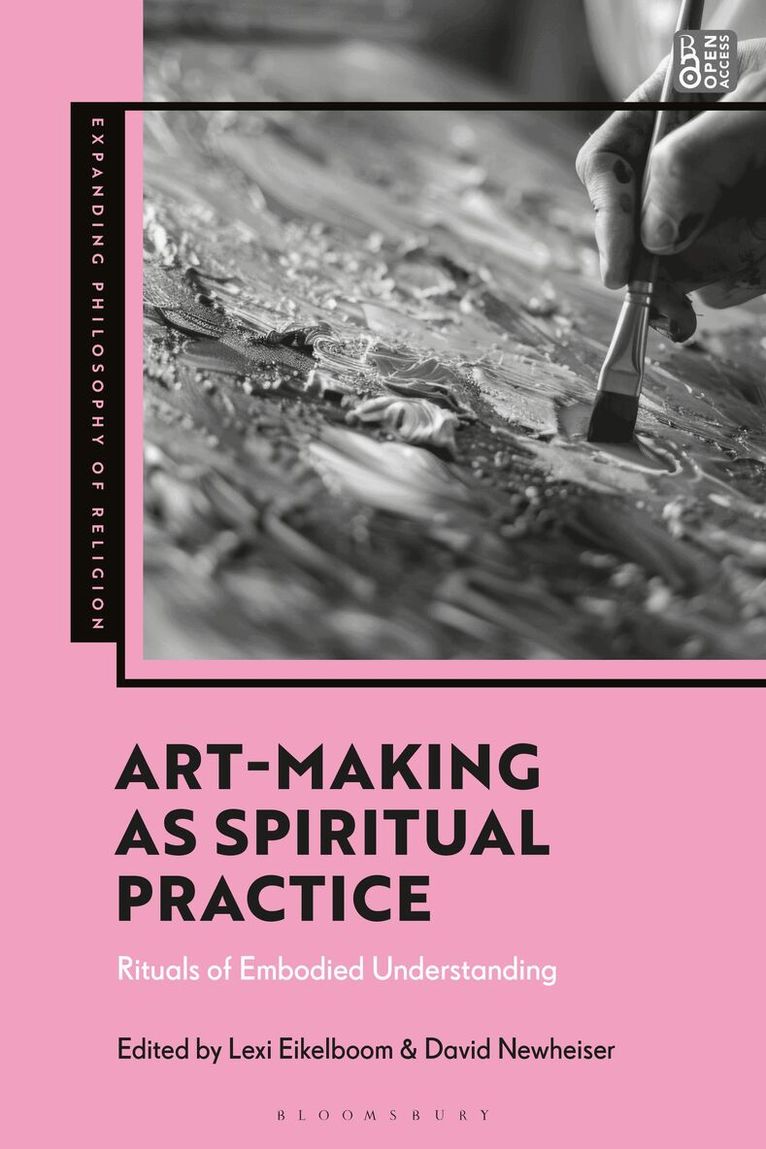
Art-Making as Spiritual Practice
Rituals of Embodied Understanding
Av Lexi Eikelboom, David Newheiser
Inbunden, 2025
1207 kr
Lägg i varukorg
Is it possible to consider art-making as a spiritual practice independent of explicit religious belief or content? This open access collection establishes a new paradigm that changes the conversation surrounding the spiritual significance of art. Where earlier research has focused on the religious …
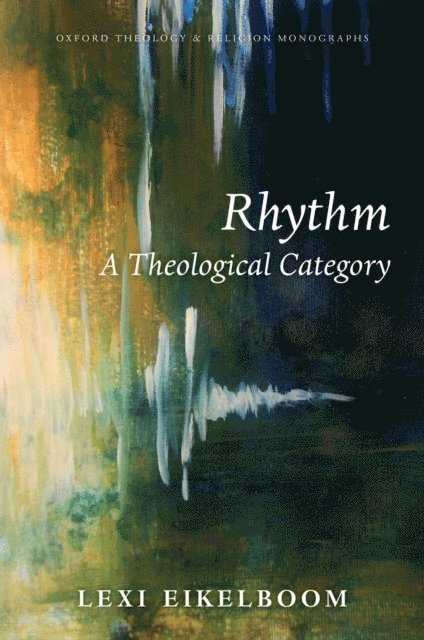
Rhythm
A Theological Category
E-bok, 2018
715 kr
Lägg i varukorg
Rhythm: A Theological Category argues that, as a pervasive dimension of human existence with theological implications, rhythm ought to be considered a category of theological significance. Philosophers and theologians have drawn on the category of rhythm—patterned movements of repetition and …
Yearning Through Form
Shapes of Change in Art and Philosophy
Inbunden, 2027
1362 kr
Kommande
Form is associated with ideas like order, stability, containment, and unity. In a context in which the enemies of those ideals--chaos, change, indistinction, deviance, decay--are projected onto the bodies of others, form can be used as an instrument of oppression and control. But form is also …
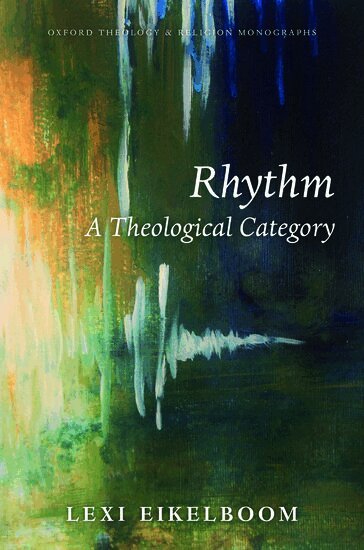
Rhythm
A Theological Category
Inbunden, 2018
976 kr
Lägg i varukorg
Rhythm: A Theological Category argues that, as a pervasive dimension of human existence with theological implications, rhythm ought to be considered a category of theological significance. Philosophers and theologians have drawn on the category of rhythm--patterned movements of repetition and …
Art-Making as Spiritual Practice
Rituals of Embodied Understanding
Av Lexi Eikelboom, David Newheiser
Häftad, 2027
412 kr
Kommande
Is it possible to consider art-making as a spiritual practice independent of explicit religious belief or content? This open access collection establishes a new paradigm that changes the conversation surrounding the spiritual significance of art. Where earlier research has focused on the religious …