Lia Kent - Böcker
Visar alla böcker från författaren Lia Kent. Handla med fri frakt och snabb leverans.
14 produkter
14 produkter
891 kr
Skickas inom 10-15 vardagar
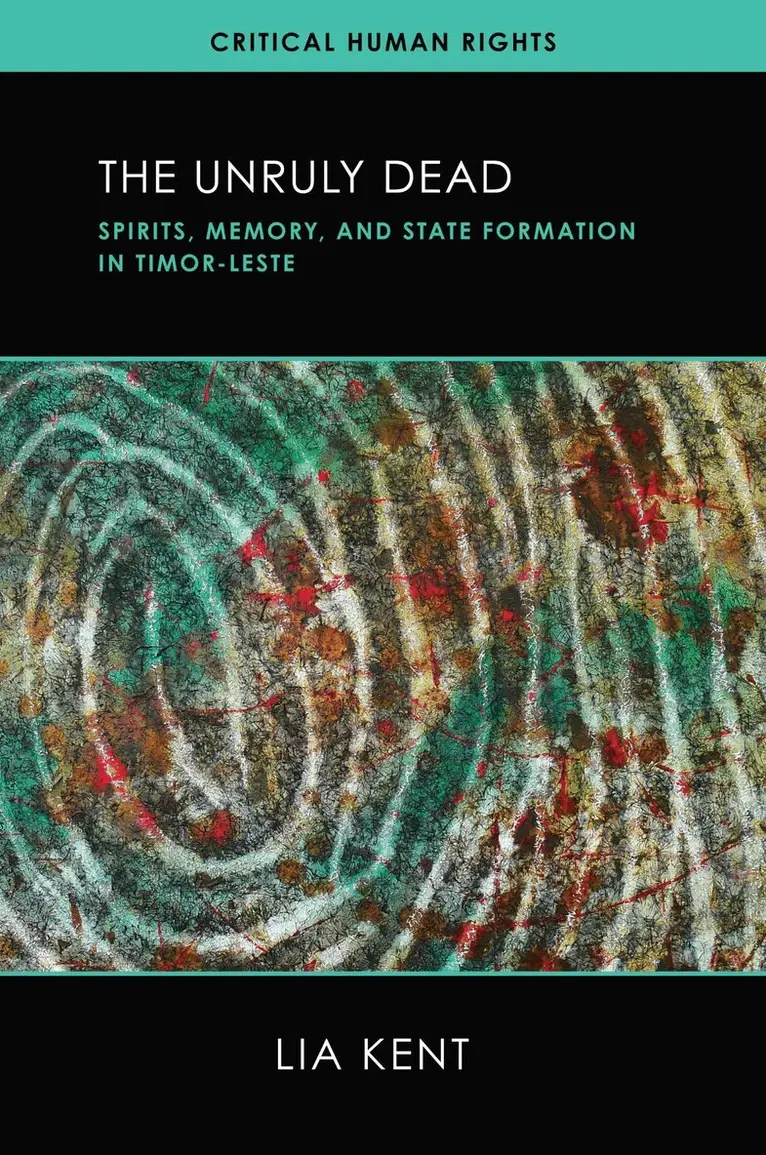
“What might it mean to take the dead seriously?” asks Lia Kent in this exciting new contribution to critical human rights scholarship. In Timor-Leste, a new nation-state that experienced centuries of European colonialism before a violent occupation by Indonesia from 1975 to 1999, the dead are active participants in social and political life who continue to operate within familial structures of obligation and commitment. On individual, local, and national levels, Timor-Leste is invested in various forms of memory work, including memorialization, exhumation, reburial, and commemoration of the occupation’s victims. Such practices enliven the dead, allowing them to forge new relationships with the living and unsettling the state-building logics that seek to contain and control them.With generous, careful ethnography and incisive analysis, Kent challenges comfortable, linear narratives of transitional justice and argues that this memory work is reshaping the East Timorese social and political order—a process in which the dead are active, and sometimes disruptive, participants. Community ties and even the landscape itself are imbued with their presence and demands, and the horrific scale of mass death in recent times—at least a third of the population perished during the Indonesian occupation—means Timor-Leste’s dead have real, significant power in the country’s efforts to remember, recover, and reestablish itself.
2 098 kr
Skickas inom 10-15 vardagar
The concept of hybridity highlights complex processes of interaction and transformation between different institutional and social forms, and normative systems. It has been used in numerous ways to generate important analytical and methodological insights into peacebuilding and development. Its most recent application in the social sciences has also attracted powerful critiques that have highlighted its limitations and challenged its continuing usage.This book examines whether the value of hybridity as a concept can continue to be harnessed, and how its shortcomings might be mitigated or overcome. It does so in an interdisciplinary way, as hybridity has been used as a benchmark across multiple disciplines and areas of practical engagement over the past decade – including peacebuilding, state-building, justice reform, security, development studies, anthropology, and economics. This book encourages a dialogue about the uses and critiques of hybridity from a variety of perspectives and vantage points, including deeply ethnographic works, high-level theory, and applied policy work. The authors conclude that there is continued value in the concept of hybridity, but argue that this value can only be realised if the concept is engaged with in a reflexive and critical way.This book was originally published as a special issue of the online journal Third World Thematics.
1 930 kr
Skickas inom 10-15 vardagar
Transitional justice seeks to establish a break between the violent past and a peaceful, democratic future, and is based on compelling frameworks of resolution, rupture and transition. Bringing together contributions from the disciplines of law, history and anthropology, this comprehensive volume challenges these frameworks, opening up critical conversations around the concepts of justice and injustice; history and record; and healing, transition and resolution. The authors explore how these concepts operate across time and space, as well as disciplinary boundaries. They examine how transitional justice mechanisms are utilised to resolve complex legacies of violence in ways that are often narrow, partial and incomplete, and reinforce existing relations of power. They also destabilise the sharp distinction between ‘before’ and ‘after’ war or conflict that narratives of transition and resolution assume and reproduce.As transitional justice continues to be celebrated and promoted around the globe, this book provides a much-needed reflection on its role and promises. It not only critiques transitional justice frameworks but offers new ways of thinking about questions of violence, conflict, justice and injustice. It was originally published as a special issue of the Australian Feminist Law Journal.
Reconceiving Civil Society and Transitional Justice
Lessons from Asia and the Pacific
Inbunden, Engelska, 2020
2 098 kr
Skickas inom 10-15 vardagar
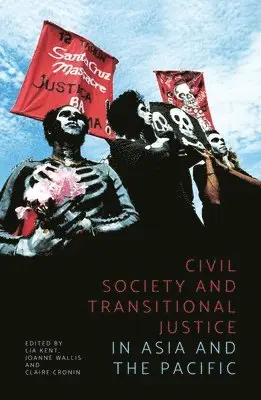
Reconceiving Civil Society and Transitional Justice examines the role of civil society in transitional justice, exploring the forms of civil society that are enabled or disabled by transitional justice processes and the forms of transitional justice activity that are enabled and disabled by civil society actors.Although civil society organisations play an integral role in the pursuit of transitional justice in conflict-affected societies, the literature lacks a comprehensive conceptualisation of the diversity and complexity of these roles. This reflects the degree to which dominant approaches to transitional justice focus on liberal-legal justice strategies and international human rights norms. In this context, civil society organisations are perceived as intermediaries who are thought to advocate for and support formal, liberal transitional justice processes. The contributions to this volume demonstrate that the reality is more complicated; civil society can – and does – play important roles in enabling formal transitional justice processes, but it can also disrupt them. Informed by detailed fieldwork across Asia and the Pacific Islands, the contributions demonstrate that neither transitional justice or civil society should be treated as taken-for-granted concepts. Demonstrating that neither transitional justice or civil society should be treated as taken-for-granted concepts, Reconceiving Civil Society and Transitional Justice will be of great interest to scholars of Security Studies, Asian Studies, Peacebuilding, Asia Pacific, Human Rights, Reconciliation and the Politics of Memory. The chapters were originally published as a special issue of Global Change, Peace & Security.
620 kr
Skickas inom 10-15 vardagar
The concept of hybridity highlights complex processes of interaction and transformation between different institutional and social forms, and normative systems. It has been used in numerous ways to generate important analytical and methodological insights into peacebuilding and development. Its most recent application in the social sciences has also attracted powerful critiques that have highlighted its limitations and challenged its continuing usage.This book examines whether the value of hybridity as a concept can continue to be harnessed, and how its shortcomings might be mitigated or overcome. It does so in an interdisciplinary way, as hybridity has been used as a benchmark across multiple disciplines and areas of practical engagement over the past decade – including peacebuilding, state-building, justice reform, security, development studies, anthropology, and economics. This book encourages a dialogue about the uses and critiques of hybridity from a variety of perspectives and vantage points, including deeply ethnographic works, high-level theory, and applied policy work. The authors conclude that there is continued value in the concept of hybridity, but argue that this value can only be realised if the concept is engaged with in a reflexive and critical way.This book was originally published as a special issue of the online journal Third World Thematics.
Dynamics of Transitional Justice:
International Models and Local Realities in East Timor
Inbunden, Engelska, 2012
1 992 kr
Skickas inom 10-15 vardagar
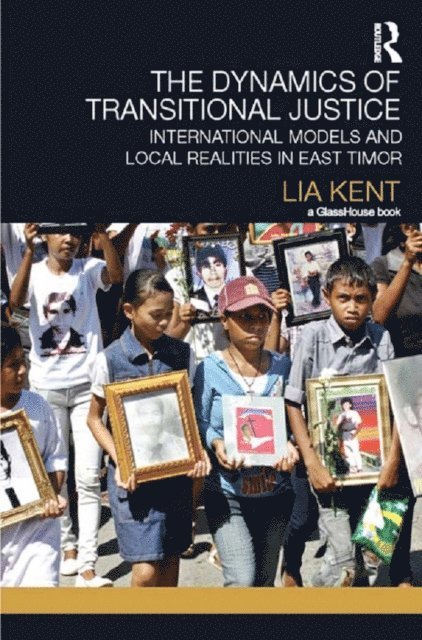
The Dynamics of Transitional Justice draws on the case of East Timor in order to reassess how transitional justice mechanisms actually play out at the local level. Transitional justice mechanisms – including trials and truth commissions – have become firmly entrenched as part of the United Nations ‘tool-kit’ for successful post-conflict recovery. It is now commonly assumed that by establishing individual accountability for human rights violations, and initiating truth-seeking and reconciliation programs, individuals and societies will be assisted to ‘come to terms’ with the violent past and states will make the ‘transition’ to peaceful, stable liberal democracies. Set against the backdrop of East Timor’s referendum and the widespread violence of 1999, this book interrogates the gap between the official claims made for transitional justice and local expectations. Drawing on a wide range of sources, including extensive in-depth interviews with victims/survivors, community leaders and other actors, it produces a nuanced and critical account of the complex interplay between internationally-sponsored trials and truth commissions, national justice agendas and local priorities. The Dynamics of Transitional Justice fills a significant gap in the existing social science literature on transitional justice, and offers new insights for researchers and practitioners alike.
Dynamics of Transitional Justice:
International Models and Local Realities in East Timor
Häftad, Engelska, 2013
696 kr
Skickas inom 10-15 vardagar
The Dynamics of Transitional Justice draws on the case of East Timor in order to reassess how transitional justice mechanisms actually play out at the local level. Transitional justice mechanisms – including trials and truth commissions – have become firmly entrenched as part of the United Nations ‘tool-kit’ for successful post-conflict recovery. It is now commonly assumed that by establishing individual accountability for human rights violations, and initiating truth-seeking and reconciliation programs, individuals and societies will be assisted to ‘come to terms’ with the violent past and states will make the ‘transition’ to peaceful, stable liberal democracies. Set against the backdrop of East Timor’s referendum and the widespread violence of 1999, this book interrogates the gap between the official claims made for transitional justice and local expectations. Drawing on a wide range of sources, including extensive in-depth interviews with victims/survivors, community leaders and other actors, it produces a nuanced and critical account of the complex interplay between internationally-sponsored trials and truth commissions, national justice agendas and local priorities. The Dynamics of Transitional Justice fills a significant gap in the existing social science literature on transitional justice, and offers new insights for researchers and practitioners alike.
567 kr
Skickas inom 10-15 vardagar
Transitional justice seeks to establish a break between the violent past and a peaceful, democratic future, and is based on compelling frameworks of resolution, rupture and transition. Bringing together contributions from the disciplines of law, history and anthropology, this comprehensive volume challenges these frameworks, opening up critical conversations around the concepts of justice and injustice; history and record; and healing, transition and resolution. The authors explore how these concepts operate across time and space, as well as disciplinary boundaries. They examine how transitional justice mechanisms are utilised to resolve complex legacies of violence in ways that are often narrow, partial and incomplete, and reinforce existing relations of power. They also destabilise the sharp distinction between ‘before’ and ‘after’ war or conflict that narratives of transition and resolution assume and reproduce.As transitional justice continues to be celebrated and promoted around the globe, this book provides a much-needed reflection on its role and promises. It not only critiques transitional justice frameworks but offers new ways of thinking about questions of violence, conflict, justice and injustice. It was originally published as a special issue of the Australian Feminist Law Journal.
Reconceiving Civil Society and Transitional Justice
Lessons from Asia and the Pacific
Häftad, Engelska, 2024
617 kr
Skickas inom 10-15 vardagar
Reconceiving Civil Society and Transitional Justice examines the role of civil society in transitional justice, exploring the forms of civil society that are enabled or disabled by transitional justice processes and the forms of transitional justice activity that are enabled and disabled by civil society actors.Although civil society organisations play an integral role in the pursuit of transitional justice in conflict-affected societies, the literature lacks a comprehensive conceptualisation of the diversity and complexity of these roles. This reflects the degree to which dominant approaches to transitional justice focus on liberal-legal justice strategies and international human rights norms. In this context, civil society organisations are perceived as intermediaries who are thought to advocate for and support formal, liberal transitional justice processes. The contributions to this volume demonstrate that the reality is more complicated; civil society can – and does – play important roles in enabling formal transitional justice processes, but it can also disrupt them. Informed by detailed fieldwork across Asia and the Pacific Islands, the contributions demonstrate that neither transitional justice or civil society should be treated as taken-for-granted concepts. Demonstrating that neither transitional justice or civil society should be treated as taken-for-granted concepts, Reconceiving Civil Society and Transitional Justice will be of great interest to scholars of Security Studies, Asian Studies, Peacebuilding, Asia Pacific, Human Rights, Reconciliation and the Politics of Memory. The chapters were originally published as a special issue of Global Change, Peace & Security.
649 kr
Skickas inom 10-15 vardagar
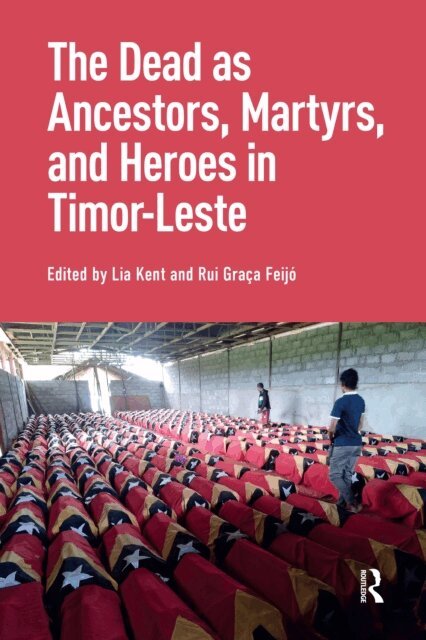
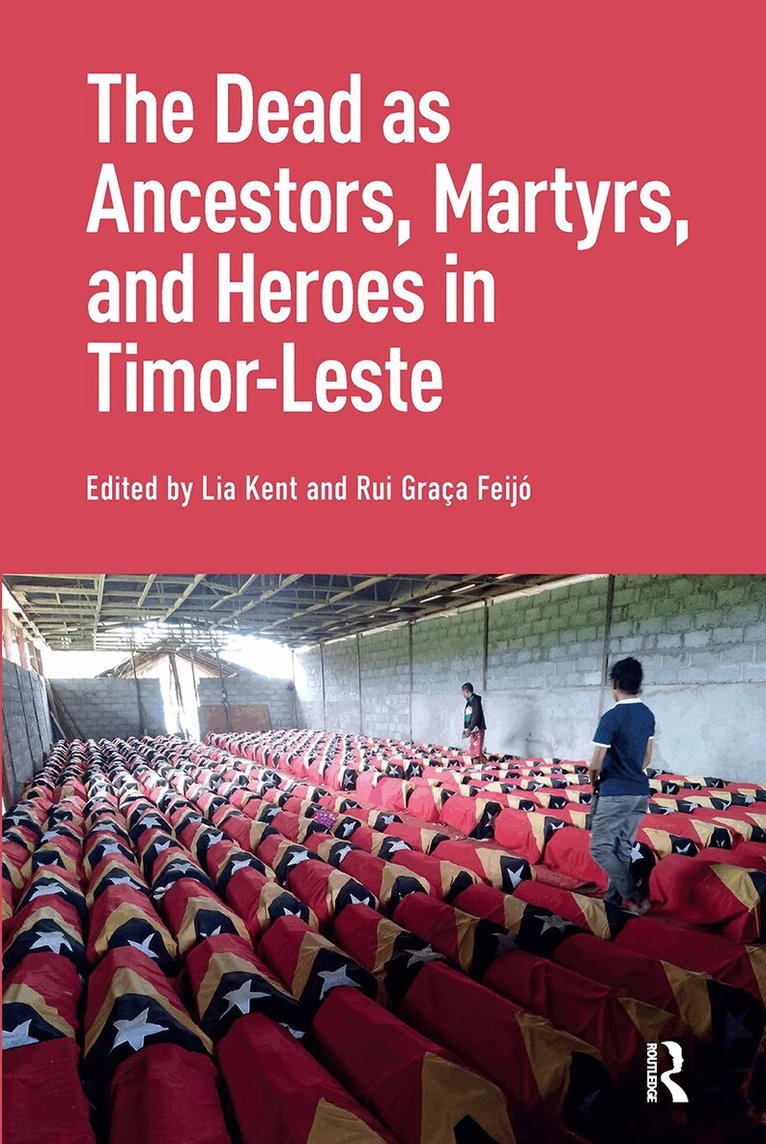
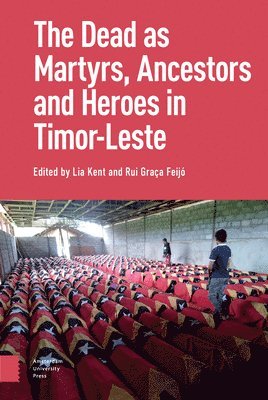
During the 24-year Indonesian occupation of East Timor, thousands of people died, or were killed, in circumstances that did not allow the required death rituals to be performed. Since the nation's independence, families and communities have invested considerable time, effort and resources in fulfilling their obligations to the dead. These obligations are imbued with urgency because the dead are ascribed agency and can play a benevolent or malevolent role in the lives of the living. These grassroots initiatives run, sometimes critically, in parallel with official programs that seek to transform particular dead bodies into public symbols of heroism, sacrifice and nationhood. The Dead as Ancestors, Martyrs, and Heroes in Timor-Leste focuses on the dynamic interplay between the potent presence of the dead in everyday life and their symbolic usefulness to the state. It underlines how the dead shape relationships amongst families, communities and the nation-state, and open an important window into — are in fact pivotal to — processes of state and nation formation...
Hybridity on the Ground in Peacebuilding and Development: Critical Conversations
Häftad, Engelska, 2018
398 kr
Skickas inom 5-8 vardagar
339 kr
Skickas inom 5-8 vardagar
360 kr
Skickas inom 5-8 vardagar
1 952 kr
Skickas inom 10-15 vardagar
During the 24-year Indonesian occupation of East Timor, thousands of people died, or were killed, in circumstances that did not allow the required death rituals to be performed. This book focuses on the dynamic interplay between the potent presence of the dead in everyday life and their symbolic usefulness to the state.