Lida Oukaderova - Böcker
Visar alla böcker från författaren Lida Oukaderova. Handla med fri frakt och snabb leverans.
6 produkter
6 produkter
817 kr
Skickas inom 7-10 vardagar
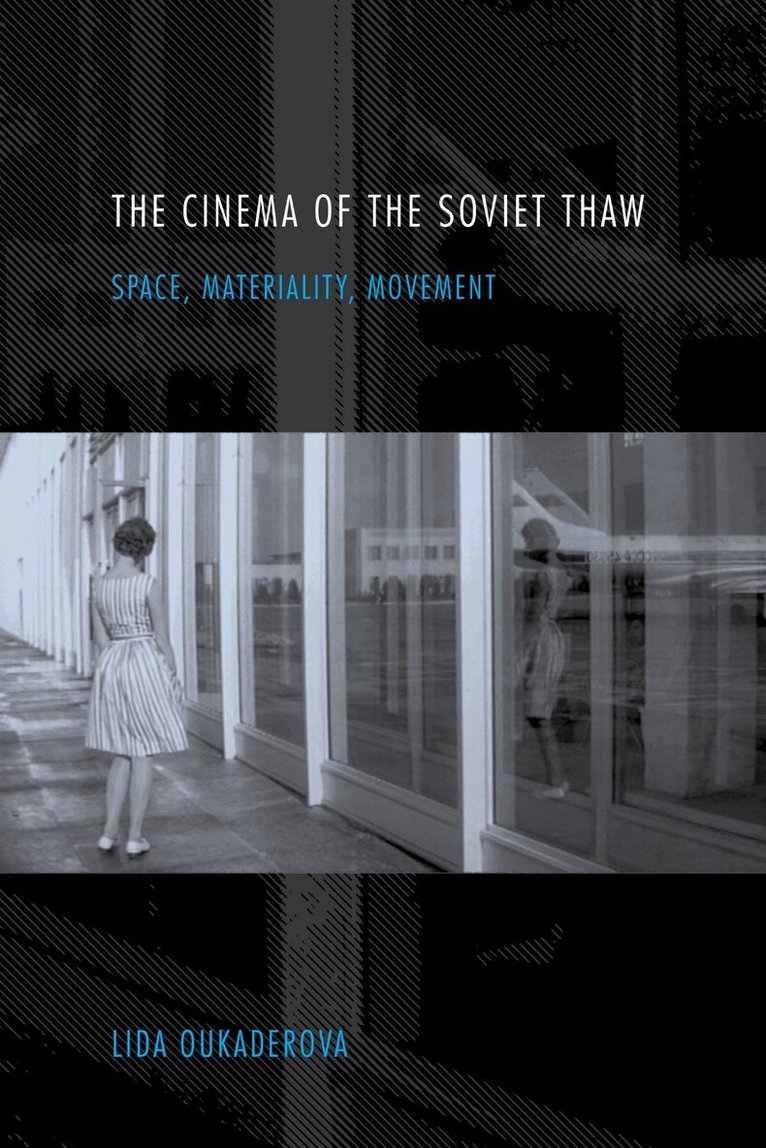
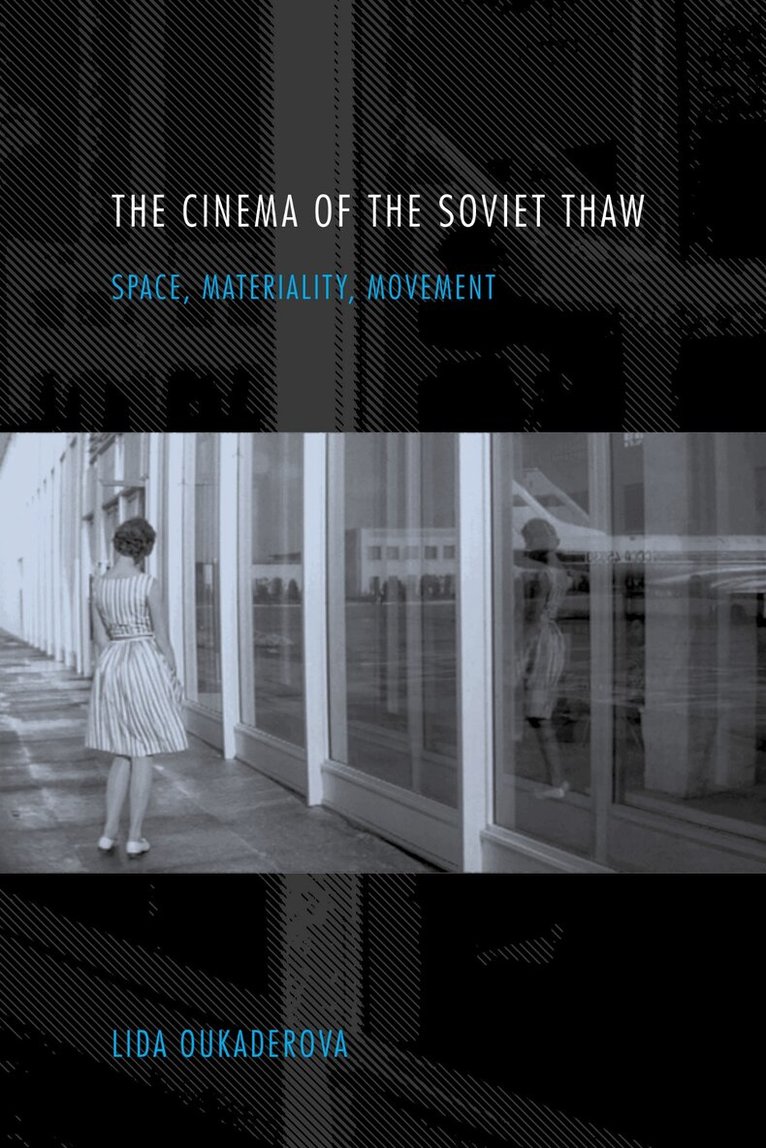
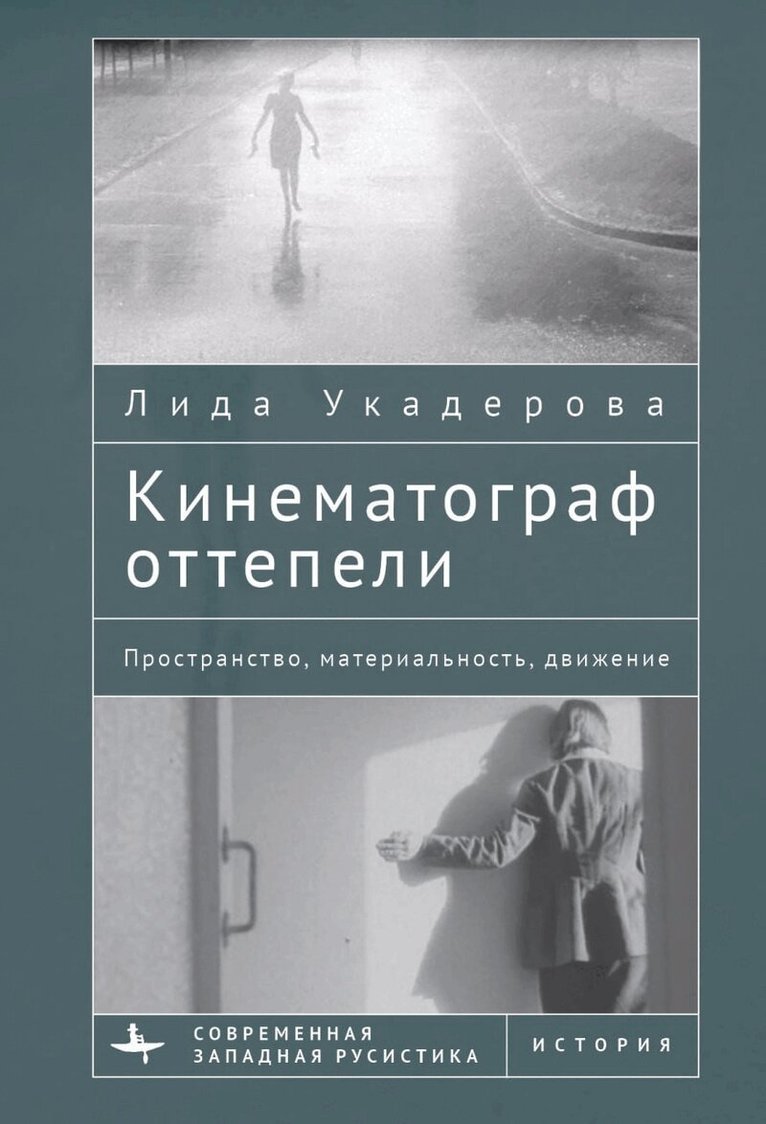
Following Joseph Stalin's death in 1953, the Soviet Union experienced a dramatic resurgence in cinematic production. The period of the Soviet Thaw became known for its relative political and cultural liberalization; its films, formally innovative and socially engaged, were swept to the center of international cinematic discourse. In The Cinema of the Soviet Thaw, Lida Oukaderova provides an in-depth analysis of several Soviet films made between 1958 and 1967 to argue for the centrality of space—as both filmic trope and social concern—to Thaw-era cinema. Opening with a discussion of the USSR's little-examined late-fifties embrace of panoramic cinema, the book pursues close readings of films by Mikhail Kalatozov, Georgii Danelia, Larisa Shepitko and Kira Muratova, among others. It demonstrates that these directors' works were motivated by an urge to interrogate and reanimate spatial experience, and through this project to probe critical issues of ideology, social progress, and subjectivity within post–Stalinist culture.
317 kr
Skickas inom 7-10 vardagar
Following Joseph Stalin's death in 1953, the Soviet Union experienced a dramatic resurgence in cinematic production. The period of the Soviet Thaw became known for its relative political and cultural liberalization; its films, formally innovative and socially engaged, were swept to the center of international cinematic discourse. In The Cinema of the Soviet Thaw, Lida Oukaderova provides an in-depth analysis of several Soviet films made between 1958 and 1967 to argue for the centrality of space—as both filmic trope and social concern—to Thaw-era cinema. Opening with a discussion of the USSR's little-examined late-fifties embrace of panoramic cinema, the book pursues close readings of films by Mikhail Kalatozov, Georgii Danelia, Larisa Shepitko and Kira Muratova, among others. It demonstrates that these directors' works were motivated by an urge to interrogate and reanimate spatial experience, and through this project to probe critical issues of ideology, social progress, and subjectivity within post–Stalinist culture.
1 277 kr
Skickas inom 7-10 vardagar
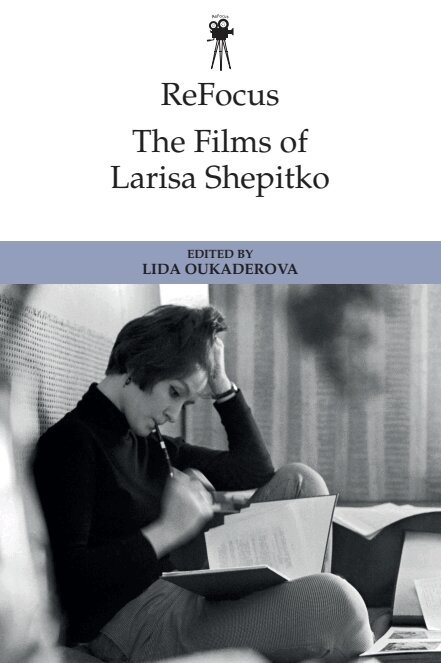
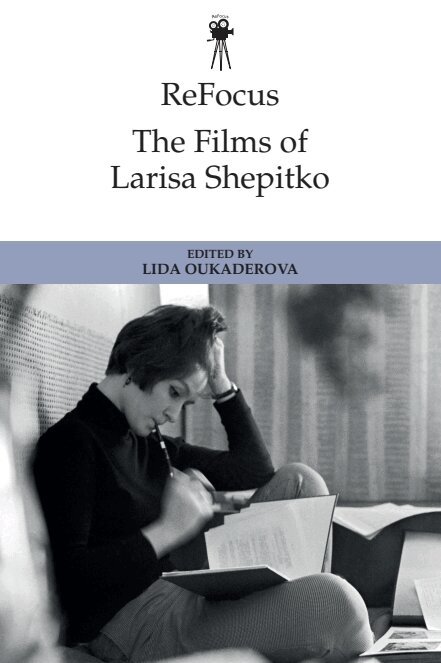
Despite the brief span of her directorial career, lasting from 1963 to 1979, the Soviet Ukrainian director Larisa Shepitko produced a remarkable body of work, one that received an expansive national and international attention and led her to winning the Golden Bear Awards at the Berlin International Film Festival in 1977. Refocus: The Cinema of Larisa Shepitko is the first volume in English to offer a comprehensive, methodologically diverse analysis of Shepitko's oeuvre, demonstrating the ongoing significance of her work for filmmakers and scholars alike. The book not only considers the emergence of Shepitko's cinema within Soviet political and cultural history but examines its continued relevance for thinking about such pressing contemporary issues as war and trauma, history, memory and subjectivity, and ecology and the environment.
316 kr
Skickas
Despite the brief span of her directorial career, lasting from 1963 to 1979, the Soviet Ukrainian director Larisa Shepitko produced a remarkable body of work, one that received an expansive national and international attention and led her to winning the Golden Bear Awards at the Berlin International Film Festival in 1977. Refocus: The Cinema of Larisa Shepitko is the first volume in English to offer a comprehensive, methodologically diverse analysis of Shepitko's oeuvre, demonstrating the ongoing significance of her work for filmmakers and scholars alike. The book not only considers the emergence of Shepitko's cinema within Soviet political and cultural history but examines its continued relevance for thinking about such pressing contemporary issues as war and trauma, history, memory and subjectivity, and ecology and the environment.
478 kr
Skickas inom 5-8 vardagar
Following Joseph Stalin's death in 1953, the Soviet Union experienced a dramatic resurgence in cinematic production. The period of the Soviet Thaw became known for its relative political and cultural liberalization; its films, formally innovative and socially engaged, were swept to the center of international cinematic discourse. In The Cinema of the Soviet Thaw, Lida Oukaderova provides an in-depth analysis of several Soviet films made between 1958 and 1967 to argue for the centrality of space-as both filmic trope and social concern-to Thaw-era cinema. Opening with a discussion of the USSR's little-examined late-fifties embrace of panoramic cinema, the book pursues close readings of films by Mikhail Kalatozov, Georgii Danelia, Larisa Shepitko and Kira Muratova, among others. It demonstrates that these directors' works were motivated by an urge to interrogate and reanimate spatial experience, and through this project to probe critical issues of ideology, social progress, and subjectivity within post-Stalinist culture.
336 kr
Skickas inom 3-6 vardagar
Following Joseph Stalin's death in 1953, the Soviet Union experienced a dramatic resurgence in cinematic production. The period of the Soviet Thaw became known for its relative political and cultural liberalization; its films, formally innovative and socially engaged, were swept to the center of international cinematic discourse. In The Cinema of the Soviet Thaw, Lida Oukaderova provides an in-depth analysis of several Soviet films made between 1958 and 1967 to argue for the centrality of space-as both filmic trope and social concern-to Thaw-era cinema. Opening with a discussion of the USSR's little-examined late-fifties embrace of panoramic cinema, the book pursues close readings of films by Mikhail Kalatozov, Georgii Danelia, Larisa Shepitko and Kira Muratova, among others. It demonstrates that these directors' works were motivated by an urge to interrogate and reanimate spatial experience, and through this project to probe critical issues of ideology, social progress, and subjectivity within post-Stalinist culture.