Lillian Smith – författare
Visar alla böcker från författaren Lillian Smith. Handla med fri frakt och snabb leverans.
14 produkter
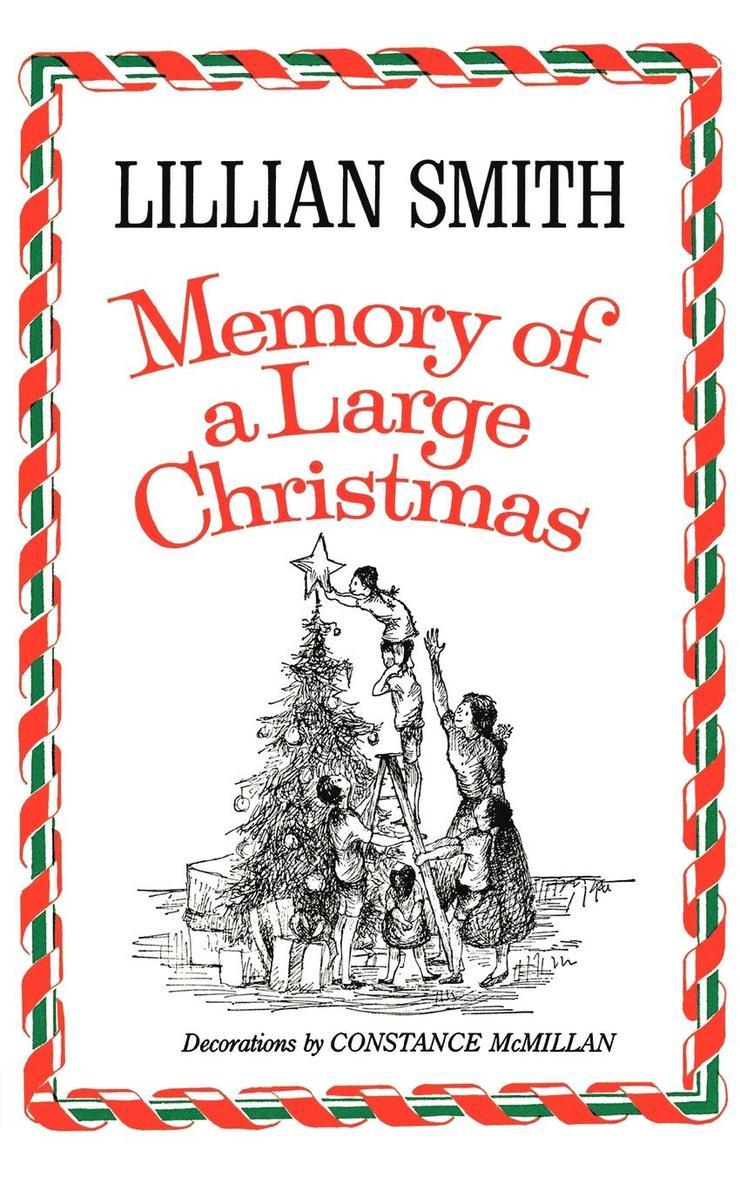
Memory of a Large Christmas
Häftad, 1980
235 kr
Lägg i varukorg
There were nine of the Smith children, and the grandmothers and cousins, and there was a big house that never quite ended, and there were the smokehouse and hog-killing and the shaking of the pecan trees, and all the delicious doings that went on in a nineteenth-century kitchen, which lingered into …
Winner Names the Age
A Collection of Writings by Lillian Smith
Av Lillian Smith, Michelle Cliff
Häftad, 1982
296 kr
Lägg i varukorg
This volume collects Lillian Smith’s speeches and essays, under three headings. In “Addressed to the South,” they are a historical record of segregation and the opposition to segregation. In “Words That Chain Us and Words That Set Us Free,” they discuss the power of language to change political and …
Killers of the Dream
Häftad, 1994
170 kr
Lägg i varukorg
Published to wide controversy, it became the source (acknowledged or unacknowledged) of much of our thinking about race relations and was for many a catalyst for the civil rights movement. It remains the most courageous, insightful, and eloquent critique of the pre-1960s South."I began to see …
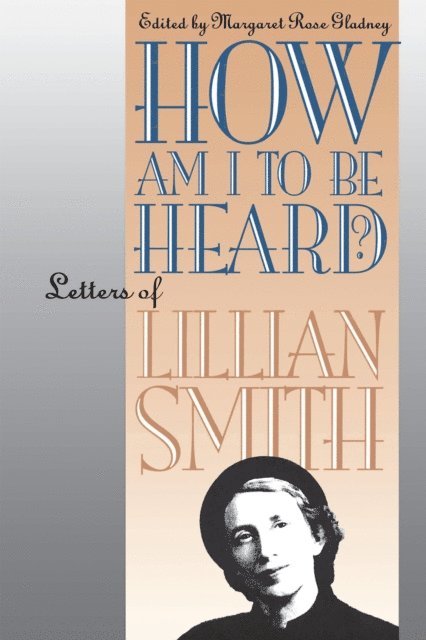
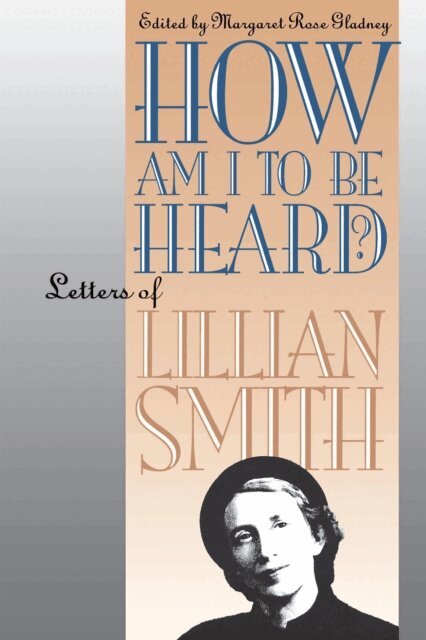
How Am I to Be Heard?
Letters of Lillian Smith
Av Lillian Smith, Margaret Rose Gladney
Häftad, 1996
564 kr
Lägg i varukorg
This compelling volume offers the first full portrait of the life and work of writer Lillian Smith (1897-1966), the foremost southern white liberal of the mid-twentieth century. Smith devoted her life to lifting the veil of southern self-deception about race, class, gender, and sexuality. Her …
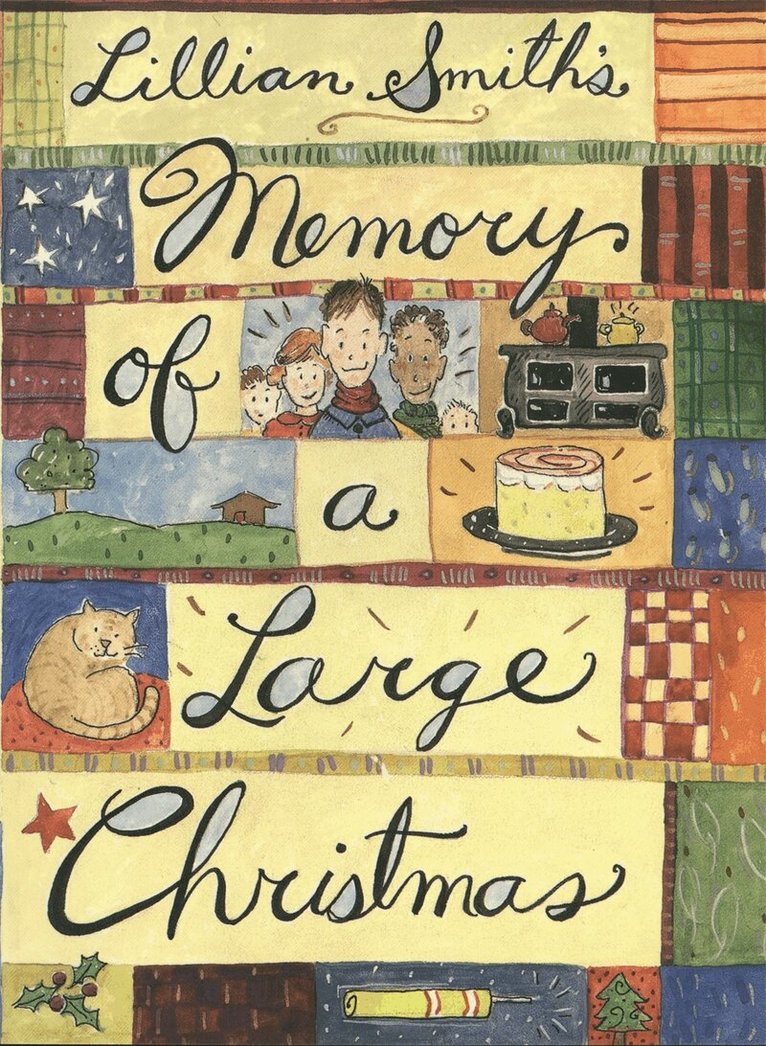
Memory of a Large Christmas
Inbunden, 1996
340 kr
Lägg i varukorg
As a young child in the early 1900s, writer and civil rights crusader Lillian Smith lived an idyllic, small-town life. Of the many customs by which her and her eight brothers' and sisters' days were ordered, none are so fondly remembered by Smith as those of the Christmas season.With a lighthearted …
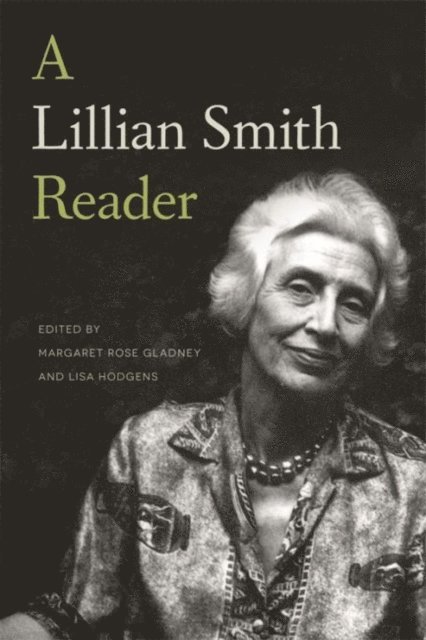
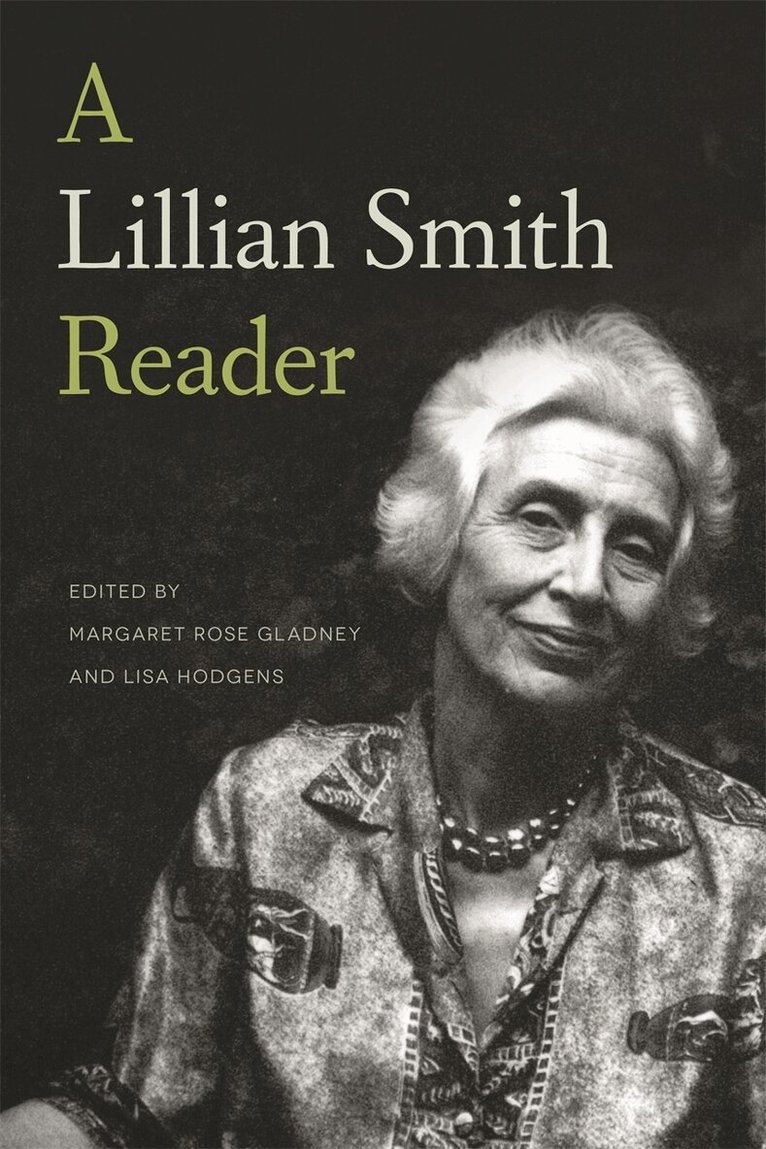
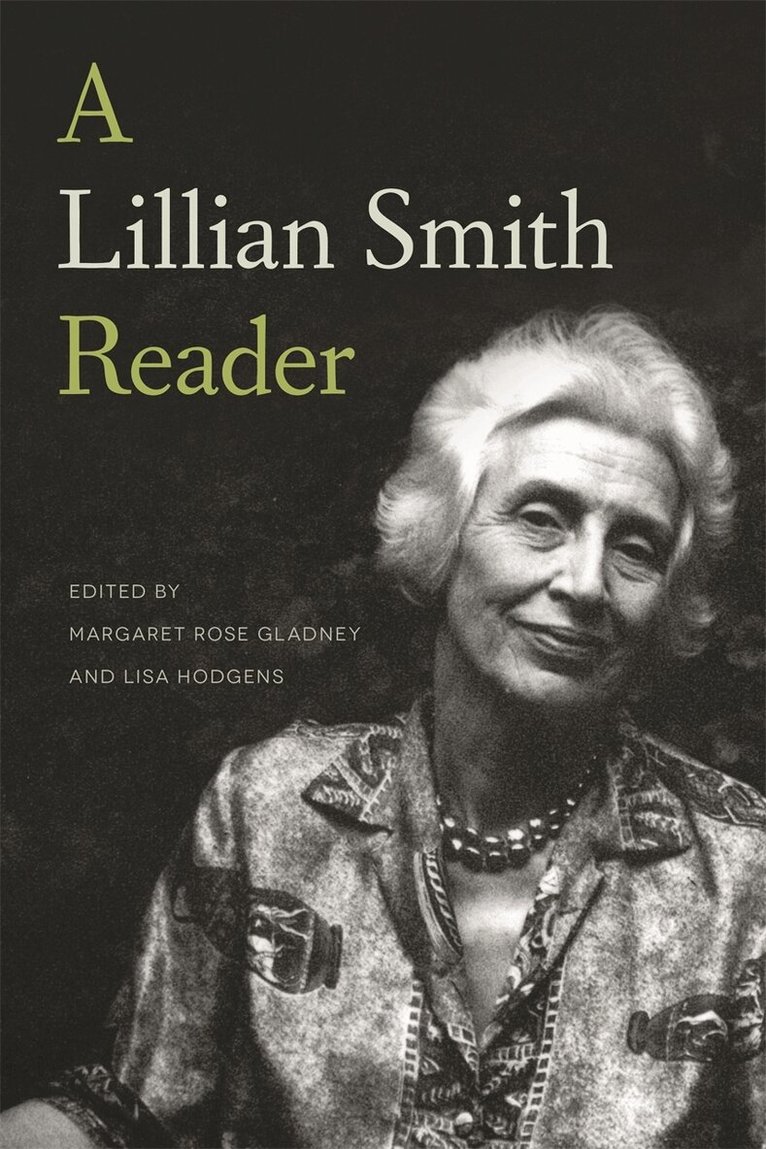
Lillian Smith Reader
Av Lillian Smith, Margaret Rose Gladney m. fl.
E-bok, 2016
2231 kr
Lägg i varukorg
As a writer and forward-thinking social critic, Lillian Smith (1897–1966) was an astute chronicler of the twentieth-century American South and an early proponent of the civil rights movement. From her home on Old Screamer Mountain overlooking Clayton, Georgia, Smith wrote and spoke openly against …
Lillian Smith Reader
Av Lillian Smith, Margaret Rose Gladney m. fl.
Inbunden, 2016
1603 kr
Lägg i varukorg
As a writer and forward-thinking social critic, Lillian Smith (1897–1966) was an astute chronicler of the twentieth-century American South and an early proponent of the civil rights movement. From her home on Old Screamer Mountain overlooking Clayton, Georgia, Smith wrote and spoke openly against …
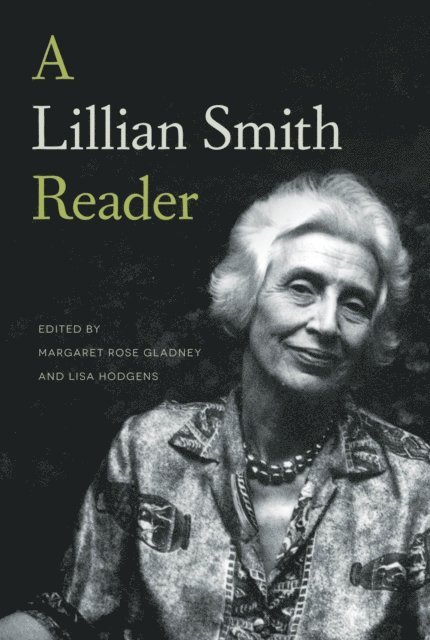
Lillian Smith Reader
Av Lillian Smith, Lisa Hodgens m. fl.
E-bok, 2016
2125 kr
Lägg i varukorg
As a writer and forward-thinking social critic, Lillian Smith (1897–1966) was an astute chronicler of the twentieth-century American South and an early proponent of the civil rights movement. From her home on Old Screamer Mountain overlooking Clayton, Georgia, Smith wrote and spoke openly against …
How Am I to Be Heard?
Letters of Lillian Smith
Av Lillian Smith, Margaret Rose Gladney
E-bok, 2018
423 kr
Lägg i varukorg
This compelling volume offers the first full portrait of the life and work of writer Lillian Smith (1897–1966), the foremost southern white liberal of the mid-twentieth century. Smith devoted her life to lifting the veil of southern self-deception about race, class, gender, and sexuality. Her …
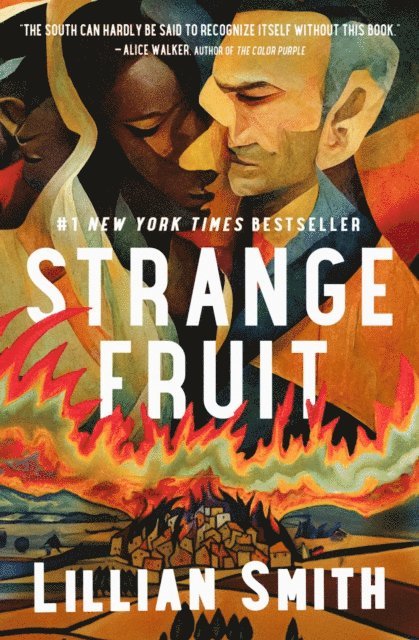
Strange Fruit
E-bok, 2024
241 kr
Lägg i varukorg
The eighty-year anniversary edition of the once-banned, #1 New York Times–bestselling novel of interracial romance and discrimination in Georgia.Alice Walker said it best: "The South can hardly be said to recognize itself without this book." Igniting controversy upon its publication in 1944, …
How Am I to Be Heard?
Letters of Lillian Smith
Av Lillian Smith, Margaret Rose Gladney
E-bok, 2018
423 kr
Lägg i varukorg
This compelling volume offers the first full portrait of the life and work of writer Lillian Smith (1897–1966), the foremost southern white liberal of the mid-twentieth century. Smith devoted her life to lifting the veil of southern self-deception about race, class, gender, and sexuality. Her …
Lillian Smith Reader
Av Lillian Smith, Margaret Rose Gladney m. fl.
Häftad, 2016
685 kr
Tillfälligt slut
As a writer and forward-thinking social critic, Lillian Smith (1897–1966) was an astute chronicler of the twentieth-century American South and an early proponent of the civil rights movement. From her home on Old Screamer Mountain overlooking Clayton, Georgia, Smith wrote and spoke openly against …