Lin Hongxuan – författare
Visar alla böcker från författaren Lin Hongxuan. Handla med fri frakt och snabb leverans.
4 produkter
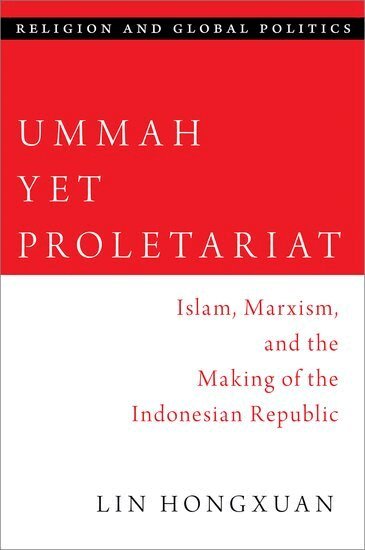
Ummah Yet Proletariat
Islam, Marxism, and the Making of the Indonesian Republic
Av Lin Hongxuan
Inbunden, 2023
1109 kr
Lägg i varukorg
From 1965 to 1966, at least 500,000 Indonesians were killed in military-directed violence that targeted suspected Communists. Muslim politicians justified the killings, arguing that Marxism posed an existential threat to all religions. Since then, the demonization of Marxism, as well as the …
Ummah Yet Proletariat
Islam, Marxism, and the Making of the Indonesian Republic
Av Lin Hongxuan
E-bok, 2023
1009 kr
Lägg i varukorg
From 1965 to 1966, at least 500,000 Indonesians were killed in military-directed violence that targeted suspected Communists. Muslim politicians justified the killings, arguing that Marxism posed an existential threat to all religions. Since then, the demonization of Marxism, as well as the …
Ummah Yet Proletariat
Islam, Marxism, and the Making of the Indonesian Republic
Av Lin Hongxuan
E-bok, 2023
1009 kr
Lägg i varukorg
From 1965 to 1966, at least 500,000 Indonesians were killed in military-directed violence that targeted suspected Communists. Muslim politicians justified the killings, arguing that Marxism posed an existential threat to all religions. Since then, the demonization of Marxism, as well as the …
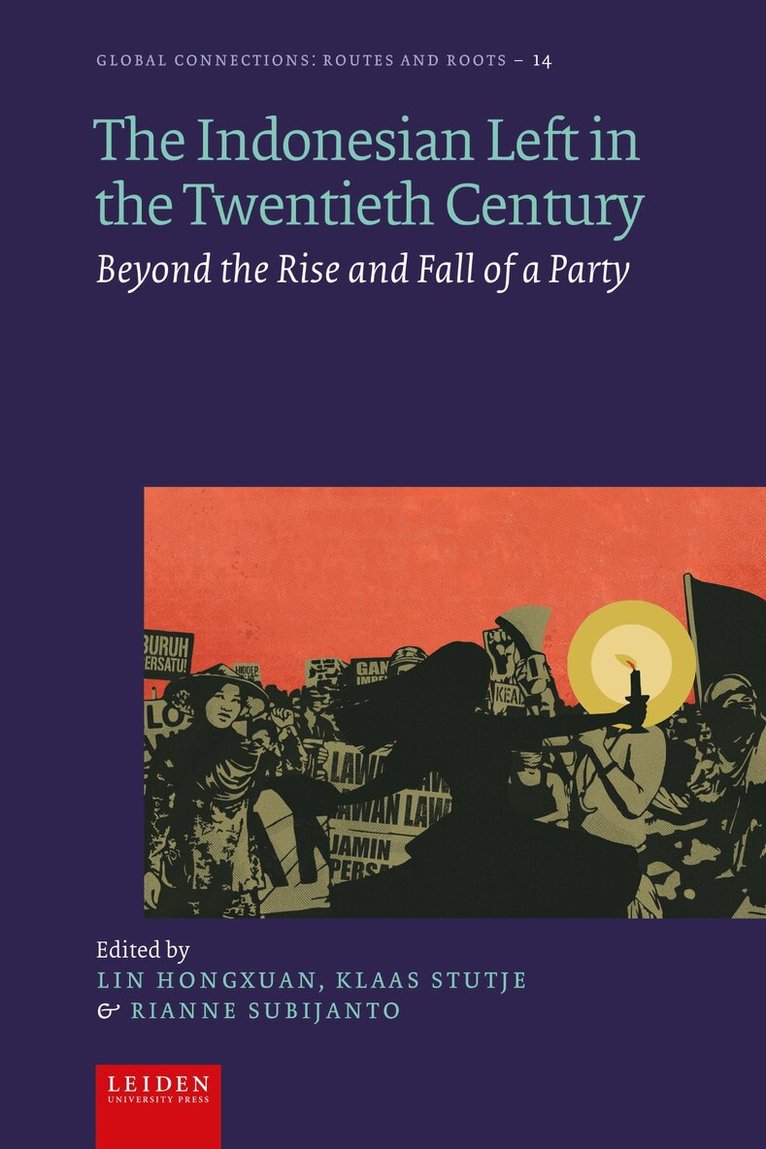
Indonesian Left in the Twentieth Century
Beyond the Rise and Fall of a Party
Av Lin Hongxuan, Klaas Stutje m. fl.
Inbunden, 2026
1448 kr
Lägg i varukorg
This edited volume highlights the work of a new generation of scholars who have reignited the study of the Indonesian left, and the PKI in particular, across continents and disciplines. It reinterprets the Indonesian left and its associated organisations not simply as a local and national …