Linda Kingery – författare
Visar alla böcker från författaren Linda Kingery. Handla med fri frakt och snabb leverans.
5 produkter
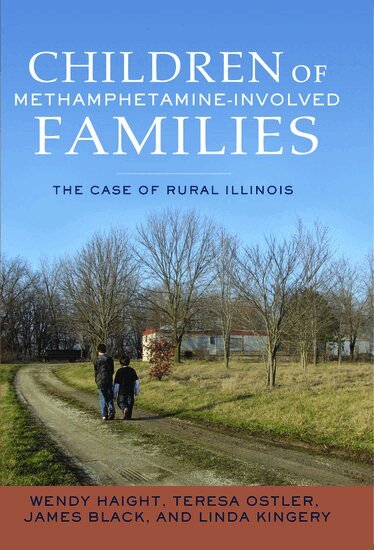
Children of Methamphetamine-Involved Families
Av Wendy Haight, Teresa Ostler m. fl.
Inbunden, 2008
767 kr
Lägg i varukorg
Methamphetamine destroys not only the lives of those who become addicted to it, but affects all corners of society, including the most innocent: children. This important book follows the case of rural Illinois, where in the mid-1990s methamphetamine production and misuse became a significant …
Moral Injury within the US Child Welfare System
A Call for Epistemic Justice
Av Wendy Haight, Linda Kingery
Inbunden, 2025
1522 kr
Lägg i varukorg
Child welfare systems around the world provide essential services to protect the lives of children who are abused and neglected. Yet these systems can also do great harm. These negative consequences of system involvement are primarily borne not by adults who are willfully neglecting or seriously …
Moral Injury within the US Child Welfare System
A Call for Epistemic Justice
Av Linda Kingery, Wendy Haight
E-bok, 2025
957 kr
Lägg i varukorg
Child welfare systems around the world provide essential services to protect the lives of children who are abused and neglected. Yet these systems can also do great harm. These negative consequences of system involvement are primarily borne not by adults who are willfully neglecting or seriously …
Moral Injury within the US Child Welfare System
A Call for Epistemic Justice
Av Linda Kingery, Wendy Haight
E-bok, 2025
978 kr
Lägg i varukorg
Child welfare systems around the world provide essential services to protect the lives of children who are abused and neglected. Yet these systems can also do great harm. These negative consequences of system involvement are primarily borne not by adults who are willfully neglecting or seriously …
Children of Methamphetamine-Involved Families
The Case of Rural Illinois
Av Linda Kingery, James Black m. fl.
E-bok, 2008
553 kr
Lägg i varukorg
Methamphetamine not only destroys the lives of those who become addicted to it, but affects all corners of society, including innocent children. This important book follows the case of rural Illinois, where in the mid-1990s methamphetamine production and misuse became a significant problem and, as …