Lindiwe Dovey - Böcker
Visar alla böcker från författaren Lindiwe Dovey. Handla med fri frakt och snabb leverans.
5 produkter
5 produkter
2 783 kr
Skickas inom 3-6 vardagar
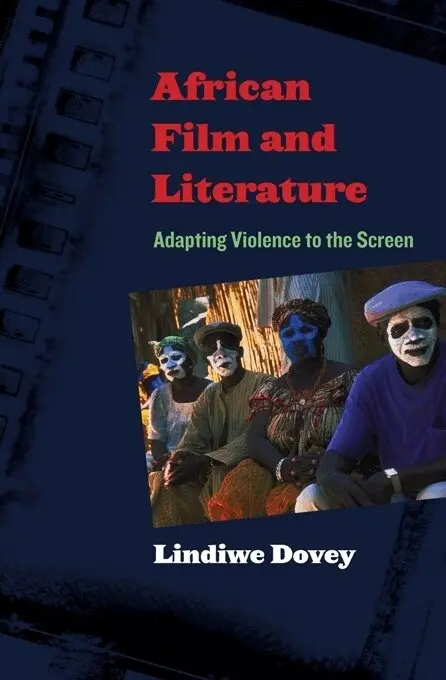
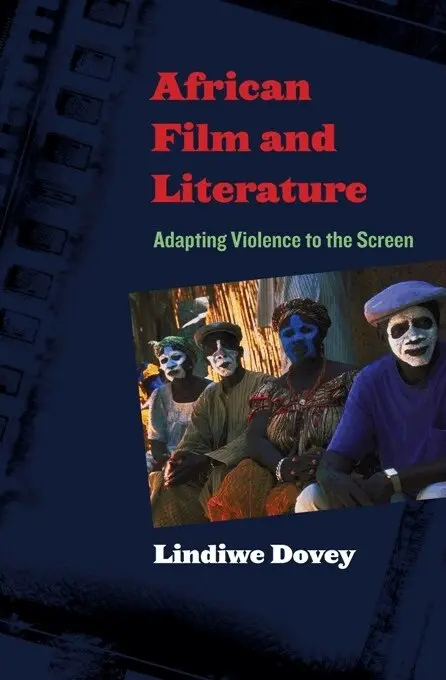
Analyzing a range of South African and West African films inspired by African and non-African literature, Lindiwe Dovey identifies a specific trend in contemporary African filmmaking-one in which filmmakers are using the embodied audiovisual medium of film to offer a critique of physical and psychological violence. Against a detailed history of the medium's savage introduction and exploitation by colonial powers in two very different African contexts, Dovey examines the complex ways in which African filmmakers are preserving, mediating, and critiquing their own cultures while seeking a united vision of the future. More than merely representing socio-cultural realities in Africa, these films engage with issues of colonialism and postcolonialism, "updating" both the history and the literature they adapt to address contemporary audiences in Africa and elsewhere. Through this deliberate and radical re-historicization of texts and realities, Dovey argues that African filmmakers have developed a method of filmmaking that is altogether distinct from European and American forms of adaptation.
765 kr
Skickas inom 3-6 vardagar
Analyzing a range of South African and West African films inspired by African and non-African literature, Lindiwe Dovey identifies a specific trend in contemporary African filmmaking-one in which filmmakers are using the embodied audiovisual medium of film to offer a critique of physical and psychological violence. Against a detailed history of the medium's savage introduction and exploitation by colonial powers in two very different African contexts, Dovey examines the complex ways in which African filmmakers are preserving, mediating, and critiquing their own cultures while seeking a united vision of the future. More than merely representing socio-cultural realities in Africa, these films engage with issues of colonialism and postcolonialism, "updating" both the history and the literature they adapt to address contemporary audiences in Africa and elsewhere. Through this deliberate and radical re-historicization of texts and realities, Dovey argues that African filmmakers have developed a method of filmmaking that is altogether distinct from European and American forms of adaptation.
1 313 kr
Skickas inom 7-10 vardagar
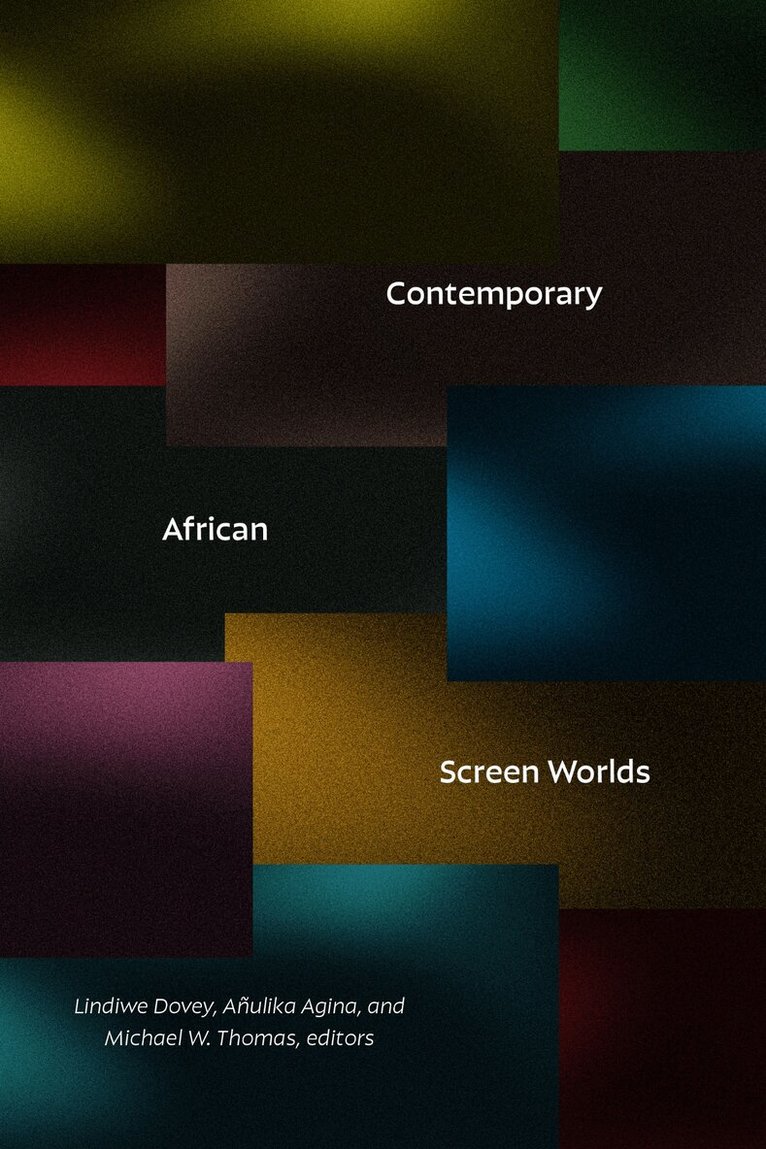
Contemporary African Screen Worlds brings together a new generation of African screen media scholars who explore and theorize the dynamic, interactive screen worlds that have arisen in contemporary Africa due to dramatic global changes in technology. Drawing on long-term fieldwork, extensive interviews, and specific case studies, the contributors bring to life the complex materialities and entanglements of film spectatorship, fandom, production, and circulation in Africa. They particularly attend to the interfaces among film audiences, actors, makers, platforms, and screens both small and large. Engaging with more than a dozen national contexts across the continent, the book reveals the diversity of African screen media practices and the creativity and agency of the people who passionately generate them, from film craftworkers in Nigeria and film students in Ghana to film fans in Rwanda and Burkina Faso. By focusing on the work of powerful platforms (such as Netflix and MTVShuga) and ordinary people (such as domestic workers watching Nollywood films in rural Kenya), this volume grapples with the effects and affects of digitization, mobile screens, media convergence, and the televisual turn in Africa.Contributors. Moradewun Adejunmobi, AÑulika Agina, Alexander Bud, Lindiwe Dovey, Femi Eromosele, Pier Paolo Frassinelli, Alexandra Grieve, Jonathan Haynes, Joe Jackson, Alessandro Jedlowski, Dennis-Brook Prince Lotsu, Alison MacAulay, Elastus Mambwe, Asteway M. Woldemichael, Nedine Moonsamy, Elizabeth Olayiwola, Temitayo Olofinlua, Rashida Resario, Estrella Sendra, Robin Steedman, Michael W. Thomas, Stefanie Van de Peer, Solomon Waliaula
318 kr
Skickas
Contemporary African Screen Worlds brings together a new generation of African screen media scholars who explore and theorize the dynamic, interactive screen worlds that have arisen in contemporary Africa due to dramatic global changes in technology. Drawing on long-term fieldwork, extensive interviews, and specific case studies, the contributors bring to life the complex materialities and entanglements of film spectatorship, fandom, production, and circulation in Africa. They particularly attend to the interfaces among film audiences, actors, makers, platforms, and screens both small and large. Engaging with more than a dozen national contexts across the continent, the book reveals the diversity of African screen media practices and the creativity and agency of the people who passionately generate them, from film craftworkers in Nigeria and film students in Ghana to film fans in Rwanda and Burkina Faso. By focusing on the work of powerful platforms (such as Netflix and MTVShuga) and ordinary people (such as domestic workers watching Nollywood films in rural Kenya), this volume grapples with the effects and affects of digitization, mobile screens, media convergence, and the televisual turn in Africa.Contributors. Moradewun Adejunmobi, AÑulika Agina, Alexander Bud, Lindiwe Dovey, Femi Eromosele, Pier Paolo Frassinelli, Alexandra Grieve, Jonathan Haynes, Joe Jackson, Alessandro Jedlowski, Dennis-Brook Prince Lotsu, Alison MacAulay, Elastus Mambwe, Asteway M. Woldemichael, Nedine Moonsamy, Elizabeth Olayiwola, Temitayo Olofinlua, Rashida Resario, Estrella Sendra, Robin Steedman, Michael W. Thomas, Stefanie Van de Peer, Solomon Waliaula
1 294 kr
Skickas inom 7-10 vardagar
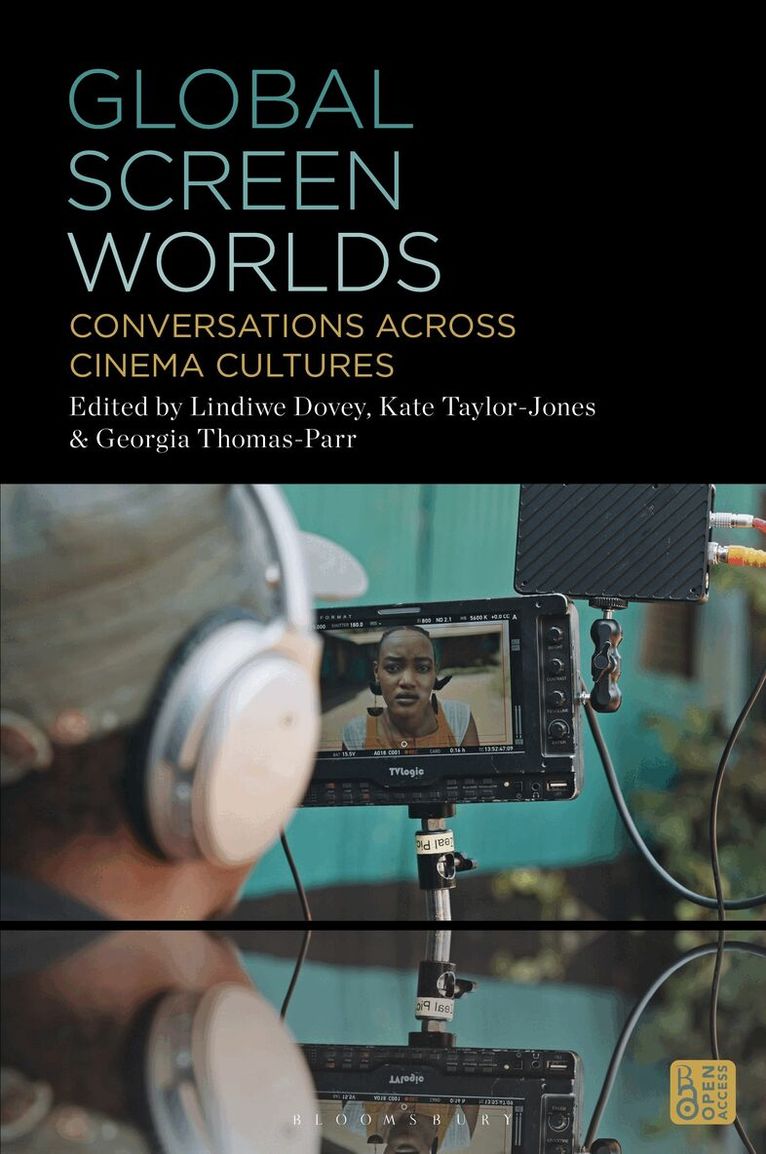
Global Screen Worlds brings together scholars from around the world to collaborate on comparative studies of specific African and Asian cinemas and audiovisual narrative media. This open access collection advances the concept of “screen worlds” rather than “world cinema” to acknowledge and reckon with the impact of new technologies on cinema and everyday life, and the contributors adopt a decolonial feminist approach that insists on localized, intersectional analyses that take race, gender, and class into account in their critique of historical and contemporary abuses of power. Many chapters are set against major world-historical events—such as the Cold War and the Bandung era—and grapple with the relationships among films, filmmaking practices, and social, historical, and cultural experiences. In the chapters, contributors variously explore, for example, filmmaking relationships between countries as diverse as the UAE and India, China and South Africa; K-pop fandom among audiences in Madagascar and North-east India, and Bollywood fandom in southern Nigeria; the use of parallel filmmaking genres and themes in Lagos and Mumbai, Tokyo and Lahore; and comparative analysis of the films of well-known African and Asian filmmakers such as Yasujiro Ozu and Alain Gomis, Satyajit Ray and Souleymane Cissé, and Wong Kar-wai and Mahamat Saleh Haroun.The ebook editions of this book are available open access under a CC BY-NC-ND 4.0 licence on bloomsburycollections.com. Open access was funded by The European Research Council.