
Lisa DiGiovanni - Böcker
Visar alla böcker från författaren Lisa DiGiovanni. Handla med fri frakt och snabb leverans.
2 produkter
2 produkter
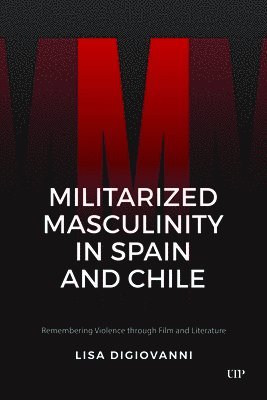
Militarized Masculinity in Spain and Chile
Remembering Violence Through Film and Literature
Inbunden, Engelska, 2025
808 kr
Skickas inom 7-10 vardagar
In the context of authoritarian rule, torture has repeatedly emerged as a tool of social control. When we ask why and how through a comparative lens, patterns become visible. The right-wing military regimes of Francisco Franco in Spain and Augusto Pinochet in Chile exemplify how militarized masculinity served to enforce political repression and instill fear.Militarized Masculinity in Spain and Chile proposes that, until we connect the dots between masculinity, militarism, and violence, we cannot fully comprehend the causes and consequences of dictatorial brutality. Lisa DiGiovanni provides an in-depth examination of how literature and film illuminate these often-overlooked relationships, bridging historical and cultural contexts.The book presents a comprehensive exploration of militarized masculinity as it pertains to these interconnected regimes, revealing the intersections between gender constructs and state violence. By analyzing representations in various cultural texts, Militarized Masculinity in Spain and Chile sheds light on the enduring mechanisms of power and control that continue to resonate today.
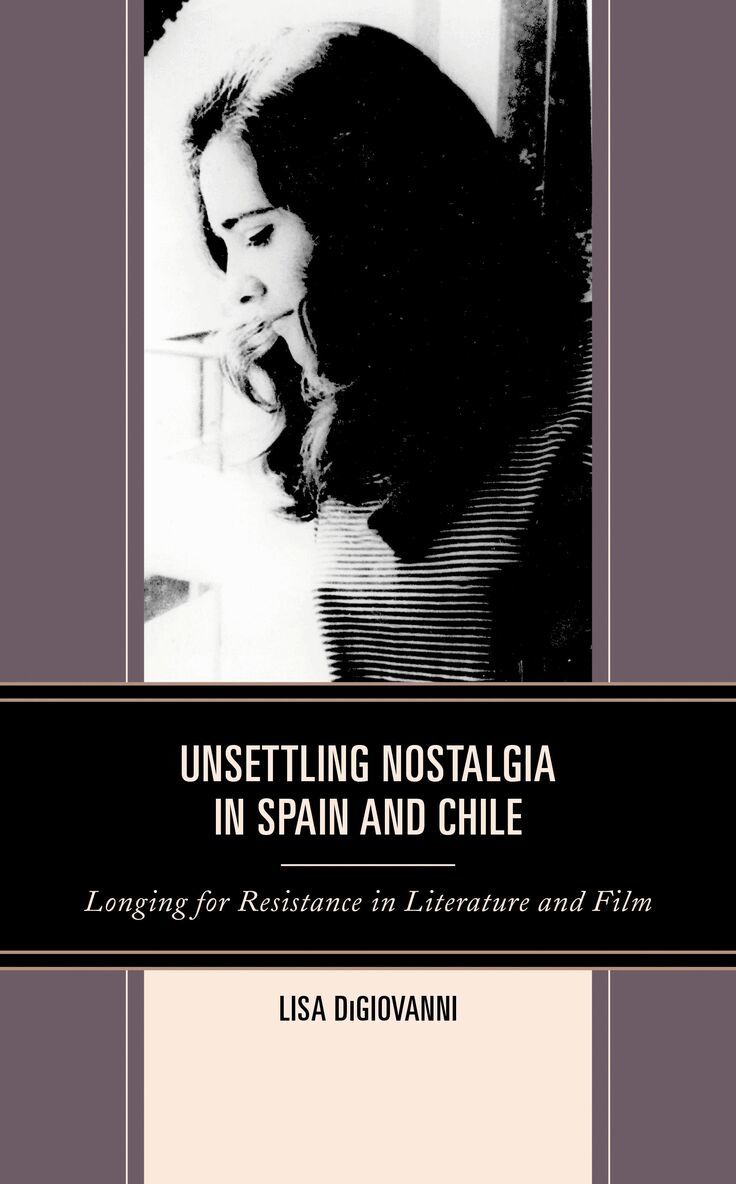
Unsettling Nostalgia in Spain and Chile
Longing for Resistance in Literature and Film
Inbunden, Engelska, 2019
1 245 kr
Skickas inom 10-15 vardagar
Unsettling Nostalgia in Spain and Chile: Longing for Resistance in Literature and Film reframes nostalgia to analyze how writers and filmmakers have responded to 20th-century dictatorial violence and loss in Spain and Chile. By reaching beyond reductive definitions that limit nostalgia to a conservative desire to defend traditional power hierarchies, Lisa DiGiovanni captures the complexity of a critically conscious type of longing and form of transmission that she terms “unsettling nostalgia.” Using literature and film, DiGiovanni illustrates how unsettling nostalgia imbues representations of pre-dictatorial mobilization during the Second Spanish Republic (1931–1939) and the Chilean Popular Unity (1970–1973), as well as depictions of clandestine resistance to the Franco dictatorship (1939–1975) and the Pinochet regime (1973–1989). Positive memories of efforts to upend power hierarchies coexist with retrospective critiques that fissure romanticized views of revolutionary struggle. Unsettling nostalgic works engender deeper understandings of the complexities of political movements and how stories of resistance are meaningful today. By calling attention to the parallels between nostalgic modes that resist multiple injustices based on gender, class, and sexuality, this book traces an evocative continuity between Spain and Chile that goes beyond the initial work that links forms of militaristic authoritarianism. Scholars of Latin American studies, film studies, literary studies, history, women's and gender studies, memory studies, and rhetoric will find this book particularly useful.