Lisa Kaaren Bailey – författare
Visar alla böcker från författaren Lisa Kaaren Bailey. Handla med fri frakt och snabb leverans.
3 produkter
3 produkter
488 kr
Skickas inom 10-15 vardagar
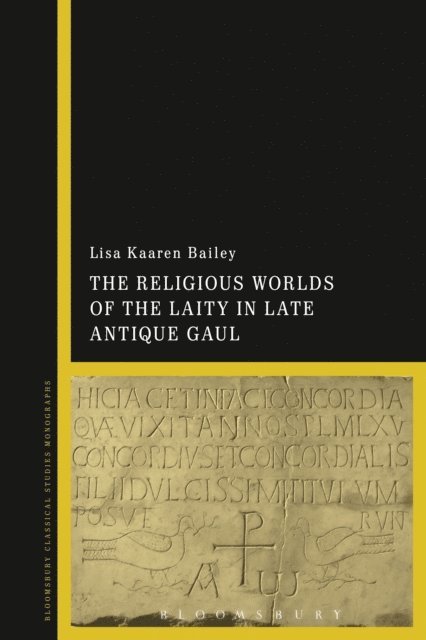
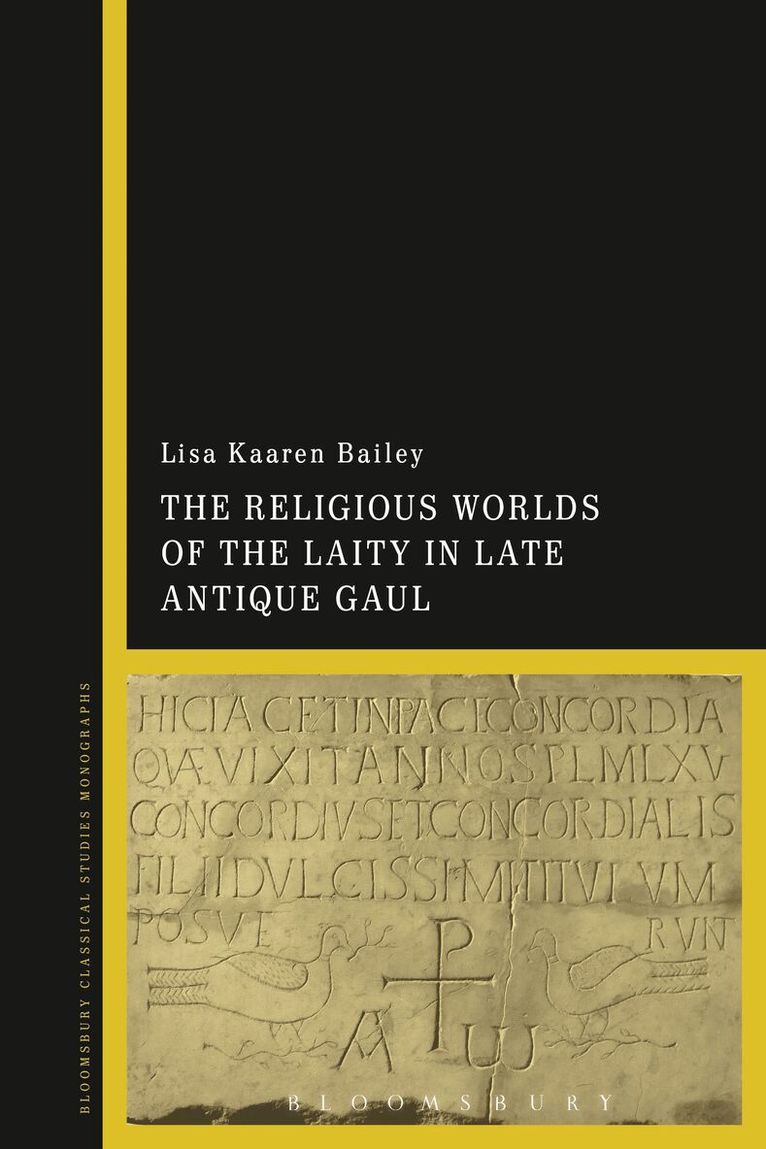
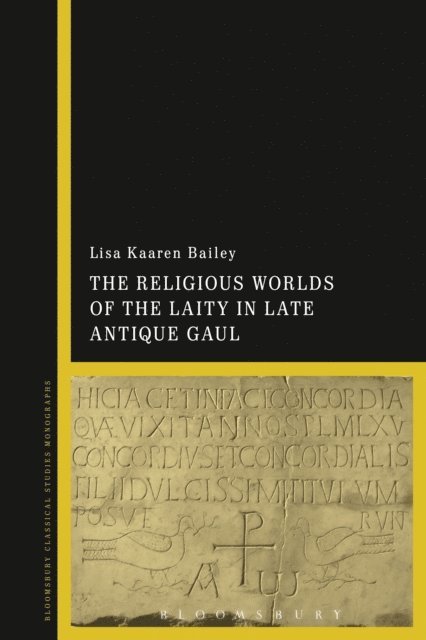
Christianity in the late antique world was not imposed but embraced, and the laity were not passive members of their religion but had a central role in its creation. This volume explores the role of the laity in Gaul, bringing together the fields of history, archaeology and theology. First, this book follows the ways in which clergy and monks tried to shape and manufacture lay religious experience. They had themselves constructed the category of 'the laity', which served as a negative counterpart to their self-definition. Lay religious experience was thus shaped in part by this need to create difference between categories. The book then focuses on how the laity experienced their religion, how they interpreted it and how their decisions shaped the nature of the Church and of their faith. This part of the study pays careful attention to the diversity of the laity in this period, their religious environments, ritual engagement, behaviours, knowledge and beliefs.The first volume to examine laity in this period in Gaul – a key region for thinking about the transition from Roman rule to post-Roman society – The Religious Worlds of the Laity in Late Antique Gaul fills an important gap in current literature.
1 833 kr
Skickas inom 10-15 vardagar
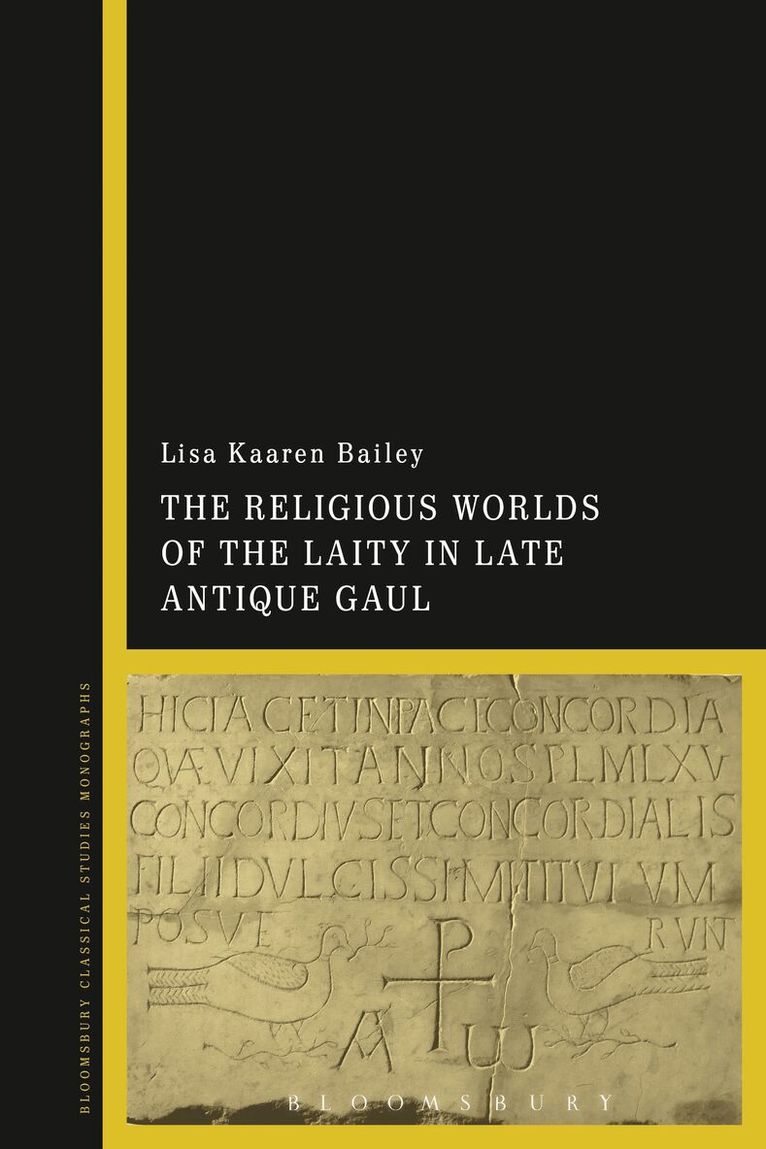
Christianity in the late antique world was not imposed but embraced, and the laity were not passive members of their religion but had a central role in its creation. This volume explores the role of the laity in Gaul, bringing together the fields of history, archaeology and theology. First, this book follows the ways in which clergy and monks tried to shape and manufacture lay religious experience. They had themselves constructed the category of 'the laity', which served as a negative counterpart to their self-definition. Lay religious experience was thus shaped in part by this need to create difference between categories. The book then focuses on how the laity experienced their religion, how they interpreted it and how their decisions shaped the nature of the Church and of their faith. This part of the study pays careful attention to the diversity of the laity in this period, their religious environments, ritual engagement, behaviours, knowledge and beliefs.The first volume to examine laity in this period in Gaul – a key region for thinking about the transition from Roman rule to post-Roman society – The Religious Worlds of the Laity in Late Antique Gaul fills an important gap in current literature.
Servants of God, Slaves of the Church
Service As Religious Metaphor and Social Reality in Early Medieval Europe
Inbunden, Engelska, 2026
542 kr
Skickas inom 10-15 vardagar
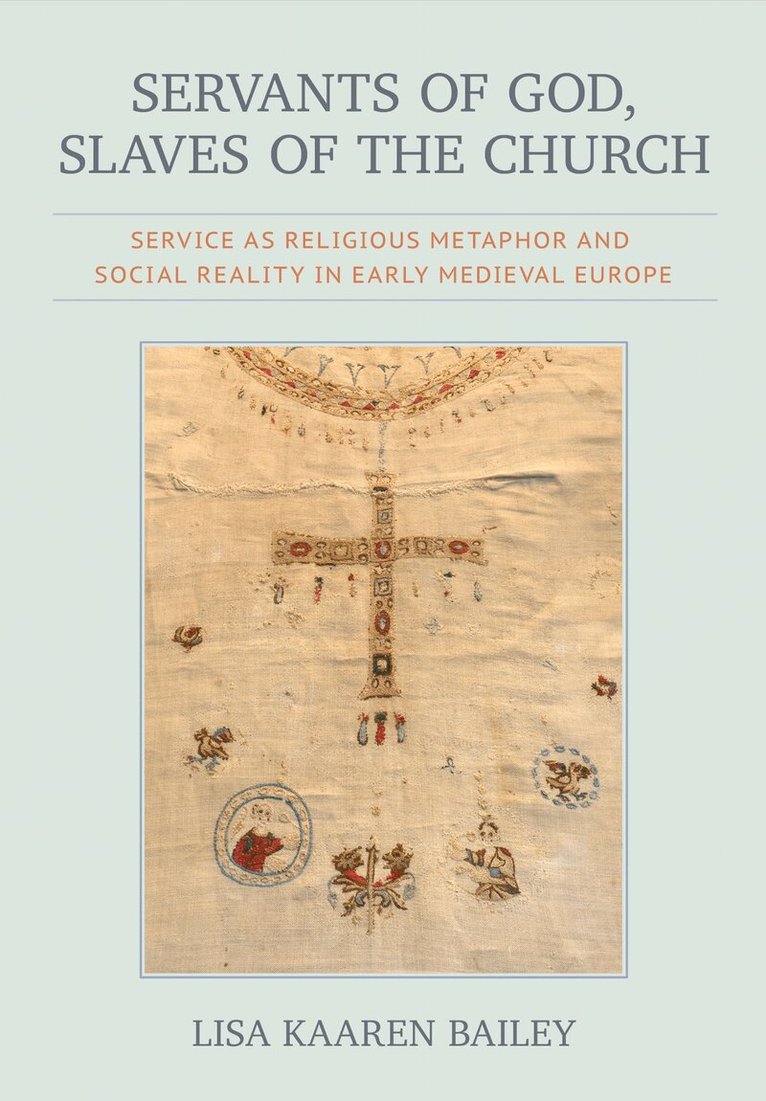
In Servants of God, Slaves of the Church, Lisa Kaaren Bailey uncovers the surprising intimacy between sacred devotion and coerced labor in early medieval Europe. From queens who scrubbed monastery floors to enslaved women forced into lifelong service, acts of humility and acts of subjugation often looked the same and were interpreted through the same religious lens. Drawing from sermons, letters, miracle stories, and hagiographies, Bailey shows how metaphors of service shaped not only elite piety but also the lived experience of those at the very bottom of the social order.This is a story of lives that were often absent from the historical record: those who lit church lamps, laundered liturgical linens, and sustained Christian worship through their unseen labor. Bailey weaves together theology, cultural history, and feminist historiography to trace how Christian ideas about virtue, sin, and the will both justified unfreedom and offered tools to contest it. Her use of "critical fabulation" animates the archive without fictionalizing it, allowing glimpses of agency in places where it was rarely recorded.By placing the metaphor of service alongside its social reality, Servants of God, Slaves of the Church reshapes how we think about labor, power, and religious meaning in the centuries after Rome. A deeply informed work of both historical scholarship and moral insight, this book gives voice to the voiceless and demands a reconsideration of what it meant to serve God.