Lisa L. Gezon - Böcker
Visar alla böcker från författaren Lisa L. Gezon. Handla med fri frakt och snabb leverans.
4 produkter
4 produkter
2 088 kr
Skickas inom 10-15 vardagar
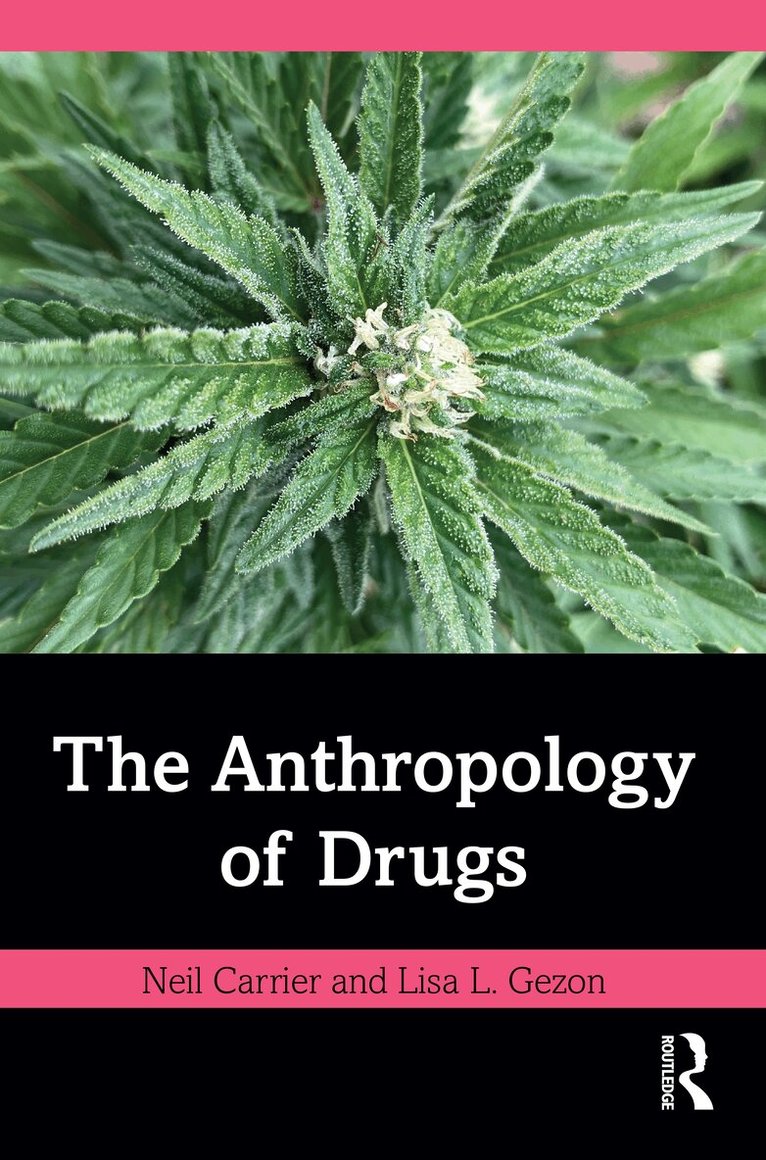
From khat to kava to ketamine, drugs are constitutive parts of cultures, identities, economies and livelihoods. This much-needed book is a clear introduction to the anthropology of drugs, providing a cutting-edge and accessible overview of the topic. The authors examine and assess the following key topics:How drugs feature in anthropology and the work of anthropologists and the general role of drugs in societyComparison between biochemical and pharmacological approaches to drugs and bio-socio-cultural models of understanding drugsEvolutionary origins of psychotropic drug sensitivity and archaeological evidence for the spread of psychoactive substances in pre-historyDrugs in spiritual and religions contexts, considering their role in altered states of consciousness, divination and healingStimulant drugs and the ambivalence with which they are treated in societyAddiction and dependencyDrug economies, livelihoods and the production and distribution segments of drug commodity chainsDrug policies and drug warsDrugs, race and genderThe future of the study of drugs and anthropological professional engagements with solving drug problemsWith the inclusion of chapter summaries and many examples, further reading and case studies – including drug tourism, drug industries in the Philippines and Mexico, Afghanistan and the ‘Golden Triangle’ and the opioid crisis in North America – The Anthropology of Drugs is an ideal introduction for those coming to the topic for the first time, and also for those working in the professional and health sectors. It will be of interest to students of anthropology and to those in related disciplines including sociology, psychology, health studies and religion.
563 kr
Skickas inom 10-15 vardagar
From khat to kava to ketamine, drugs are constitutive parts of cultures, identities, economies and livelihoods. This much-needed book is a clear introduction to the anthropology of drugs, providing a cutting-edge and accessible overview of the topic. The authors examine and assess the following key topics:How drugs feature in anthropology and the work of anthropologists and the general role of drugs in societyComparison between biochemical and pharmacological approaches to drugs and bio-socio-cultural models of understanding drugsEvolutionary origins of psychotropic drug sensitivity and archaeological evidence for the spread of psychoactive substances in pre-historyDrugs in spiritual and religions contexts, considering their role in altered states of consciousness, divination and healingStimulant drugs and the ambivalence with which they are treated in societyAddiction and dependencyDrug economies, livelihoods and the production and distribution segments of drug commodity chainsDrug policies and drug warsDrugs, race and genderThe future of the study of drugs and anthropological professional engagements with solving drug problemsWith the inclusion of chapter summaries and many examples, further reading and case studies – including drug tourism, drug industries in the Philippines and Mexico, Afghanistan and the ‘Golden Triangle’ and the opioid crisis in North America – The Anthropology of Drugs is an ideal introduction for those coming to the topic for the first time, and also for those working in the professional and health sectors. It will be of interest to students of anthropology and to those in related disciplines including sociology, psychology, health studies and religion.
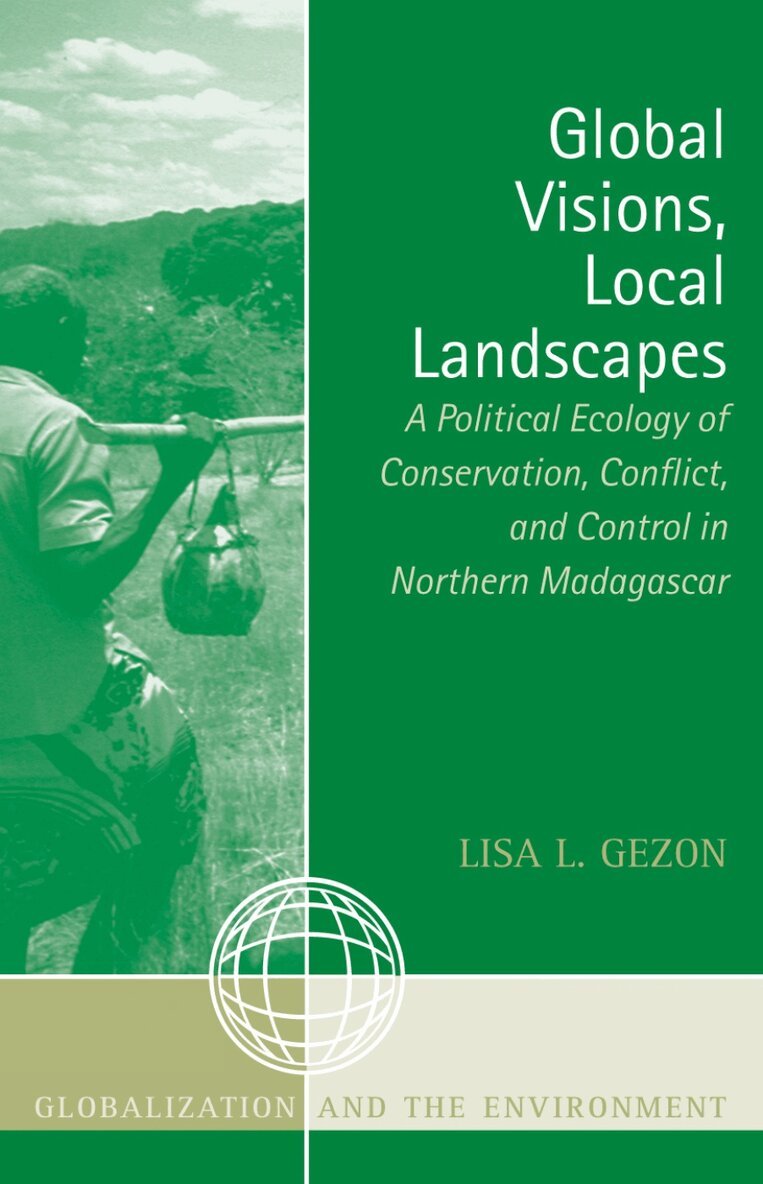
Global Visions, Local Landscapes
A Political Ecology of Conservation, Conflict, and Control in Northern Madagascar
Häftad, Engelska, 2006
501 kr
Skickas inom 10-15 vardagar
In her new book, Gezon argues that local events continuously redefine and challenge global processes of land use and land degradation. She challenges analytical distinctions between separate 'local' and 'global' spaces, rather proposing that the global is one aspect of the local, to the extent that people in any given locale must act within the parameters of policies, authorities, and material conditions that have sources outside of the reach of immediate local networks. Her ethnographic study of Antankarana-identifying rice farmers and cattle herders in northern Madagascar weaves together an analysis of remotely sensed images of land cover over time with ethnographies of situated negotiations between human actors. She focuses in particular on the interplay of political authorities-including family-based elders, a regional indigenous authority, and an NGO charged with enforcement of conservation policies-in the context of specific contests over resource access. Gezon takes a micro-political approach in evaluating conflicts that result in a change in control over local resources by global or supra-national policies, capital, or personnel. Her book will be particularly valuable to researchers and students in anthropology, geography, sociology, and environmental studies, and those involved in conservation and resource management.
410 kr
Skickas inom 5-8 vardagar
Environmental issues have become increasingly prominent in local struggles, national debates, and international policies. In response, scholars are paying more attention to conventional politics and to more broadly defined relations of power and difference in the interactions between human groups and their biophysical environments. Such issues are at the heart of the relatively new interdisciplinary field of political ecology, forged at the intersection of political economy and cultural ecology.This volume provides a toolkit of vital concepts and a set of research models and analytic frameworks for researchers at all levels. The two opening chapters trace rich traditions of thought and practice that inform current approaches to political ecology. They point to the entangled relationship between humans, politics, economies, and environments at the dawn of the twenty-first century and address challenges that scholars face in navigating the blurring boundaries among relevant fields of enquiry. The twelve case studies that follow demonstrate ways that culture and politics serve to mediate human-environmental relationships in specific ecological and geographical contexts. Taken together, they describe uses of and conflicts over resources including land, water, soil, trees, biodiversity, money, knowledge, and information; they exemplify wide-ranging ecological settings including deserts, coasts, rainforests, high mountains, and modern cities; and they explore sites located around the world, from Canada to Tonga and cyberspace.