Lisa M. Oakes – författare
Visar alla böcker från författaren Lisa M. Oakes. Handla med fri frakt och snabb leverans.
6 produkter
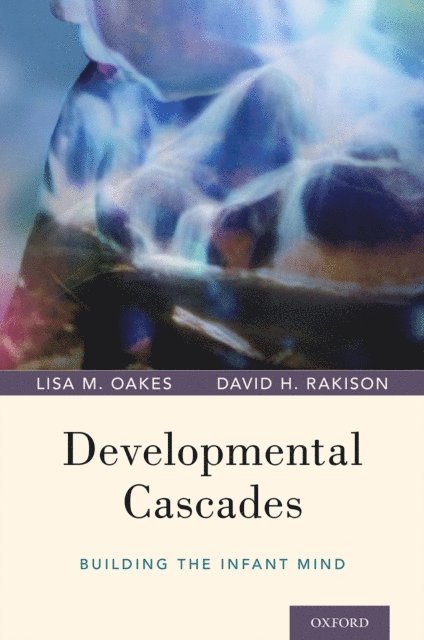
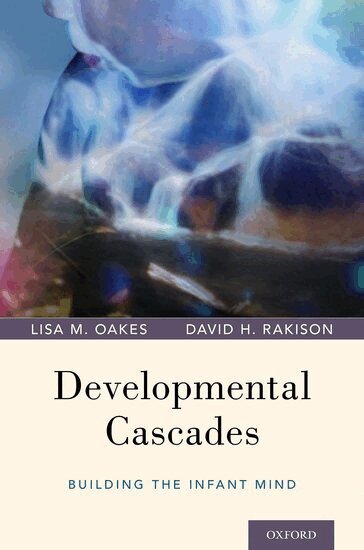
Developmental Cascades
Building the Infant Mind
Av David H. Rakison, Lisa M. Oakes
E-bok, 2019
604 kr
Lägg i varukorg
Children take their first steps, speak their first words, and learn to solve many new problems seemingly overnight. Yet, each change reflects previous developments in the child across a range of domains, and each change provides opportunities for future development. Developmental Cascades proposes …
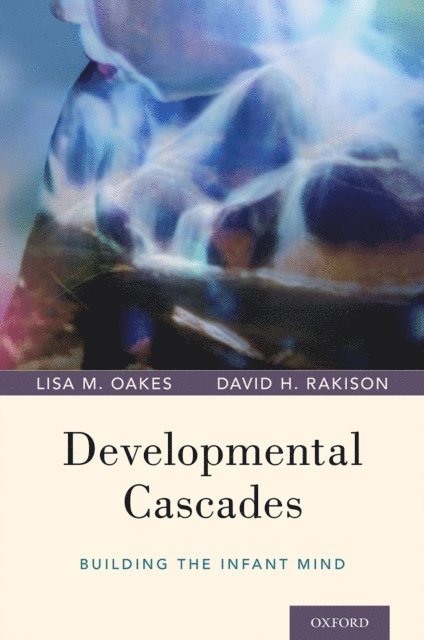
Developmental Cascades
Building the Infant Mind
Av David H. Rakison, Lisa M. Oakes
E-bok, 2019
604 kr
Lägg i varukorg
Children take their first steps, speak their first words, and learn to solve many new problems seemingly overnight. Yet, each change reflects previous developments in the child across a range of domains, and each change provides opportunities for future development. Developmental Cascades proposes …
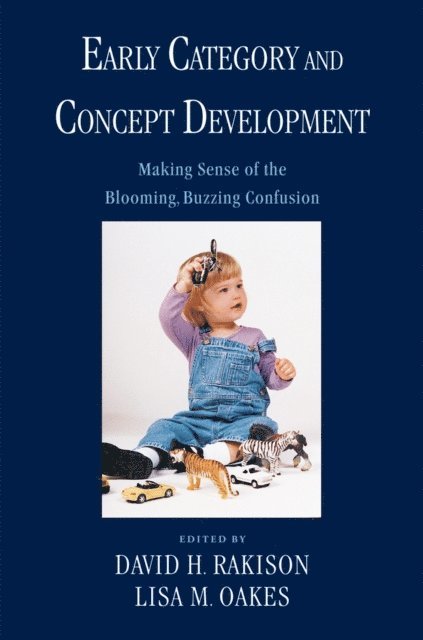
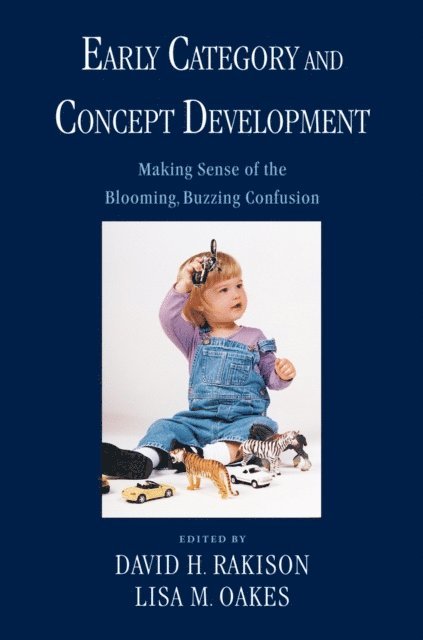
Early Category and Concept Development
Making Sense of the Blooming, Buzzing Confusion
Av Lisa M. Oakes, David H. Rakison
E-bok, 2008
446 kr
Lägg i varukorg
Whether or not infants'' earliest perception of the world is a "blooming, buzzing, confusion," it is not long before they come to perceive structure and order among the objects and events around them. At the core of this process, and cognitive development in general, is the ability to …
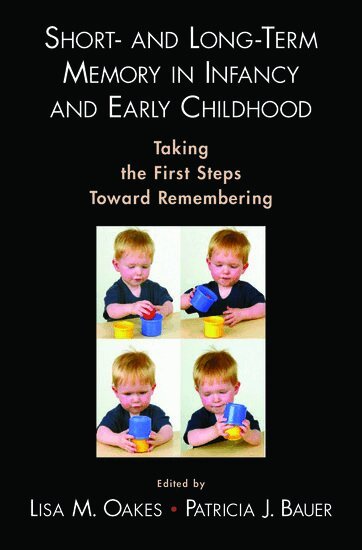
Short- and Long-Term Memory in Infancy and Early Childhood
Av Lisa M. Oakes, Patricia J. Bauer
Inbunden, 2007
935 kr
Lägg i varukorg
The ability to remember people, objects, and events one encounters is critically important for effective functioning in the world. Remembering your mother's face, where you left your keys, and that it is your daughter's birthday tomorrow allow you to successfully manage your day, as well as your …
Developmental Cascades
Building the Infant Mind
Av Lisa M. Oakes, David H. Rakison
Inbunden, 2019
1110 kr
Lägg i varukorg
Children take their first steps, speak their first words, and learn to solve many new problems seemingly overnight. Yet, each change reflects previous developments in the child across a range of domains, and each change provides opportunities for future development. Developmental Cascades proposes …
Early Category and Concept Development
Making Sense of the Blooming, Buzzing Confusion
Av Lisa M. Oakes, David H. Rakison
E-bok, 2008
446 kr
Lägg i varukorg
Whether or not infants'' earliest perception of the world is a "blooming, buzzing, confusion," it is not long before they come to perceive structure and order among the objects and events around them. At the core of this process, and cognitive development in general, is the ability to …