Lisa Pine - Böcker
Visar alla böcker från författaren Lisa Pine. Handla med fri frakt och snabb leverans.
22 produkter
22 produkter
237 kr
Skickas
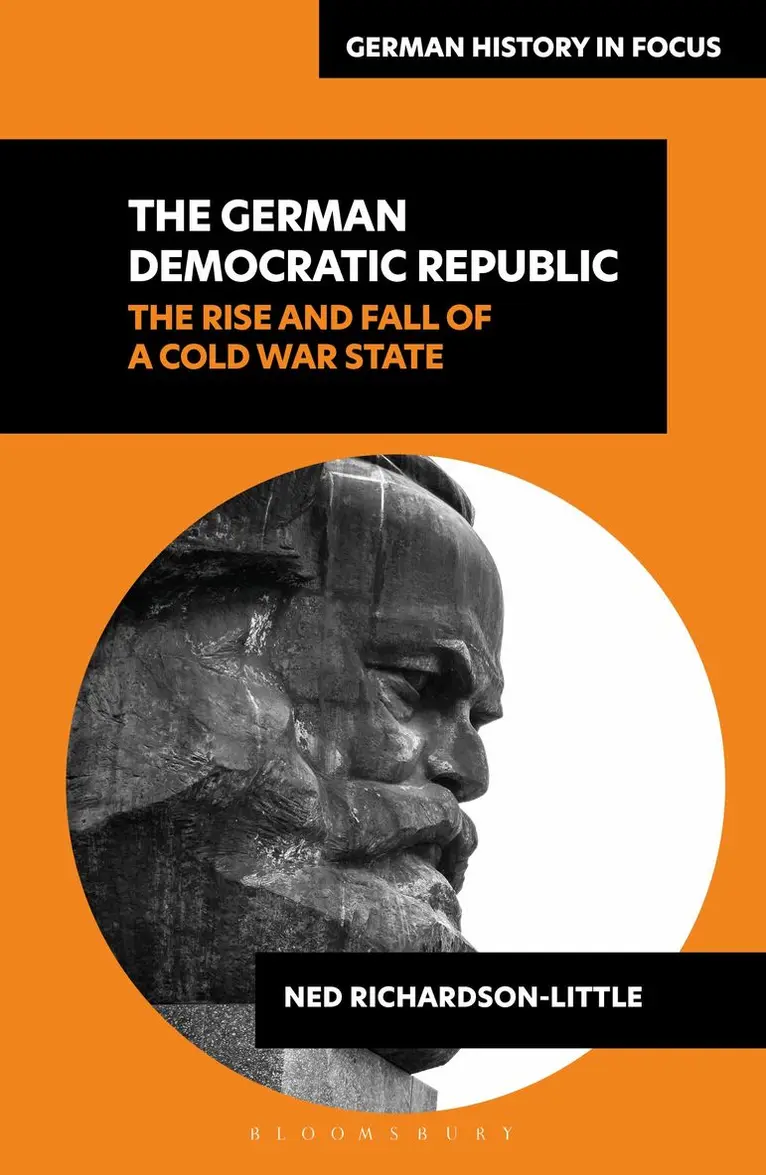
The German Democratic Republic has come to stand as a symbol of communist tyranny, a source of Cold War nostalgia and socialist kitsch, and a failed alternative to the worst excesses of 21st century capitalism. In this book, Ned Richardson-Little delves into the central contradictions of the GDR state: This book illustrates the fault lines of GDR society, the worldviews and experiences of not only those who ruled the GDR, but also those who rebelled against the strictures of state socialism, and those in between who sought a normal life under dictatorship. The German Democratic Republic is a succinct and comprehensive history of East Germany that traces its story from the country’s origins as the Soviet Zone of Occupation after World War II through key events such as the 1953 Uprising, the building of the Berlin Wall, the Helsinki Accords, and the collapse of state socialism in 1989. Some of the themes explored include the memory of Nazism and national identity, everyday life under dictatorship, including consumerism, sexuality, and racism, the global politics of the GDR, the diversity of dissenting voices, and the competing visions for East Germany’s democratic future.
337 kr
Skickas inom 10-15 vardagar
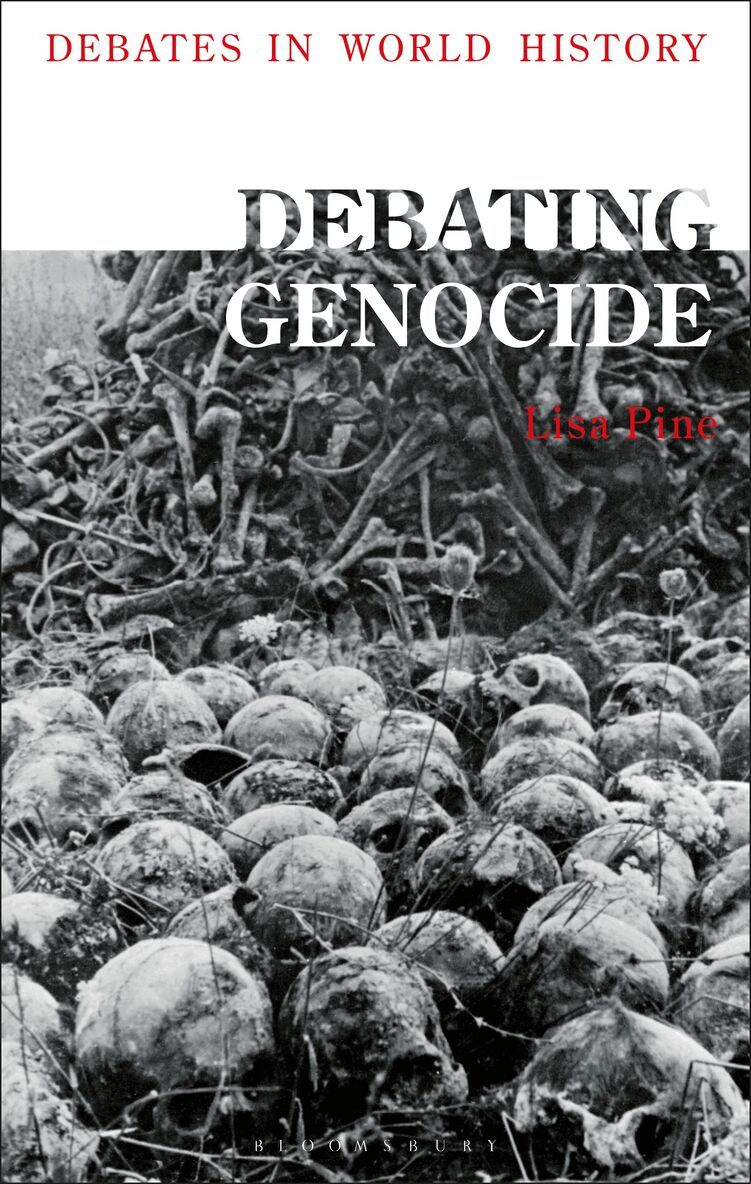
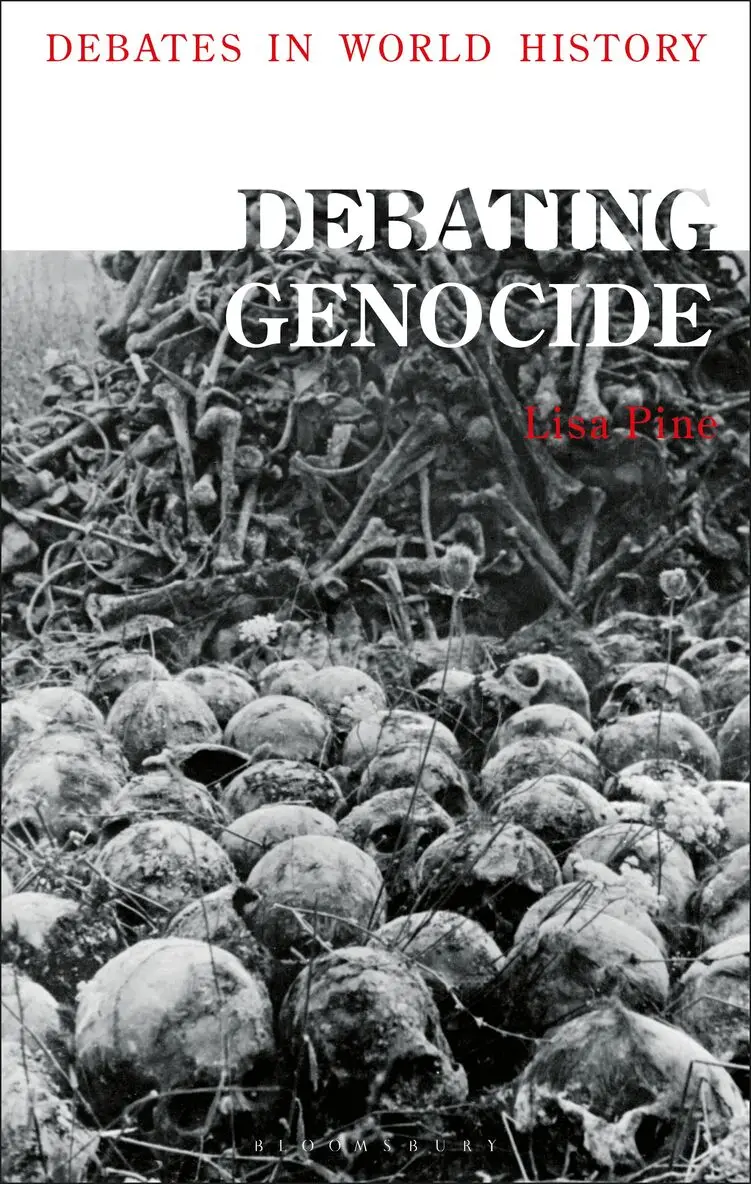
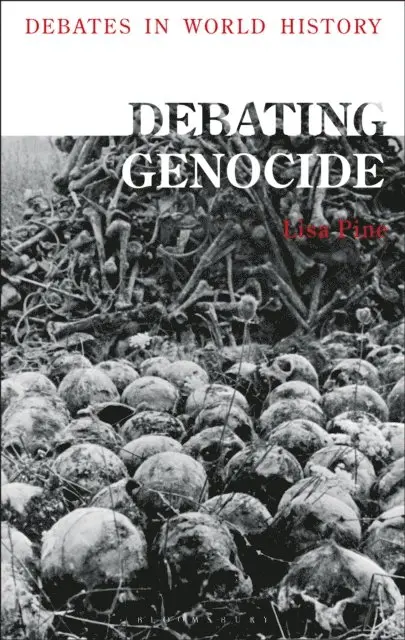
This book explores the subject of genocide through key debates and case studies. It analyses the dynamics of genocide – the processes and mechanisms of acts committed with the intention of destroying, in whole or in part, a national, ethnic, religious or racial group – in order to shed light upon its origins, characteristics and consequences.Debating Genocide begins with an introduction to the concept of genocide. It then examines the colonial genocides at the end of the 19th- and start of the 20th-centuries; the Armenian Genocide of 1915-16; the Nazi ‘Final Solution’; the Nazi genocide of the Gypsies; mass murder in Cambodia under the Khmer Rouge; the genocides in the 1990s in the former Yugoslavia and Rwanda; and the genocide in Sudan in the early 21st century. It also includes a thematic chapter which covers gender and genocide, as well as issues of memory and memorialisation. Finally, the book considers how genocides end, as well as the questions of resolution and denial, with Lisa Pine examining the debates around prediction and prevention and the R2P (Responsibility to Protect) initiative.This book is crucial for any students wanting to understand why genocides have occurred, why they still occur and what the key historical discussions around this subject entail.
901 kr
Skickas inom 10-15 vardagar
This book explores the subject of genocide through key debates and case studies. It analyses the dynamics of genocide – the processes and mechanisms of acts committed with the intention of destroying, in whole or in part, a national, ethnic, religious or racial group – in order to shed light upon its origins, characteristics and consequences.Debating Genocide begins with an introduction to the concept of genocide. It then examines the colonial genocides at the end of the 19th- and start of the 20th-centuries; the Armenian Genocide of 1915-16; the Nazi ‘Final Solution’; the Nazi genocide of the Gypsies; mass murder in Cambodia under the Khmer Rouge; the genocides in the 1990s in the former Yugoslavia and Rwanda; and the genocide in Sudan in the early 21st century. It also includes a thematic chapter which covers gender and genocide, as well as issues of memory and memorialisation. Finally, the book considers how genocides end, as well as the questions of resolution and denial, with Lisa Pine examining the debates around prediction and prevention and the R2P (Responsibility to Protect) initiative.This book is crucial for any students wanting to understand why genocides have occurred, why they still occur and what the key historical discussions around this subject entail.
1 520 kr
Skickas inom 10-15 vardagar
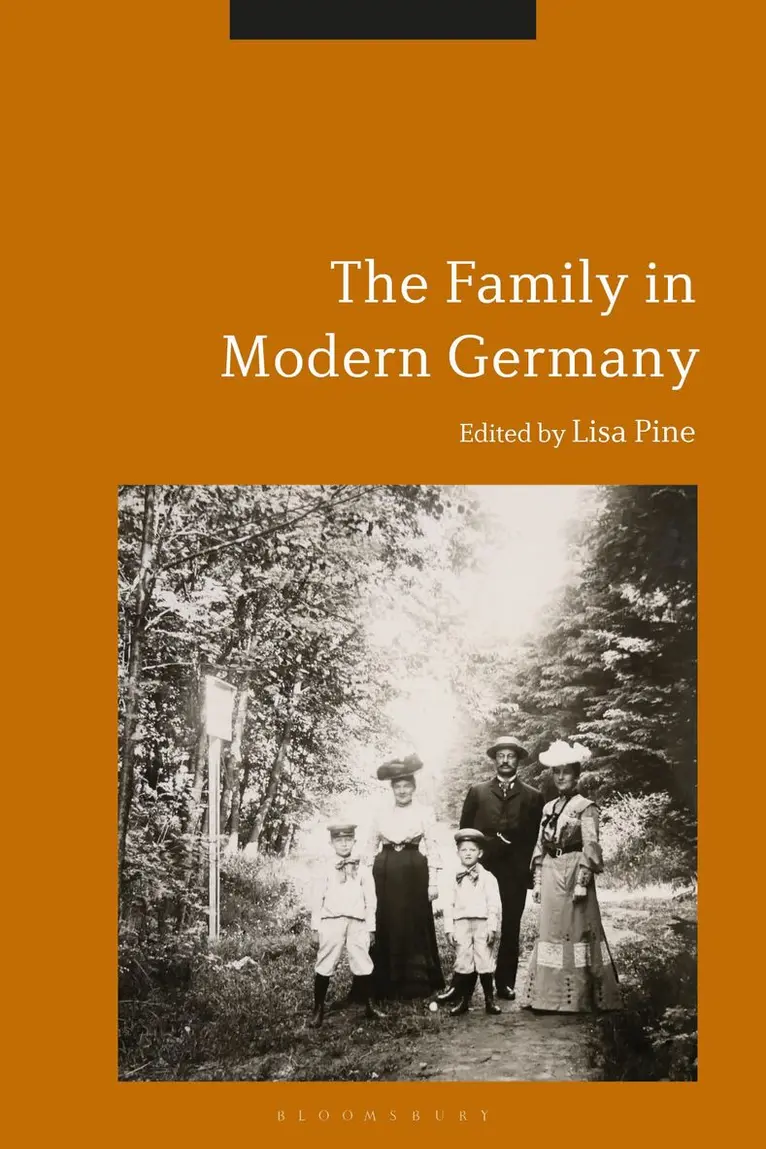
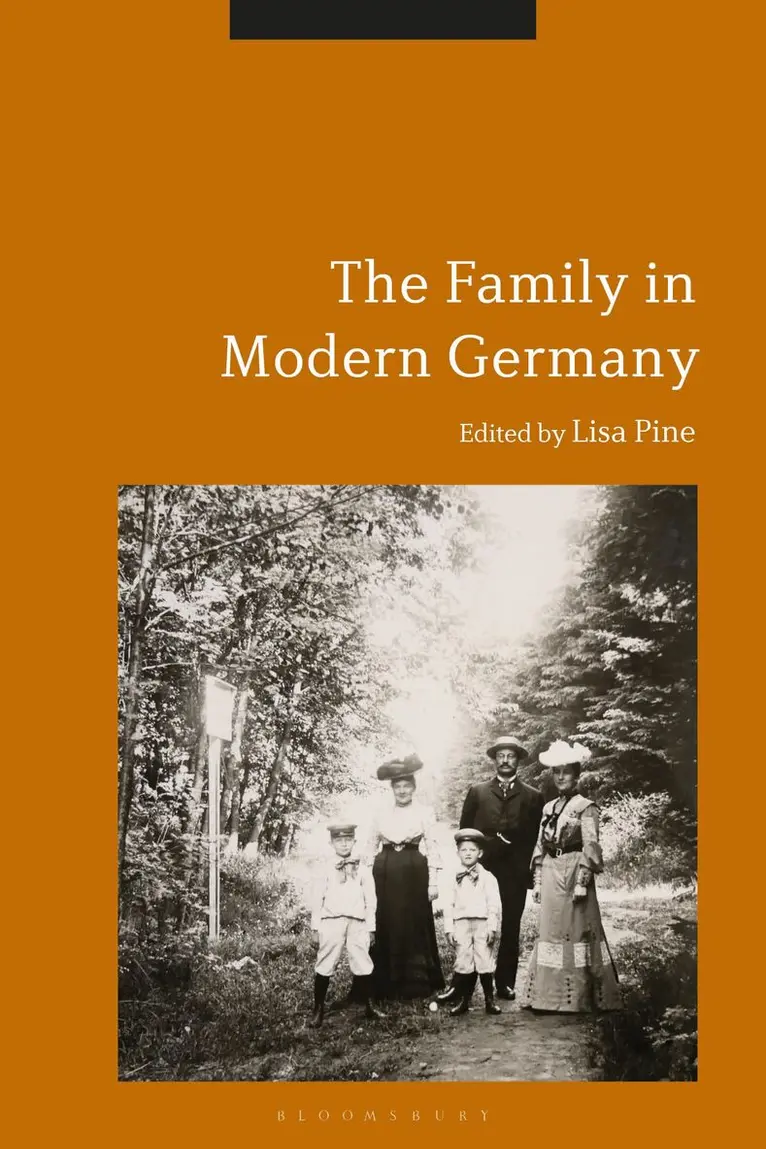
This cutting-edge edited collection examines the impact of political and social change upon the modern German family. By analysing different family structures, gender roles, social class aspects and children's socialization, The Family in Modern Germany provides a comprehensive and well-balanced overview of how different political systems have shaped modern conceptualizations of the family, from the bourgeois family ideal right up to recent trends like cohabitation and same-sex couples.Beginning with an overview of the 19th-century family, each chapter goes on to examine changes in family type, size and structure across the different decades of the 20th century, with a focus on the relationship between the family and the state, as well as the impact of family policies and laws on the German family. Lisa Pine and her expert team of contributors draw on a wealth of primary sources, including legal documents, diaries, letters and interviews, and the most up-to-date secondary literature to shed new light on the continuities and changes in the history of the family in modern and contemporary Germany.This book is a fantastic resource for scholars, postgraduates and advanced undergraduates studying modern German history, sociology and social policy.
213 kr
Skickas inom 10-15 vardagar
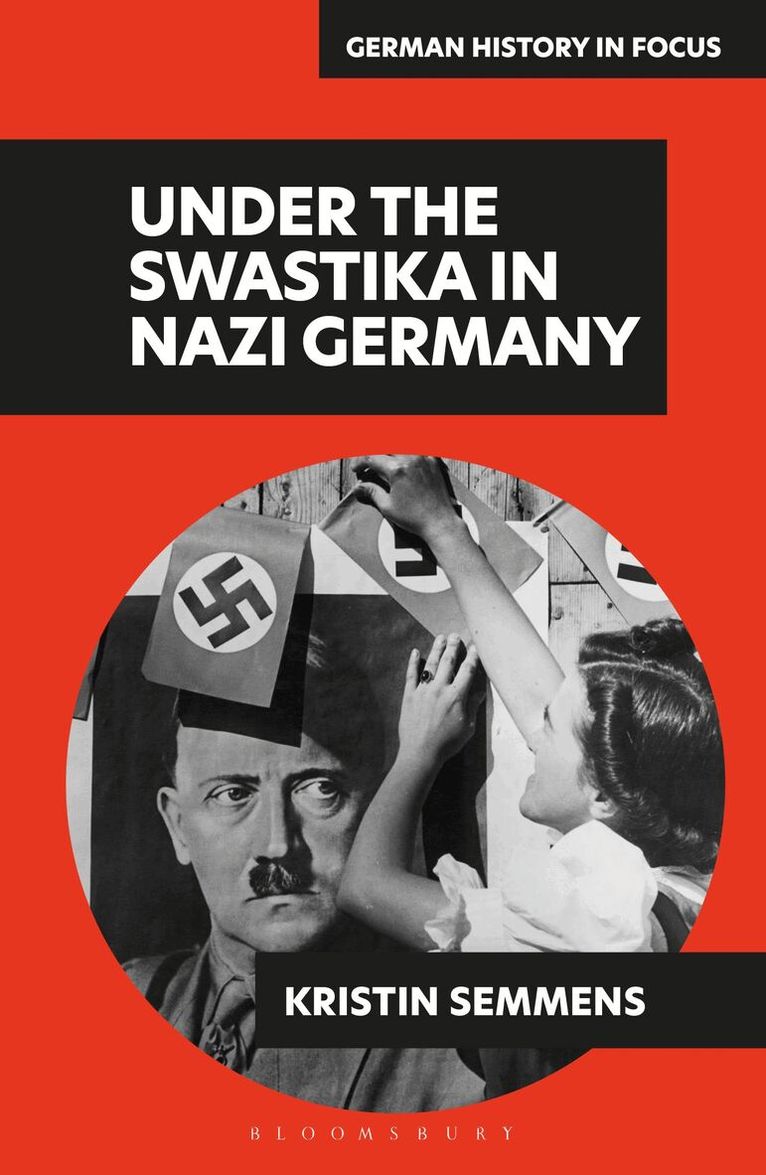
Under the Swastika in Nazi Germany begins in flames in 1933 with Adolf Hitler taking power and ends in the ashes of total defeat in 1945. Kristin Semmens tells that story from five different perspectives over five chronologically distinct phases in the Third Reich’s lifespan. The book offers a much-needed integrated history of insiders and outsiders – Nazis, accomplices, supporters, racial and social outsiders and resisters – that captures the complexity of Germans’ lives under Hitler. Incorporating recent research and the voices of those who often remain silent in histories of this period, Under the Swastika in Nazi Germany delivers an up to date, engaging and accessible introduction. Its narrative is further supported by well-chosen images, some familiar and others rarely seen. By revealing the potent combination of coercion and consent at work during the dictatorship, the book allows a deeper understanding of Nazi Germany and provides a vital platform for further inquiry into these twelve years of German history.
640 kr
Skickas inom 10-15 vardagar
Under the Swastika in Nazi Germany begins in flames in 1933 with Adolf Hitler taking power and ends in the ashes of total defeat in 1945. Kristin Semmens tells that story from five different perspectives over five chronologically distinct phases in the Third Reich’s lifespan. The book offers a much-needed integrated history of insiders and outsiders – Nazis, accomplices, supporters, racial and social outsiders and resisters – that captures the complexity of Germans’ lives under Hitler. Incorporating recent research and the voices of those who often remain silent in histories of this period, Under the Swastika in Nazi Germany delivers an up to date, engaging and accessible introduction. Its narrative is further supported by well-chosen images, some familiar and others rarely seen. By revealing the potent combination of coercion and consent at work during the dictatorship, the book allows a deeper understanding of Nazi Germany and provides a vital platform for further inquiry into these twelve years of German history.
202 kr
Skickas
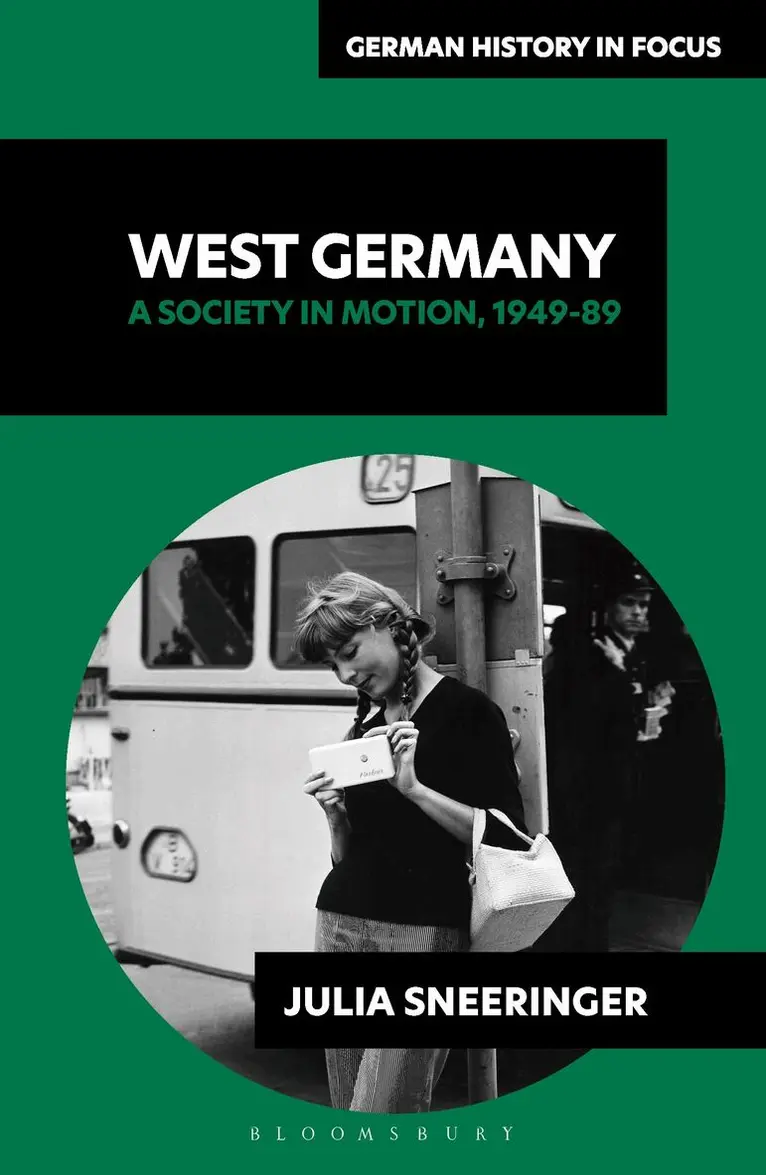
Julia Sneeringer’s book provides a concise overview of developments in the Federal Republic of Germany from the end of the Second World War and Germany’s division, to the unification of East and West Germany in 1990. Within the framework of key political and economic moments, it illuminates how West Germans experienced social, economic, and cultural change across four decades.Chronologically structured and supplemented with timelines, each chapter in the book presents the major themes, events and developments occurring during the period. A focused bibliography is also included to offer guidance on further reading. Among the notable topics covered are:· The redefining of German identity after Nazism· Democratization· The explosion of consumer culture· The protest movements of 1968· Changing gender and sexual roles· Immigration and multiculturalism· Pop culture· Environmentalism· Terrorism· The return of the right in politicsWest Germany in Focus is a peerless introduction to West Germany for anyone looking to understand the complexities of German history since 1945.
351 kr
Skickas inom 10-15 vardagar
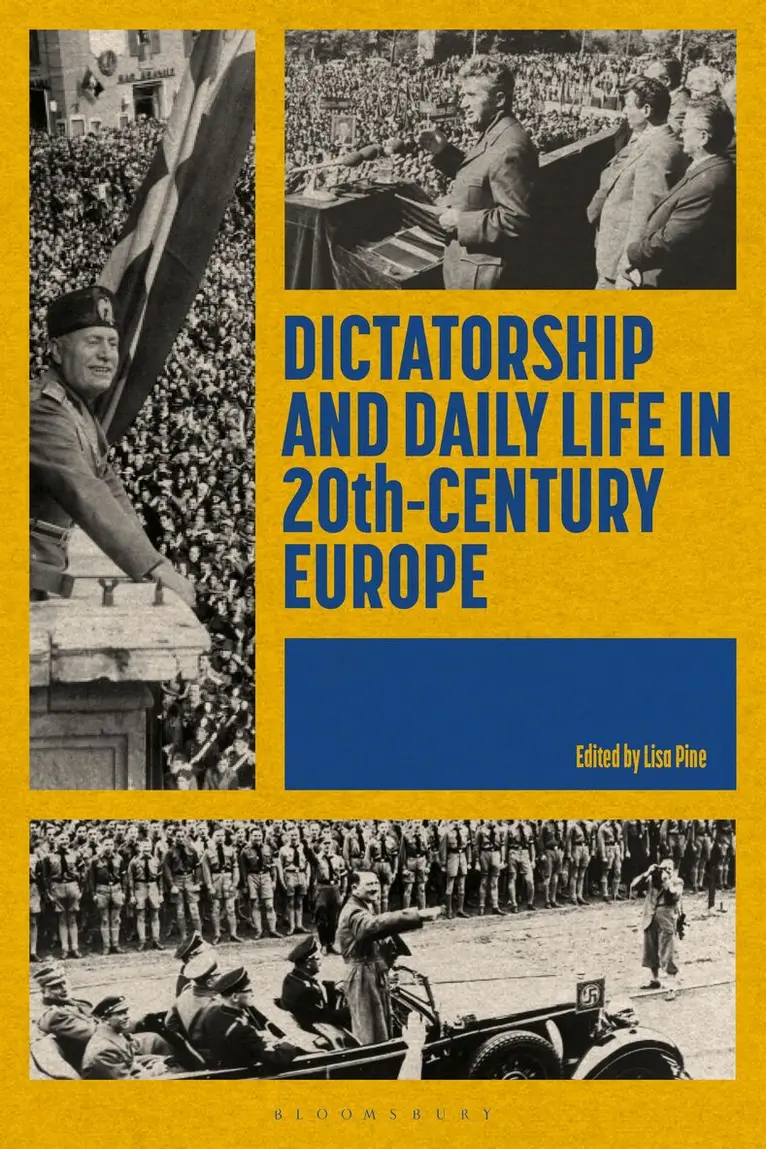
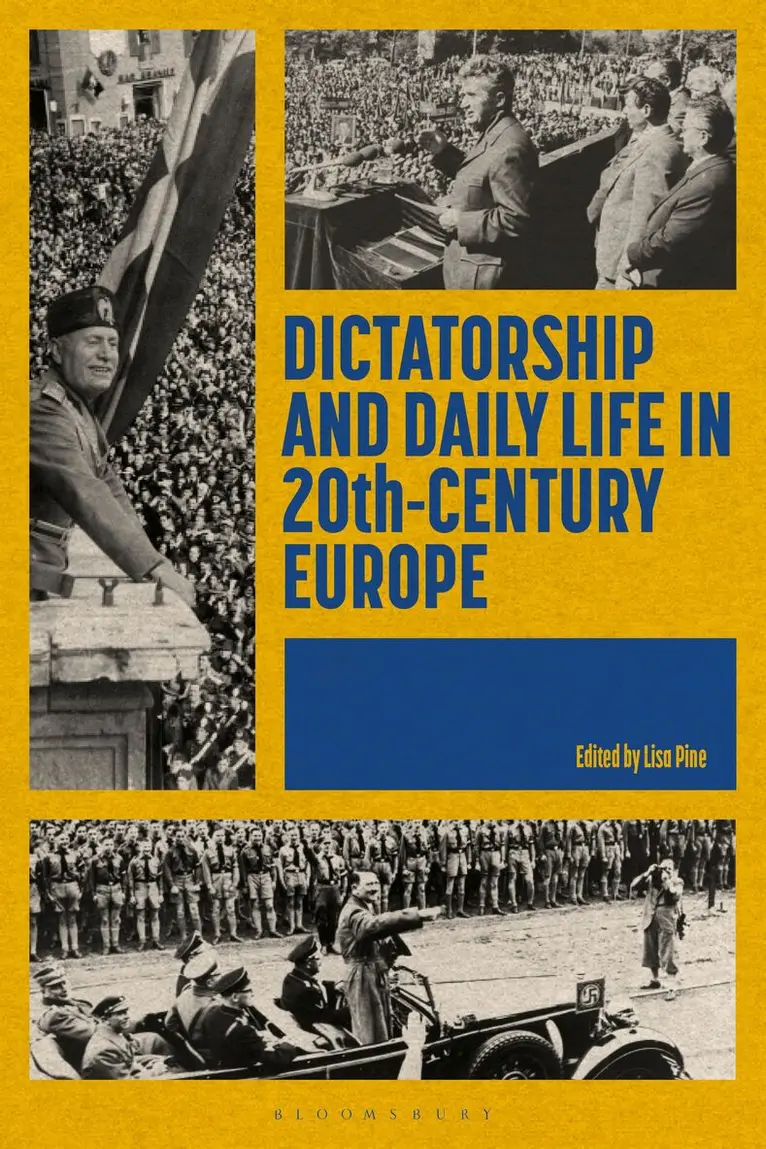
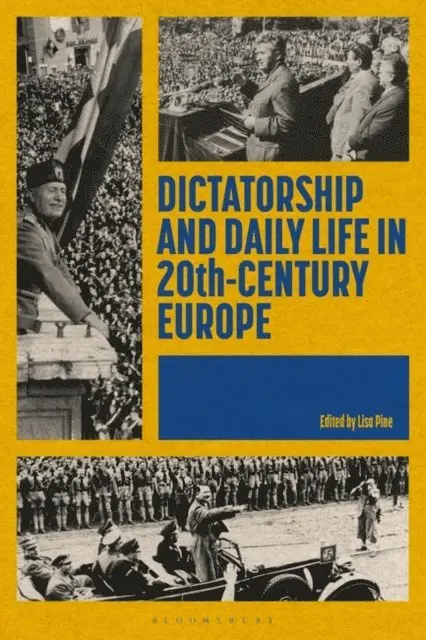
Bringing together leading scholars from across the UK, North America and mainland Europe, this book provides a uniquely comparative exploration of daily life under dictatorship in 20th-century Europe. With coverage of well-known regimes and some that are relatively underrepresented in the literature from right across the continent, it examines the impact felt on people’s lives amidst political administrations characterised by some or all of the following: a one-party state, in which opposition or multiple parties were banned; a cult surrounding the leader; the censorship of the press and other publications; the widespread use of propaganda and political persuasion; and the threat or use of force by the regime and its agents.The chapters investigate crucial questions in relation to life under dictatorships as follows:· What was the impact of censorship on access to news or entertainment?· How was leisure time conducted?· What was the impact of the regime on working life?· What was the scope for dissent and resistance? To what extent were these possible?· How much did the regime coerce the population and how much did it try to indoctrinate?· What was the difference for Party leaders, comrades and members in terms of the possibilities and opportunities that opened up, compared to everyone else in society?· With the shutting down – to a large extent – of civil society and state intrusion into private life, what restrictions were placed on ordinary and day-to-day activities?· What happened to religious life and to cultural life and the arts?· How were personal choices in aspects of life such as reproduction, education and even eating affected by these regimes?· What was the impact of different political ideologies on people’s way of life – whether Fascist, Nazi or Communist?Dictatorship and Daily Life in 20th-Century Europe addresses these issues and more, striking to the heart of European life in the darkest episodes of its recent history.
1 108 kr
Skickas inom 10-15 vardagar
Bringing together leading scholars from across the UK, North America and mainland Europe, this book provides a uniquely comparative exploration of daily life under dictatorship in 20th-century Europe. With coverage of well-known regimes and some that are relatively underrepresented in the literature from right across the continent, it examines the impact felt on people’s lives amidst political administrations characterised by some or all of the following: a one-party state, in which opposition or multiple parties were banned; a cult surrounding the leader; the censorship of the press and other publications; the widespread use of propaganda and political persuasion; and the threat or use of force by the regime and its agents.The chapters investigate crucial questions in relation to life under dictatorships as follows:· What was the impact of censorship on access to news or entertainment?· How was leisure time conducted?· What was the impact of the regime on working life?· What was the scope for dissent and resistance? To what extent were these possible?· How much did the regime coerce the population and how much did it try to indoctrinate?· What was the difference for Party leaders, comrades and members in terms of the possibilities and opportunities that opened up, compared to everyone else in society?· With the shutting down – to a large extent – of civil society and state intrusion into private life, what restrictions were placed on ordinary and day-to-day activities?· What happened to religious life and to cultural life and the arts?· How were personal choices in aspects of life such as reproduction, education and even eating affected by these regimes?· What was the impact of different political ideologies on people’s way of life – whether Fascist, Nazi or Communist?Dictatorship and Daily Life in 20th-Century Europe addresses these issues and more, striking to the heart of European life in the darkest episodes of its recent history.
461 kr
Skickas inom 10-15 vardagar
This cutting-edge edited collection examines the impact of political and social change upon the modern German family. By analysing different family structures, gender roles, social class aspects and children's socialization, The Family in Modern Germany provides a comprehensive and well-balanced overview of how different political systems have shaped modern conceptualizations of the family, from the bourgeois family ideal right up to recent trends like cohabitation and same-sex couples.Beginning with an overview of the 19th-century family, each chapter goes on to examine changes in family type, size and structure across the different decades of the 20th century, with a focus on the relationship between the family and the state, as well as the impact of family policies and laws on the German family. Lisa Pine and her expert team of contributors draw on a wealth of primary sources, including legal documents, diaries, letters and interviews, and the most up-to-date secondary literature to shed new light on the continuities and changes in the history of the family in modern and contemporary Germany.This book is a fantastic resource for scholars, postgraduates and advanced undergraduates studying modern German history, sociology and social policy.
196 kr
Skickas
The Empire's Reformations provides a concise overview of reform movements in 16th-century Germany that gave birth to the modern division of western Christianity into multiple denominations – Roman Catholic, Lutheran, Calvinist, and more. It exposes the origins of modern religious pluralism, both in battle for souls among these emerging camps and in the struggles of political leaders at every level to manage the threat that religious diversity posed to tranquillity and order in a rigidly hierarchical society. As such, it offers a prehistory of religious toleration, not as a positive value – few regarded toleration as inherently good – but as a strategy for keeping the peace.David M. Luebke considers the reformations of religion in the context of concurrent transformations in the political and judicial structures of the Holy Roman Empire, that sprawling confederation of principalities and city-states that embraced most regions where German was spoken. This allows Luebke to view the religious reforms through the lens of imperial politics, showing how the Empire differed from the Atlantic monarchies, Eastern Europe, Scandinavia, and the Mediterranean. On a different and equally significant level, he examines how ordinary people of all backgrounds experienced the controversy over religion and responded to reforms of doctrine and observance. The inclusion of both the imperial and local perspectives moves the Reformation beyond the familiar story of theological combat and reimagines it as something that had resonance throughout the world, impacting people’s lives in the process.
622 kr
Skickas inom 10-15 vardagar
The Empire's Reformations provides a concise overview of reform movements in 16th-century Germany that gave birth to the modern division of western Christianity into multiple denominations – Roman Catholic, Lutheran, Calvinist, and more. It exposes the origins of modern religious pluralism, both in battle for souls among these emerging camps and in the struggles of political leaders at every level to manage the threat that religious diversity posed to tranquillity and order in a rigidly hierarchical society. As such, it offers a prehistory of religious toleration, not as a positive value – few regarded toleration as inherently good – but as a strategy for keeping the peace.David M. Luebke considers the reformations of religion in the context of concurrent transformations in the political and judicial structures of the Holy Roman Empire, that sprawling confederation of principalities and city-states that embraced most regions where German was spoken. This allows Luebke to view the religious reforms through the lens of imperial politics, showing how the Empire differed from the Atlantic monarchies, Eastern Europe, Scandinavia, and the Mediterranean. On a different and equally significant level, he examines how ordinary people of all backgrounds experienced the controversy over religion and responded to reforms of doctrine and observance. The inclusion of both the imperial and local perspectives moves the Reformation beyond the familiar story of theological combat and reimagines it as something that had resonance throughout the world, impacting people’s lives in the process.
695 kr
Skickas inom 10-15 vardagar
The German Democratic Republic has come to stand as a symbol of communist tyranny, a source of Cold War nostalgia and socialist kitsch, and a failed alternative to the worst excesses of 21st century capitalism. In this book, Ned Richardson-Little delves into the central contradictions of the GDR state: This book illustrates the fault lines of GDR society, the worldviews and experiences of not only those who ruled the GDR, but also those who rebelled against the strictures of state socialism, and those in between who sought a normal life under dictatorship. The German Democratic Republic is a succinct and comprehensive history of East Germany that traces its story from the country’s origins as the Soviet Zone of Occupation after World War II through key events such as the 1953 Uprising, the building of the Berlin Wall, the Helsinki Accords, and the collapse of state socialism in 1989. Some of the themes explored include the memory of Nazism and national identity, everyday life under dictatorship, including consumerism, sexuality, and racism, the global politics of the GDR, the diversity of dissenting voices, and the competing visions for East Germany’s democratic future.
383 kr
Skickas
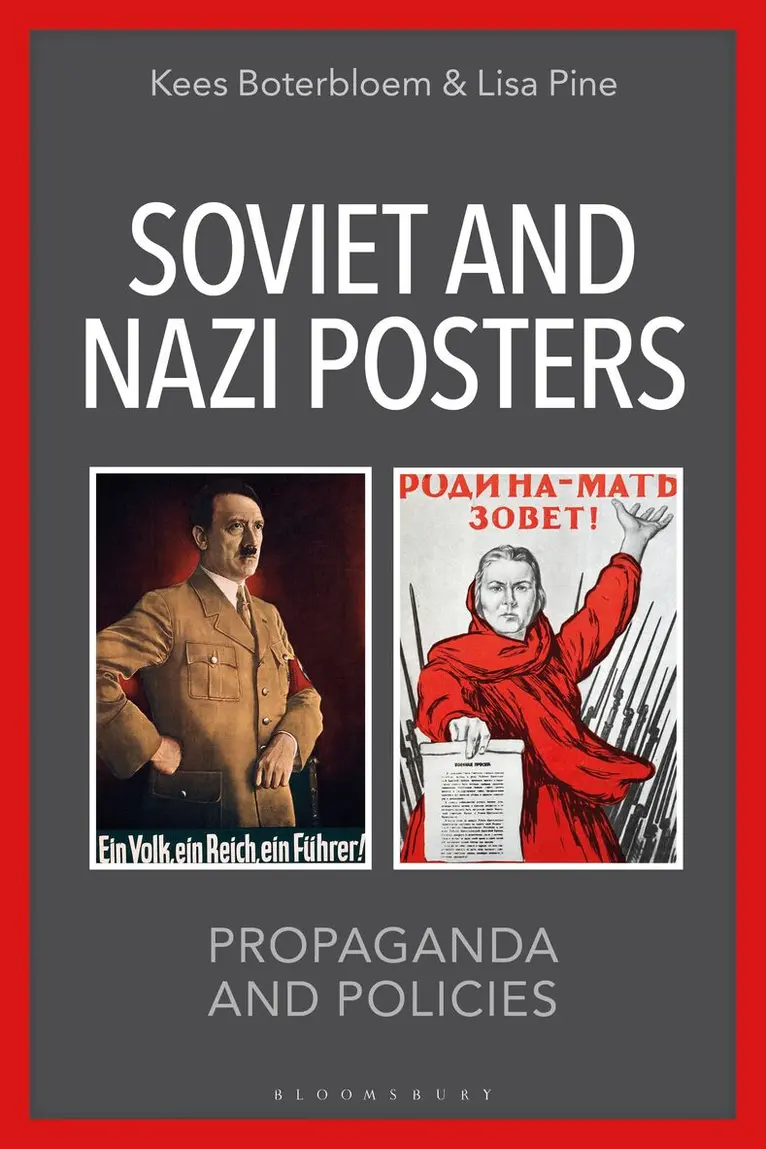
This book examines the key content and propaganda value of posters in the dictatorships of Stalin’s USSR (1927-53) and Hitler’s Germany (1933-43), using posters as a point of entry for discussing key Soviet and Nazi policies. In so doing, Soviet and Nazi Posters provides a compelling account of the posters utilised by both regimes for the first time. Kees Boterbloem and Lisa Pine employ a comparative approach throughout, analysing commonalities and differences, and inspecting the regimes’ use of posters as propaganda.Richly illustrated with 50 images, 25 of which are in colour, Soviet and Nazi Posters encourages the development of vital source skills in the pursuit of understanding the complexities of 20th-century European dictatorships. What do these posters yield to the historian? What do they tell us about the regimes and their intentions? Ultimately they offer a compelling visual point of entry into Nazism and Stalinism here explored in rewarding detail.Boterbloem and Pine convincingly make the case that the use of posters as a medium of propaganda by Stalin and Hitler was advanced at the time and far-reaching. The poster campaigns were very powerful in terms of the impact on their populations and point to how the regimes could influence people outside their homes and in public places to support the regimes and their policies. The book looks at specific posters to discuss key regime policies associated with them and this offers us new insights into the nature of these authoritarian governments and the way in which they addressed their populations.
1 245 kr
Skickas inom 10-15 vardagar
This book examines the key content and propaganda value of posters in the dictatorships of Stalin’s USSR (1927-53) and Hitler’s Germany (1933-43), using posters as a point of entry for discussing key Soviet and Nazi policies. In so doing, Soviet and Nazi Posters provides a compelling account of the posters utilised by both regimes for the first time. Kees Boterbloem and Lisa Pine employ a comparative approach throughout, analysing commonalities and differences, and inspecting the regimes’ use of posters as propaganda.Richly illustrated with 50 images, 25 of which are in colour, Soviet and Nazi Posters encourages the development of vital source skills in the pursuit of understanding the complexities of 20th-century European dictatorships. What do these posters yield to the historian? What do they tell us about the regimes and their intentions? Ultimately they offer a compelling visual point of entry into Nazism and Stalinism here explored in rewarding detail.Boterbloem and Pine convincingly make the case that the use of posters as a medium of propaganda by Stalin and Hitler was advanced at the time and far-reaching. The poster campaigns were very powerful in terms of the impact on their populations and point to how the regimes could influence people outside their homes and in public places to support the regimes and their policies. The book looks at specific posters to discuss key regime policies associated with them and this offers us new insights into the nature of these authoritarian governments and the way in which they addressed their populations.
447 kr
Skickas inom 10-15 vardagar
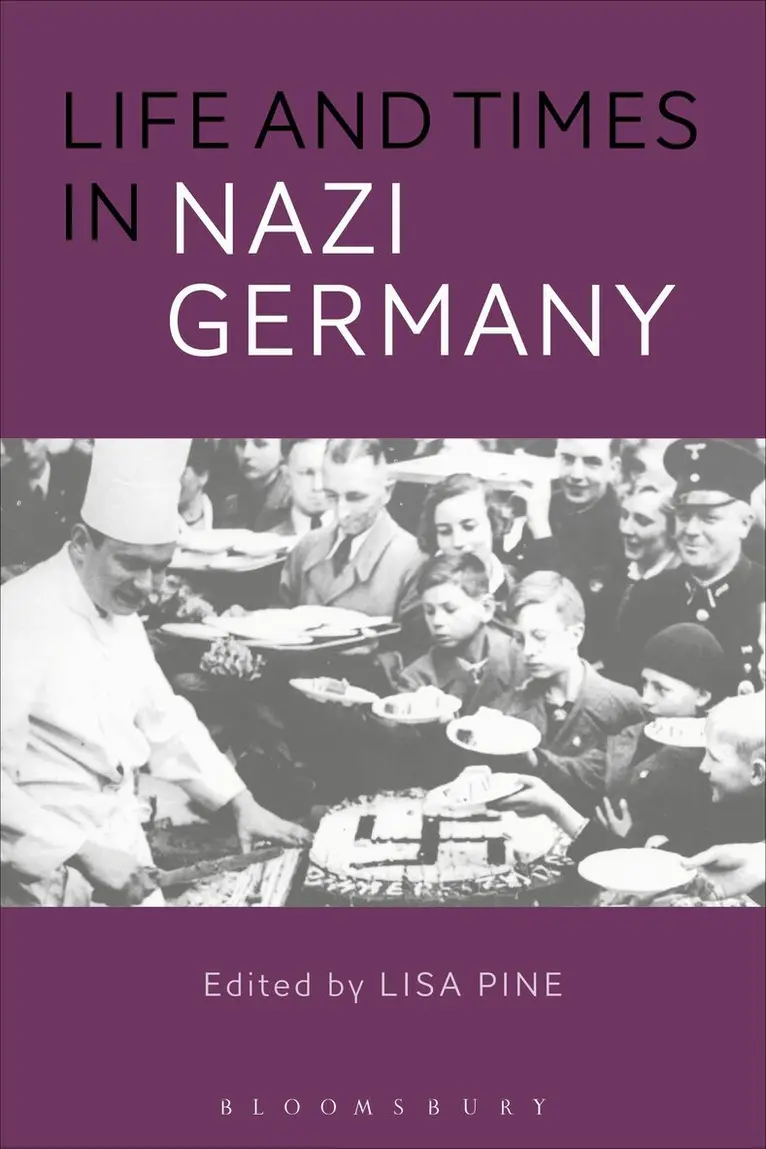
Lisa Pine assembles an impressive array of influential scholars in Life and Times in Nazi Germany to explore the variety and complexity of life in Germany under Hitler’s totalitarian regime. The book is a thematic collection of essays that examine the extent to which social and cultural life in Germany was permeated by Nazi aims and ambitions. Each essay deals with a different theme of daily German life in the Nazi era, with topics including food, fashion, health, sport, art, tourism and religion all covered in chapters based on original and expert scholarship.Life and Times in Nazi Germany, which also includes 24 images and helpful end-of-chapter select bibliographies, provides a new lens through which to observe life in Nazi Germany – one that highlights the everyday experience of Germans under Hitler’s rule. It illuminates aspects of life under Nazi control that are less well-known and examines the contradictions and paradoxes that characterised daily life in Nazi Germany in order to enhance and sophisticate our understanding of this period in the nation's history.This is a crucial volume for all students of Nazi Germany and the history of Germany in the 20th century.
1 754 kr
Skickas inom 10-15 vardagar
Lisa Pine assembles an impressive array of influential scholars in Life and Times in Nazi Germany to explore the variety and complexity of life in Germany under Hitler’s totalitarian regime. The book is a thematic collection of essays that examine the extent to which social and cultural life in Germany was permeated by Nazi aims and ambitions. Each essay deals with a different theme of daily German life in the Nazi era, with topics including food, fashion, health, sport, art, tourism and religion all covered in chapters based on original and expert scholarship.Life and Times in Nazi Germany, which also includes 24 images and helpful end-of-chapter select bibliographies, provides a new lens through which to observe life in Nazi Germany – one that highlights the everyday experience of Germans under Hitler’s rule. It illuminates aspects of life under Nazi control that are less well-known and examines the contradictions and paradoxes that characterised daily life in Nazi Germany in order to enhance and sophisticate our understanding of this period in the nation's history.This is a crucial volume for all students of Nazi Germany and the history of Germany in the 20th century.
392 kr
Skickas inom 10-15 vardagar
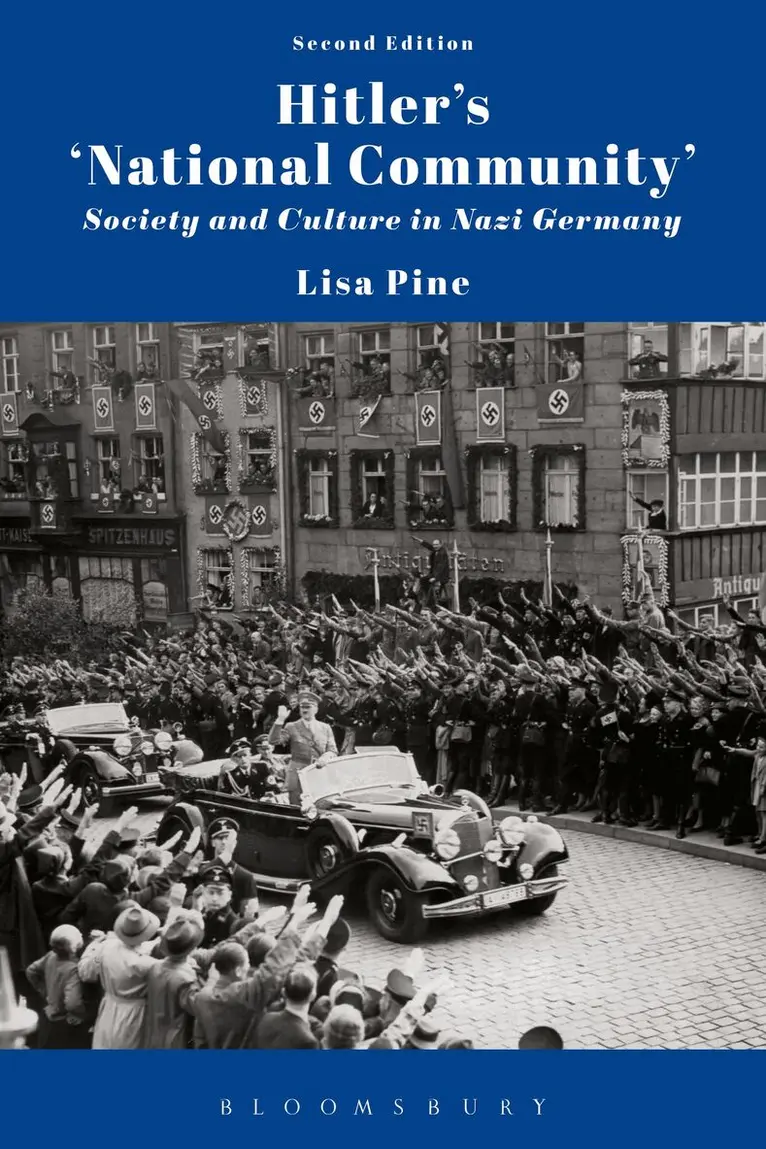
Lisa Pine’s Hitler’s ‘National Community’ explores German culture and society during the Nazi era and analyses how this impacted upon the Germany that followed this fateful regime. Drawing on a range of significant scholarly works on the subject, Pine informs us as to the major historiographical debates surrounding the subject whilst establishing her own original, interpretative arc.The book is divided into four parts. The first section explores the attempts of the Nazi regime to create a Volksgemeinschaft (‘national community’). The second part examines men, women, the family, the churches and religion. The third section analyses the fate of those groups that were excluded from the Volksgemeinschaft. The final section of the book considers the impact of the Nazi government upon German culture, in particular focusing on the radio and press, cinema and theatre, art and architecture, music and literature.This new edition includes historiographical updates throughout, an additional chapter on the early Nazi movement and brand new primary source excerpt boxes and illustrations. There is also expanded material on key topics like resistance, women and family, men and masculinity and religion.A crucial text for all students of Nazi Germany, this book provides a sophisticated window into the social and cultural aspects of life under Hitler’s rule.
1 314 kr
Skickas inom 10-15 vardagar
Lisa Pine’s Hitler’s ‘National Community’ explores German culture and society during the Nazi era and analyses how this impacted upon the Germany that followed this fateful regime. Drawing on a range of significant scholarly works on the subject, Pine informs us as to the major historiographical debates surrounding the subject whilst establishing her own original, interpretative arc.The book is divided into four parts. The first section explores the attempts of the Nazi regime to create a Volksgemeinschaft (‘national community’). The second part examines men, women, the family, the churches and religion. The third section analyses the fate of those groups that were excluded from the Volksgemeinschaft. The final section of the book considers the impact of the Nazi government upon German culture, in particular focusing on the radio and press, cinema and theatre, art and architecture, music and literature.This new edition includes historiographical updates throughout, an additional chapter on the early Nazi movement and brand new primary source excerpt boxes and illustrations. There is also expanded material on key topics like resistance, women and family, men and masculinity and religion.A crucial text for all students of Nazi Germany, this book provides a sophisticated window into the social and cultural aspects of life under Hitler’s rule.
1 520 kr
Skickas inom 10-15 vardagar
Shaping the minds of the future generation was pivotal to the Nazi regime in order to ensure the continuing success of the Third Reich. Through the curriculum, the elite schools and youth groups, the Third Reich waged a war for the minds of the young. Hitler understood the importance of education in creating self-identity, inculcating national pride, promoting 'racial purity' and building loyalty. Education in Nazi Germany examines how Nazism took shape in the classroom via school textbook policy, physical education and lessons on Nationalist Socialist heroes and anti-Semitism. Offering a compelling new analysis of Nazi educational policy, this book brings to the forefront an often-overlooked aspect of the Third Reich.
502 kr
Skickas inom 10-15 vardagar
Shaping the minds of the future generation was pivotal to the Nazi regime in order to ensure the continuing success of the Third Reich. Through the curriculum, the elite schools and youth groups, the Third Reich waged a war for the minds of the young. Hitler understood the importance of education in creating self-identity, inculcating national pride, promoting 'racial purity' and building loyalty. The author examines how Nazism took shape in the classroom via school textbook policy, physical education and lessons on Nationalist Socialist heroes and anti-Semitism. Offering a compelling new analysis of Nazi educational policy, this book brings to the forefront an often-overlooked aspect of the Third Reich.
557 kr
Skickas inom 10-15 vardagar
Although the Third Reich has been extensively researched, there has been no thorough examination of Nazi policy towards the family. In tackling this important subject this book provides profound insights into German society under Hitler and represents a significant contribution to the existing literature on the Third Reich. The book first explores the nature of Nazi family ideology and gives an overview of various aspects of Nazi family policy, including the impact of eugenics upon population policy and issues such as marriage, divorce, contraception, abortion and welfare measures. This is followed by a consideration of the dissemination of Nazi family ideals by means of education and socialization. The book examines families at different ends of the spectrum in Nazi Germany - model families which served to define the Nazi ideal of the kinderreich family, as well as undesirable families that did not fit into the national community. In particular, asocial and Jewish families are vigorously examined -- the former representing the socially unfit and the latter, the racially inferior or alien.The book also presents an overview of the regime's ultimate legacy for the family in post-1945 Germany, not least the effects of World War II, and gives an overall assessment of the regime's family policy and a discussion of how the Nazi period fits into the framework of the history of the German family.