Lisa Román – författare
Visar alla böcker från författaren Lisa Román. Handla med fri frakt och snabb leverans.
8 produkter
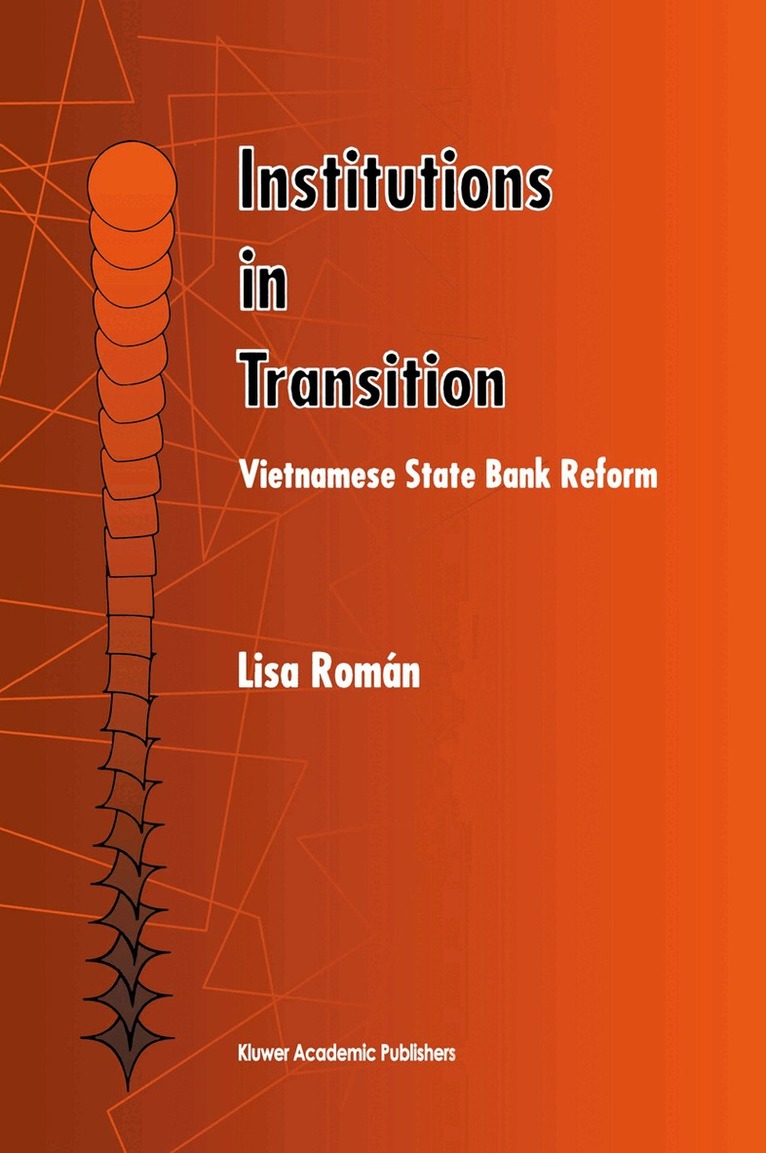
Institutions in Transition
Vietnamese State Bank Reform
Av Lisa Román
Inbunden, 1998
1690 kr
Lägg i varukorg
The ongoing transformation of centrally planned societies into market economies poses many difficult questions regarding large-scale institutional reform, such as how far to go, how fast, and in which order? Financial intermediation is one sector in which the gap between socialism and capitalism is …
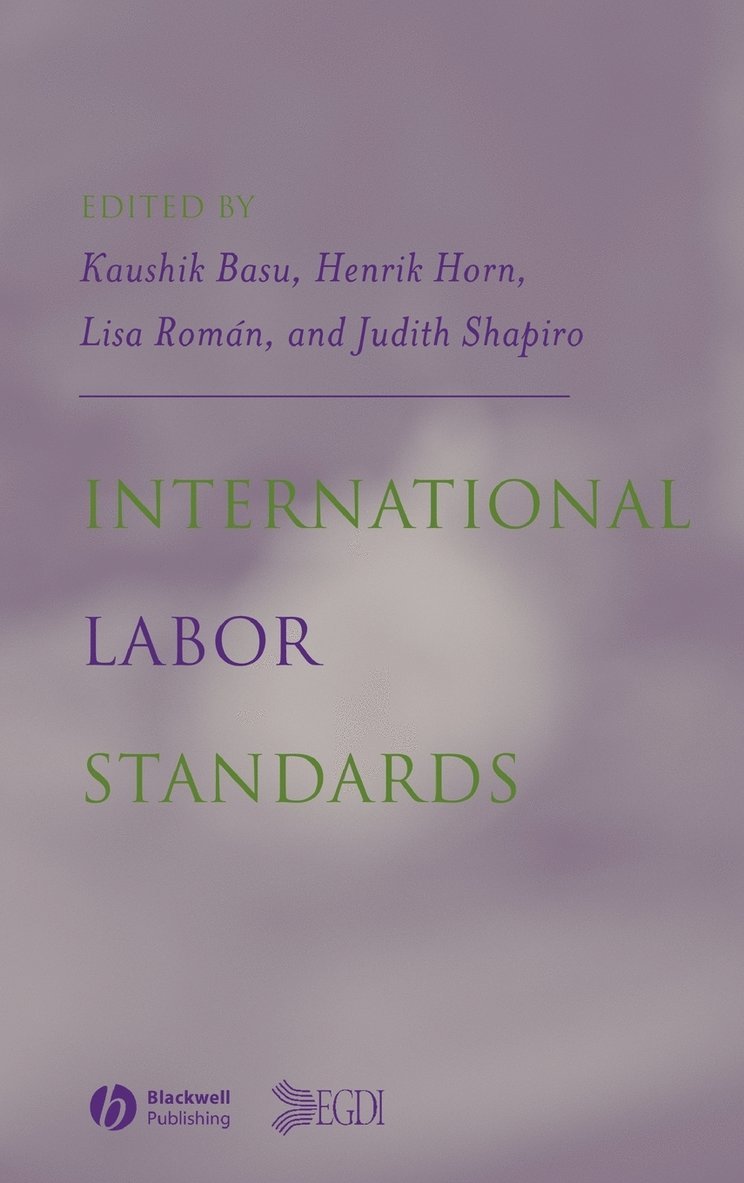
International Labor Standards
History, Theory, and Policy Options
Inbunden, 2003
1733 kr
Lägg i varukorg
International Labor Standards: History, Theory, and Policy OptionsThis book addresses the controversial call for international labor standards, seeking to productively further this debate by considering the economic implications and history of these standards. A result of an initiative by Professor …
International Labor Standards
History, Theory, and Policy Options
Av Basu, Horn Henrik m. fl.
Häftad, 2003
741 kr
Lägg i varukorg
International Labor Standards: History, Theory, and Policy OptionsThis book addresses the controversial call for international labor standards, seeking to productively further this debate by considering the economic implications and history of these standards. A result of an initiative by Professor …
International Labor Standards
History, Theory, and Policy Options
Av Judith Shapiro, Lisa Roman m. fl.
E-bok, 2008
2013 kr
Lägg i varukorg
This book addresses the controversial call for international labor standards, seeking to productively further this debate by considering the economic implications and history of these standards. A result of an initiative by Professor Kaushik Basu in his capacity as member of the Expert Group of …
Institutions in Transition
Vietnamese State Bank Reform
Av Lisa Román
Häftad, 2013
1690 kr
Lägg i varukorg
"If you want to become a doctor, practice in a war; if you want to become an economist, practice in Vietnam". 1 Phan Van Tiem Vietnam is one of many countries presently undergoing fundamental institutional change: the market mechanism is replacing central planning. So far, the achievements are …
Institutions in Transition
Vietnamese State Bank Reform
Av Lisa Roman
E-bok, 2012
2174 kr
Lägg i varukorg
"If you want to become a doctor, practice in a war; if you want to become an economist, practice in Vietnam". 1 Phan Van Tiem Vietnam is one of many countries presently undergoing fundamental institutional change: the market mechanism is replacing central planning. So far, the achievements are …