Liz Tregenza – författare
Visar alla böcker från författaren Liz Tregenza. Handla med fri frakt och snabb leverans.
9 produkter
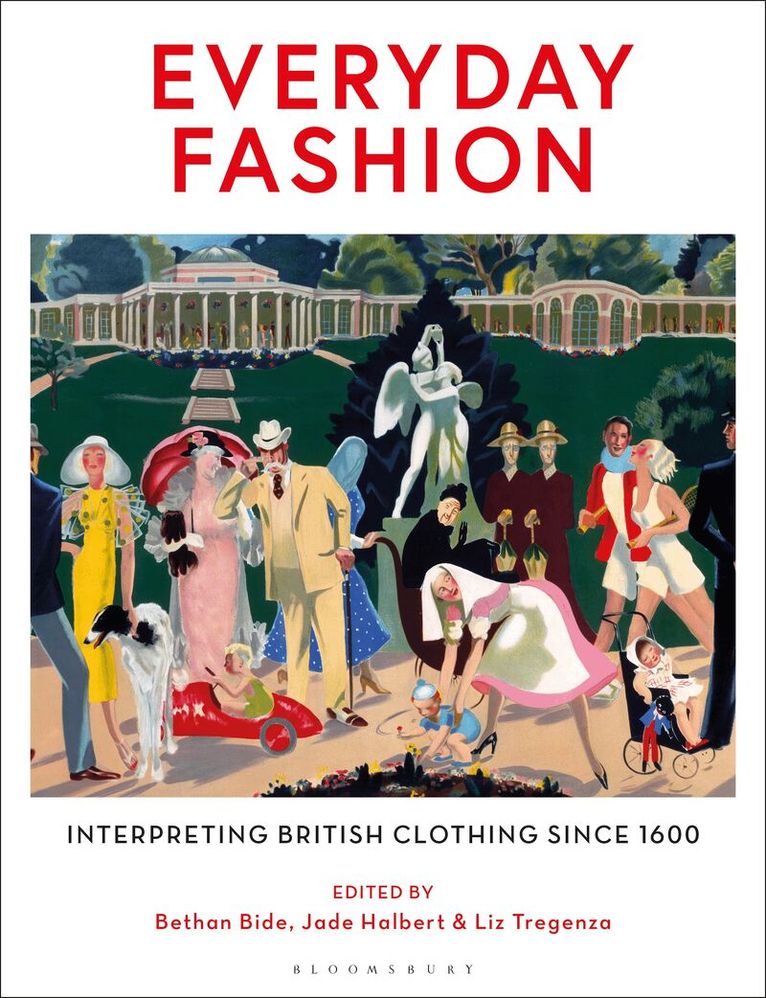
Everyday Fashion
Interpreting British Clothing Since 1600
Av Bethan Bide, Jade Halbert m. fl.
Häftad, 2023
425 kr
Lägg i varukorg
Ordinary clothes have extraordinary stories. In contrast to academic and curatorial focus on the spectacular and the luxurious, Everyday Fashion makes the case that your grandmother’s wardrobe is an archive as interesting and important as any museum store. From the moment we wake and get dressed in …
Everyday Fashion
Interpreting British Clothing Since 1600
Av Bethan Bide, Jade Halbert m. fl.
E-bok, 2023
466 kr
Lägg i varukorg
Ordinary clothes have extraordinary stories. In contrast to academic and curatorial focus on the spectacular and the luxurious, Everyday Fashion makes the case that your grandmother''s wardrobe is an archive as interesting and important as any museum store. From the moment we wake and get dressed …
Everyday Fashion
Interpreting British Clothing Since 1600
Av Bethan Bide, Jade Halbert m. fl.
E-bok, 2023
466 kr
Lägg i varukorg
Ordinary clothes have extraordinary stories. In contrast to academic and curatorial focus on the spectacular and the luxurious, Everyday Fashion makes the case that your grandmother''s wardrobe is an archive as interesting and important as any museum store. From the moment we wake and get dressed …
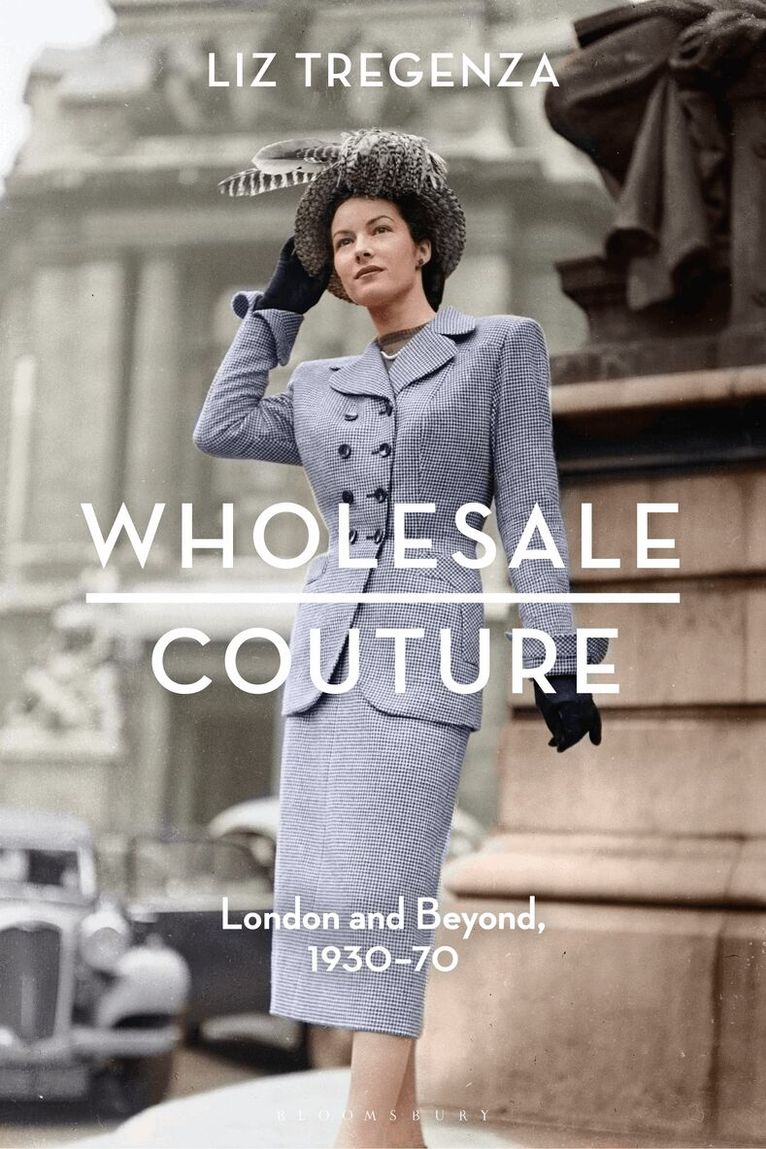
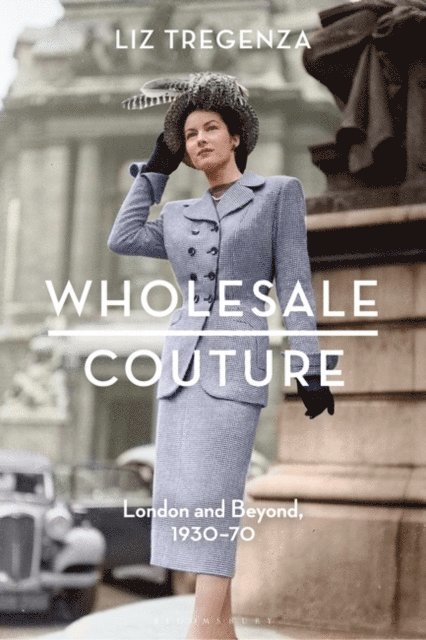
Wholesale Couture
London and Beyond, 1930-70
Av Liz Tregenza
Inbunden, 2023
1304 kr
Lägg i varukorg
The first book to consider the subject, Wholesale Couture: London and Beyond, 1930-70 seeks to revise the notion that wholesale couturiers were simply copyists and demonstrate the complexities of their design processes and business strategies. This term has fallen out of usage; however, it was used …
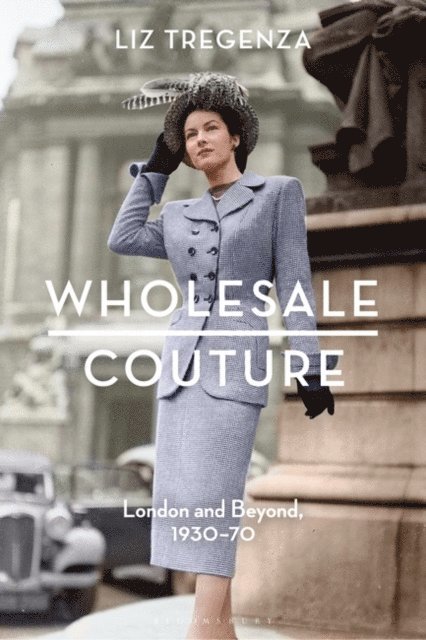
Wholesale Couture
London and Beyond, 1930-70
Av Liz Tregenza
E-bok, 2023
466 kr
Lägg i varukorg
The first book to consider the subject, Wholesale Couture: London and Beyond, 1930-70 seeks to revise the notion that wholesale couturiers were simply copyists and demonstrate the complexities of their design processes and business strategies. This term has fallen out of usage; however, it was used …
Wholesale Couture
London and Beyond, 1930-70
Av Liz Tregenza
E-bok, 2023
456 kr
Lägg i varukorg
The first book to consider the subject, Wholesale Couture: London and Beyond, 1930-70 seeks to revise the notion that wholesale couturiers were simply copyists and demonstrate the complexities of their design processes and business strategies. This term has fallen out of usage; however, it was used …
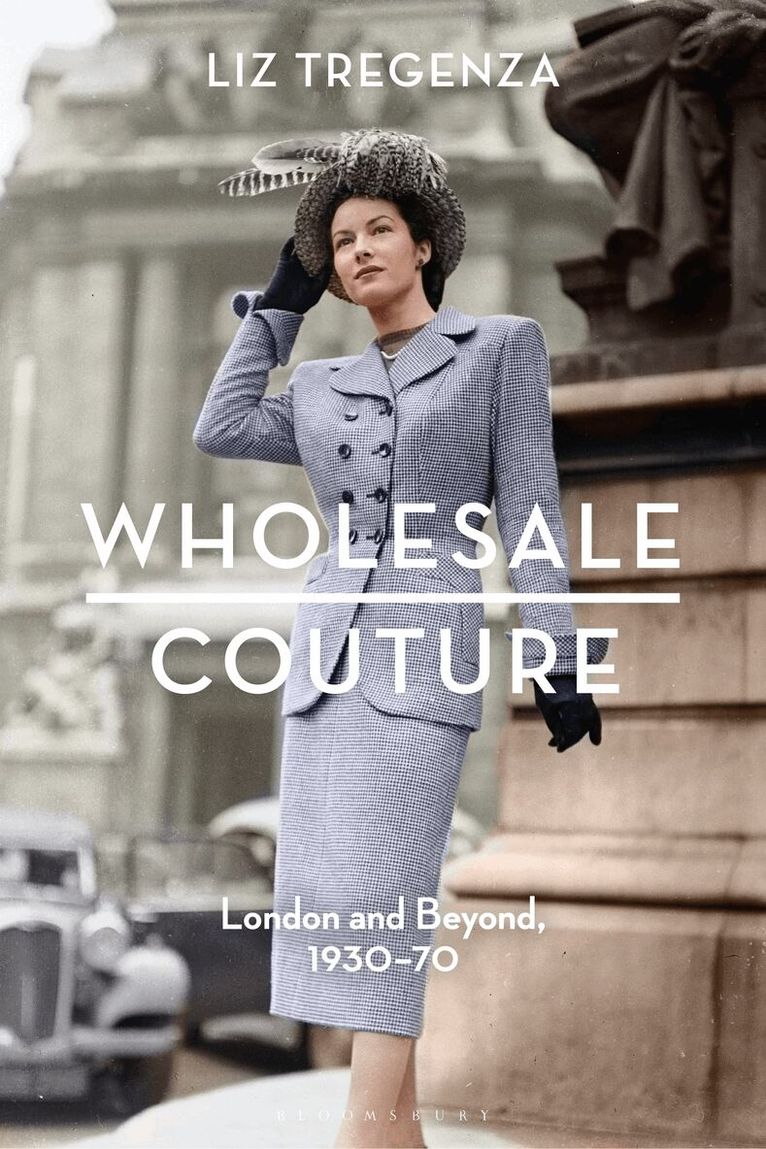
Wholesale Couture
London and Beyond, 1930-70
Av Liz Tregenza
Häftad, 2024
425 kr
Lägg i varukorg
Offering a new perspective on British fashion history, Wholesale Couture demonstrates that these couturiers were vital in cementing London’s status as a ready-to-wear fashion centre.The first book to consider the subject, Wholesale Couture: London and Beyond, 1930-70 seeks to revise the notion that …
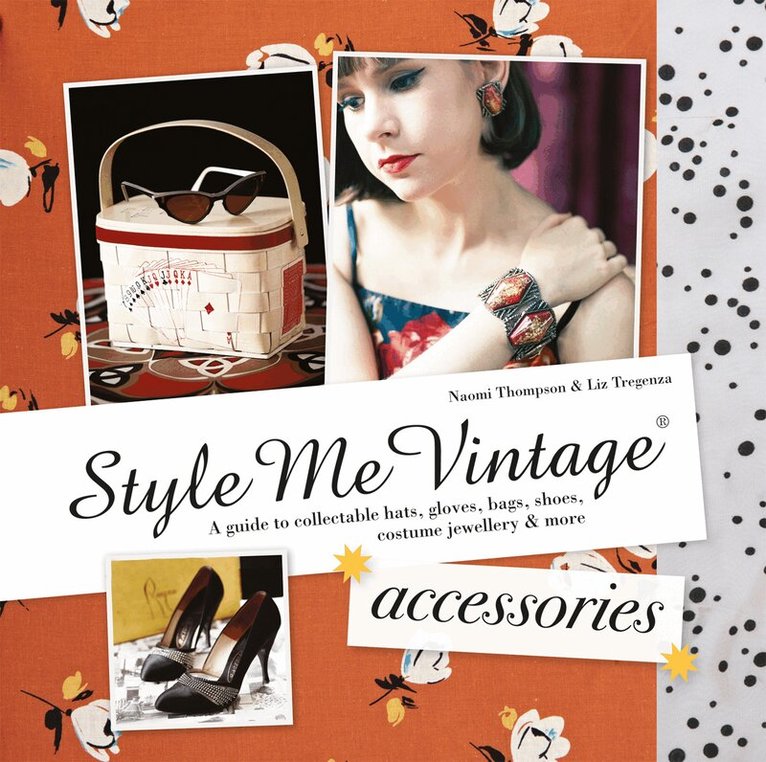
Style Me Vintage: Accessories
Av Naomi Thompson, Liz Tregenza
E-bok, 2014
176 kr
Lägg i varukorg
Accessories – the cherry on the cake for those seeking to finish off their vintage look to perfection. From hats and jewellery to bags and shoes, this essential addition to the popular Style Me Vintage series is fully dedicated to sourcing and wearing accessories from a range of periods.Vintage …
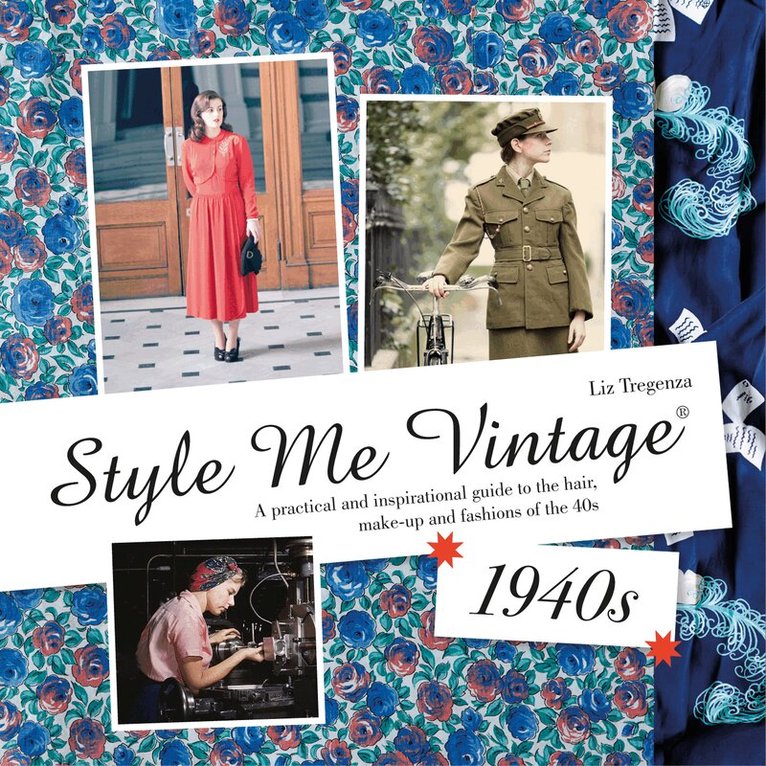
Style Me Vintage: 1940s
Av Liz Tregenza
E-bok, 2015
31 kr
Lägg i varukorg
The next book in the successful Style Me Vintage series is designed to inspire re-enactors and all those vintage aficionados who admire the classic looks of the 1940s. This beautiful and accessible book looks at how to source and put together 1940s outfits – from how to create the elaborate …