
L.L. Welborn – författare
Visar alla böcker från författaren . Handla med fri frakt och snabb leverans.
2 produkter
2 produkter
Inbunden, Engelska, 2018
1 527 kr
Skickas inom 10-15 vardagar
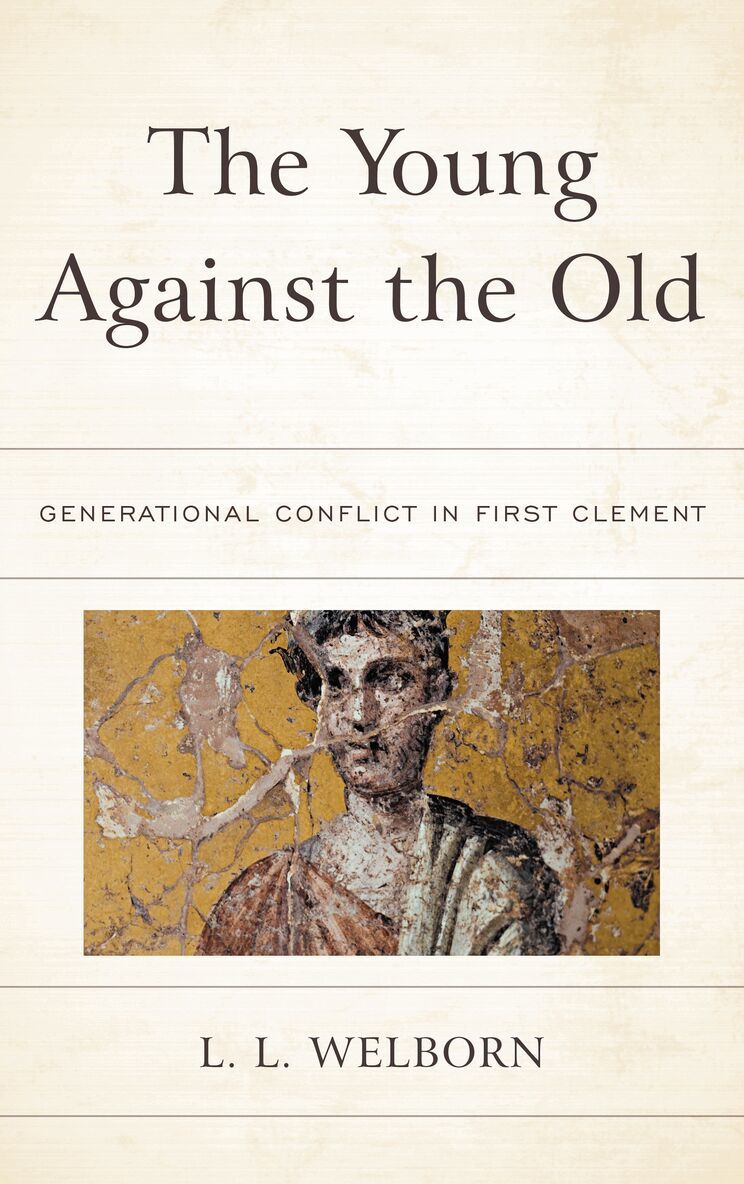
The so-called First Epistle of Clement has long intrigued historians of early Christianity. It responds to a crisis in the Corinthian church by enjoining an ethic of subordination especially to the presbyteroi and episkopoi, but the exact nature of that conflict has eluded scholars. L. L. Welborn sets out a clear methodology for reconstructing the historical situation behind the letter, then examines the conventions of its deliberative rhetoric, its blending of citations from the Old Testament and Paul’s letters, and its reliance on topoi from Greco-Roman civic discourse. He then presents a compelling argument for the letter’s occasion. First Clement assails a “revolt” among the youth against their elders, invoking epithets and characterizations that were, as Welborn demonstrates at length, common in political discourse supporting the status quo. At length, Welborn proposes two possible scenarios for the precise nature of the “revolt” in Corinth— a revolt possibly inspired by memories of the apostle Paul— and details the replacement of a Pauline ethic with a strict code of subordination.
Inbunden, Engelska, 2023
1 527 kr
Skickas inom 10-15 vardagar
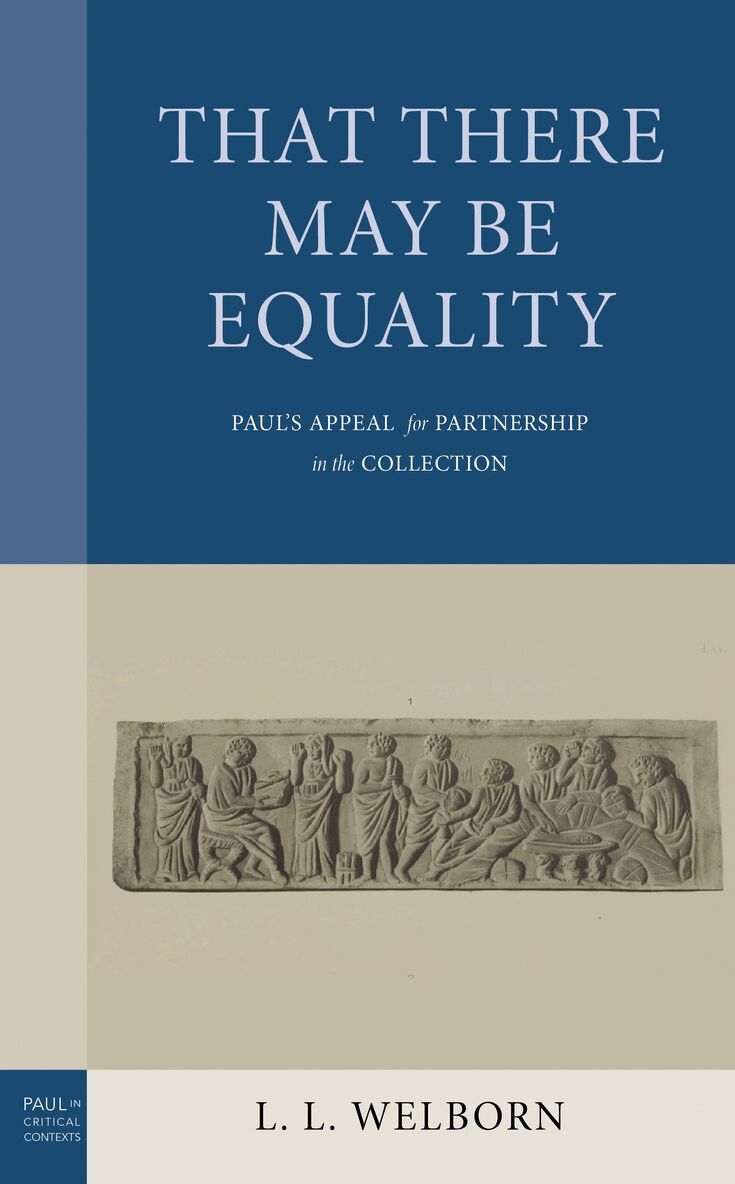
In the context of growing inequality in the twenty-first century, That There May Be Equality seeks to give new audibility to Paul’s appeal to the principle of “equality” in the collection for the poor. L.L. Welborn traces the history of the concept of “equality” in Greek history in order to convey the potency of the idea which Paul invokes. He analyzes the structural inequality of the Roman economy, particularly that of Roman Corinth, and traces the emergence of Paul’s concern about inequality in the ekklesia of Christ believers at Corinth. Welborn then analyzes Paul’s invocation of the principle of “equality” in his appeal for partnership in the collection for the poor in 2 Corinthians 8 and 9, bringing Paul’s appeal to “equality” into the present-day crisis of global inequality.