Llewella Chapman - Böcker
Visar alla böcker från författaren Llewella Chapman. Handla med fri frakt och snabb leverans.
5 produkter
5 produkter
1 108 kr
Skickas inom 10-15 vardagar
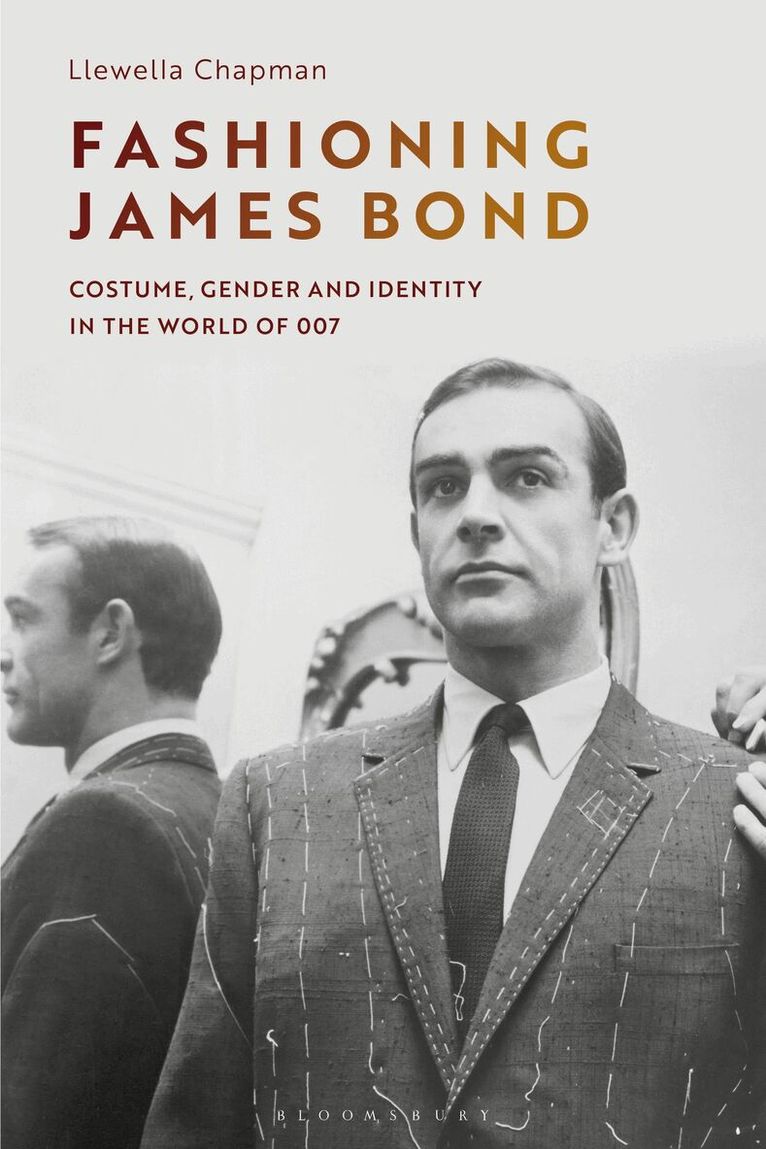
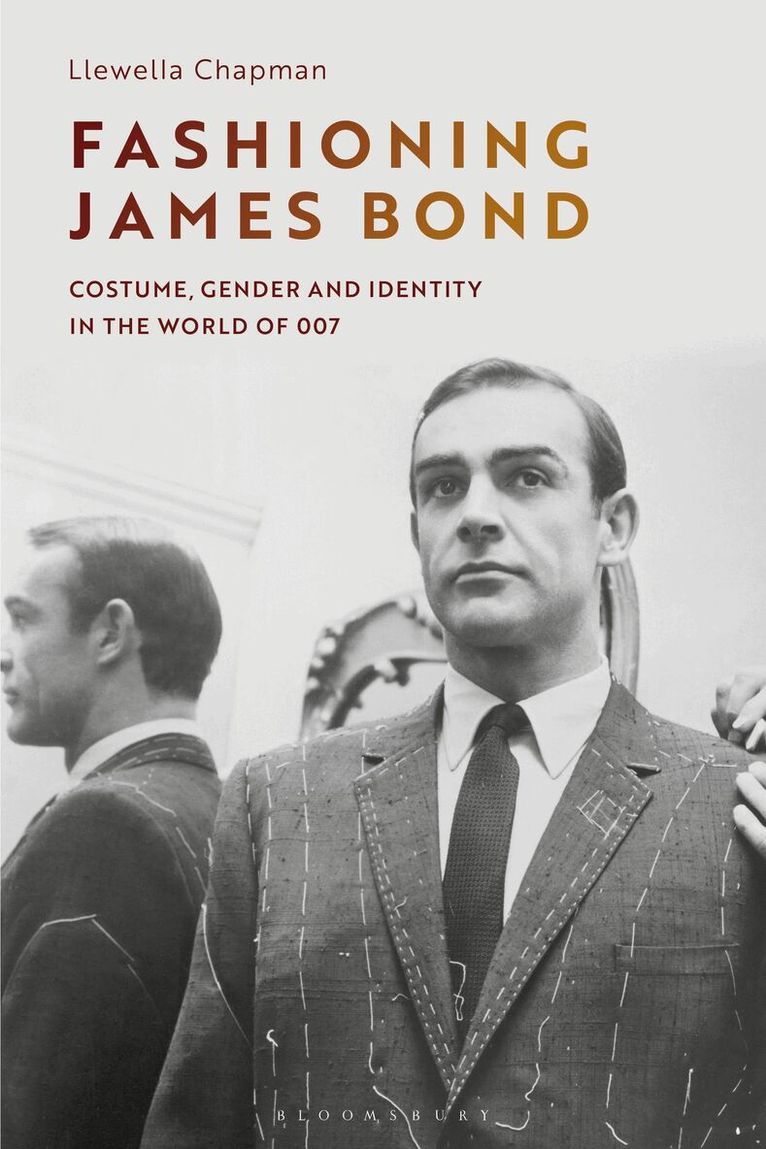
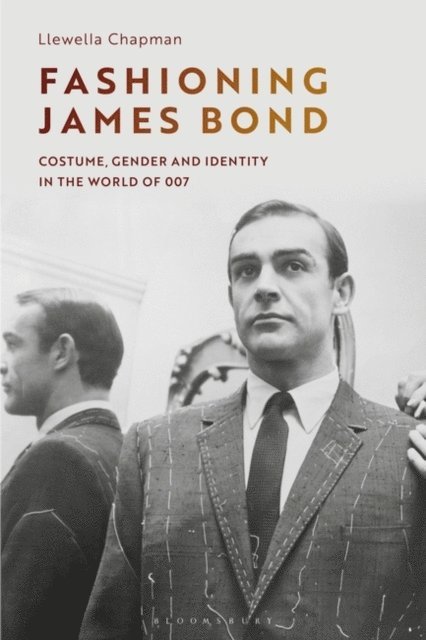
Fashioning James Bond is the first book to study the costumes and fashions of the James Bond movie franchise, from Sean Connery in 1962's Dr No to Daniel Craig in Spectre (2015). Llewella Chapman draws on original archival research, close analysis of the costumes and fashion brands featured in the Bond films, interviews with families of tailors and shirt-makers who assisted in creating the ‘look’ of James Bond, and considers marketing strategies for the films and tie-in merchandise that promoted the idea of an aspirational ‘James Bond lifestyle’.Addressing each Bond film in turn, Chapman questions why costumes are an important tool for analysing and evaluating film, both in terms of the development of gender and identity in the James Bond film franchise in relation to character, and how it evokes the desire in audiences to become part of a specific lifestyle construct through the wearing of fashions as seen on screen. She researches the agency of the costume department, director, producer and actor in creating the look and characterisation of James Bond, the villains, the Bond girls and the henchmen who inhibit the world of 007. Alongside this, she analyses trends and their impact on the Bond films, how the different costume designers have individually and creatively approached costuming them, and how the costumes were designed and developed from novel to script and screen. In doing so, this book contributes to the emerging critical literature surrounding the combined areas of film, fashion, gender and James Bond.
334 kr
Skickas inom 7-10 vardagar
Fashioning James Bond is the first book to study the costumes and fashions of the James Bond movie franchise, from Sean Connery in 1962's Dr No to Daniel Craig in Spectre (2015). Llewella Chapman draws on original archival research, close analysis of the costumes and fashion brands featured in the Bond films, interviews with families of tailors and shirt-makers who assisted in creating the ‘look’ of James Bond, and considers marketing strategies for the films and tie-in merchandise that promoted the idea of an aspirational ‘James Bond lifestyle’.Addressing each Bond film in turn, Chapman questions why costumes are an important tool for analysing and evaluating film, both in terms of the development of gender and identity in the James Bond film franchise in relation to character, and how it evokes the desire in audiences to become part of a specific lifestyle construct through the wearing of fashions as seen on screen. She researches the agency of the costume department, director, producer and actor in creating the look and characterisation of James Bond, the villains, the Bond girls and the henchmen who inhibit the world of 007. Alongside this, she analyses trends and their impact on the Bond films, how the different costume designers have individually and creatively approached costuming them, and how the costumes were designed and developed from novel to script and screen. In doing so, this book contributes to the emerging critical literature surrounding the combined areas of film, fashion, gender and James Bond.
175 kr
Skickas
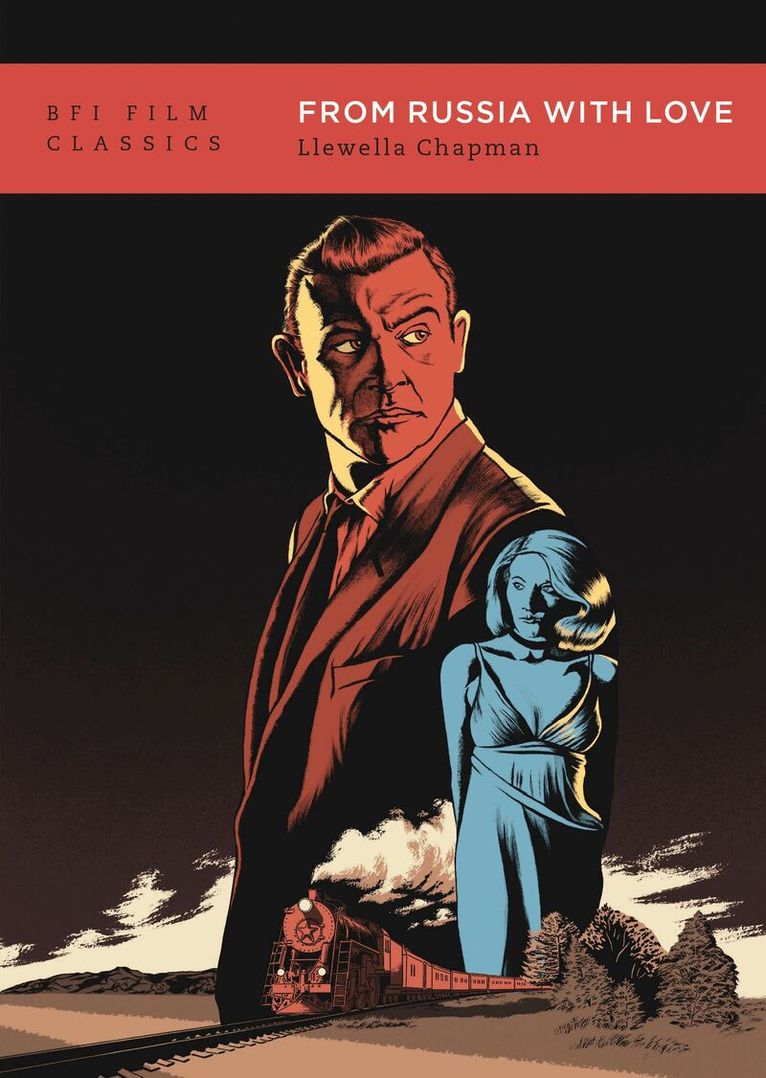
Often hailed as the 'best' James Bond film, From Russia With Love (1963) is celebrated for its direction by Terence Young, memorable performances from Sean Connery in his second outing as 007, Pedro Armendáriz as Kerim, Lotte Lenya as the lesbian villain Colonel Rosa Klebb, and Robert Shaw as Red Grant, the sexually ambiguous SPECTRE assassin. And regardless of its place within the longest-running continuous film series in cinema history, it is also an outstanding example of the British spy thriller in its own right.Llewella Chapman's study of the iconic film pinpoints its place within the James Bond film franchise, and its significant cultural value to critics and fans as well as this film’s important place within British cinema history more widely. Drawing on a broad range of archival sources, Chapman traces the film's development and production history, including its adaptation from Ian Fleming's source novel, as well as its reception and lasting impact. Chapman also considers the film's portrayal of gender politics, with its queer villains counterpoised with the heterosexual couple Bond and his Russian counterpart Tatiana Romanova, the context of Cold War politics, and the influence of Alfred Hitchcock’s North by Northwest (1959).
1 194 kr
Skickas inom 7-10 vardagar
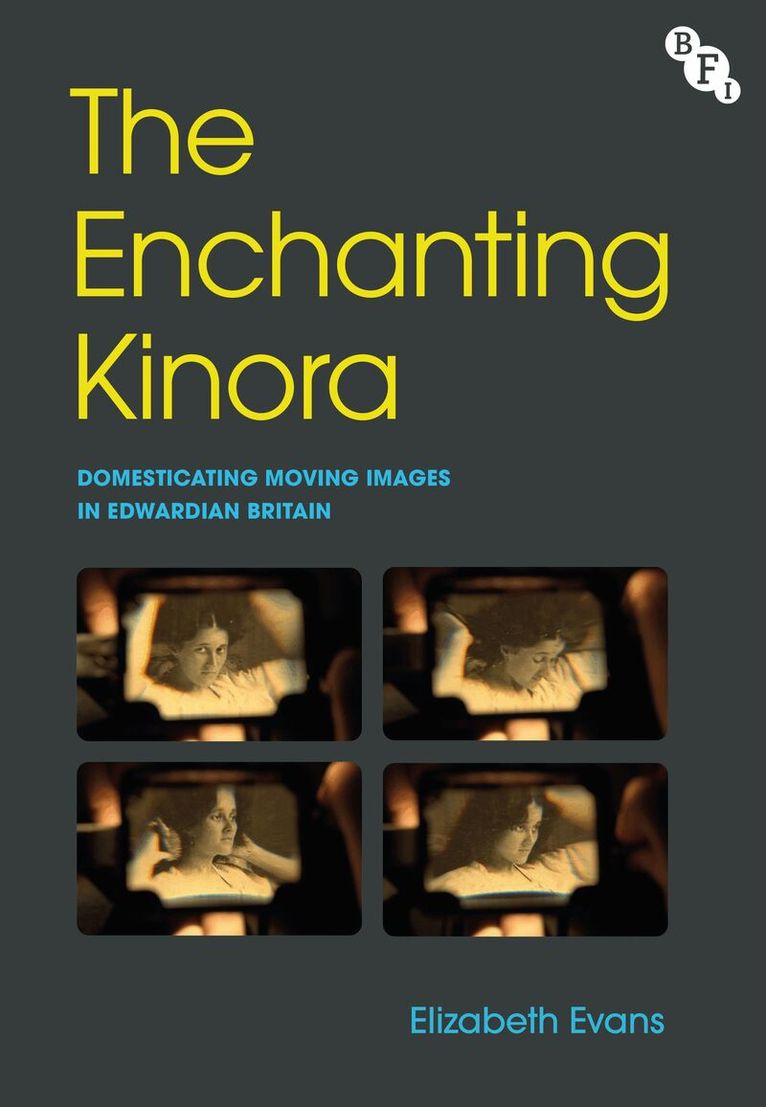
Marketed as more affordable and safer than film cameras, the Kinora system, launched in 1903, was one of the first amateur filmmaking devices and represents one of the earliest attempts to create a domestic market for moving images. In The Enchanting Kinora, Elizabeth Evans examines the Kinora in its technological, industrial and socio-cultural context to explore how early attempts to domesticate moving images were configured. She closely analyses 84 previously unexamined Kinora reels, filmed using the early motion picture device between 1908-1913 and held by the Smedley Collection. These include 23 reels that were produced for public consumption and others that were meant solely for private viewing by the Smedley family. She goes on to consider the reels as material objects, examining not only their content, but also how the collection was preserved and catalogued by members of the family. Finally, she reflects on her own connection to the reels as the Smedleys’ great-granddaughter.In doing so, Evans expands our understanding of moving images’ emergence as part of a wider network of cultural practices in Edwardian Britain that featured within domestic as well as public and professional spaces.
514 kr
Kommande
Marketed as more affordable and safer than film cameras, the Kinora system, launched in 1903, was one of the first amateur filmmaking devices and represents one of the earliest attempts to create a domestic market for moving images. In The Enchanting Kinora, Elizabeth Evans examines the Kinora in its technological, industrial and socio-cultural context to explore how early attempts to domesticate moving images were configured. She closely analyses 84 previously unexamined Kinora reels, filmed using the early motion picture device between 1908-1913 and held by the Smedley Collection. These include 23 reels that were produced for public consumption and others that were meant solely for private viewing by the Smedley family. She goes on to consider the reels as material objects, examining not only their content, but also how the collection was preserved and catalogued by members of the family. Finally, she reflects on her own connection to the reels as the Smedleys’ great-granddaughter.In doing so, Evans expands our understanding of moving images’ emergence as part of a wider network of cultural practices in Edwardian Britain that featured within domestic as well as public and professional spaces.