Lloyd Sachs - Böcker
Visar alla böcker från författaren Lloyd Sachs. Handla med fri frakt och snabb leverans.
3 produkter
3 produkter
236 kr
Skickas inom 7-10 vardagar
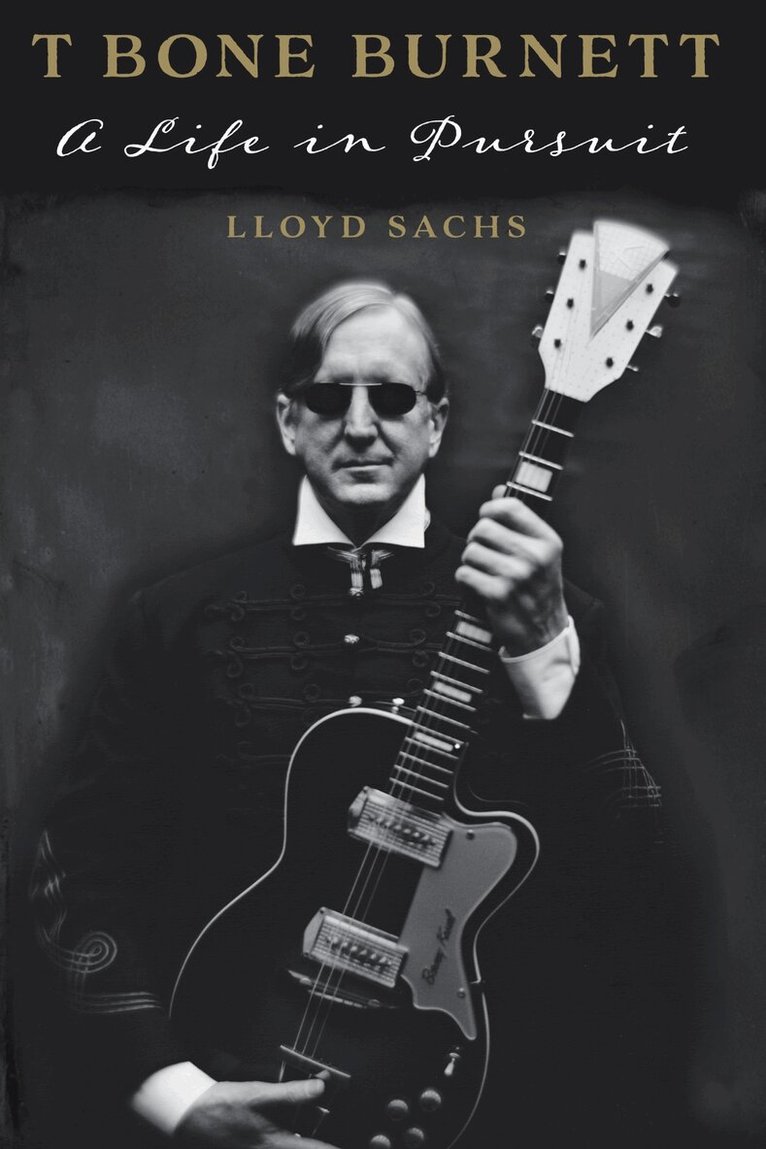
This first critical appreciation of T Bone Burnett reveals how the proponent of Americana music and producer of artists ranging from Robert Plant and Alison Krauss to B. B. King and Elvis Costello has profoundly influenced American music and culture.T Bone Burnett is a unique, astonishingly prolific music producer, singer-songwriter, guitarist, and soundtrack visionary. Renowned as a studio maven with a Midas touch, Burnett is known for lifting artists to their greatest heights, as he did with Raising Sand, the multiple Grammy Award–winning album by Robert Plant and Alison Krauss, as well as acclaimed albums by Los Lobos, the Wallflowers, B. B. King, and Elvis Costello. Burnett virtually invented “Americana” with his hugely successful roots-based soundtrack for the Coen Brothers film, O Brother, Where Art Thou? Outspoken in his contempt for the entertainment industry, Burnett has nevertheless received many of its highest honors, including Grammy Awards and an Academy Award. T Bone Burnett offers the first critical appreciation of Burnett’s wide-ranging contributions to American music, his passionate advocacy for analog sound, and the striking contradictions that define his maverick artistry. Lloyd Sachs highlights all the important aspects of Burnett’s musical pursuits, from his early days as a member of Bob Dylan’s Rolling Thunder Revue and his collaboration with the playwright Sam Shepard to the music he recently composed for the TV shows Nashville and True Detective and his production of the all-star album Lost on the River: The New Basement Tapes. Sachs also underscores Burnett’s brilliance as a singer-songwriter in his own right. Going well beyond the labels “legendary” or “visionary” that usually accompany his name, T Bone Burnett reveals how this consummate music maker has exerted a powerful influence on American music and culture across four decades.
1 380 kr
Kommande
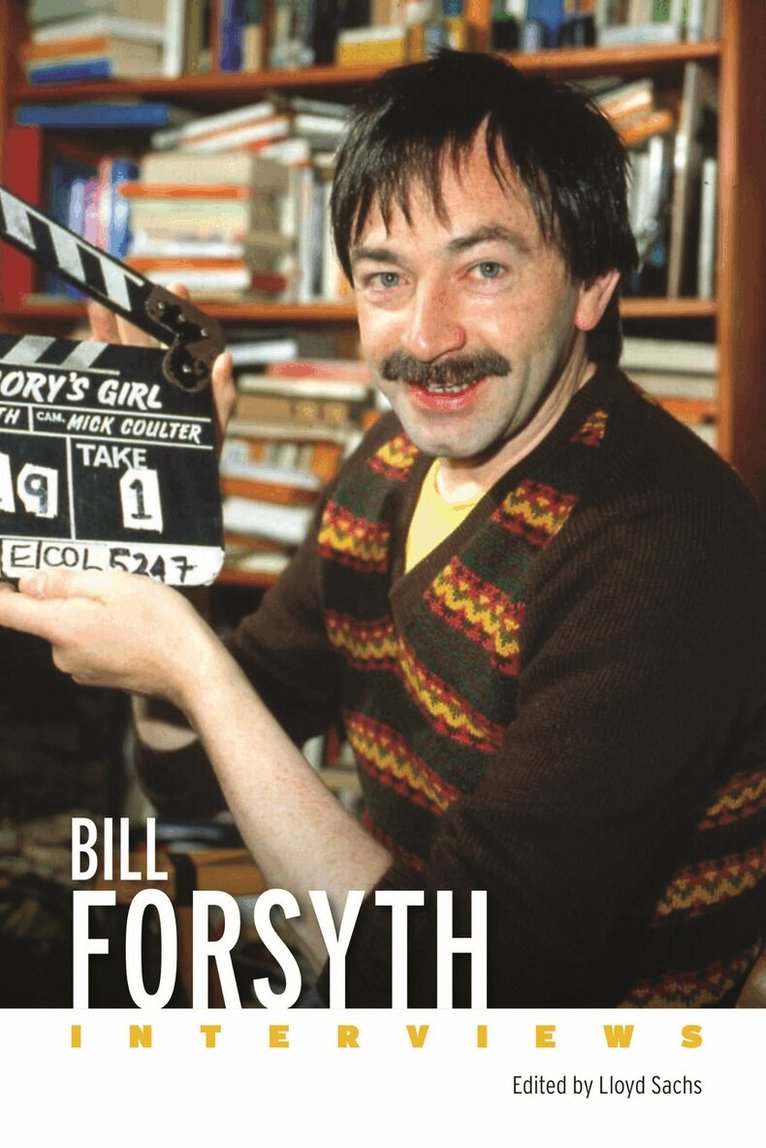
One of the most beloved filmmakers of his time, Bill Forsyth (b. 1946) has—with one exception—not directed a feature in more than thirty years. This long silence is all the more remarkable given his meteoric rise: between 1979 and 1983, the Glasgow native crafted four comic gems that helped put Scottish cinema on the map. How did the director of such enduring classics as Gregory’s Girl and Local Hero seemingly vanish from the film world? It’s tempting to blame his retreat on the painful fallout from Being Human, the troubled Hollywood production starring Robin Williams. But even before that big‑budget flop, the deeply reserved Forsyth wrestled with the discomfort he felt directing—and with audiences who often overlooked the serious themes beneath his offbeat comedies. "I’ve always had a much darker side than most people have perceived," he confided to British critic John Brown. Through interviews with leading critics and film authorities, Bill Forsyth: Interviews offers a revealing look at the filmmaker’s personal approach to his art, shaped by early encounters with the French New Wave and a youthful stint making industrial films about forestry, fishing, and factories. Forsyth reflects on his debt to auteurs like François Truffaut, Preston Sturges, Jean Renoir, and Jacques Tati, and offers candid insights into his process. These conversations highlight his methods and the underappreciated dimensions of his work, including what Scottish critic Jonathan Murray calls their "comic ingenuity, idiosyncratic narrative structures, and tonal complexity."
283 kr
Kommande
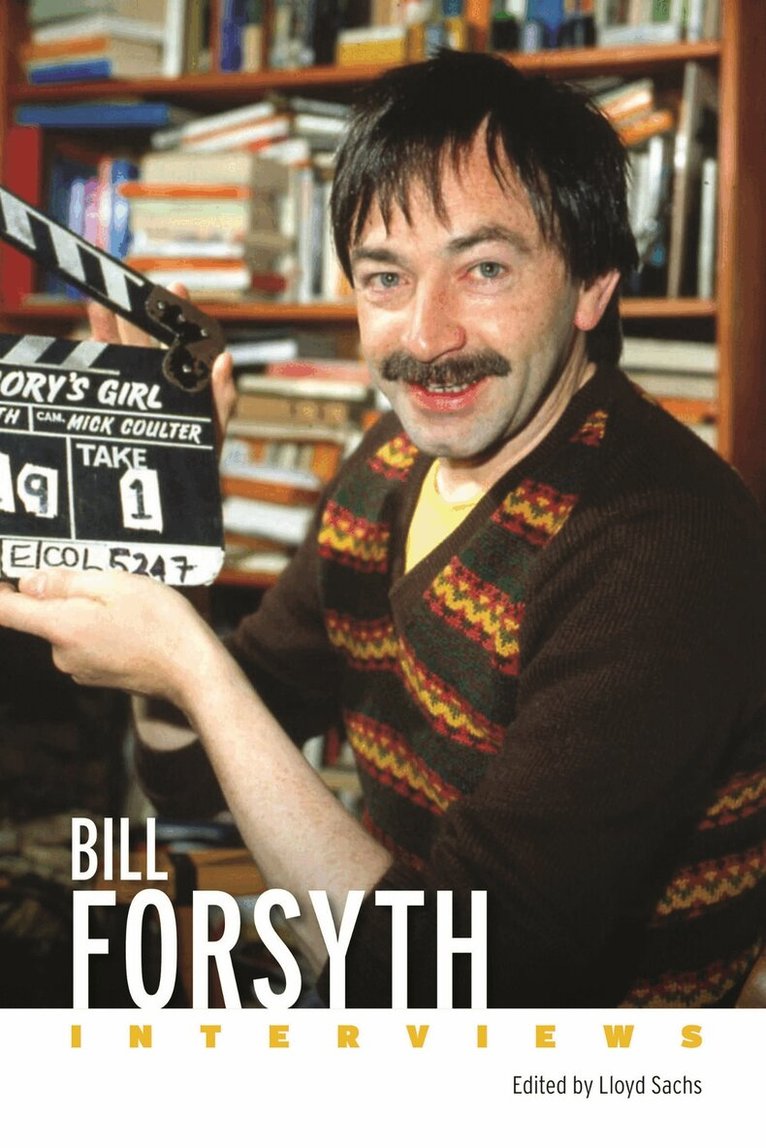
One of the most beloved filmmakers of his time, Bill Forsyth (b. 1946) has—with one exception—not directed a feature in more than thirty years. This long silence is all the more remarkable given his meteoric rise: between 1979 and 1983, the Glasgow native crafted four comic gems that helped put Scottish cinema on the map. How did the director of such enduring classics as Gregory’s Girl and Local Hero seemingly vanish from the film world?It’s tempting to blame his retreat on the painful fallout from Being Human, the troubled Hollywood production starring Robin Williams. But even before that big‑budget flop, the deeply reserved Forsyth wrestled with the discomfort he felt directing—and with audiences who often overlooked the serious themes beneath his offbeat comedies. "I’ve always had a much darker side than most people have perceived," he confided to British critic John Brown.Through interviews with leading critics and film authorities, Bill Forsyth: Interviews offers a revealing look at the filmmaker’s personal approach to his art, shaped by early encounters with the French New Wave and a youthful stint making industrial films about forestry, fishing, and factories. Forsyth reflects on his debt to auteurs like François Truffaut, Preston Sturges, Jean Renoir, and Jacques Tati, and offers candid insights into his process. These conversations highlight his methods and the underappreciated dimensions of his work, including what Scottish critic Jonathan Murray calls their "comic ingenuity, idiosyncratic narrative structures, and tonal complexity."